

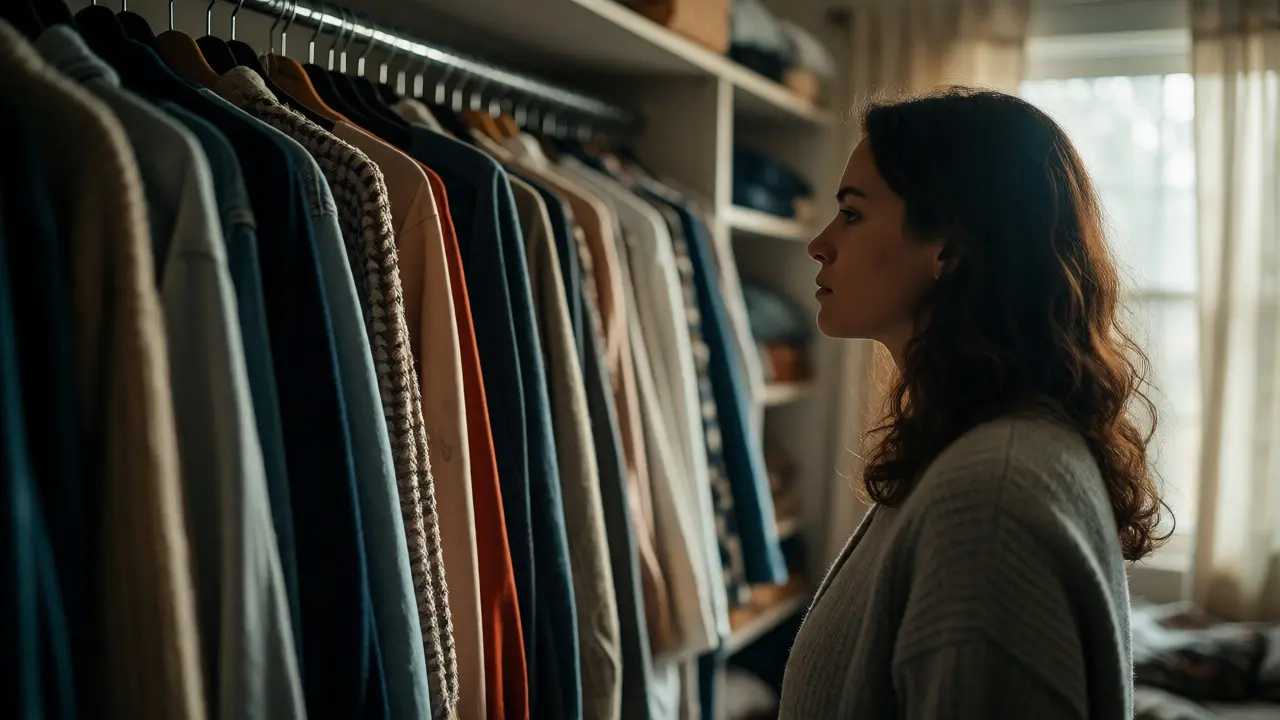
You know that feeling. You stand in front of your closet, staring at clothes you own but never wear, or worse, wearing the same three outfits on repeat because they’re safe. It’s not a lack of clothes; it’s a lack of imagination. We get stuck in style ruts because decision fatigue is real, and trying something new feels risky when you have five minutes before work.
The fix isn’t buying more stuff. It’s changing how you interact with what you already have. I’ve put together fifty specific challenges designed to force small shifts in perspective. Some take ten seconds, others take a weekend. The goal isn’t perfection-it’s momentum. By treating your wardrobe like a playground rather than a uniform factory, you’ll rediscover pieces you forgot existed and find confidence in combinations you previously ignored.
Quick Summary: Key Takeaways
- Mindset Shift: Treat style as an experiment, not a performance. Low stakes mean high creativity.
- Constraint Breeds Creativity: Limiting choices (e.g., one color, one item) often yields better results than infinite options.
- Action Over Theory: Wear the item. If it fails, you learned something. If it works, you expanded your range.
- Digital Detox: Unfollow accounts that make you feel inadequate; follow those that show realistic styling.
Challenges for Your Closet Audit
Before you can break out, you need to know what’s holding you back. Most ruts are formed by clutter-items that don’t fit, don’t match, or just feel "off." These first ten challenges help you clear the mental fog.
- The Hanger Flip: Turn every hanger in your closet backwards. When you wear an item, hang it back normally. After three months, donate anything still facing backward.
- The One-Year Rule: Pick one item you haven’t worn in twelve months. Try it on now. Does it fit? If yes, wear it today. If no, box it up immediately.
- Shoe Swap: Wear your least-worn pair of shoes to a casual coffee run. Notice if they hurt or if you feel weird. Usually, it’s just unfamiliarity.
- Accessory Graveyard: Dump all scarves, belts, and jewelry into a pile. Pick three items you’d normally ignore and wear them together.
- The Fit Check: Put on your favorite jeans. Do they pinch? Are they too loose? Fix the hem or waistband this week. Ill-fitting basics kill style faster than bad trends.
- Color Block Cleanse: Remove all black tops from your visible rack for one week. Force yourself to look at other colors.
- Layering Lab: Take a summer dress and layer a chunky knit sweater over it. Adjust until it looks intentional, not accidental.
- The "Ugly" Test: Find an item you think is ugly. Wear it under a neutral blazer. See if context changes your perception.
- Bag Rotation: Use a bag you bought but never used for a full day. Note if it holds your essentials or if it’s purely decorative.
- Denim Deep Dive: Try on all five pairs of jeans you own. Rank them by comfort and silhouette. Keep the top two, store the rest.
Challenges for Daily Outfit Creation
Once the clutter is managed, you need to disrupt your morning routine. These challenges force you to make different decisions without requiring new purchases.
| Challenge Type | Rule | Goal |
|---|---|---|
| Monochrome Monday | Wear only one color head-to-toe. | Master texture mixing. |
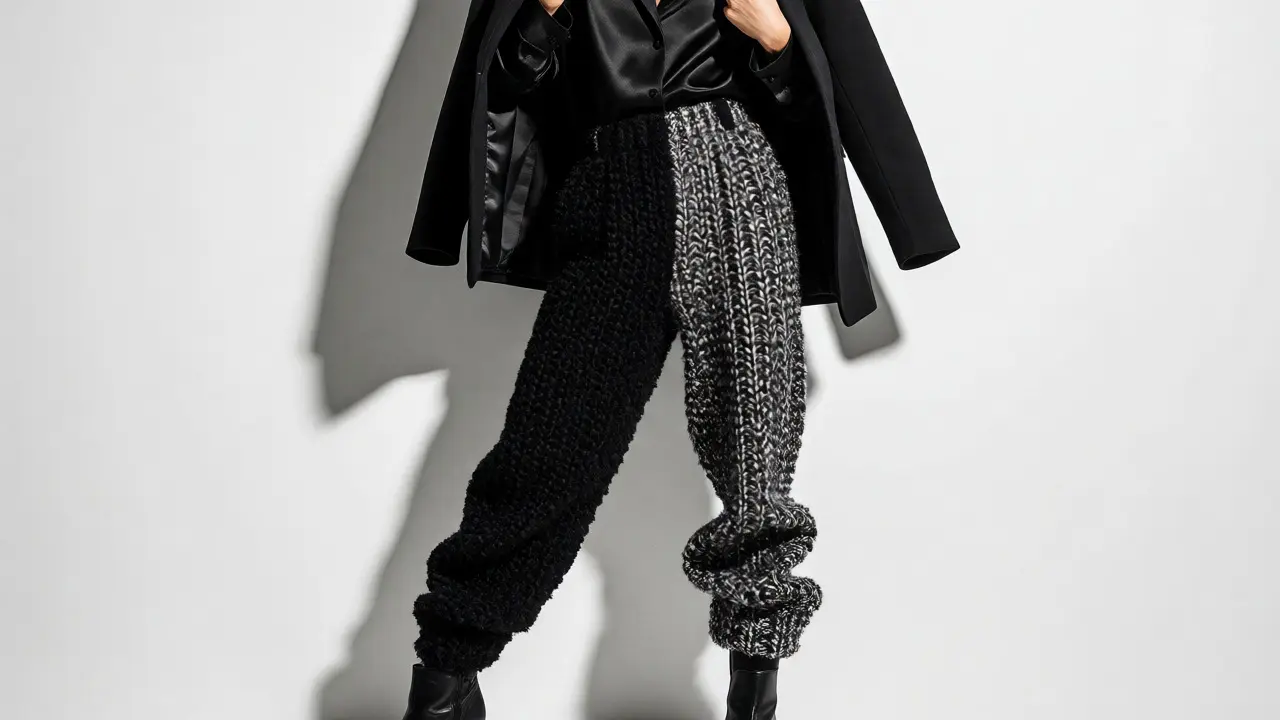
| Texture Tuesday | Combine three distinct fabrics (e.g., silk, denim, wool). | Add visual interest. |
| Proportion Play | Balanced volumes: tight top/loose bottom or vice versa. | Create flattering silhouettes. |
| Shoe First | Pick shoes before clothes. | Build outfits around footwear. |
Here are twenty more rapid-fire ideas to keep mornings fresh:
- Monochrome Magic: Wear one color from head to toe. Focus on varying textures to keep it interesting.
- Shoes First: Choose your shoes before your clothes. Build the outfit around them.
- Top Down: Start with a shirt you love. Now find pants that complement it, rather than matching your pants to your shirt.
- Bottom Up: Start with trousers or a skirt. Find a top that elevates the base.
- Pattern Clash: Mix two patterns (stripes and florals). Keep the color palette similar to avoid chaos.
- Sporty Chic: Pair athletic wear (leggings, sneakers) with tailored pieces (blazer, loafers).
- Formal Casual: Wear a suit jacket with jeans and a t-shirt.
- Casual Formal: Wear dress trousers with a hoodie and clean white sneakers.
- The Third Piece: Add a third element (scarf, hat, belt) to a basic tee-and-jeans combo.
- Vintage Vibe: Incorporate one thrifted item into a modern outfit.
- Gender Fluid: Borrow a piece from a partner’s closet or try a cut traditionally associated with another gender.
- Minimalist Day: No accessories. Just clean lines and great fit.
- Maximalist Day: Stack rings, necklaces, and bracelets. Go big.
- Neckline Focus: Experiment with off-the-shoulder, boat neck, or deep V-necks if you usually stick to crew necks.
- Sleeve Game: Roll sleeves, push up cuffs, or choose puff sleeves to change your arm silhouette.
- Hemline Hack: Cuff your jeans or roll a skirt waistband to alter proportions.
- Back View: Pay attention to how your outfit looks from behind. Is the back plain? Add a statement earring or hairstyle.
- Side Profile: Check your side view. Is there bulk where you don’t want it? Tuck in one side of your shirt.
- Front Face: Ensure the front has a focal point. A necklace, a pocket square, or a bold lip.
- Comfort Zone Stretch: Wear one item slightly outside your usual size range (e.g., oversized blazer or fitted tank).
Challenges for Social Confidence
Fashion is social. Sometimes the rut is fear of judgment. These challenges help you test reactions and build resilience.
- Compliment Collector: Ask three friends to compliment one thing about your current outfit. Write them down. Repeat next week.
- Stranger Smile: Wear something bright. Smile at strangers who notice. Gauge positive feedback.
- Workplace Risk: Wear a subtle pop of color to the office. Observe if anyone mentions it positively.
- Date Night Upgrade: Dress up for a casual date. See if the effort changes the vibe.
- Errand Glam: Dress nicely just to go to the grocery store. Feel the difference in posture.
- Photo Proof: Take a mirror selfie of every outfit for a week. Review them later. Which ones do you actually like?
- Social Media Mute: Unfollow influencers for 48 hours. Rely on your own eye.
- Style Buddy: Swap one accessory with a friend for the day.
- Public Transport Pose: Sit confidently on the bus/train in your new outfit. Own the space.
- Feedback Loop: Post one outfit online anonymously. Read comments objectively.
Challenges for Long-Term Style Evolution
Breaking a rut isn’t a one-time event. It’s a habit. These final ten challenges cement new behaviors.
- Seasonal Reset: At the start of each season, remove one item you no longer resonate with.
- Trend Trial: Pick one micro-trend (e.g., ballet flats) and try it for two weeks. Keep or discard based on comfort, not hype.
- Signature Scent: Change your perfume/cologne to match your new style energy.
- Grooming Grit: Update your haircut or beard trim to align with your clothing aesthetic.
- Posture Power: Practice walking tall in heels or structured jackets. Confidence sells the look.
- Journal Entry: Write down why you chose today’s outfit. Identify emotional triggers.
- Inspiration Board: Create a physical mood board with magazine clippings, not just Pinterest saves.
- Local Scout: Visit a neighborhood known for unique style. People-watch for combos you haven’t tried.
- Tailor Trust: Find a good tailor. Bring one ill-fitting item to be adjusted. Notice the transformation.
- Legacy Look: Define three adjectives for your ideal style (e.g., Classic, Edgy, Comfortable). Filter future purchases through this lens.
Related Concepts and Connected Topics
Understanding these challenges requires looking at broader concepts. Personal Branding is closely linked to daily style choices. Your clothes communicate values before you speak. Similarly, Decision Fatigue is a psychological barrier. Reducing trivial choices (like what to wear) frees up mental energy for important tasks. Tools like Capsule Wardrobes help mitigate this by limiting variables.
Another key entity is Body Positivity. Many ruts stem from hiding body parts we dislike. Challenges that encourage exposure (like showing arms or legs) help reframe self-perception. Finally, consider Sustainable Fashion. Reusing existing clothes reduces waste and encourages mindful consumption, shifting focus from quantity to quality.
Frequently Asked Questions
What if I hate the result of a challenge?
That’s the point! Failure provides data. If you hated wearing a red scarf, you now know red near your face doesn’t work for you. That’s valuable information that prevents future mistakes. Don’t judge the outcome as "bad," judge it as "informative."
Do I need to buy new clothes to complete these challenges?
No. In fact, most challenges are designed to use existing items. Buying new things often delays the process by adding more clutter. Stick to what you own for the first month. If you must buy, limit it to one versatile accessory.
How long should I stick with a single challenge?
It depends. Quick tests like "wear one shoe type" last a day. Habit builders like "the hanger flip" take three months. Give each challenge enough time to see if it resonates, but don’t force it if it causes significant stress.
Can these challenges help with professional attire?
Absolutely. Challenges like "Proportion Play" and "The Third Piece" are highly effective for business casual environments. They add personality without breaking dress codes, helping you stand out subtly in meetings.
What if I have nothing to wear?
This is usually a mindset issue. Try the "Three Item Rule": pick three random items from your closet and force yourself to make an outfit. Often, the limitation sparks creativity. If you truly lack basics, invest in high-quality neutrals first.
Next Steps and Troubleshooting
If you feel overwhelmed, pick just one challenge from the list. Commit to it for seven days. If you feel resistant, ask yourself why. Is it fear of judgment? Discomfort? Address the root cause. For example, if you fear judgment, start with low-stakes environments like running errands.
Keep a simple log. Note what you wore and how you felt. Patterns will emerge. Maybe you feel powerful in blazers but restricted in dresses. Use this data to curate a wardrobe that serves your actual life, not an idealized version of it. Remember, style is iterative. You’re refining a prototype, not launching a final product.