

Sustainable Fashion: Real Choices That Matter
Tired of fast fashion piling up in your closet and hearing brands toss around the word “sustainable” without really saying what it means? You’re not alone. Figuring out if a piece of clothing is truly eco-friendly can be tricky, but it’s not impossible—and it’s worth it. When you spot a shirt made from organic cotton or a dress with a Fairtrade label, you’re looking at options that often have less impact on the planet and a better story behind them.
So where do you even start if you want a wardrobe that lines up with your values? First, check the label. Look for familiar fabric names like organic cotton, bamboo, or hemp—these are usually more sustainable than synthetic fibers like polyester or nylon. Brands that proudly display certifications (think GOTS, Fairtrade, or OEKO-TEX) usually commit to strict environmental and ethical standards. It’s not about memorizing every label, but just clocking the fabric source and any official badges.
Still not sure? A quick online search of a brand’s sustainability page or impact report can be eye-opening. If they’re vague about what makes their clothes "green," it’s probably more marketing than real action. On the other hand, brands that talk straight about their manufacturing process, materials, and how they treat workers are more likely to actually walk the walk.
The future of fashion is definitely trending greener, but it’s not there yet. More brands are experimenting with recycled materials and smarter dyeing methods. Some even upcycle old clothes into new styles, cutting down on waste. Not every eco-friendly option needs to look like it came from a science fair either. Sustainable fashion is showing up as everything from classic jeans to statement pieces you’d wear on a night out.
But what about cost? More sustainable brands can be pricey upfront. That’s because fair labor and better materials don’t come free. But if your clothes last longer—thanks to better fabrics and timeless designs—you actually buy less, and it all balances out. Next time you shop, ask yourself: Will I want to wear this in two years? Does it feel sturdy? If yes, it’s likely a more sustainable pick.
We’re at a place where small choices genuinely add up. Every time you skip a throwaway tee and go for something built to last, you cut waste, use less water, and support better jobs. Join the movement—ditch the guilt and start making swaps that fit your style and values. Sustainable fashion isn’t about perfection. It’s about making better choices, one outfit at a time.
Sustainable Accessories: A Guide to Ethical Jewelry and Vegan Leather
Posted by Elias Hartfield on Oct, 5 2026
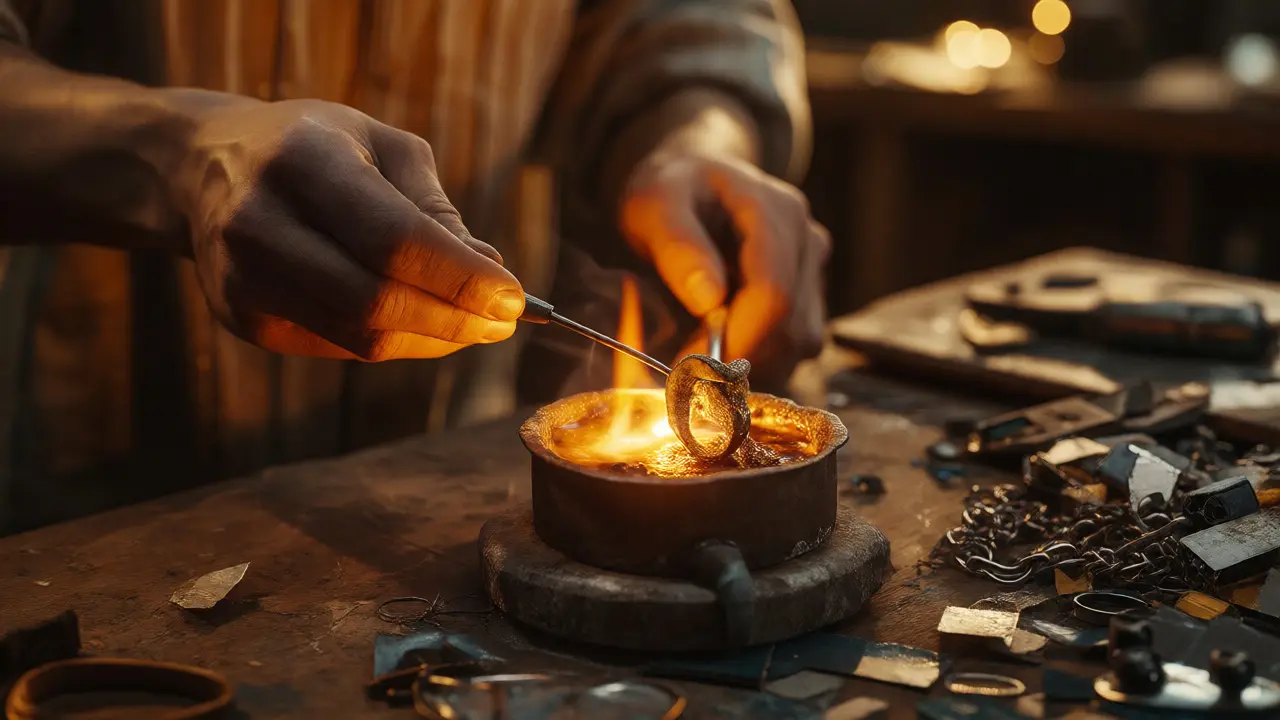
Discover how to choose sustainable accessories that look great and do good. Learn to distinguish genuine ethical jewelry from greenwashed products and explore innovative vegan leather alternatives.
Sustainable Accessories: A Guide to Ethical Jewelry, Scarves, and Bags
Posted by Michael Griffin on Oct, 1 2026
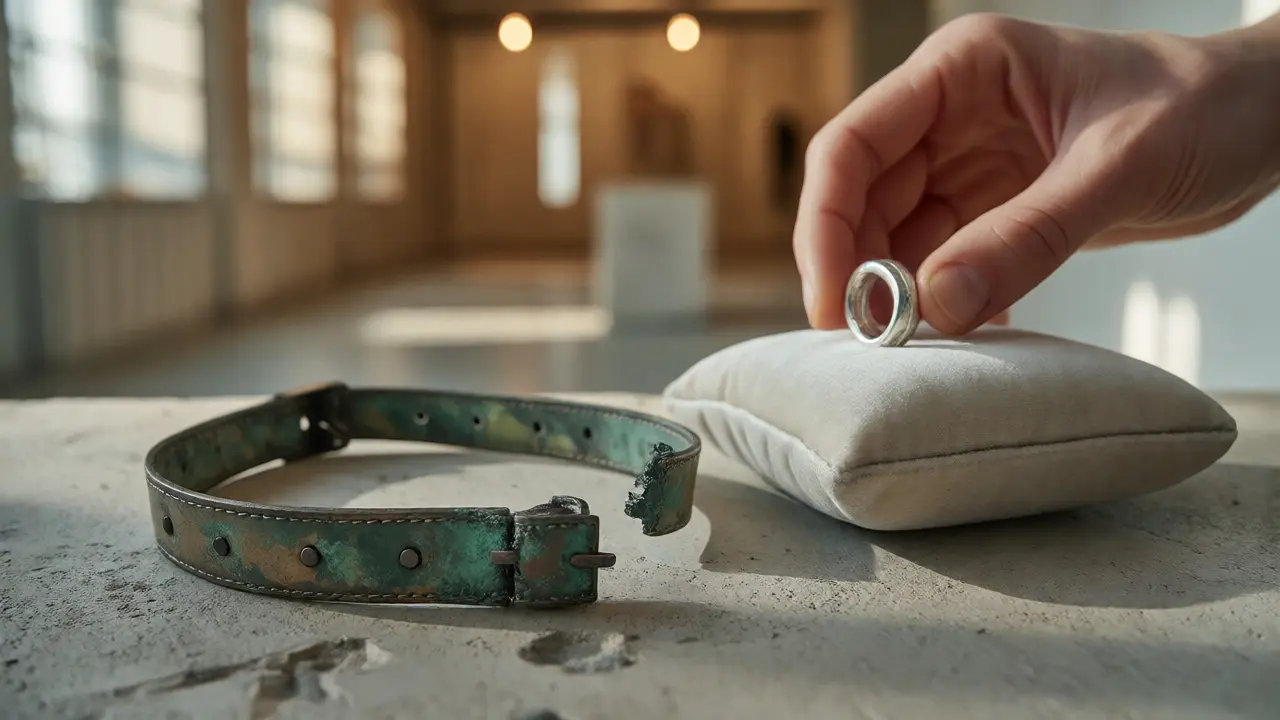
Discover how to choose ethical jewelry, scarves, and bags that minimize environmental impact. Learn to spot greenwashing, understand key certifications, and build a durable, low-impact accessory collection.
Made-to-Order and Slow Fashion: How On-Demand Production Stops Overstock
Posted by Anna Fenton on Sep, 27 2026
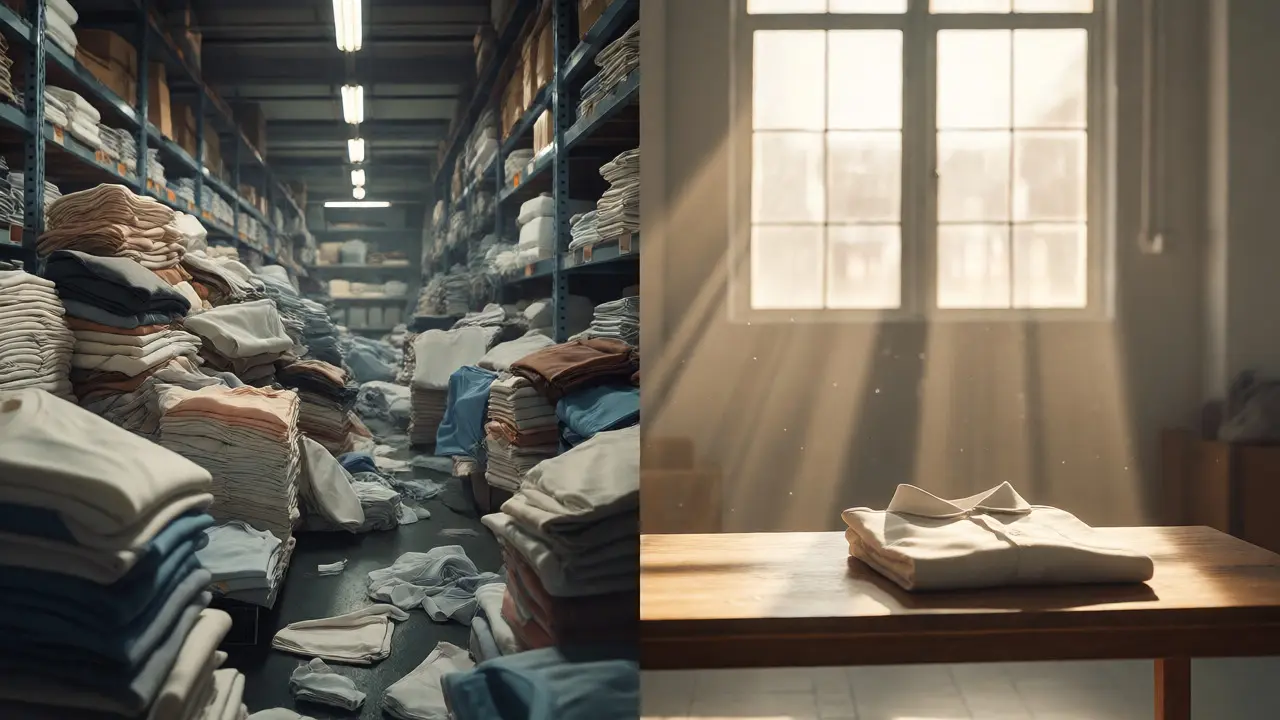
Discover how made-to-order and slow fashion eliminate overstock through on-demand production. Learn the benefits, challenges, and top brands leading this sustainable revolution.
Dyeing Clothing to Match Your Color Palette: A Sustainable Guide
Posted by Lauren DeCorte on Aug, 28 2026
Learn how to dye existing clothes to match your personal color palette. This sustainable guide covers dye types, step-by-step instructions, and tips for improving wardrobe cohesion without buying new items.
How to Edit Your Wardrobe Without the Guilt: Managing Emotional Attachment to Clothing
Posted by Michael Griffin on Jul, 27 2026
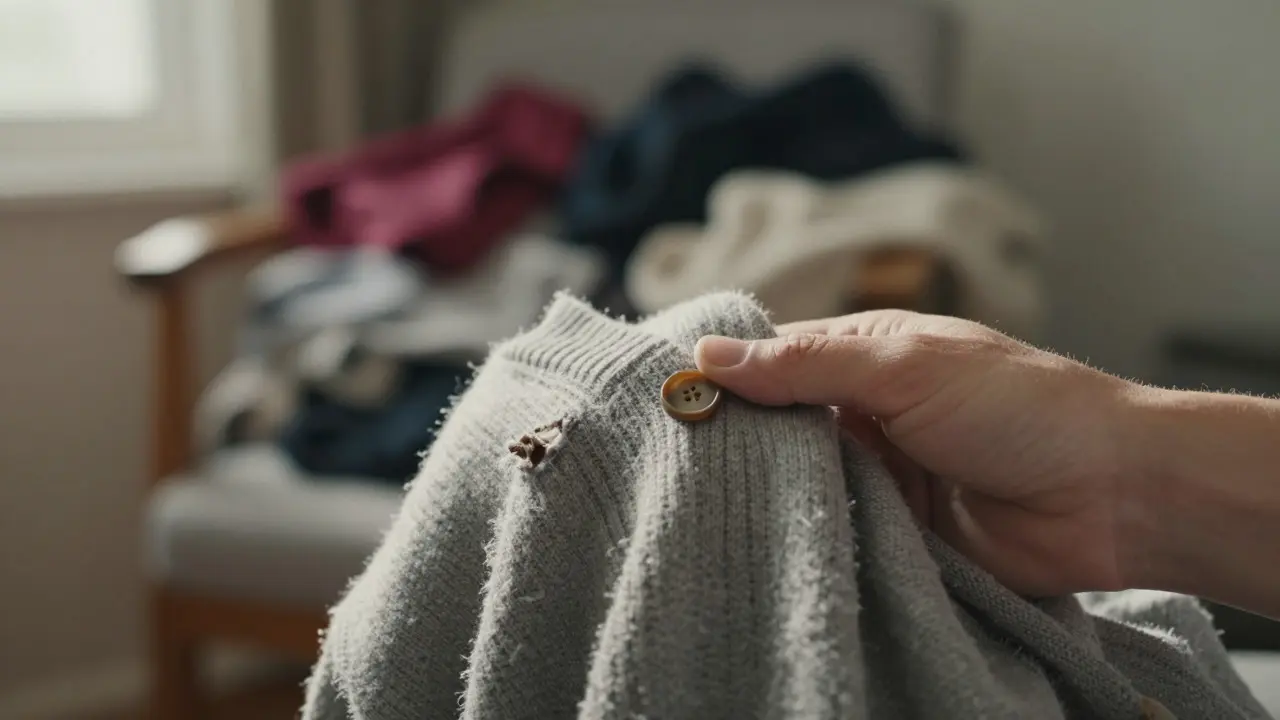
Struggling with guilt when decluttering? Learn how to manage emotional attachment to clothing, overcome sunk cost fallacy, and edit your wardrobe sustainably without losing your memories.
Zero-Waste Patterns: Design Approaches That Eliminate Fabric Waste
Posted by Lauren DeCorte on Jul, 19 2026
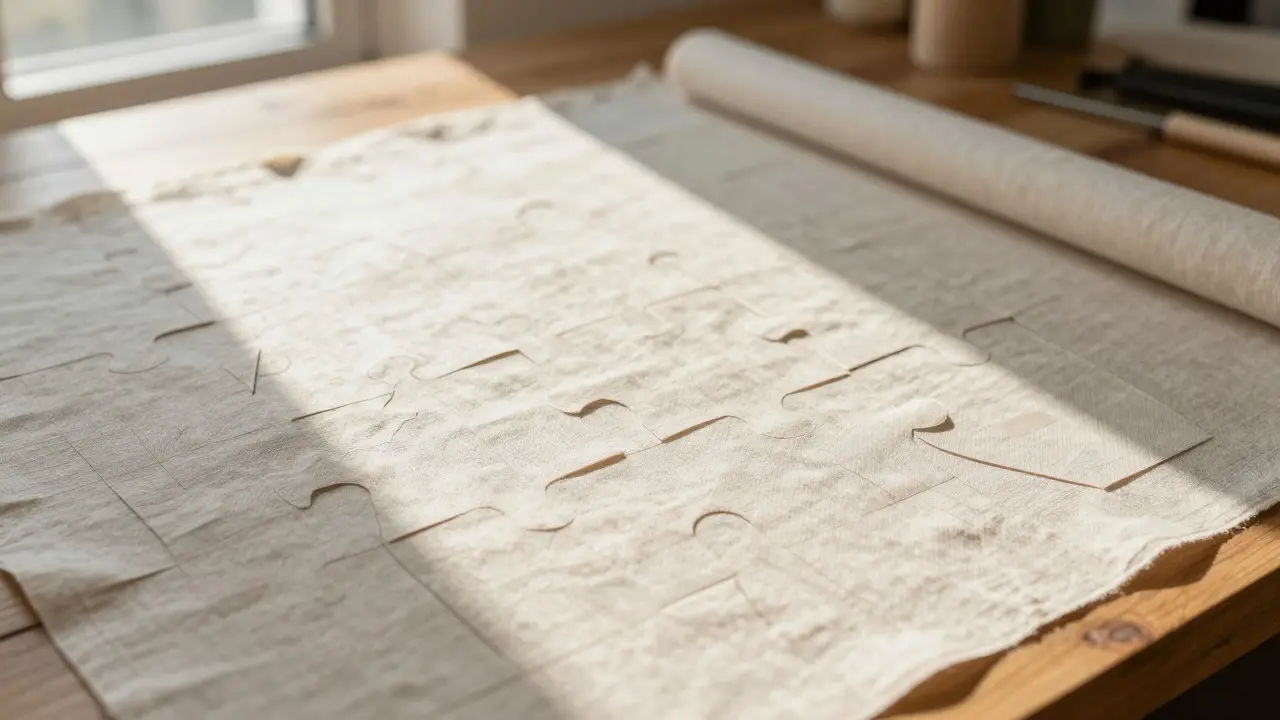
Discover how zero-waste pattern cutting eliminates fabric waste in fashion. Learn key techniques, challenges, and real-world examples from designers like Helen Yong.
Mending Basics at Home: Quick Repairs That Keep Clothes in Rotation
Posted by Kayla Susana on Jun, 29 2026
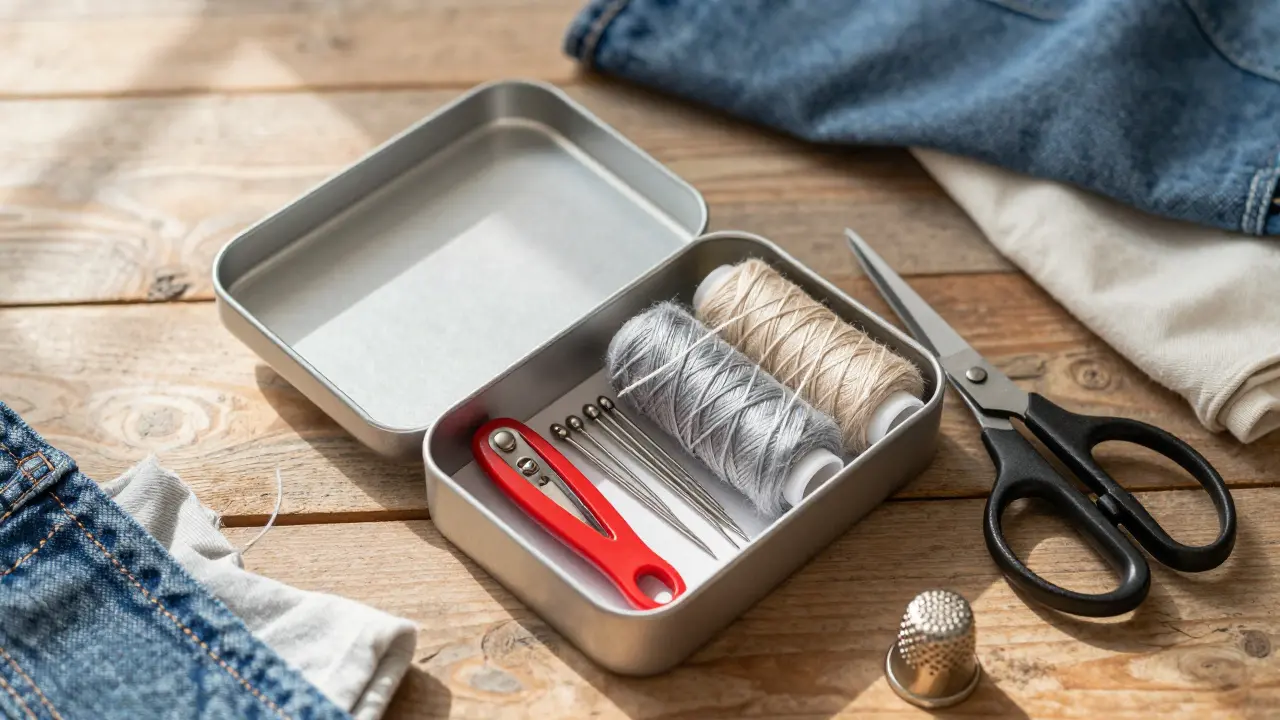
Learn quick clothing repair techniques to extend your wardrobe's life. From fixing holes to reinforcing hems, master essential mending skills at home.
Maternity Rental Services: How to Borrow Special-Occasion Pieces
Posted by Lauren DeCorte on Jun, 26 2026
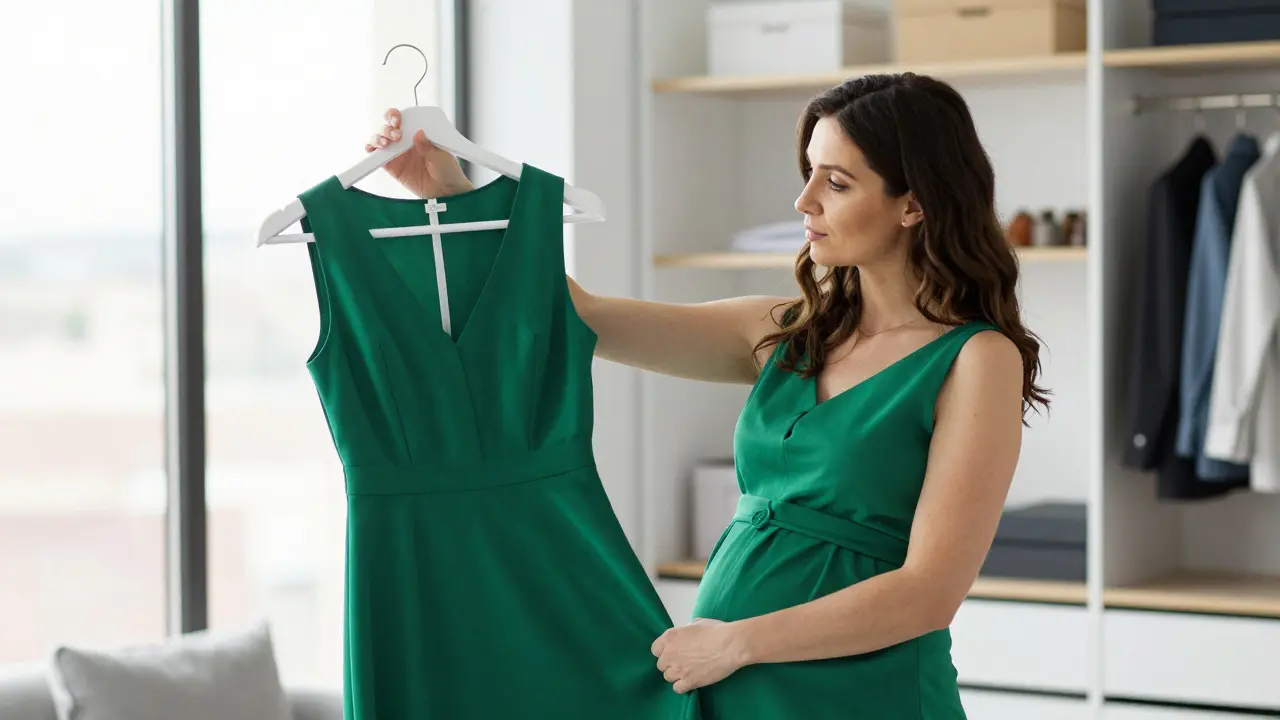
Discover how maternity rental services let you borrow stunning special-occasion pieces without the high cost or clutter. Learn tips for choosing the right service, navigating sizing, and making sustainable fashion choices during pregnancy.
The Wishlist System: How to Stop Impulse Fashion Buys Using Apps
Posted by Kayla Susana on May, 19 2026
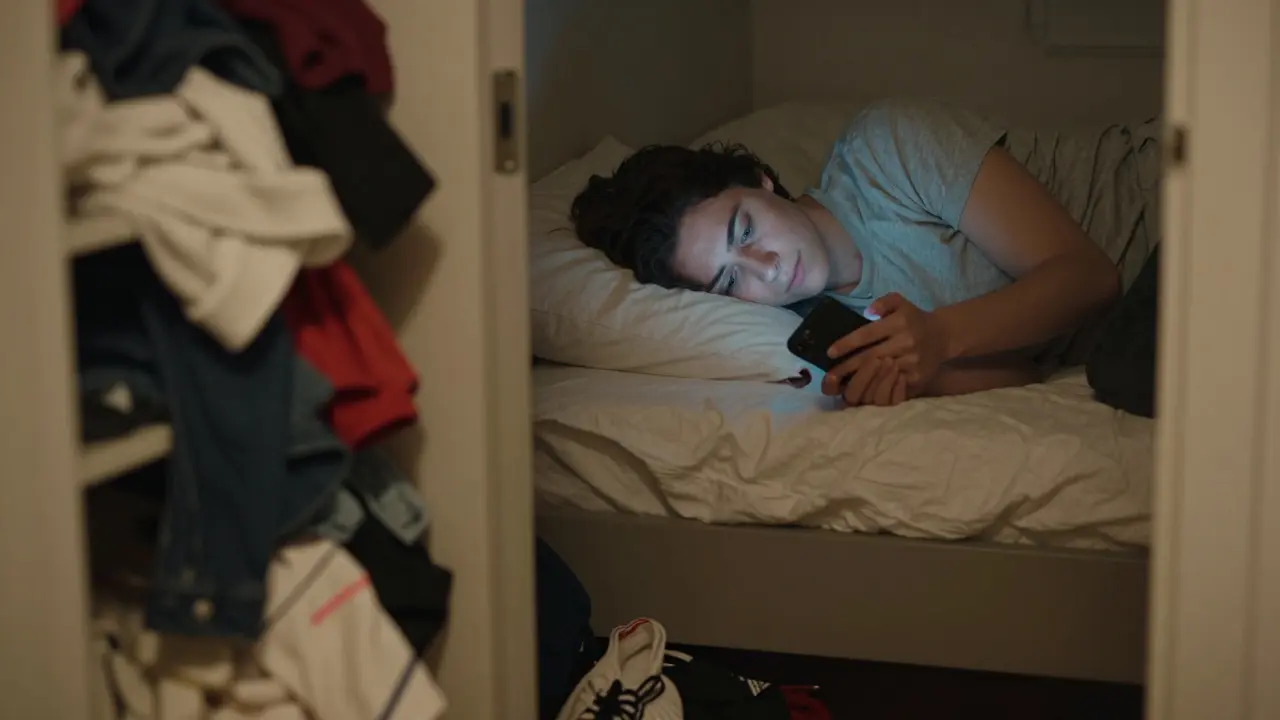
Stop impulse fashion buys with a proven wishlist system. Learn how to use apps like Cladish and Pinterest to edit your wardrobe, calculate cost per wear, and shop intentionally. Build a closet you love without the clutter.
Capsule Wardrobe Economics: Why Fewer, Better Pieces Beat Constant Accumulation
Posted by Elias Hartfield on May, 8 2026
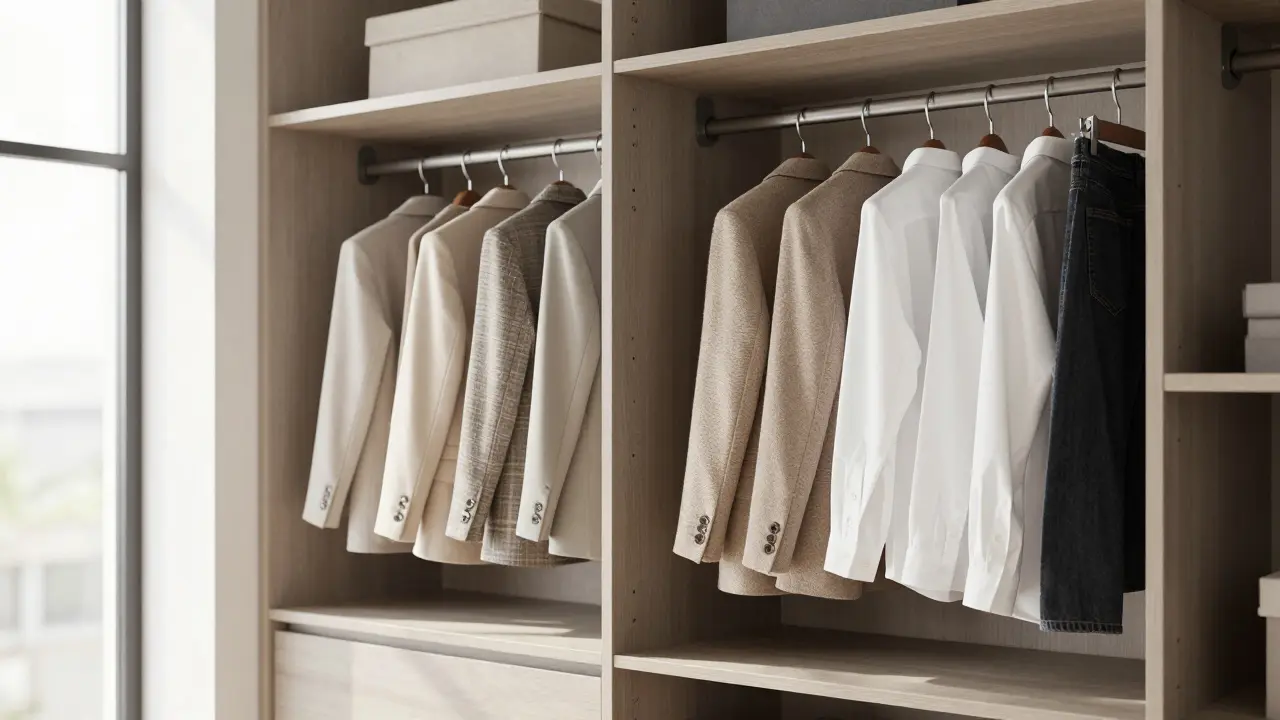
Discover how capsule wardrobe economics saves money through cost-per-wear analysis. Learn why investing in fewer, high-quality pieces beats fast fashion accumulation, reducing decision fatigue and long-term expenses.