

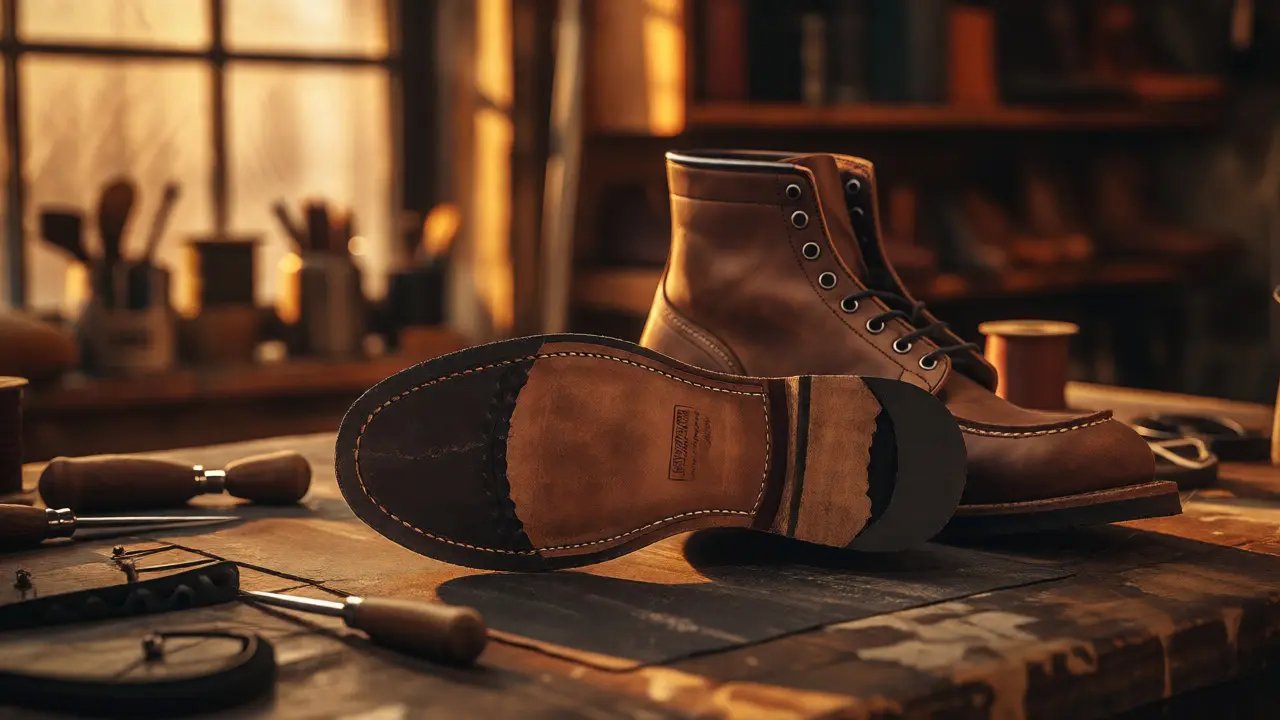
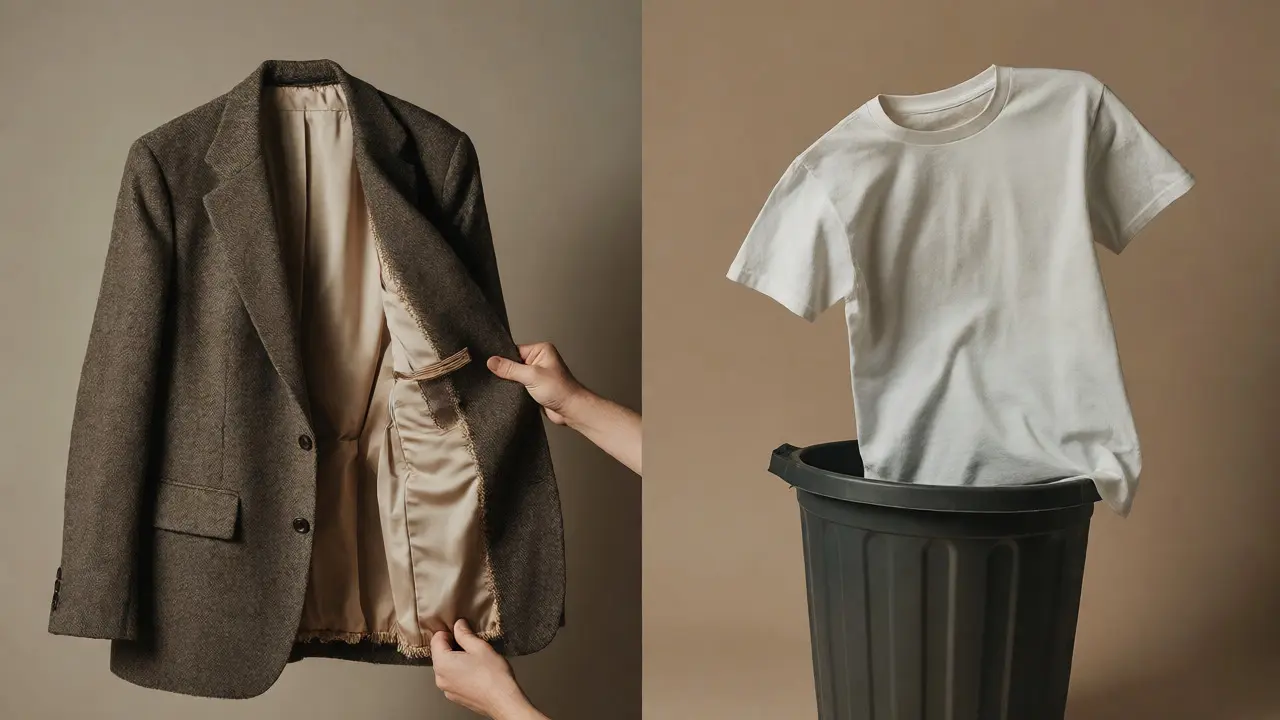
You’re staring at a pair of boots with a detached sole or a blazer with a frayed lining. The gut reaction is to toss them in the donation bin (or worse, the trash) and buy something new. But wait. That $200 coat you’ve had for three years might be worth saving, while that $15 fast-fashion tee probably isn’t. The line between repair vs replace isn’t just about sentimentality; it’s a cold, hard math problem. In New York, where cobblers charge by the minute and dry cleaners have minimums, knowing when to spend on maintenance versus buying new can save you hundreds of dollars a year.
Quick Summary / Key Takeaways
- The 50% Rule: If the repair costs more than 50% of the price of a comparable new item, replace it-unless the item has high sentimental or quality value.
- Quality Over Quantity: High-quality leather shoes and structured jackets are almost always worth repairing due to their longevity and resoleability.
- Fast Fashion Math: For items under $40, repairs rarely make financial sense unless the labor is free (DIY).
- Hidden Costs: Factor in shipping, cleaning, and your time. A "free" patch job that takes two hours of your life has an opportunity cost.
The Economics of Quality: Why Some Items Are Built to Last
Not all clothes are created equal, and neither are all shoes. When you decide whether to fix or ditch, look at the construction method first. This is the biggest differentiator between an item that can survive five resoles and one that falls apart after two seasons.
Take footwear. Goodyear Welted shoes are constructed with a strip of leather stitched around the upper and midsole, allowing the outsole to be replaced multiple times without damaging the shoe's structure. If you own a pair of Goodyear welted boots from brands like Red Wing or Alden, a resole costing $100-$150 extends their life by another 500-1,000 miles. Compare this to a glued-on sneaker or a cheap dress shoe. Once the glue fails, the structural integrity is gone. Repairing a cemented sole often costs nearly as much as a new pair because the labor is intensive, but the result is temporary.
Clothing follows similar logic. A bespoke or made-to-measure suit jacket uses full canvassing-a layer of horsehair canvas stitched between the fabric and lining. This allows tailors to reshape the jacket if you gain or lose weight. A fused jacket, common in fast fashion, uses glue. Once the glue separates (bubbling), there is no fix. You don't repair bubbling; you replace the jacket.
Breaking Down the Costs: Labor vs. Materials
In major cities like NYC, labor is the dominant cost in repairs. A cobbler charges for skill and time, not just the rubber they put on the bottom. Understanding the typical price brackets helps you set a mental threshold for replacement.
| Item Type | Common Issue | Avg. Repair Cost (NYC) | Avg. Replacement Cost | Verdict |
|---|---|---|---|---|
| Leather Dress Shoes | Worn Outsoles | $90 - $140 | $200 - $600+ | Repair (if quality brand) |
| Sneakers | Delaminated Sole | $40 - $60 | $80 - $120 | Replace (usually) |
| Wool Coat | Torn Lining | $75 - $120 | $150 - $400 | Repair (if wool > 80%) |
| Jeans | Ripped Hem/Knee | $25 - $45 | $50 - $100 | Borderline (DIY preferred) |
| Dry Clean Only Blouse | Small Tear | $30 - $50 | $40 - $80 | Replace |
Notice the pattern? As the replacement cost rises, the percentage of that cost represented by the repair drops. A $100 repair on a $600 boot is 16%. A $50 repair on a $100 sneaker is 50%. At 50%, you are essentially paying half-price for a product that still has wear and tear history. Unless you love that specific pair, your money works harder buying new.
The Sentimental & Sustainability Multiplier
Math isn't everything. Sometimes, you pay a premium to keep something because it fits perfectly, holds memories, or aligns with your values. This is where the Sustainable Wardrobe concept comes into play, prioritizing resource efficiency and waste reduction over constant consumption.
Consider the environmental impact. Producing a single cotton t-shirt requires approximately 2,700 liters of water. Manufacturing a pair of leather shoes involves tanning processes that use significant chemicals and energy. By choosing to repair, you avoid the carbon footprint of manufacturing, shipping, and retailing a new item. For many, this ethical dividend outweighs the slight financial inefficiency of repairing a mid-tier item.
However, beware of "sentimental hoarding." Keeping a holey sweater because your grandmother knitted it is fine. Keeping a stained polyester blend from college because you "might wear it again" is clutter. If the repair doesn't restore the item to a condition you'd actively choose to wear today, let it go. Donation bins are better for the planet than closets filled with guilt.
When DIY Makes Sense (And When It Doesn't)
Professional repair isn't the only option. Basic skills can turn a $50 repair bill into a $5 supply run. But know your limits.
- DIY Wins: Replacing buttons, hemming pants (with a machine), darning socks, and using iron-on patches for small tears in denim. These tasks require minimal skill and tools.
- Pro Required: Resoling shoes, replacing zippers on leather jackets, restructuring suit shoulders, and repairing silk or cashmere. These materials are unforgiving. One wrong needle puncture on silk creates a permanent hole. One bad stitch on a zipper tape ruins the garment.
If you attempt a DIY repair on a complex item and fail, you often double the cost. The tailor now has to unpick your messy stitches before starting fresh. Always assess your skill level honestly. If you haven't sewn since home ec, leave the cashmere cardigan to the professionals.
The "Cost Per Wear" Reality Check
A useful metric for these decisions is Cost Per Wear (CPW). Divide the total cost of the item (purchase price + repair costs) by the number of times you've worn it.
Imagine a $300 winter coat you've worn 50 times. CPW is $6. If a $80 repair adds another 50 wears, the new CPW becomes ($300 + $80) / 100 = $3.80. That's a great deal. Now imagine a $40 trendy top worn 5 times. CPW is $8. A $20 repair makes it $60 / 10 wears = $6. Is it worth spending $20 to lower the CPW by $2 on a low-quality item? Probably not. You'll likely discard it next season anyway due to style changes or further deterioration.
Practical Checklist: The Decision Tree
Before you hand over your credit card at the cobbler or tailor, run through this quick filter:
- Is the item structurally sound? If the fabric is thinning everywhere or the leather is cracked beyond repair, skip the fix.
- Do I actually wear this? Be honest. If it's been in the closet for six months, repair won't change that.
- Is the repair cost < 50% of replacement? If yes, proceed. If no, evaluate quality.
- Is it high quality? Natural fibers, welted soles, full grain leather? Lean toward repair.
- Can I do it myself? If yes, and you have the time/skill, do it.
Frequently Asked Questions
Is it cheaper to repair shoes or buy new ones?
It depends entirely on the shoe's original quality. For high-end leather shoes ($200+), repairing is significantly cheaper than buying new equivalents, which often cost $300+. For mass-market sneakers ($50-$80), repairs often cost 50-70% of the replacement price, making buying new more economical unless the shoes have sentimental value.
How much does it cost to resole leather boots in 2026?
In major US cities, expect to pay between $90 and $150 for a standard Vibram or leather resole on Goodyear welted boots. Half-soles may cost slightly less ($70-$100). Prices vary based on the complexity of the shoe and the cobbler's reputation.
Should I repair fast fashion items?
Generally, no. Fast fashion items are designed with disposable lifespans. The fabric quality often degrades rapidly, meaning a repaired item may fail elsewhere soon. Additionally, the low purchase price means professional repair labor often exceeds the item's value. Focus repairs on durable goods.
What is the most common clothing repair people ignore?
Button replacement and hem adjustments. Many people discard shirts because of a missing button or pants because of a length issue. These are minor fixes that extend the life of garments significantly for very little cost, especially if done at home.
Does repairing clothes help the environment?
Yes. Extending the life of a garment by nine months reduces its carbon, water, and waste footprints by around 20-30%. Repairing prevents textile waste from entering landfills and reduces the demand for new raw material extraction and manufacturing.


Write a comment