

There is a specific kind of frustration that comes from opening your closet and seeing twenty shirts that all look good individually but clash when you try to build an outfit. You have the perfect black jeans, the ideal white tee, but then you reach for that one bright blue sweater that just doesn't fit the vibe. This is where color analysis is the process of determining which shades and tones complement your skin undertone, eye color, and hair color to create visual harmony. Most people think the solution is buying new clothes. But what if you could fix the problem with the clothes you already own? Dyeing existing garments to match your personal palette is one of the most effective ways to improve wardrobe cohesion is the state of a clothing collection where every item can be mixed and matched easily due to shared color families and styles. It saves money, reduces waste, and makes getting dressed in the morning significantly easier.
Why Dyeing Beats Buying New
The fast fashion cycle pushes us to replace items constantly. However, the environmental cost of producing a single cotton t-shirt is roughly 2,700 liters of water. By dyeing a garment you already love instead of discarding it, you extend its life by years. This approach aligns perfectly with sustainable fashion is a movement aimed at creating clothing in ways that are socially fair and environmentally responsible. You are not just changing the color; you are reducing your carbon footprint. Plus, there is something deeply satisfying about transforming a dull, off-color piece into something that feels custom-made for you. It turns a generic item into a statement piece without spending a dime on retail markup.
Understanding Your Personal Palette
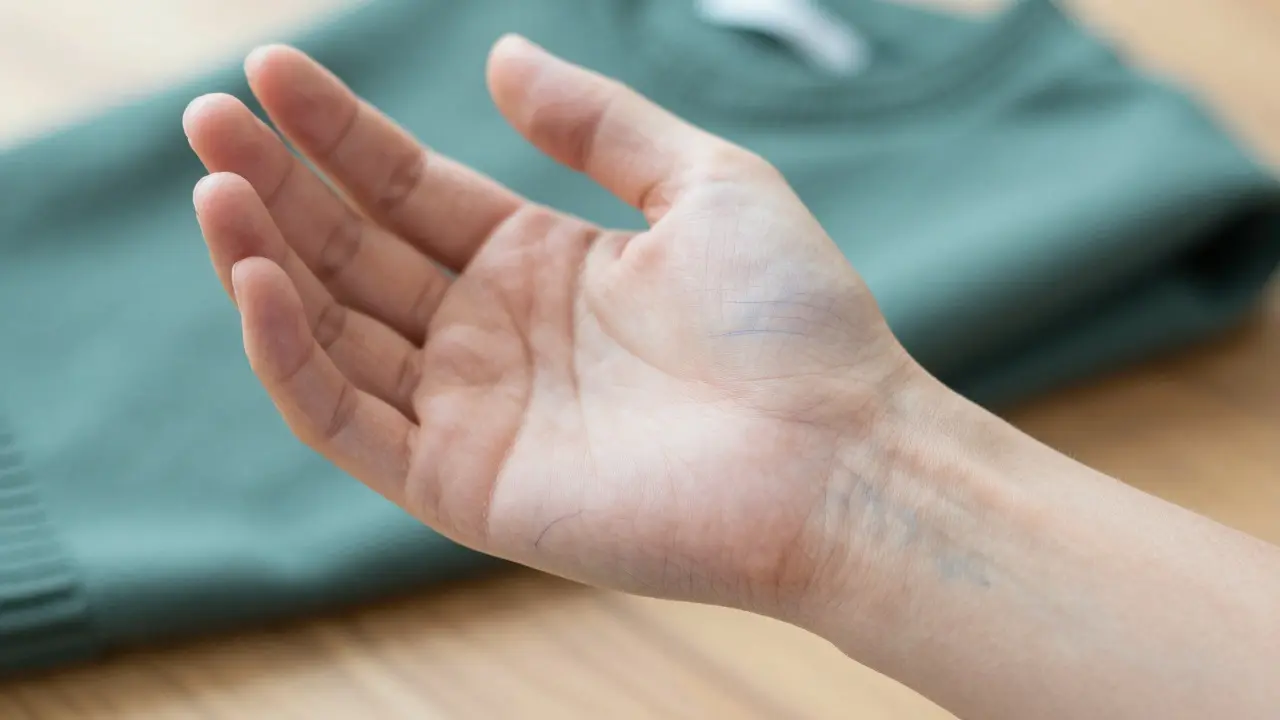
Before you buy a single drop of dye, you need to know exactly what colors work for you. If you have cool undertones, typically indicated by veins that appear blue or purple under your wrist, you will likely shine in jewel tones like emerald, sapphire, and amethyst. Warm undertones, where veins look greenish, suit earthy shades like terracotta, olive, and mustard. Neutral undertones offer the most flexibility, allowing both warm and cool hues to work well. Identifying this is the first step in any serious personal style audit is a comprehensive review of one's current wardrobe, body shape, and lifestyle needs to identify gaps and opportunities for improvement. Once you know your season-Spring, Summer, Autumn, or Winter-you can map out which existing clothes are "outliers" that need adjusting rather than replacing.
Choosing the Right Dye Type
Not all dyes work on all fabrics. This is a critical distinction that trips up many beginners. For synthetic fabrics like polyester, nylon, or spandex, you need acid-based dyes. These dyes bond with the protein fibers or synthetic polymers at high temperatures. For natural fibers like cotton, linen, wool, or silk, fiber-reactive dyes are the standard. They chemically bond with the cellulose or protein in the fabric, resulting in wash-fast colors. Using the wrong type leads to fading after the first few washes. Here is a quick comparison to help you decide:
| Dye Type | Best For | Heat Requirement | Color Intensity |
|---|---|---|---|
| Fiber-Reactive | Cotton, Linen, Wool, Silk | Low (30°C - 40°C) | Bright, High Saturation |
| Acid Dye | Polyester, Nylon, Spandex | High (95°C+) | Muted, Soft Tones |
| Natural Dye | All Natural Fibers | Medium (60°C - 80°C) | Earth Tones, Variability |
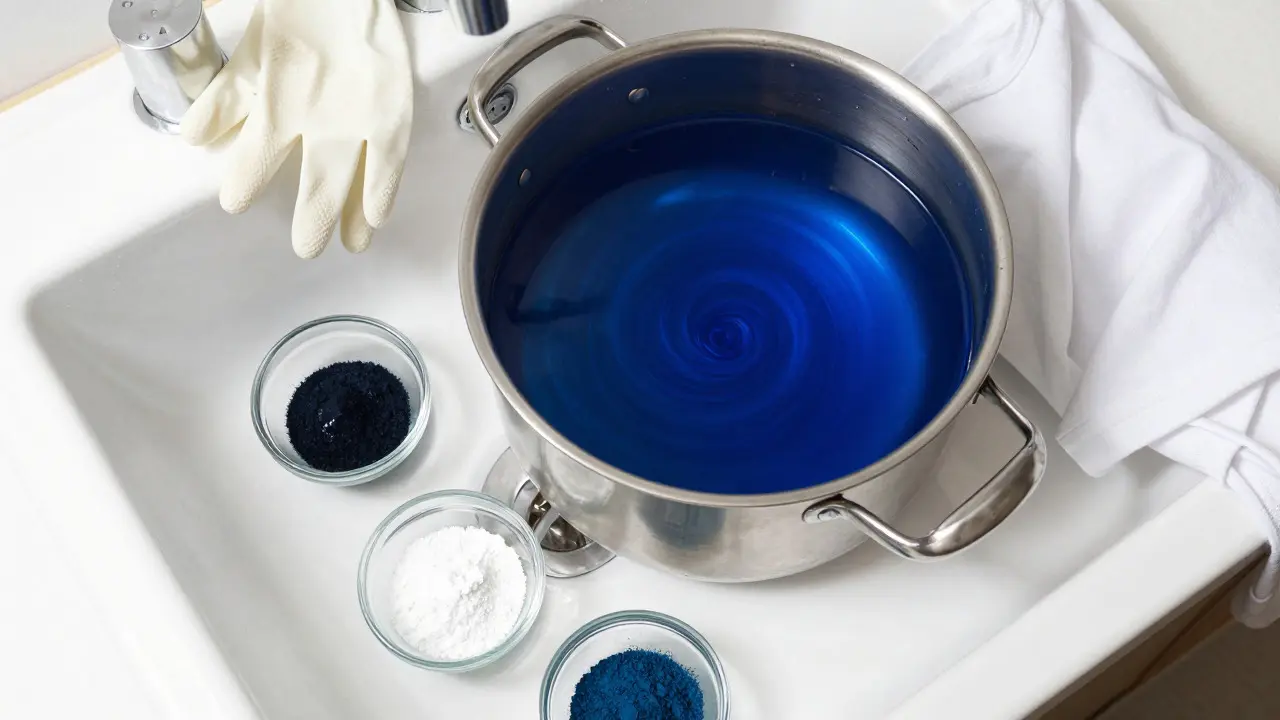
If you are leaning toward eco-friendliness, consider natural dyes are coloring agents derived from plants, minerals, or insects, such as indigo, turmeric, or madder root. Indigo, for example, produces deep blues that are incredibly durable. Turmeric gives a vibrant yellow, though it may fade in sunlight. While natural dyes require more preparation time, they avoid the chemical load of synthetic alternatives, making them a strong choice for those prioritizing health and environment.
Step-by-Step Process for Cotton Garments
Dyeing a cotton shirt using fiber-reactive dye is straightforward if you follow the sequence. First, wash the garment without detergent to remove oils. Soak it in a salt bath to open the fibers. Mix your dye powder with hot water until smooth, then add the pre-soaked garment. Let it sit for 30 to 60 minutes, stirring occasionally to ensure even coverage. The longer you wait, the darker the result. After the soaking period, rinse the garment in cold water until the water runs clear. Finally, set the dye with a soda ash fixative or a vinegar rinse to lock in the color. Always wear gloves, as these dyes stain skin and nails instantly.
Common Mistakes to Avoid
Even experienced dyers make errors. One frequent mistake is assuming that dark colors can be lightened. Dyeing is generally additive; you can go from white to black, but going from black to white requires bleach, which weakens the fabric. Another pitfall is ignoring the material blend. If your "cotton" shirt is actually 50% cotton and 50% polyester, the dye will only take to the cotton portion, resulting in a heathered, uneven look. Check the care label before starting. Also, do not rush the rinsing phase. If you rinse too quickly, excess dye remains and can bleed onto other clothes during future washes. Patience here saves headaches later.
Integrating Dyed Pieces into Your Wardrobe
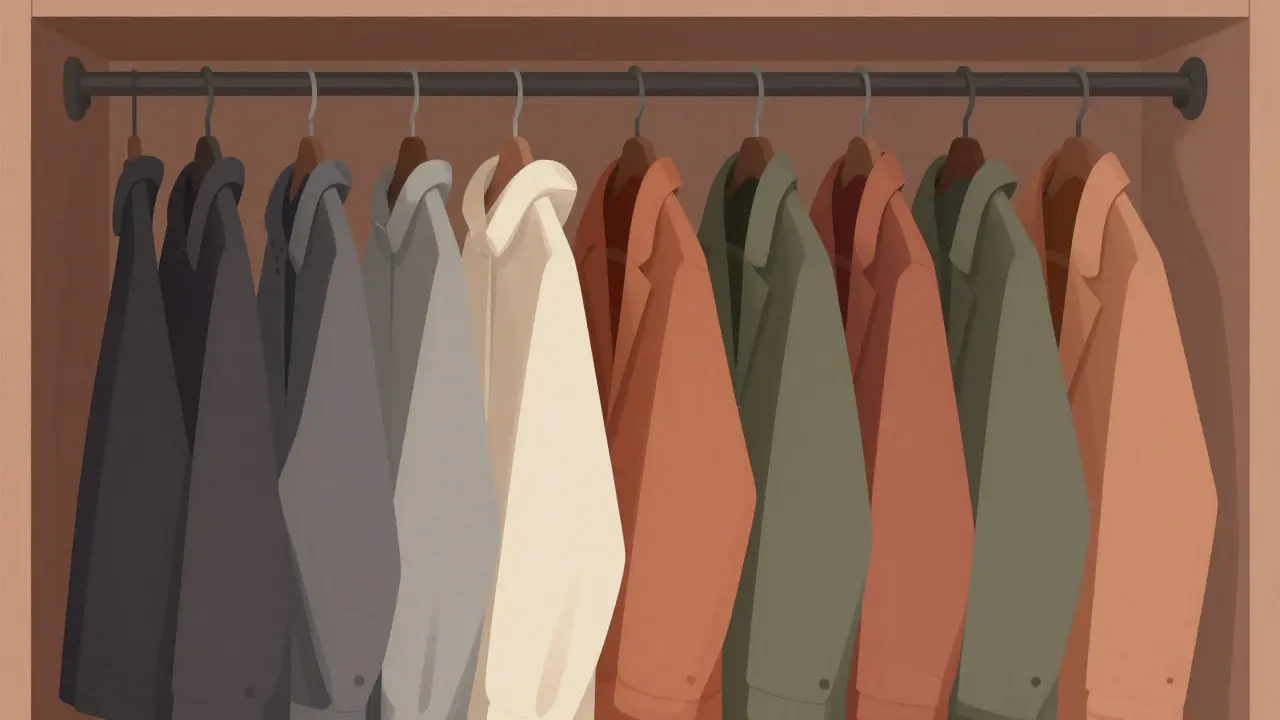
Once your newly dyed items are dry, place them back in your closet strategically. Group them by color family rather than by type. This visual organization reinforces the capsule wardrobe is a limited collection of versatile clothing items that can be mixed and matched to create multiple outfits. concept. If you dyed three tops to match your neutral base layer, you now have six possible top-and-bottom combinations instead of three. This multiplication effect is the true value of cohesive color planning. It simplifies decision-making and reduces the mental load of daily dressing. Over time, you will find yourself reaching for these coordinated pieces more often because they feel effortless to wear together.
Can I dye clothes at home without professional equipment?
Yes, absolutely. All you need is a large pot, a sink or bathtub, rubber gloves, and the appropriate dye kit. Many kits come with detailed instructions and fixatives. Just ensure you have enough space to stir the garment freely so the color applies evenly.
Will dyeing ruin my clothes?
If done correctly, no. Fiber-reactive dyes bond chemically with the fabric, strengthening the bond over time. However, using bleach to lighten colors or using the wrong dye for the fabric type can cause damage or uneven results. Always test on a hidden seam first if you are unsure.
How long does dyed clothing last?
Properly set fiber-reactive dyes can last the lifetime of the garment. They resist washing and drying better than traditional dyes. To maximize longevity, wash dyed items in cold water separately for the first three washes and avoid direct prolonged sunlight exposure when drying.
What is the best color for someone with cool undertones?
Cool undertones look best in crisp, clear, or soft cool colors. Think icy blues, pure whites, silver grays, and deep purples. Avoid orange-heavy reds or yellow-based greens, as these can make the skin look sallow or tired.
Is dyeing clothes expensive?
No, it is very cost-effective. A single bottle of fiber-reactive dye can dye several garments depending on the desired depth of color. Compared to buying new high-quality basics, the cost per item is a fraction of the retail price.