

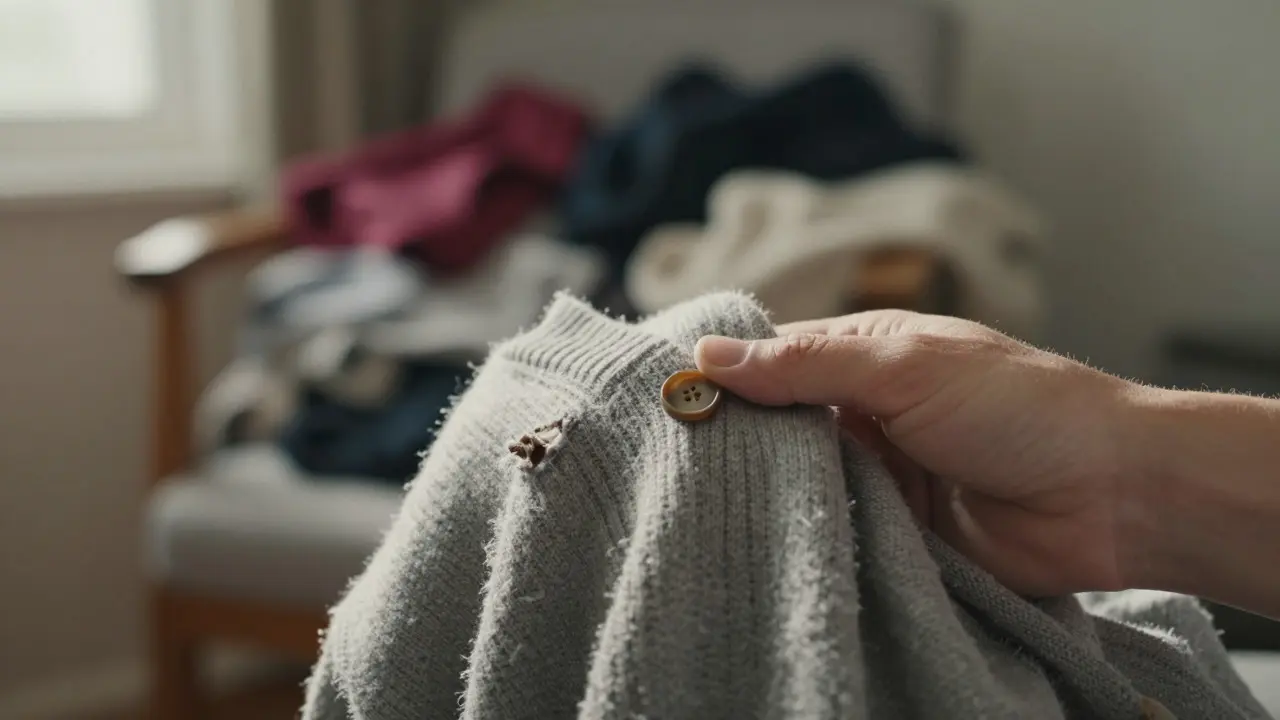
It starts with a button. You’re holding a sweater that hasn’t fit you in three years. The fabric is pilled, the color has faded, and logically, it belongs in the donation bin. But your hand freezes. That button reminds you of a winter trip to Chicago when you were twenty-two. You throw it back on the chair. The pile grows. The guilt sets in.
This isn’t just about clutter. It’s about identity. We don’t just wear clothes; we wear our memories, our past selves, and our aspirations. When you try to edit your wardrobe, you aren’t just sorting fabric-you’re negotiating with your own history. If you’ve ever felt paralyzed by the thought of letting go of a shirt or a pair of jeans, you are not alone. This emotional blockage is the number one reason people fail at maintaining a functional closet.
Key Takeaways
- Emotional attachment to clothing stems from memory triggers, identity shifts, and financial sunk costs, not just the item's utility.
- Use the Three-Box Method (Keep, Donate/Sell, Repurpose) to create physical boundaries during the sorting process.
- Practice "digital preservation" by photographing sentimental items before letting them go to keep the memory without the clutter.
- Schedule a "30-day trial separation" for uncertain items to test if they bring joy or stress after being out of sight.
- Focus on what fits your current life, not who you were five years ago or who you hope to become next month.
Why We Hold On: The Psychology of Sentimental Items
To manage the guilt, you first have to understand where it comes from. Psychologists often refer to this as "endowment bias"-we value things more simply because we own them. But with clothing, it goes deeper. Clothes act as external hard drives for our memories. A dress might not be stylish anymore, but it was the one you wore to your first big promotion. Keeping it feels like keeping the victory alive.
There is also the concept of the "potential self." You keep those skinny jeans from 2018 not because you wear them, but because they represent a version of yourself that was thinner, fitter, or perhaps just different. Letting them go feels like admitting defeat to that past self. Similarly, you might hold onto expensive coats you never wear because the price tag still haunts you. This is the "sunk cost fallacy" in action. You think, 'I paid $400 for this,' so throwing it away feels like burning money. In reality, keeping an unworn item is paying rent for a ghost.
Understanding these psychological hooks helps you detach. When you feel resistance, ask yourself: "Am I holding this for the object, or for the feeling?" If it’s the feeling, can you preserve that feeling without the physical bulk?
The Myth of "Just in Case" and Future Selves
One of the biggest traps in wardrobe editing is dressing for a hypothetical future. You keep formal suits for weddings that haven’t been invited yet. You keep heavy parkas for trips to places you may never visit. You keep trendy pieces hoping you’ll suddenly look good in them again.
Here is the hard truth: Your future self will likely have different tastes, different body shapes, and different needs. The clothes you buy today for "next summer" will likely be outdated by then. Fast fashion cycles move too quickly for long-term storage to make sense. Instead of curating a museum of potential outfits, curate a toolkit for your actual life.
If you work in an office, you need professional attire. If you work from home, you need comfort layers. If you live in Chicago, you need serious winter gear. Everything else is noise. Ask yourself: "Have I worn this in the last 12 months?" If the answer is no, and there is no specific, scheduled event coming up where you will definitely wear it, it probably doesn't belong in your primary rotation.
A Step-by-Step Guide to Editing Without Tears
You don’t need to do this all at once. In fact, doing it all at once is usually where the emotional breakdown happens. Break the process down into manageable chunks. Here is a practical workflow to help you move forward.
- Start Small: Don’t tackle the whole closet. Pick one drawer or one shelf. Maybe it’s your t-shirts. Master the emotion management on a small scale first.
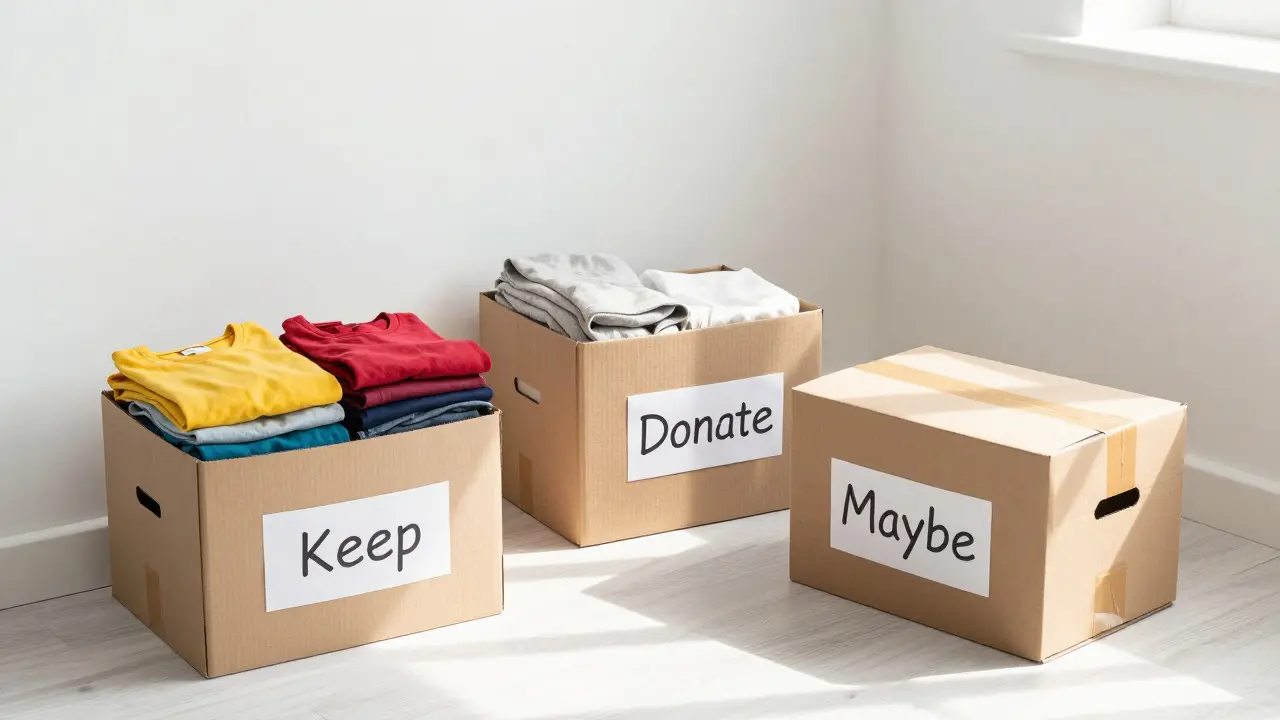
- The Three-Box Method: Set up three boxes or piles nearby. Label them clearly: "Keep," "Donate/Sell," and "Maybe." The "Maybe" box is crucial-it acts as a pressure valve for your anxiety.
- Handle One Item at a Time: Pick up an item. Put it on. Look in the mirror. Does it fit *now*? Do you love how it looks? If yes, Keep. If no, does it trigger a strong positive memory? If yes, consider the "Maybe" box or digital preservation. If it’s neutral or negative, Donate.
- Seal the Maybe Box: Tape the "Maybe" box shut and write today’s date on it. Store it out of sight-in the garage, under the bed, or in a closet corner. Give it 30 days.
- The Reveal: After 30 days, open the box. Most times, you won’t even remember half the items inside. If you didn’t miss them when they were gone, you don’t need them.
Preserving Memories Without the Clutter
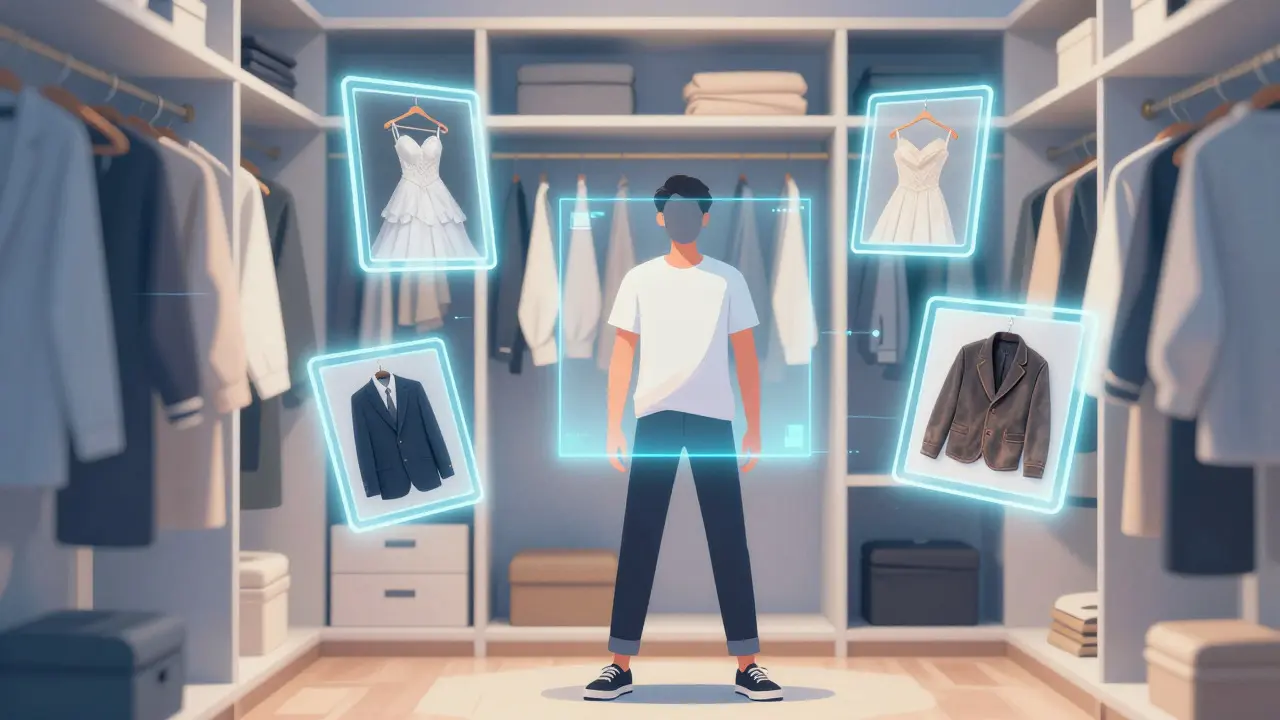
This is the game-changer for many people. You can keep the memory without keeping the garment. Technology makes this easier than ever. Before you donate that wedding dress, that college hoodie, or that vintage jacket, take high-quality photos of it.
Create a digital album called "Wardrobe Memories." Include notes about why the item was special. "This was my first job interview suit, 2015." "This scarf was a gift from Mom." Once the memory is digitized and contextualized, the physical object loses its power over you. You are no longer hoarding a piece of fabric; you are archiving a story. Stories take up zero square footage.
For truly irreplaceable heirlooms, consider repurposing. Can a baby quilt be turned into a pillowcase? Can a large family coat be tailored into a smaller vest? Upcycling allows you to keep the material close while adapting it to your current lifestyle. This bridges the gap between sentimentality and utility.
Dealing with Financial Guilt and Sunk Costs
Let’s talk about the expensive stuff. That designer bag you never use. The silk blouse that cost more than your weekly grocery budget. The guilt here is financial. You feel wasteful. But consider the alternative. Every dollar spent on a new outfit that brings you joy is an investment in your current happiness. Every dollar tied up in unworn inventory is dead capital.
If selling the item feels like reclaiming some of that value, list it on platforms like Poshmark, Depop, or ThredUp. There is a therapeutic satisfaction in recouping even 10% of the original cost. However, don’t let the hassle of listing keep the item in your house. If the effort to sell outweighs the potential return, donate it. Think of the donation receipt as a tax write-off and a mental health fee combined.
| Method | Best For | Pros | Cons |
|---|---|---|---|
| Donation | Good condition, low sentimental value | Quick, charitable impact, immediate space clearing | Loss of control over final destination |
| Selling Online | Designer brands, high resale value | Recoups money, extends product lifecycle | Time-consuming, requires photography/listing skills |
| Digital Archiving | High sentimental value, poor condition | Keeps memory, zero physical space used | Requires discipline to actually delete/donate after photo |
| Repurposing/Upcycling | Heirlooms, unique fabrics | Transforms object into usable item, honors origin | Requires sewing skills or tailor costs |
Building a Wardrobe That Fits Your Current Life
Once you’ve cleared out the emotional baggage, you’re left with a blank canvas. This is where the real benefit kicks in. A curated wardrobe saves time. When every item fits and reflects your current style, getting dressed takes minutes, not hours. You stop standing in front of a full closet saying, "I have nothing to wear."
Focus on quality over quantity. Invest in staples that mix and match. Neutral colors, comfortable fabrics, and classic cuts reduce decision fatigue. This approach aligns with sustainable fashion principles too. By buying less and choosing well, you reduce waste and support ethical manufacturing practices. Your wallet thanks you, and the planet benefits.
Remember, your wardrobe is a tool. It should serve you, not weigh you down. If an item serves no purpose other than to occupy space and trigger guilt, it has failed its job. Let it go. Make room for the clothes that celebrate who you are right now, in this moment, in this city, in this life.
How do I get rid of clothes that don't fit but I want to lose weight?
Put them in a "goal box" outside your bedroom. If you haven't worn them in six months, donate them. Keeping them in your daily view creates stress, not motivation. True motivation comes from healthy habits, not punishment via clothing size.
What should I do with clothes that are stained or damaged?
If they can be repaired easily, fix them. If not, check if local thrift stores accept damaged goods for rags. Otherwise, cut them into cleaning rags yourself. Textile waste is a major environmental issue, so avoid the trash bin if possible.
Is it okay to keep clothes for a specific upcoming event?
Yes, if the event is confirmed and within the next 6-12 months. Store these items separately from your daily rotation so they don't clutter your everyday choices. After the event, reassess whether to keep or donate.
How often should I edit my wardrobe?
Aim for seasonal edits. Spring and fall are natural transition points. This prevents buildup and ensures your closet always reflects your current climate and lifestyle needs.
What if I feel guilty donating good-condition clothes?
Shift your perspective. Clothes are meant to be worn. By donating, you're giving someone else the chance to enjoy that item. It completes the lifecycle of the garment responsibly. Consider it an act of kindness rather than waste.


Write a comment