

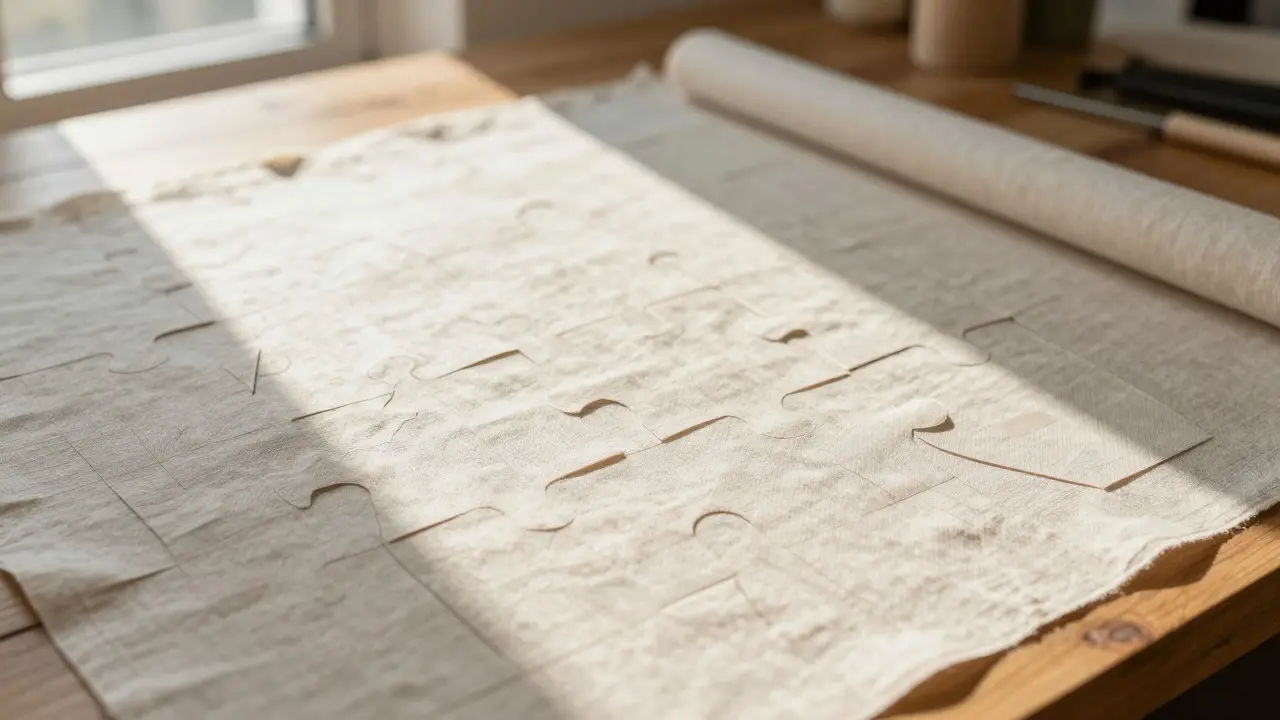
Think about the last time you bought a pair of jeans or a simple t-shirt. Now, think about what happened to the scraps left over after those garments were cut from bolts of fabric. In traditional garment manufacturing, roughly 15% to 20% of the original fabric ends up as waste before a single stitch is sewn. This isn't just an inefficiency; it's a massive environmental burden. Every year, millions of tons of textile offcuts end up in landfills or are incinerated, releasing greenhouse gases and wasting resources that took water, energy, and labor to produce.
This is where Zero-Waste Pattern Cutting is a design methodology where every inch of fabric is utilized, leaving no offcuts or waste during the cutting process. It challenges the fundamental way we’ve made clothes for decades. Instead of placing pattern pieces on fabric like puzzle pieces with gaps in between, zero-waste designers arrange patterns so they fit together perfectly, using 100% of the material. It’s not just about recycling scraps later; it’s about preventing waste at the source.
The Core Philosophy: From Linear to Circular
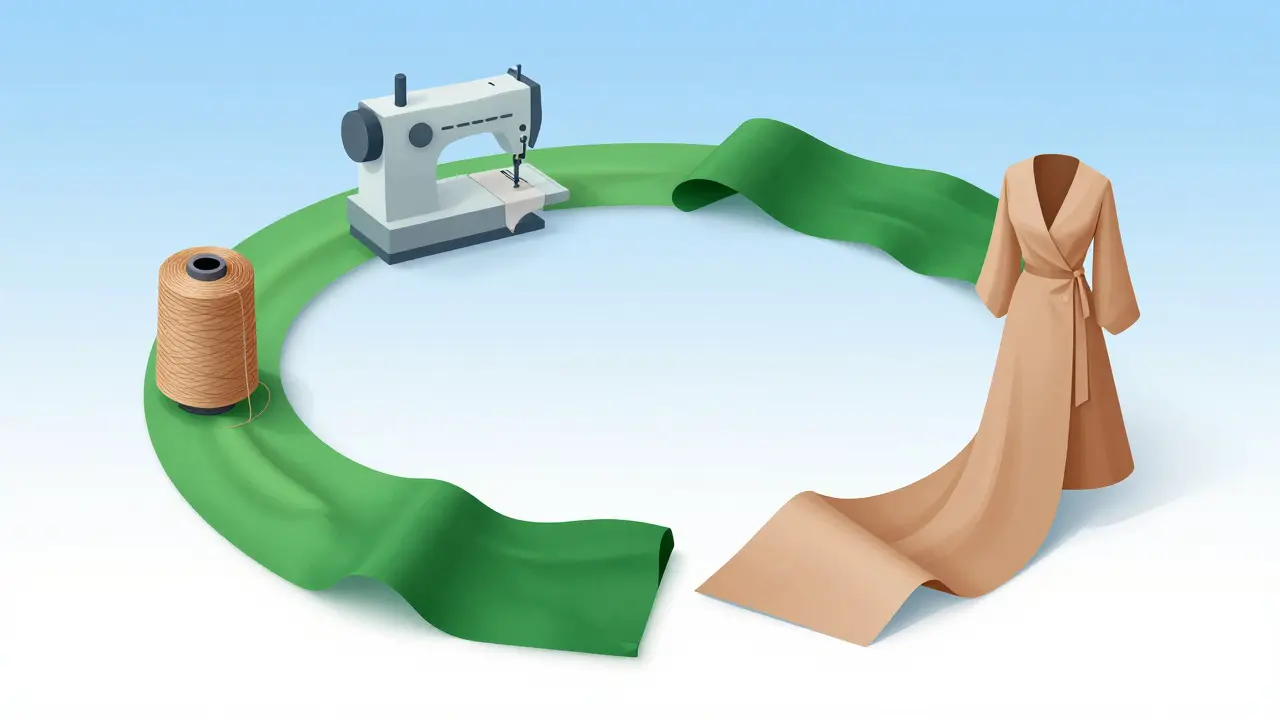
Traditional fashion follows a linear model: take raw materials, make a product, use it, and throw away the rest. Zero-waste design flips this script by embracing a Circular Economy is an economic system aimed at eliminating waste and the continual use of resources through sharing, leasing, reusing, repairing, refurbishing, and recycling. In this context, the "waste" is designed out entirely.
For a designer, this means constraints become creative fuel. You can’t just draw a shape and hope it fits. You have to engineer the garment. Think of it like origami rather than standard paper cutting. The fabric is folded, twisted, and arranged so that every edge meets another edge. There are no triangular scraps left behind. This approach requires a deep understanding of geometry and fabric behavior, but the result is often cleaner lines and more innovative silhouettes.
Why does this matter now? Because the fashion industry is under immense pressure to reduce its carbon footprint. While recycled polyester gets a lot of attention, reducing upfront waste is far more efficient. It saves water used in dyeing unused fabric, reduces chemical runoff, and lowers transportation emissions associated with moving waste to disposal sites.
Key Techniques in Zero-Waste Design
Achieving zero waste isn’t magic; it’s math and strategy. Several specific techniques allow designers to eliminate offcuts. Here are the most common approaches:
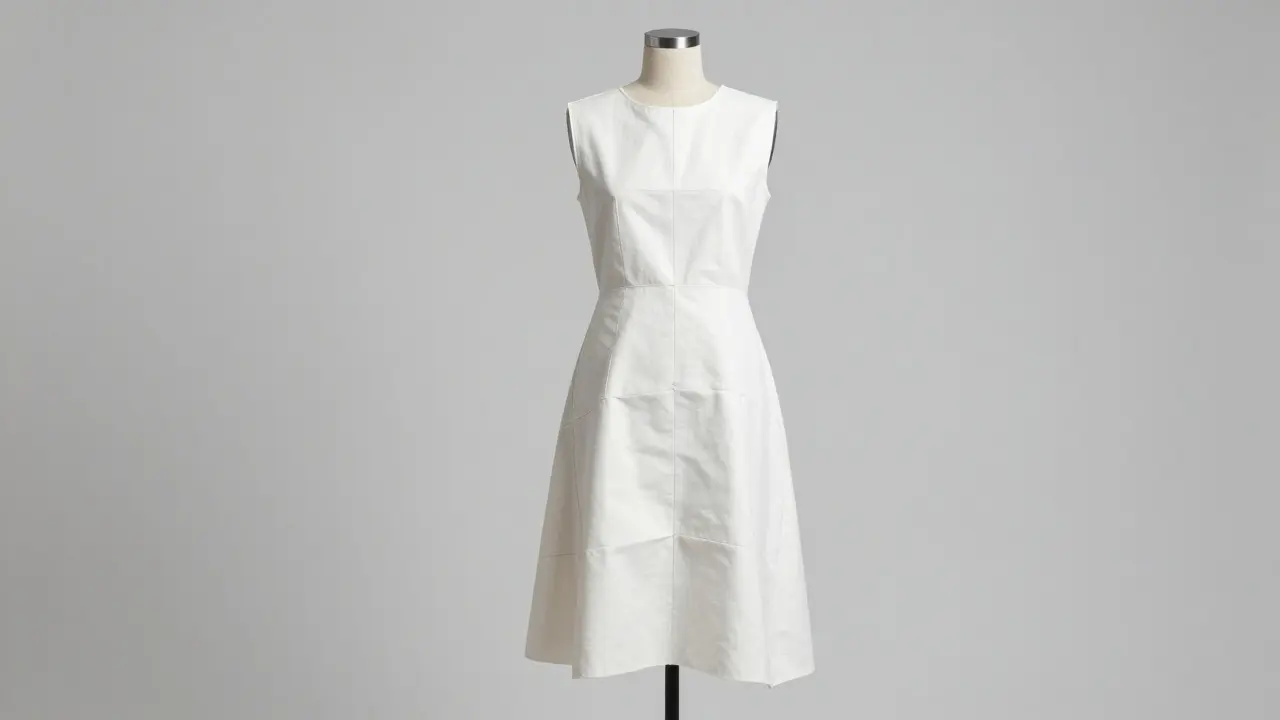
- Jigsaw Puzzle Layout: This is the most intuitive method. Pattern pieces are shaped like irregular jigsaw pieces that interlock perfectly. A sleeve might curve inward to fit into the negative space of a bodice. This requires precise drafting and often results in seams that follow unusual paths, which can be aesthetically pleasing.
- Modular Design: Garments are constructed from repeated geometric shapes, such as squares, rectangles, or triangles. By using a grid-based system, designers can ensure that when one piece is cut, the remaining fabric forms the next piece without gaps. This is highly scalable for mass production.
- On-Body Draping and Folding: Instead of flat pattern making, some designers drape fabric directly on a mannequin or body, folding and pinning until the desired shape is achieved. If the folds align with the grain line and edges meet, the resulting pattern uses all the fabric. This technique is heavily influenced by Japanese couture traditions.
- Continuous Length Cutting: Some designs use long, continuous strips of fabric that are wrapped or spiraled around the body. Since the fabric is never cut into separate pieces initially, there is virtually no waste. This creates fluid, bias-cut garments that move beautifully.
Each technique has its own aesthetic. Jigsaw layouts often create angular, structured looks. Modular designs tend to be minimalist and modern. Draping leads to organic, flowing forms. The choice depends on the brand’s identity and the target audience.
Challenges and Trade-offs
If zero-waste sounds perfect, why isn’t everyone doing it? The reality is complex. Transitioning to zero-waste patterns introduces significant challenges for manufacturers and brands.
Production Complexity: Standard factory lines are optimized for speed and simplicity. Zero-waste patterns often require more manual handling, specialized sewing techniques, and higher skill levels from workers. Seams may need to be reinforced differently, and assembly order changes. This can slow down production and increase labor costs.
Fabric Constraints: Not all fabrics work well with zero-waste methods. Stretchy knits, for example, can distort during the intricate folding and cutting processes. Designs often rely on woven fabrics with stable grain lines. This limits the types of garments that can be produced, making it harder to create casual wear like hoodies or leggings using pure zero-waste principles.
Sizing Limitations: Traditional sizing relies on grading-scaling a base pattern up or down. Zero-waste patterns are often fixed in their geometry. Scaling them while maintaining the perfect interlock of pieces is mathematically difficult. Many zero-waste brands offer limited size ranges or use modular components to accommodate different bodies, which can frustrate customers seeking inclusive sizing.
Cost Implications: Higher labor costs and smaller production runs mean zero-waste garments often come with a premium price tag. For consumers already feeling the pinch of inflation, paying $150 for a basic t-shirt because it’s zero-waste is a hard sell. Brands must balance ethical messaging with affordability.
| Factor | Traditional Manufacturing | Zero-Waste Manufacturing |
|---|---|---|
| Fabric Utilization | 80-85% | 100% |
| Labor Skill Level | Standardized, low-skill assembly | High-skill, specialized sewing |
| Production Speed | Fast, high-volume | Slower, batch-oriented |
| Design Flexibility | High (any shape possible) | Constrained by geometry |
| Environmental Impact | High upfront waste | Negligible cutting waste |
Real-World Examples and Innovations
Several pioneers have proven that zero-waste design is viable. Helen Yong is a British fashion designer and educator known for developing the 'jigsaw' zero-waste pattern cutting technique. Her work demonstrates how everyday garments like dresses and tops can be redesigned to use every inch of fabric without sacrificing style. She teaches these methods globally, showing that it’s a learnable skill, not just an artistic whim.
In Japan, Junya Watanabe is a renowned fashion designer who frequently incorporates zero-waste principles into his avant-garde collections. His approach blends high fashion with technical precision, creating garments that look deconstructed but are actually meticulously engineered to minimize waste. This proves that zero-waste doesn’t have to look rustic or handmade; it can be sleek and modern.
Technology is also playing a role. Software like CLO3D is a 3D fashion design software that allows designers to simulate fabric behavior and optimize pattern layouts digitally. These tools help designers visualize how patterns will interlock before cutting physical fabric, reducing trial-and-error waste. AI algorithms are beginning to suggest optimal layout configurations, making zero-waste design more accessible to smaller brands.
How Brands Can Adopt Zero-Waste Principles
You don’t need to overhaul your entire collection overnight. Start small. Here’s a practical roadmap for brands looking to integrate zero-waste practices:
- Audit Current Waste: Measure how much fabric is currently wasted per garment. Identify which styles have the highest offcut rates. This data helps prioritize which items to redesign first.
- Start with Simple Silhouettes: Choose basic items like skirts, shirts, or bags. These have fewer complex curves and are easier to adapt to jigsaw or modular layouts. Avoid starting with tailored suits or intricate evening gowns.
- Collaborate with Specialists: Partner with zero-waste pattern makers or consultants. Their expertise can save months of R&D time. Look for professionals trained in methods like Helen Yong’s or those experienced with 3D simulation software.
- Educate Your Supply Chain: Work with factories to train seamstresses on new assembly techniques. Provide clear instructions and prototypes. Ensure they understand the value proposition-it’s not just extra work; it’s part of the brand’s sustainability mission.
- Communicate Transparently: Tell customers exactly how much waste was saved. Use labels or tags that explain the zero-waste process. Consumers appreciate transparency and are more likely to pay a premium if they understand the impact.
Remember, perfection isn’t the goal immediately. Even reducing waste by 50% through partial zero-waste strategies is a significant step forward. Combine this with other sustainable practices like using organic cotton or recycled fibers to maximize impact.
The Future of Fabric Efficiency
As regulations tighten and consumer awareness grows, zero-waste design will likely shift from niche to mainstream. The European Union’s upcoming Ecodesign for Sustainable Products Regulation is a legislative framework aiming to make products more durable, repairable, and recyclable, including textiles could mandate waste reduction targets, forcing brands to innovate.
We’re also seeing hybrid models emerge. Some brands use zero-waste cutting for the main garment and then repurpose any minor offcuts into accessories like scrunchies or patches. This "near-zero" approach balances efficiency with flexibility. Meanwhile, advancements in digital printing allow for color matching across irregular pattern pieces, removing the constraint of directional prints that previously hindered zero-waste layouts.
Ultimately, zero-waste pattern cutting is more than a technical trick. It’s a mindset shift. It asks designers to respect the material, honor the craft, and rethink the relationship between form and function. In a world facing resource scarcity, this isn’t just good design-it’s necessary design.
What is zero-waste pattern cutting?
Zero-waste pattern cutting is a design technique where garment patterns are arranged on fabric so that every single inch is used, leaving no offcuts or scraps. It contrasts with traditional methods where 15-20% of fabric is wasted during cutting.
Is zero-waste fashion expensive?
Currently, yes. Zero-waste garments often cost more due to higher labor requirements, specialized skills, and smaller production runs. However, as technology improves and adoption grows, prices may decrease.
Can all types of clothing be made zero-waste?
Not easily. Woven fabrics like cotton or linen work best. Knits and stretchy materials are challenging due to distortion risks. Complex tailored items like suits are also difficult to adapt compared to simple dresses or shirts.
Who are the pioneers of zero-waste fashion?
Key figures include Helen Yong, who developed the jigsaw pattern method, and Junya Watanabe, who integrates zero-waste principles into high fashion. Other notable names include Timo Rissanen and Holly McQuillan.
How does zero-waste differ from upcycling?
Upcycling repurposes existing waste or old garments into new products. Zero-waste prevents waste from happening in the first place by designing garments that use 100% of the raw fabric. Prevention is generally more efficient than remediation.
What software helps with zero-waste design?
Software like CLO3D, Browzwear, and Optitex allows designers to simulate fabric behavior and optimize pattern layouts digitally. AI-driven tools are emerging to suggest efficient nesting arrangements for pattern pieces.


Write a comment