

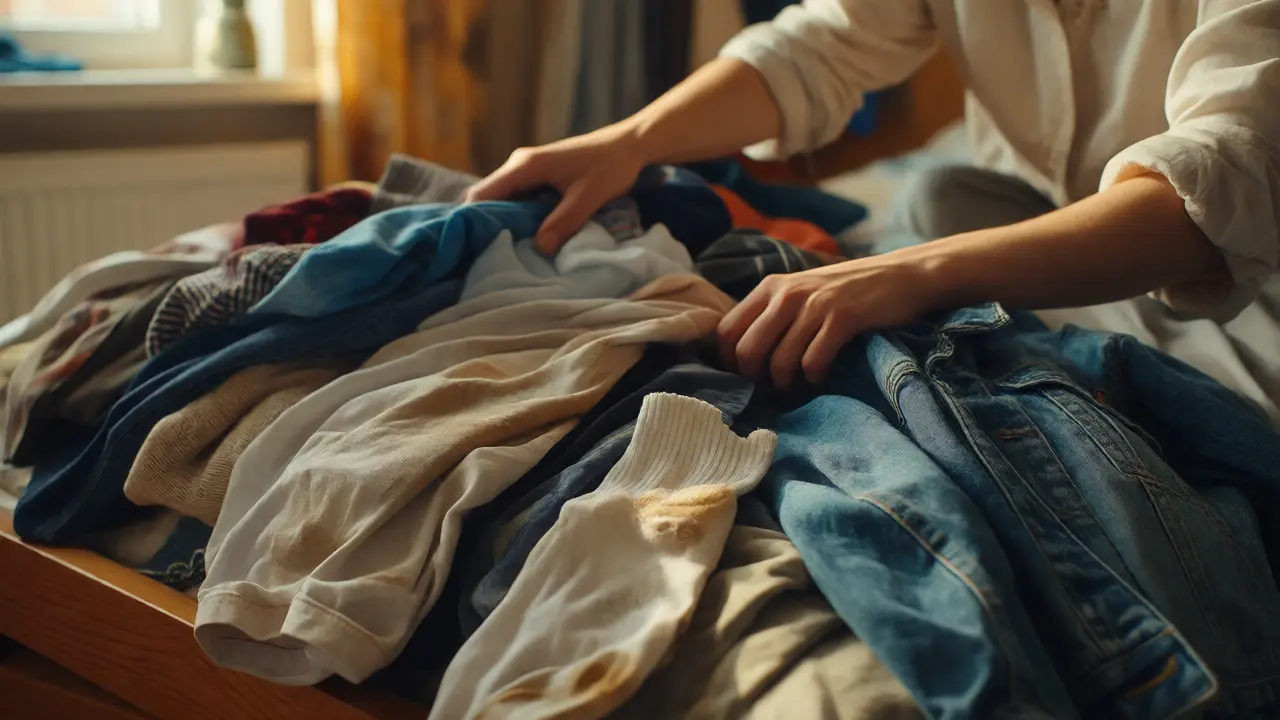
You stare at the pile on your bed. It’s not just laundry; it’s a graveyard of trends past, items that no longer fit, or pieces you simply outgrew. The guilt is real. You know throwing them in the trash feels wrong, but donating everything to Goodwill isn’t always the fix you think it is. In fact, most donated clothes don’t get sold. They end up in landfills or shipped overseas, creating waste problems elsewhere. So, what do you actually do with clothes that have reached their end-of-life? This guide breaks down how to navigate the messy reality of responsible clothing disposal, ensuring your old threads find a second life instead of a quick death.
The Myth of "Just Donate It"
We’ve been told for decades that if you don’t want it, someone else will. But the economics of charity retail have shifted dramatically. According to data from the Council for Textile Recycling, roughly 85% of textiles end up in landfills annually. Why? Because thrift stores are overwhelmed. They receive far more inventory than they can sell. When a store like Goodwill or Salvation Army receives a bag of stained t-shirts or fast-fashion polyester blends that won’t last a season, they often bale them up and sell them by the pound to textile recyclers or export markets.
This doesn’t mean stop donating. It means being smarter about it. If an item has holes, stains that won’t come out, or thinning fabric, it’s likely not retail-ready. Donating these items clogs the system. Instead, look for programs specifically designed for non-resaleable textiles. Many brands now offer take-back schemes where they accept worn-out items from any brand, turning them into insulation or new fibers. This distinction between "donate for resale" and "recycle for material recovery" is the first step toward true responsibility.
Assessing Your Wardrobe’s Life Stage
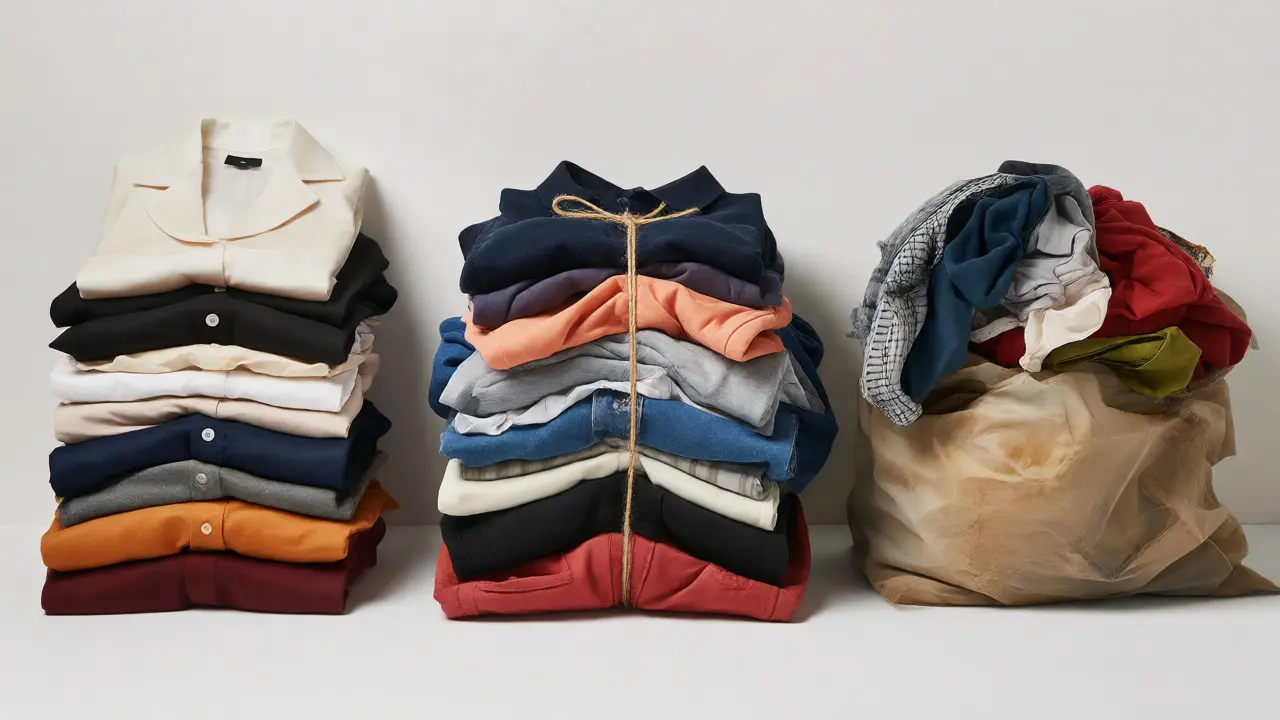
Before you grab a garbage bag, sort your pile into three distinct categories. This triage method saves time and ensures each item goes to its best destination.
- Resale-Ready: These are items in good condition, clean, with no major flaws. Think designer jeans, vintage band tees, or high-quality coats. These belong in consignment shops, online platforms like Poshmark or Depop, or local charity bins.
- Wearable but Worn: Items that are clean but show signs of age-faded colors, minor pilling, or small repairs needed. These are perfect for donation to shelters, refugee aid organizations, or community clothing drives that distribute directly to people in need rather than selling for profit.
- Fiber Recovery: Anything stained, torn beyond repair, or made of mixed materials that are hard to recycle. This includes underwear, socks, and heavily worn activewear. These need specialized recycling streams.
By categorizing this way, you stop treating all old clothes as identical. A cashmere sweater with a moth hole is different from a polyester sports bra. Treating them differently maximizes their value and minimizes waste.
Where to Send Non-Resaleable Textiles
If your item falls into the "Fiber Recovery" bucket, where does it go? Traditional curbside recycling rarely accepts textiles. You need specific drop-off points or mail-in programs. Here are some reliable options available in many US cities as of 2026:
| Option | Best For | Cost | Impact |
|---|---|---|---|
| H&M Garment Collection | Any brand, any condition | Free (often offers discount coupon) | Recycling partner varies; transparency improving |
| For Days Take Back Box | Old undies, socks, worn basics | $15 per box (includes credit) | High quality closed-loop recycling |
| Terracycle Zero Waste Boxes | Specific brands (e.g., Patagonia, Nike) | Paid subscription or one-time fee | Specialized processing for difficult materials |
| Local Textile Banks | Bulk donations, mixed conditions | Free | Sells to graders who sort for export vs. domestic recycling |
Note that H&M’s program, while popular, has faced scrutiny over greenwashing. However, they remain one of the few accessible physical drop-offs for mixed-condition items. For higher accountability, consider paid services like For Days, which explicitly state that items are shredded and respun into new fiber. It costs money, but you’re paying for the infrastructure that keeps your cotton tee out of a landfill.
The Rise of Digital Resale Platforms
For those items that still have life left, selling them is often better than donating. When you donate, you lose control over where the item goes. When you sell, you extend the garment’s active use phase. Platforms like ThredUp, Poshmark, and eBay have matured significantly. In 2026, the secondary market accounts for nearly 10% of the global apparel industry.
Selling takes effort. You need photos, measurements, and honest descriptions. But the financial return can offset the cost of buying new sustainable pieces. Plus, knowing someone actually wants your item changes your relationship with consumption. You start buying less because you see the residual value in what you own. It’s a psychological shift that supports the circular economy more effectively than passive donation ever could.
Care Extends Life: Prevention Over Cure
The best way to manage end-of-life is to delay it. Most clothes die young due to poor care, not actual wear. Washing too hot, drying too long, and using harsh detergents break down fibers faster than wearing them does.
Switch to cold water washes. Air dry whenever possible. Use microfiber-catching laundry bags like Guppyfriend for synthetics to prevent plastic pollution during washing. Repair small tears immediately. A $2 patch job can add two years to a pair of jeans. By extending the lifespan of your garments by just nine months, you reduce your carbon footprint by around 20-30%, according to WRAP (Waste and Resources Action Programme) studies.
Composting Natural Fibers
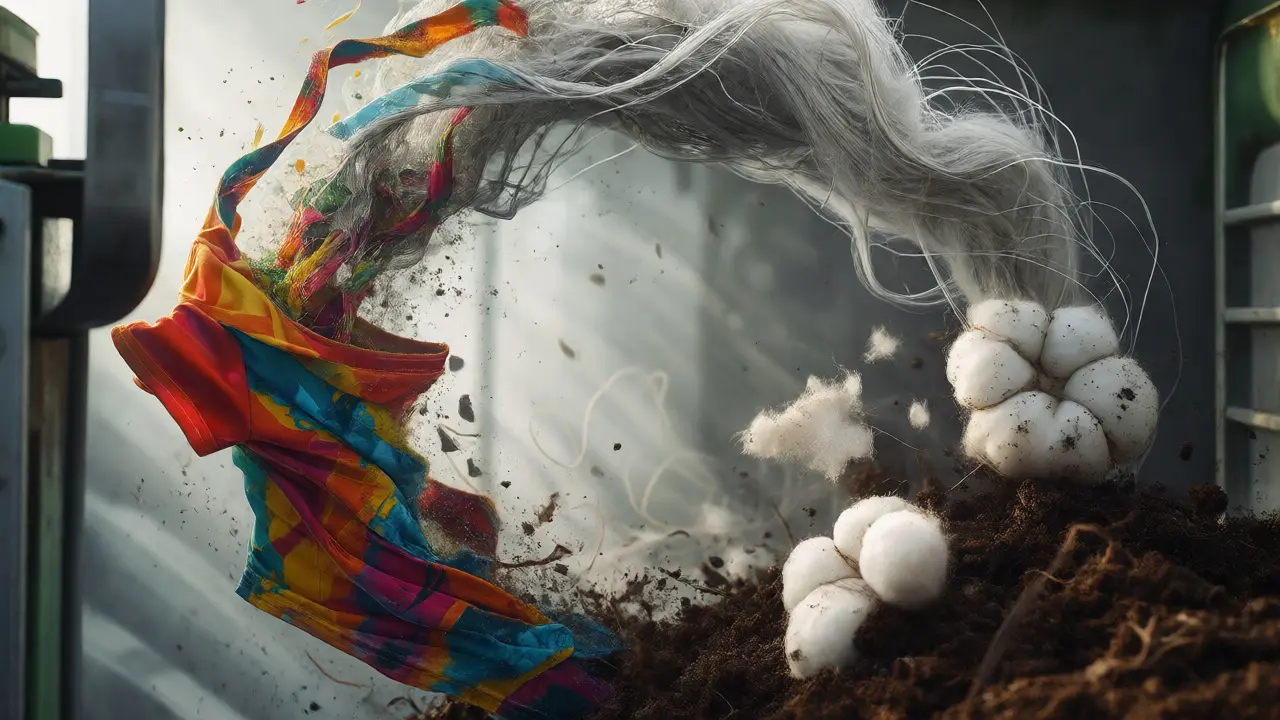
Yes, you can compost some clothes. But only if they are 100% natural fibers like cotton, linen, wool, or hemp. No synthetic blends. No zippers, buttons, or tags unless removed. Cut the fabric into small strips to speed up decomposition. Add them to your home compost bin or municipal green waste if allowed. This returns nutrients to the soil, closing the loop completely. Just remember: dyed fabrics might contain chemicals, so stick to organic or undyed items for food-growing composts.
Can I put clothes in regular curbside recycling?
Generally, no. Most municipal recycling facilities cannot process textiles. They jam sorting machines and contaminate paper and cardboard streams. Always check your local guidelines, but assume you need a separate drop-off point or mail-in service for clothes.
What happens to clothes donated to Goodwill that don't sell?
Unsold items are typically baled and sold to textile recyclers or exporters. Some go to industrial wiping cloths, others are downcycled into insulation or carpet padding. A portion is exported to developing nations, though this practice is increasingly debated due to impacts on local textile industries.
Is it better to donate or recycle stained clothes?
It depends on the stain and fabric. If the stain is removable and the fabric is sturdy, try cleaning and donating. If the fabric is degraded or the stain is permanent (like bleach), recycling is better. Donating damaged goods often creates extra labor for volunteers without generating revenue.
How do I recycle bras and underwear?
Bras and underwear are tricky due to mixed materials (elastane, lace, foam). Services like For Days or specific Terracycle boxes are ideal. Some lingerie brands like Parade or ThirdLove also run take-back programs. Do not throw them in standard textile bins unless specified.
Does donating clothes hurt local economies?
Exporting large volumes of used clothes can undercut local tailors and manufacturers in receiving countries. However, domestic recycling and resale support local jobs in sorting, logistics, and retail. Supporting local resale platforms helps keep economic benefits within your community.