

You love the look of a sleek watch or a chunky necklace, but you hate the guilt trip that comes with checking the tag. Did someone suffer to make this? Is it going to fall apart in three months? You’re not alone. The shift toward sustainable accessories isn’t just a trend; it’s a necessary correction to an industry that has long prioritized speed over substance. But here is the catch: "sustainable" is a marketing buzzword that gets slapped on everything from plastic sandals to fast-fashion tote bags. How do you actually find pieces that are genuinely ethical and durable?
We need to cut through the noise. This guide breaks down exactly what makes jewelry and leather alternatives truly sustainable. We will look at materials, manufacturing ethics, and how to spot greenwashing before you open your wallet. If you want to build an accessory collection that looks good and feels right, keep reading.
The Real Cost of Traditional Accessories
Before we talk about solutions, let’s look at the problem. Traditional jewelry often involves mining for gold, silver, or gemstones. This process is brutal on the environment. It requires massive amounts of water, uses toxic chemicals like cyanide and mercury, and leaves behind huge piles of waste rock. For every single gold ring, miners might move hundreds of tons of earth. That is a heavy footprint for something you wear on one finger.
Then there is the human cost. In many parts of the world, artisanal mining happens without safety gear or fair wages. Children sometimes work in these mines. When you buy a cheap gold-plated chain from a fast-fashion brand, you rarely know where those metals came from. The supply chain is often opaque, meaning no one knows who touched the metal before it reached the store shelf.
Leather goods have their own set of issues. Cattle farming drives deforestation, particularly in the Amazon. Tanning hides usually involves chromium salts, which can contaminate local water supplies if not managed correctly. Plus, the durability of cheap leather is often poor, leading to more waste when straps snap or buckles rust within a year.
Ethical Jewelry: What Actually Counts?
So, what does ethical jewelry look like? It starts with the source of the materials. You want to look for specific certifications and practices rather than vague promises.
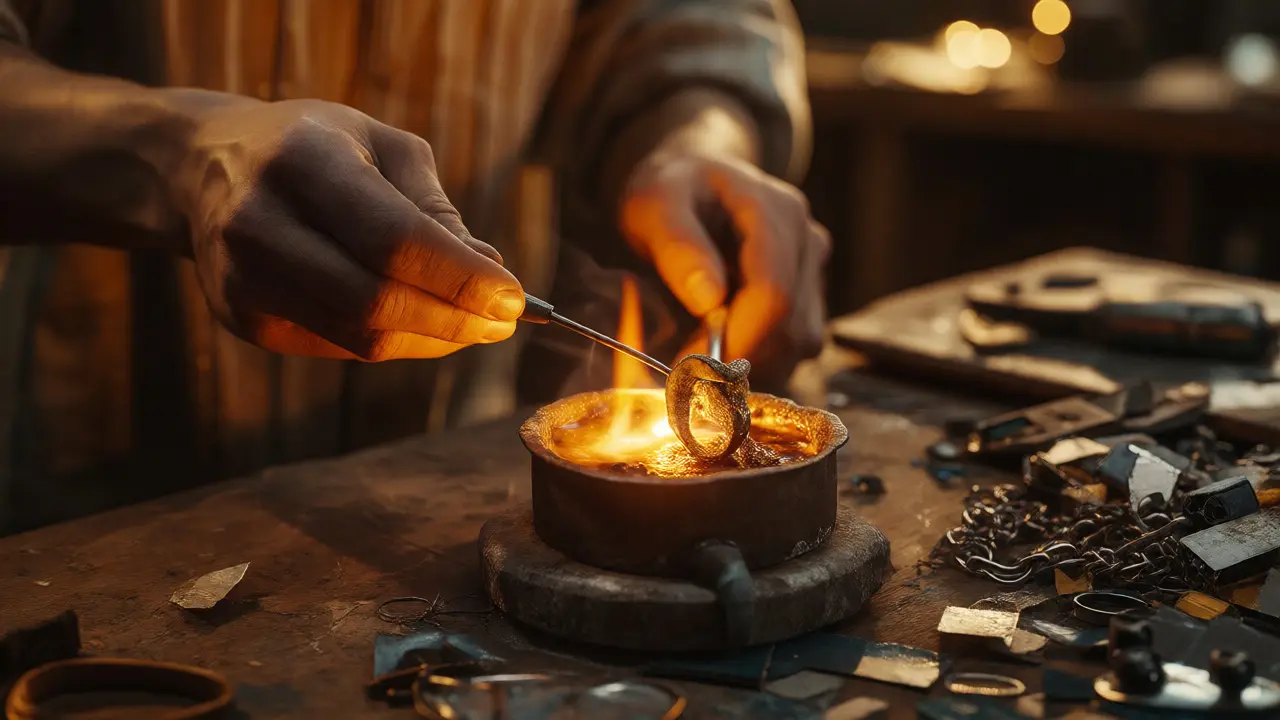
Recycled Metals are a top-tier choice. Using recycled gold or silver reduces the need for new mining by up to 99% compared to virgin extraction. Brands that use recycled precious metals melt down existing jewelry, electronics, or industrial scrap to create new pieces. This keeps the environmental impact low while maintaining the quality and value of the metal.
Fairmined certification is another gold standard (pun intended). The Fairmined label ensures that the gold was extracted with respect for human rights and community development. Miners get a premium price, and strict environmental standards protect the local ecosystem. If a brand claims their gold is ethical but doesn’t show proof like Fairmined or Fairtrade, ask them for details. If they hesitate, walk away.
Gemstones require even more scrutiny. Conflict diamonds are well-known, but colored stones like emeralds or sapphires can also come from questionable sources. Look for brands that offer traceability. Some companies now use blockchain technology to track a stone’s journey from mine to market. Others focus on lab-grown gems. Lab-grown diamonds and moissanite have the same chemical composition as mined stones but are created in controlled environments. They avoid the social and environmental toll of mining entirely.
| Material Type | Environmental Impact | Social Ethics | Durability |
|---|---|---|---|
| Virgin Mined Gold | High (water use, toxicity) | Variable (often poor labor conditions) | High |
| Recycled Gold/Silver | Low (no new mining) | Neutral | High |
| Lab-Grown Diamonds | Moderate (energy intensive) | High (safe working conditions) | Very High |
| Plated Base Metals | Low initially, high waste | Often unregulated | Low (tarnishes quickly) |
Vegan Leather: Beyond the Plastic Myth
Vegan leather used to mean one thing: polyurethane (PU) or polyvinyl chloride (PVC). These are essentially plastics coated onto fabric. While they spare animals, they don’t always help the planet. PVC production releases dioxins, and microplastics shed when you wear or wash these items. So, is all vegan leather bad? No. The category has evolved significantly.
Today, the best options are plant-based leathers made from agricultural waste. Piñatex, derived from pineapple leaf fibers, is a standout example. It utilizes leaves left over after harvest, adding income for farmers without requiring extra land or water. Another popular option is mushroom leather, such as Mylo, which grows from mycelium networks. These materials are biodegradable and compostable under the right conditions, unlike synthetic plastics.
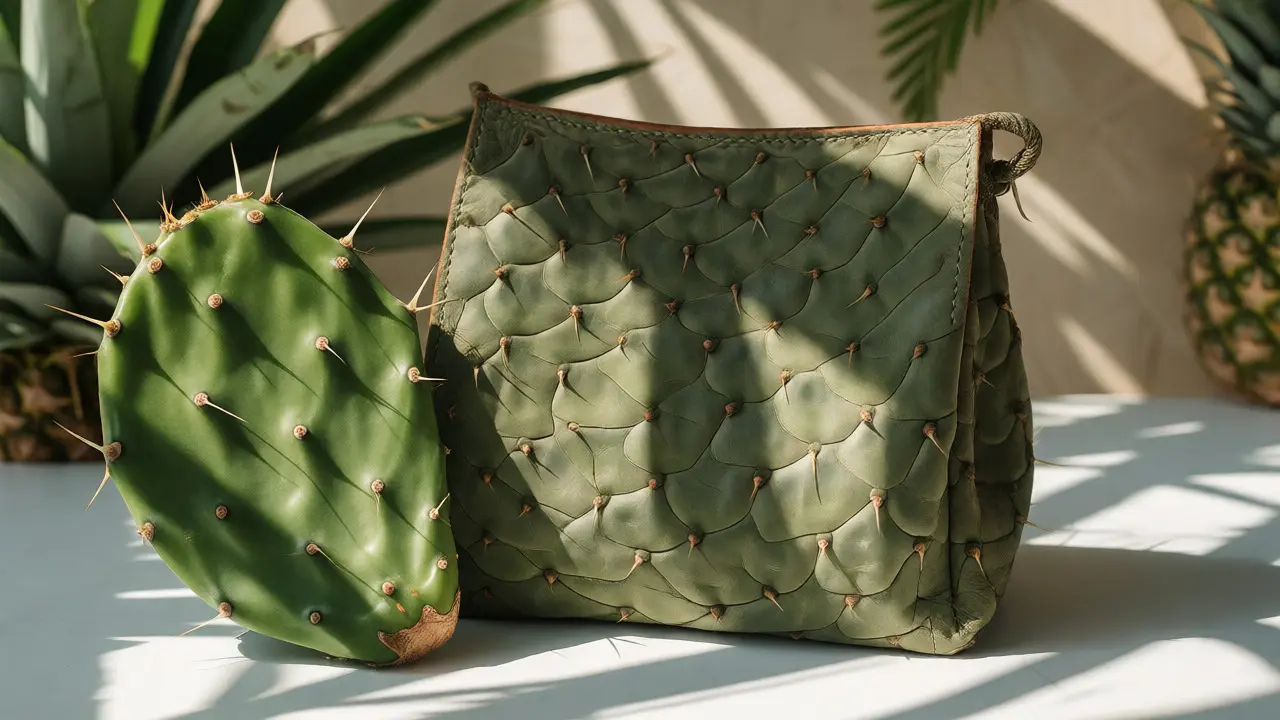
Cactus leather, known as Desserto, is another strong contender. It uses nopal cactus plants, which require very little water and absorb CO2 during growth. The resulting material is durable, flexible, and has a texture surprisingly close to animal hide. Apple leather uses waste from the juice industry, turning skins and cores into a usable fiber.
When shopping for vegan leather, check the backing. Many "eco" leathers still use a polyester or PU coating to hold the plant fibers together. This reduces their biodegradability. Look for brands that specify the percentage of bio-content versus synthetic binders. Ideally, you want a product that is at least 50-70% natural material, though fully natural binders are still emerging.
Spotting Greenwashing in Accessory Marketing
Brands know you care about sustainability. They use words like "eco-friendly," "green," and "conscious" loosely. Here is how to tell if a claim holds water.
- Vague Claims: If a site says "made with love and nature" but gives no data on materials or factories, be skeptical. Specificity equals credibility.
- Missing Certifications: Reputable sustainable brands display logos like GOTS (Global Organic Textile Standard), B Corp, or Fair Trade. If they lack these, ask why.
- Price Discrepancies: True sustainability costs more. If a handbag made of "cactus leather" costs $15, it’s likely mostly plastic. Ethical labor and quality materials command higher prices.
- Lack of Transparency: Can you see the factory? Do they name their suppliers? Brands hiding their supply chain often have something to hide.
A quick test: Check the "About Us" page. Does it talk about people and processes, or just aesthetics? Good brands share stories about their artisans and material sourcing. They admit where they are struggling, too. Perfection is rare; progress is real.

Building Your Capsule Accessory Kit
You don’t need fifty pairs of earrings. You need a few high-quality pieces that last. Start with the basics. A simple gold hoop made from recycled 14k gold covers most casual and formal occasions. Add a delicate chain necklace for layering. For watches, consider brands using solar-powered movements or mechanical mechanisms that don’t rely on disposable batteries.
For bags, choose one versatile crossbody and one structured tote. Ensure both are made from certified vegan leather or high-quality recycled canvas. Avoid trends that scream "this season only." Classic shapes stay in style longer, reducing the urge to replace them.
Care matters as much as buying. Clean your jewelry regularly with mild soap and water. Store vegan leather away from direct sunlight to prevent cracking. Condition plant-based leathers occasionally with products designed for synthetics or plant fibers, not traditional animal-hide creams. Proper maintenance doubles the lifespan of your items, which is the ultimate form of sustainability.
Where to Buy Without Compromising Values
Shopping for ethical accessories can feel overwhelming because the market is fragmented. However, certain platforms curate better than others. Dedicated marketplaces like Wolf & Badger or specialized boutiques often vet their sellers for ethical compliance. Major retailers are improving, too, but you must filter carefully.
Consider second-hand markets. Buying vintage jewelry or pre-loved designer bags is arguably the most sustainable option since it requires no new resources. Platforms like Vestiaire Collective or The RealReal authenticate items, giving you confidence in quality. Just ensure the seller provides clear photos of any wear or tear.
If you prefer new items, support small businesses. Many independent jewelers and leatherworkers operate locally. They often have shorter supply chains and can answer questions directly via email or Instagram DMs. Building a relationship with a maker allows you to request custom pieces using specific recycled materials, ensuring your purchase aligns perfectly with your values.
Is vegan leather always better for the environment than real leather?
Not necessarily. Traditional vegan leather (PU/PVC) is plastic-based and sheds microplastics. Plant-based vegan leathers (like Piñatex or cactus) are generally better due to lower carbon footprints and biodegradability. However, some sustainably tanned animal leathers (vegetable-tanned) are durable and biodegradable, making them comparable to high-end plant-based options. The key is choosing durable materials that last, regardless of origin.
What is the difference between recycled gold and Fairmined gold?
Recycled gold reuses existing metal, avoiding new mining impacts. Fairmined gold is newly mined but adheres to strict social and environmental standards, supporting artisanal miners and protecting ecosystems. Both are excellent choices, but they address different problems: recycling reduces extraction demand, while Fairmined improves current mining practices.
How do I clean recycled silver jewelry?
Use a soft cloth and warm soapy water. For tarnish, use a silver polishing cloth specifically designed for sterling silver. Avoid harsh chemicals or ultrasonic cleaners unless specified by the manufacturer, as some ethical plating methods may be sensitive to aggressive cleaning agents.
Are lab-grown diamonds ethically superior to mined diamonds?
Generally, yes. Lab-grown diamonds eliminate the risks of conflict financing and poor labor conditions associated with some mined diamonds. They also have a smaller environmental footprint regarding land disruption. However, they require significant energy for creation, so look for producers using renewable energy sources to maximize their eco-benefits.
Does "handmade" automatically mean ethical?
No. Handmade items can still use unethical materials or involve exploited labor if the maker is part of a larger, opaque supply chain. Always verify the source of the raw materials and the working conditions of the artisans. Direct communication with the creator is the best way to confirm ethical practices.


Write a comment