

You know that feeling when you buy a $15 t-shirt from a fast-fashion giant, wear it twice, and then watch it shrink into a doll’s outfit in the wash? It is frustrating. You spent money, but you got nothing lasting. We have all been there. The allure of cheap prices is strong, especially when your closet feels empty before a big event. But the hidden cost-both to your wallet over time and to the planet-is real.
Here is the good news: you do not have to choose between a bankrupt bank account and a guilt-ridden conscience. There is a sweet spot. Mid-range retailers are stepping up as the best fast fashion alternatives. These brands offer better fabric quality, ethical labor practices, and styles that last more than one season, without charging luxury boutique prices. If you live in a city like Chicago, where seasons change drastically and durability matters, this shift is even more critical. Let’s look at how to find these brands and which ones actually deliver on their promises.
The True Cost of Cheap Clothing
Why are we so obsessed with low prices? Fast fashion relies on a model called "planned obsolescence." Clothes are designed to fall apart or go out of style quickly so you buy more. According to the Ellen MacArthur Foundation, the average consumer wears an item only seven times before discarding it. That is a massive waste of resources.
When you buy a $20 dress, you are paying for speed, not substance. The fabric is often thin polyester that traps sweat and smells bad after one wear. The seams unravel because they were stitched by underpaid workers rushing to meet impossible deadlines. This isn't just about aesthetics; it's about value. A $60 shirt that lasts three years costs less per wear than a $15 shirt you replace every six months.
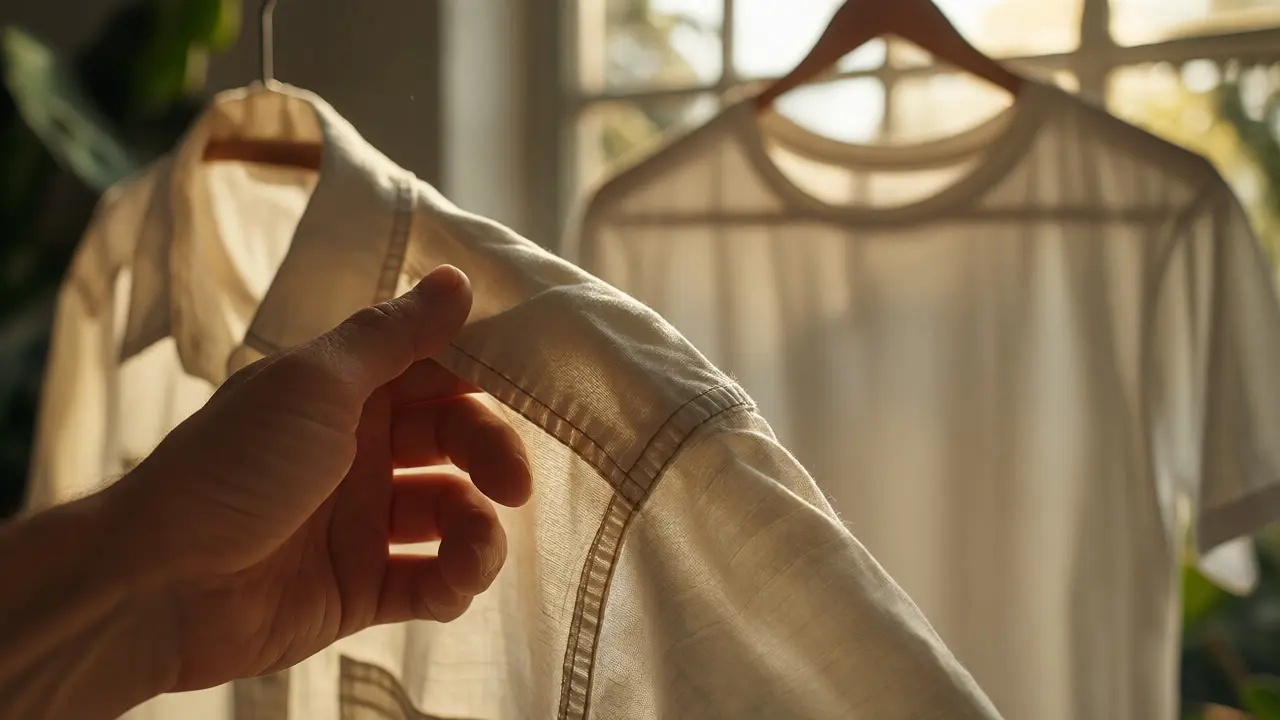
Quality is the first major differentiator. Mid-range brands use natural fibers like cotton, linen, wool, or high-quality blends. They invest in construction details-like reinforced stitching and proper lining-that keep clothes looking new longer. When you touch the fabric, you feel the difference immediately. It has weight. It breathes. It doesn’t feel like plastic.
What Defines a True Mid-Range Alternative?
Not every brand claiming to be "ethical" is worth your time. Some engage in greenwashing-using buzzwords like "eco-friendly" without backing them up with data. To identify genuine sustainable clothing options in the mid-range sector, look for specific attributes:
- Transparency: Does the brand list its factories? Do they disclose who made your clothes? Brands like Everlane built their reputation on radical transparency.
- Material Sourcing: Look for certifications like GOTS (Global Organic Textile Standard) or OEKO-TEX. These prove the materials are safe and sustainably grown.
- Labor Practices: Fair Trade certification ensures workers receive living wages and work in safe conditions.
- Design Longevity: Are the styles trendy for one month, or classic enough to wear for years? Slow fashion focuses on timeless pieces.
Price point is another clue. While definitions vary, mid-range usually falls between $50 and $200 for core items like jeans, jackets, or dresses. This bracket allows manufacturers to pay fair wages and use better materials while keeping the product accessible to middle-income shoppers.
Top Mid-Range Retailers Worth Your Attention
If you are ready to swap out your fast-fashion hauls, here are some retailers that consistently balance quality, ethics, and price. These aren't the only options, but they are strong starting points for building a capsule wardrobe.
| Brand | Best For | Price Range | Sustainability Focus |
|---|---|---|---|
| Everlane | Basics, denim, office wear | $40 - $150 | Radical transparency, recycled materials |
| Reformation | Dresses, occasion wear | $80 - $300 | Deadstock fabrics, carbon-neutral shipping |
| Patagonia | Outdoor gear, casual wear | $60 - $250 | Repair program, regenerative agriculture |
| Eileen Fisher | Professional, minimalist style | $100 - $400 | Organic fibers, take-back recycling program |
| Quince | Luxury basics at lower cost | $20 - $100 | Direct-to-consumer model, cashmere sourcing |
Everlane remains a go-to for many because they break down the true cost of each item. You see exactly how much goes to materials, labor, and transport. Their organic cotton tees and clean denim hold up well through multiple washes.
Reformation targets those who want to look chic without harming the planet. They use deadstock fabrics-leftover material from other fashion houses-which prevents waste. Their sizing is inclusive, and their styles are distinctly feminine and modern.
For outdoor enthusiasts, Patagonia sets the gold standard. Their Worn Wear program lets you buy used gear or trade in old items. This circular economy approach reduces demand for new production significantly.
How to Shop Smartly on a Budget
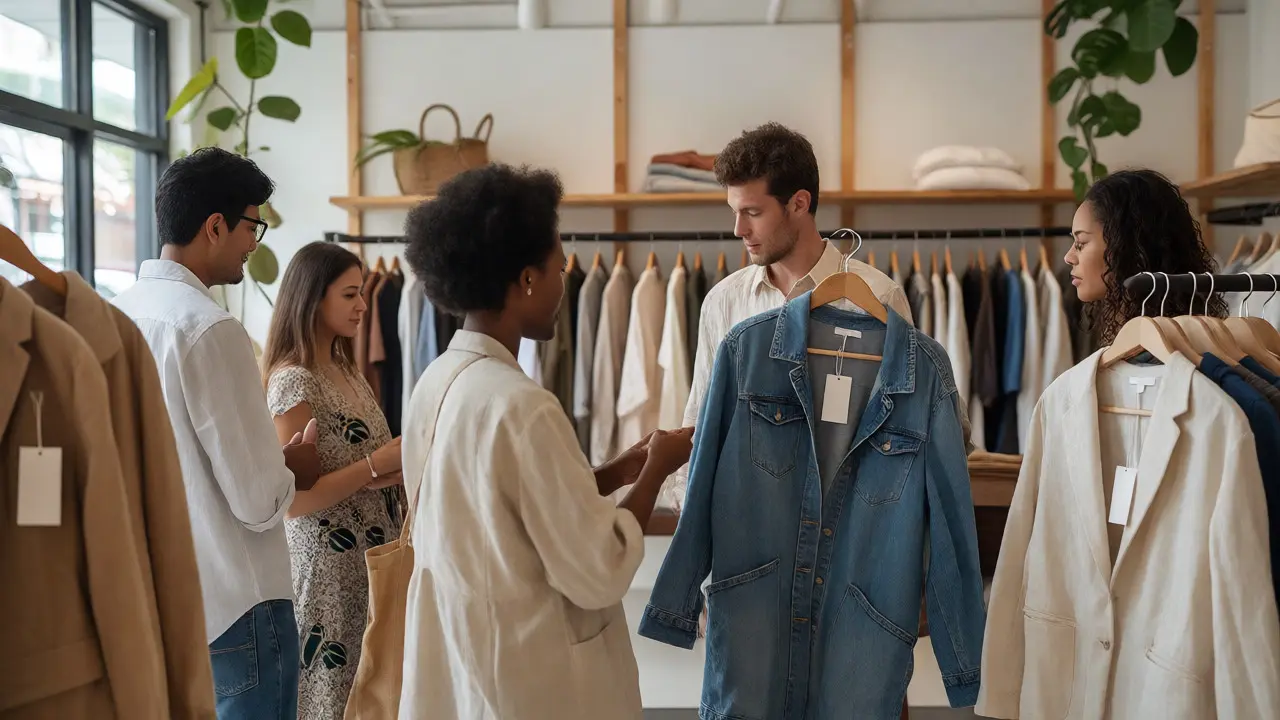
Switching to mid-range brands might mean buying fewer items. That is the point. Here is how to make the transition smooth without shocking your budget.
- Audit Your Closet: Before buying anything new, look at what you already own. What do you actually wear? What fits poorly? Identify gaps rather than wants.
- Calculate Cost Per Wear: Divide the price of an item by how many times you expect to wear it. A $100 coat worn 100 times costs $1 per wear. A $30 coat worn 10 times costs $3 per wear. The expensive option is often cheaper.
- Wait for Sales: Mid-range brands have sales too. Sign up for newsletters. Black Friday and end-of-season clearances can drop prices by 30-50%.
- Mix High and Low: You don’t need to replace everything at once. Buy key staples like jeans and coats from mid-range brands. Keep fast fashion for trendy items you know will fade in popularity within six months.
Also, consider second-hand markets. Platforms like ThredUp, Poshmark, or local consignment shops in cities like Chicago offer mid-range brands at fast-fashion prices. Buying used is arguably the most sustainable option of all because no new resources are consumed.
The Environmental Impact of Your Choices
The fashion industry accounts for roughly 10% of global carbon emissions. More than international flights and maritime shipping combined. By choosing ethical clothing, you directly reduce this footprint.
Consider water usage. It takes about 2,700 liters of water to make one conventional cotton t-shirt. That is enough drinking water for one person for 2.5 years. Organic cotton uses less water and avoids toxic pesticides that harm soil health. When you support brands using organic or recycled materials, you fund agricultural practices that protect ecosystems.
Labor rights are equally important. Fast fashion’s pressure for low costs often leads to poor working conditions. Mid-range brands typically pay higher wages and provide safer environments. Your purchase power supports a system where workers can thrive, not just survive.
Beyond Retail: Caring for Your Clothes
Buying better clothes is half the battle. Keeping them alive is the other half. Even the best garment will fail if you treat it poorly.
- Wash Less: Jeans and sweaters don’t need washing after every wear. Spot clean stains instead. Air them out to remove odors.
- Cold Water Only: Heating water accounts for 90% of the energy used in laundry. Cold water cleans just as effectively and preserves fabric color and integrity.
- Air Dry: Tumble dryers break down elastic and shrink fibers. Hang-drying extends the life of your clothes significantly.
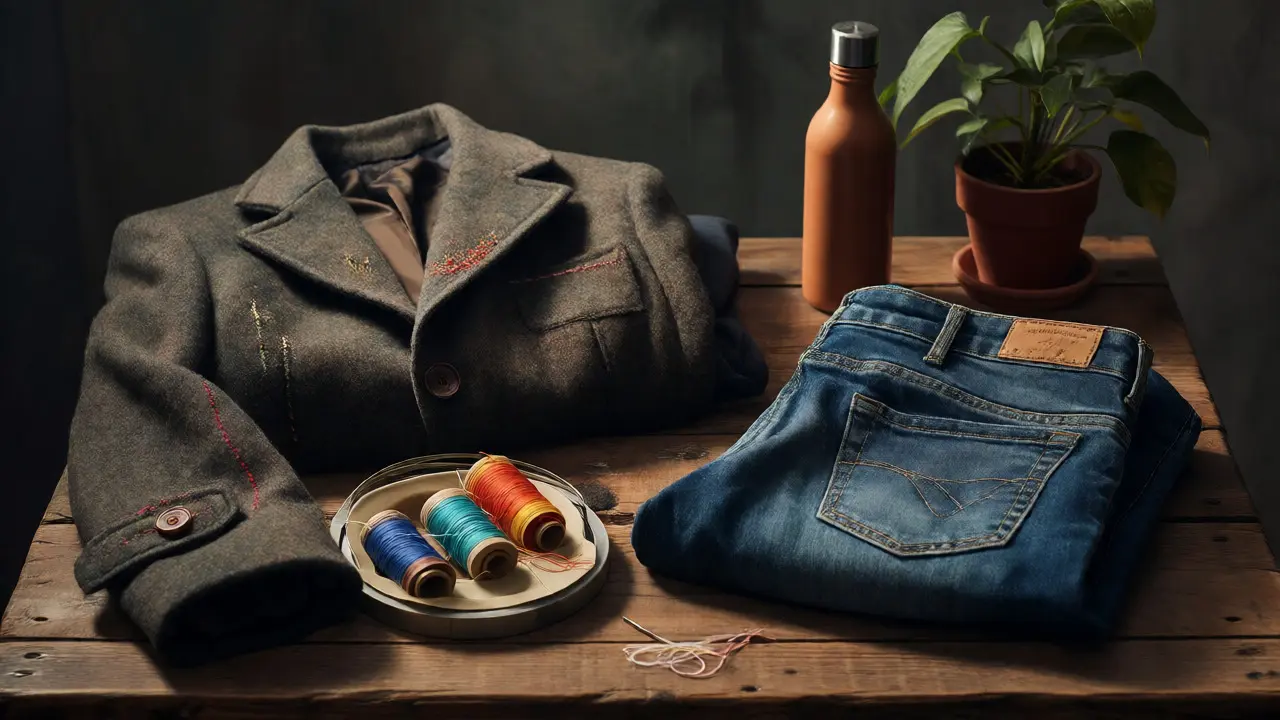
- Repair Early: Fix a loose button or a small tear immediately. Ignoring minor damage leads to major repairs later. Many mid-range brands offer repair services or guides.
Taking care of your clothes changes your relationship with them. You start seeing them as investments rather than disposable commodities. This mindset shift is crucial for long-term sustainability.
Frequently Asked Questions
Are mid-range brands really more sustainable than fast fashion?
Generally, yes. Mid-range brands typically use higher-quality materials that last longer, reducing the frequency of replacement. They also tend to have more transparent supply chains and better labor practices compared to ultra-fast fashion giants like Shein or H&M’s basic lines. However, always check for specific certifications like B Corp or Fair Trade to verify claims.
Is it worth spending more on clothes if I change my style often?
If your style changes rapidly, investing heavily in trend-driven pieces might not yield a good return on investment. In this case, mix strategies: buy timeless staples (jeans, blazers, white shirts) from mid-range sustainable brands, and acquire trendy items through second-hand platforms or rental services. This balances personal expression with financial and environmental responsibility.
What is the biggest red flag for greenwashing in fashion?
Vague language is the biggest red flag. Terms like "eco-friendly," "green," or "conscious" mean little without data. Look for specific metrics: percentage of recycled content, factory locations, wage reports, or third-party audits. If a brand cannot tell you where a specific item was made, be skeptical of their sustainability claims.
Can I build a capsule wardrobe entirely from mid-range brands?
Absolutely. Capsule wardrobes rely on versatility and quality, which are hallmarks of mid-range retail. Brands like Everlane, Uniqlo (for basics), and Reformation offer cohesive collections that mix and match easily. Starting with neutral colors and classic cuts ensures longevity regardless of fleeting trends.
Does buying second-hand count as a mid-range alternative?
Yes, and it is often the most sustainable option available. Second-hand shopping extends the lifecycle of existing garments, preventing them from ending up in landfills. You can often find high-quality mid-range or even luxury brands at fast-fashion prices on platforms like ThredUp, Depop, or local thrift stores. It requires more effort to search, but the rewards are significant.