


You walk into a boutique, see a shiny gold-plated necklace or a trendy tote bag, and buy it because it looks good. Two weeks later, the metal turns your neck green, the bag’s strap snaps, and you toss both in the trash. Sound familiar? That cycle is exhausting, expensive, and terrible for the planet. The problem isn’t just the items themselves; it’s the opaque supply chains hiding behind them. Who mined that gold? What chemicals dyed that silk? Where did those leather scraps go?
Switching to sustainable accessories is about more than just buying less stuff. It’s about buying better stuff that lasts longer and leaves a lighter footprint. Whether you’re looking for ethical jewelry, organic scarves, or durable bags, the options have exploded since 2020. But with great choice comes great confusion. Greenwashing is rampant. Brands slap a leaf logo on plastic packaging and call it "eco." So how do you actually spot the real deal? Let’s break down exactly what makes an accessory truly sustainable, which materials to trust, and how to build a collection that doesn’t cost the earth-literally.
The Real Cost of Fast Fashion Accessories
Most people think fast fashion is just about cheap t-shirts. But accessories are often the dirtiest part of the industry. Why? Because they’re made from mixed materials that are nearly impossible to recycle. Think about a standard $15 costume necklace. It’s likely plated with a thin layer of copper or nickel over brass, glued together, and packaged in single-use plastic. When it breaks (and it will), it goes straight to a landfill. Unlike cotton shirts, these mixed-material items can’t easily be broken down.
The environmental toll is staggering. Producing one kilogram of conventional cotton requires up to 20,000 liters of water. Now imagine that applied to a scarf that you wear twice before losing interest. Then there’s the mining issue. Gold mining alone accounts for roughly 79 million tons of waste annually, according to the World Gold Council. Much of this waste contains toxic cyanide and mercury, which leach into local water supplies. If you’re wearing a ring mined under questionable conditions, you’re literally carrying a piece of that ecological damage.
But it’s not just about pollution. It’s about labor. In many accessory factories, workers earn below living wages and work in unsafe conditions. Ethical brands try to close this gap by ensuring fair pay and safe environments. When you choose sustainable, you’re voting for a system where human rights matter as much as profit margins. It sounds idealistic, but data shows consumers are willing to pay 10-15% more for verified ethical products if they trust the source.
Ethical Jewelry: Beyond the Shine
Jewelry is personal. You wear it close to your skin, every day. So why would you want unknown metals touching you all day? Conventional jewelry often uses nickel, a common allergen, or lead-based solder. Sustainable jewelry focuses on purity, traceability, and recycled inputs.
Start with the metal. Recycled gold and recycled silver are game-changers. They require no new mining. Instead, they come from old electronics, dental fillings, or scrapped jewelry. The quality is identical to newly mined metal, but the carbon footprint drops by up to 90%. Look for certifications like the Responsible Jewellery Council (RJC) chain-of-custody certification. This ensures the metal was tracked from source to sale.
Gems are trickier. Diamonds and colored stones often have murky origins. Lab-grown diamonds are a solid alternative. They’re chemically identical to mined stones but use significantly less energy and land disruption. For other gems, look for "traceable" sourcing. Some brands now offer blockchain-backed provenance, letting you scan a QR code to see exactly where the stone was cut and polished. If you prefer natural stones, seek out Fairmined or Fairtrade gold standards, which guarantee miners receive a premium for community development.
Don’t forget the design. Minimalist designs last longer. A simple band won’t go out of style next season. Chunky, trend-driven pieces often end up in drawers after six months. Buy fewer, higher-quality pieces that you’ll actually wear daily. Solid gold vermeil (gold plating over sterling silver) is a budget-friendly option that lasts years if cared for properly, unlike cheap alloy plating that flakes off in weeks.
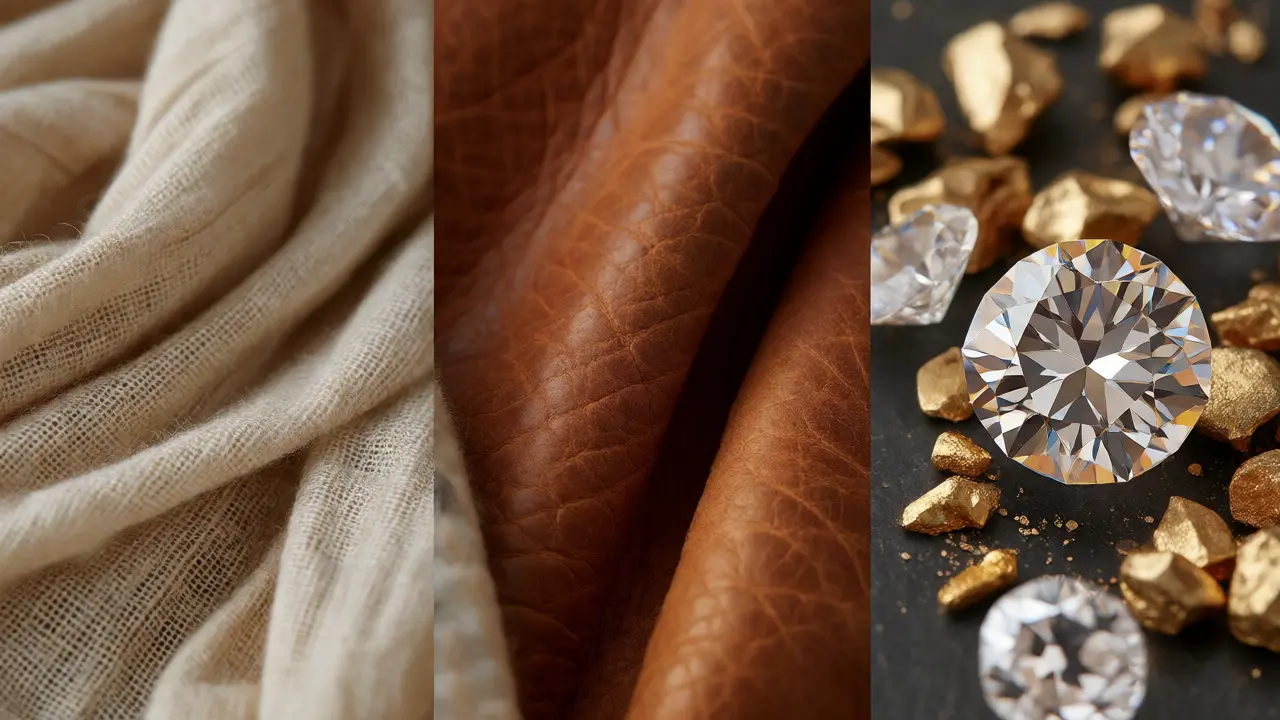
Scarves and Textiles: The Fabric of Sustainability
A scarf might seem small, but its impact depends entirely on the fiber. Synthetic fabrics like polyester shed microplastics every time you wash them. One fleece jacket can release hundreds of thousands of microfibers per wash. These tiny particles end up in oceans and even our drinking water. To avoid this, stick to natural fibers.
Organic cotton is a great start. It’s grown without synthetic pesticides or fertilizers, protecting soil health and farmer safety. Look for GOTS (Global Organic Textile Standard) certification. This label covers the entire processing chain, ensuring no harmful chemicals were used in dyeing or finishing. If you love silk, consider Ahimsa silk (also known as peace silk). Traditional silk production boils silkworms alive inside their cocoons. Ahimsa silk lets the moth emerge naturally before harvesting the thread. It’s slightly more expensive, but it aligns with vegan and ethical principles.
Wool is another excellent choice, especially merino wool, which is biodegradable and temperature-regulating. However, ensure it’s mulesing-free. Mulesing is a painful procedure performed on sheep to prevent flystrike. Many Australian and New Zealand farms now practice non-mulesing methods, but you need to verify. Certifications like ZQ Merino or Woolmark’s sustainability criteria help here.
Dyeing is the hidden villain. Conventional dyes use heavy metals and fixatives that pollute waterways. Natural dyes, derived from plants like indigo, turmeric, or madder root, are safer but can fade faster. A good compromise is low-impact reactive dyes, which bond strongly with fibers and require less water. Always ask brands about their wastewater treatment processes. Do they filter and reuse water? If they don’t answer, that’s a red flag.
Bags: Durability Meets Design
Your bag takes a beating. It carries laptops, groceries, gym clothes, and everything else. Cheap bags fail quickly, creating massive waste. Sustainable bags prioritize durability and repairability. If a bag can’t be fixed, it’s not truly sustainable, no matter how "green" the material is.
Leather is controversial. It’s durable but resource-intensive. Cattle farming drives deforestation and methane emissions. However, vegetable-tanned leather is a better option than chrome-tanned. Chrome tanning uses chromium salts, which are toxic and create hazardous sludge. Vegetable tanning uses tree bark extracts, taking longer but resulting in a product that ages beautifully and is biodegradable. Look for LWG (Leather Working Group) certified tanneries, which audit environmental performance.
For vegans or those avoiding animal products, alternatives have improved dramatically. Piñatex, made from pineapple leaf fibers, is strong and unique. Mushroom leather (mycelium) is emerging as a high-end option. Recycled PET (from plastic bottles) is common for canvas-style bags. While it still sheds microplastics, it diverts waste from landfills. The key is to choose thick, tightly woven fabrics that resist tearing. Thin, flimsy recycled polyester wears out too fast, negating its eco-benefits.
Repair services are a huge plus. Brands like Patagonia or specialized leather goods companies offer lifetime repairs. If you drop a buckle or rip a seam, you can send it back instead of replacing the whole bag. Check the warranty terms before buying. A five-year warranty suggests confidence in construction quality.

How to Spot Greenwashing
Not every brand claiming to be "green" is telling the truth. Greenwashing involves using vague language to sound eco-friendly without backing it up. Here’s how to cut through the noise.
First, check for specifics. Does the brand say "made with sustainable materials" or does it specify "100% GOTS-certified organic cotton"? Vague claims are suspect. Specific certifications are verifiable. Second, look at transparency. Do they publish their supplier list? Can you trace the journey of your product? Brands like Everlane popularized radical transparency, showing cost breakdowns and factory locations. If a brand hides its supply chain, assume the worst.
Third, examine the packaging. Is the item wrapped in layers of plastic despite being made from organic hemp? Sustainable brands usually ship in compostable mailers or recycled cardboard. Fourth, consider the business model. Are they pushing constant new collections? True sustainability means slowing down consumption. If a brand releases 50 new styles every month, they’re likely driving overconsumption, regardless of their materials.
| Certification | Applies To | What It Ensures |
|---|---|---|
| GOTS | Textiles (Cotton, Wool) | Organic status, social compliance, chemical restrictions |
| Fair Trade | All Products | Fair wages, safe working conditions, community premiums |
| B Corp | Company Level | Social and environmental performance, accountability |
| RJC | Jewelry | Responsible sourcing of gold and gemstones |
| LWG | Leather | Environmental management in tanning |
Building Your Low-Impact Collection
You don’t need to replace your entire wardrobe overnight. Start with high-use items. Replace your daily watch strap, your favorite scarf, or your work bag first. These are items you touch every day, so their impact is highest.
Buy secondhand first. Thrift stores, consignment shops, and online platforms like Poshmark or The RealReal are treasure troves for vintage jewelry and designer bags. Buying pre-owned extends the life of existing products and requires zero new resources. It’s the most sustainable option available. Only when you can’t find what you need secondhand should you buy new.
Maintain what you own. Clean jewelry regularly to prevent tarnish. Store scarves folded, not hanging, to maintain shape. Condition leather bags twice a year. Proper care doubles the lifespan of your accessories. If something breaks, learn basic repairs. Sewing a button or fixing a clasp saves money and keeps items out of landfills.
Finally, support local artisans. Chicago has a vibrant maker scene. Buying from local jewelers or textile artists reduces shipping emissions and supports the local economy. Ask them about their material sources. Often, small businesses are more transparent because you can talk directly to the maker.
Is lab-grown diamond really sustainable?
Yes, generally. Lab-grown diamonds require significantly less land disturbance and water than mined diamonds. However, they still consume energy for heating and pressure. Choose labs powered by renewable energy for the lowest impact.
Are all leather bags bad for the environment?
Not necessarily. Leather is a byproduct of the meat industry. Using it prevents waste. Vegetable-tanned leather from LWG-certified tanneries is a durable, biodegradable option that can last decades, making it a sustainable choice if sourced responsibly.
What is the difference between recycled and upcycled materials?
Recycling breaks down materials to create new ones, often requiring energy and water. Upcycling transforms existing items into new products without breaking them down, preserving their original structure. Upcycling typically has a lower environmental impact than recycling.
How do I know if a brand is truly ethical?
Look for third-party certifications like B Corp, Fair Trade, or GOTS. Check if they publish supplier lists and factory audits. Transparent brands answer specific questions about wages, hours, and material origins rather than using vague marketing buzzwords.
Do sustainable accessories cost more?
Upfront, yes. Ethical labor and high-quality materials cost more. However, due to superior durability, the cost-per-wear is often lower than fast-fashion equivalents that break within months. Investing in quality saves money long-term.


Write a comment