

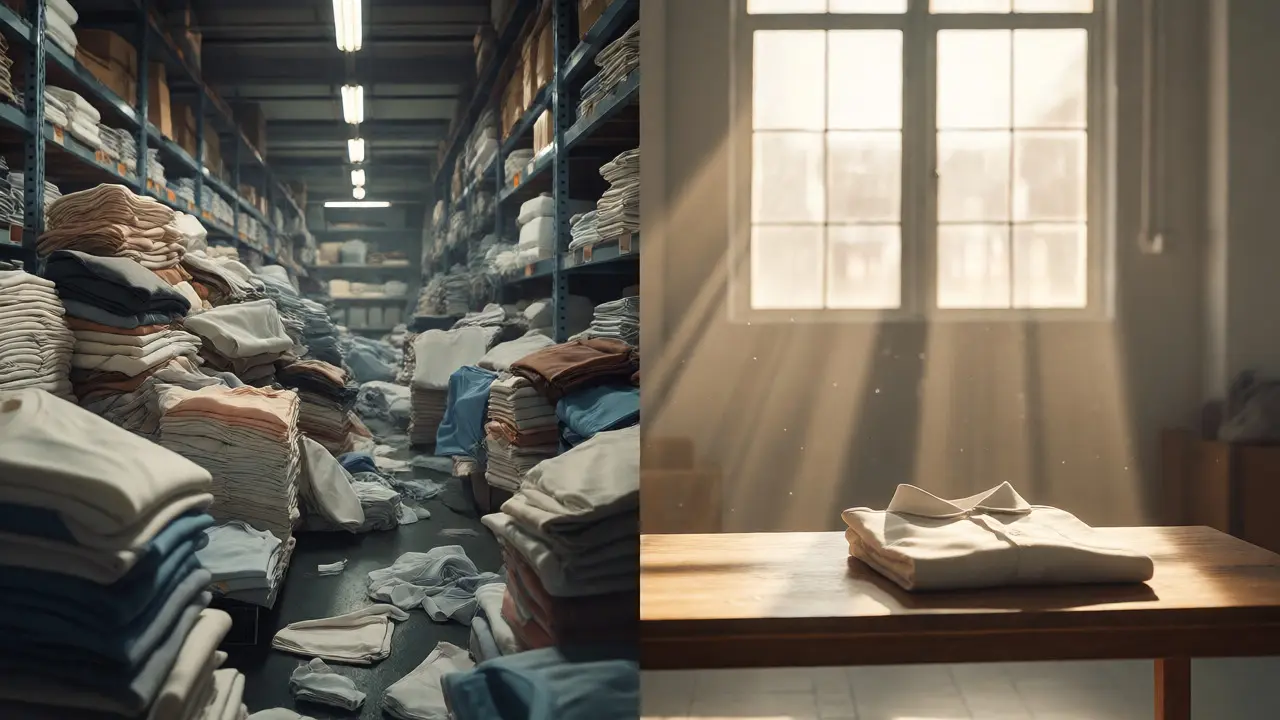
You walk into a store, see a shirt you love, buy it, wear it twice, and then it sits in your closet for three years. Meanwhile, the brand that made it likely produced thousands of those same shirts, hoping they’d sell. Most didn’t. They ended up in landfills or marked down to pennies. This isn’t just bad luck; it’s a broken model. The traditional retail system guesses what you want months in advance. If they guess wrong, you pay the price with waste.
Made-to-order is a production method where garments are created only after a customer places an order, eliminating the need for inventory prediction. It flips the script. Instead of pushing clothes onto consumers, brands pull demand first. This approach is the engine behind slow fashion, a movement prioritizing quality, ethical labor, and environmental sustainability over rapid trend cycles. When you combine these two concepts, you get on-demand production, a manufacturing strategy that produces goods in real-time based on actual consumer purchases. The result? No more piles of unsold stock rotting in warehouses.
The Math Behind the Waste
Let’s look at the numbers because they’re staggering. According to the Ellen MacArthur Foundation, the fashion industry generates 92 million tons of textile waste annually. A huge chunk of this isn’t from worn-out clothes; it’s from clothes that were never sold. Brands typically produce 10-40% more inventory than they can sell. That means if a company makes 1,000 units, up to 400 might end up in a landfill or incinerator before anyone even wears them.
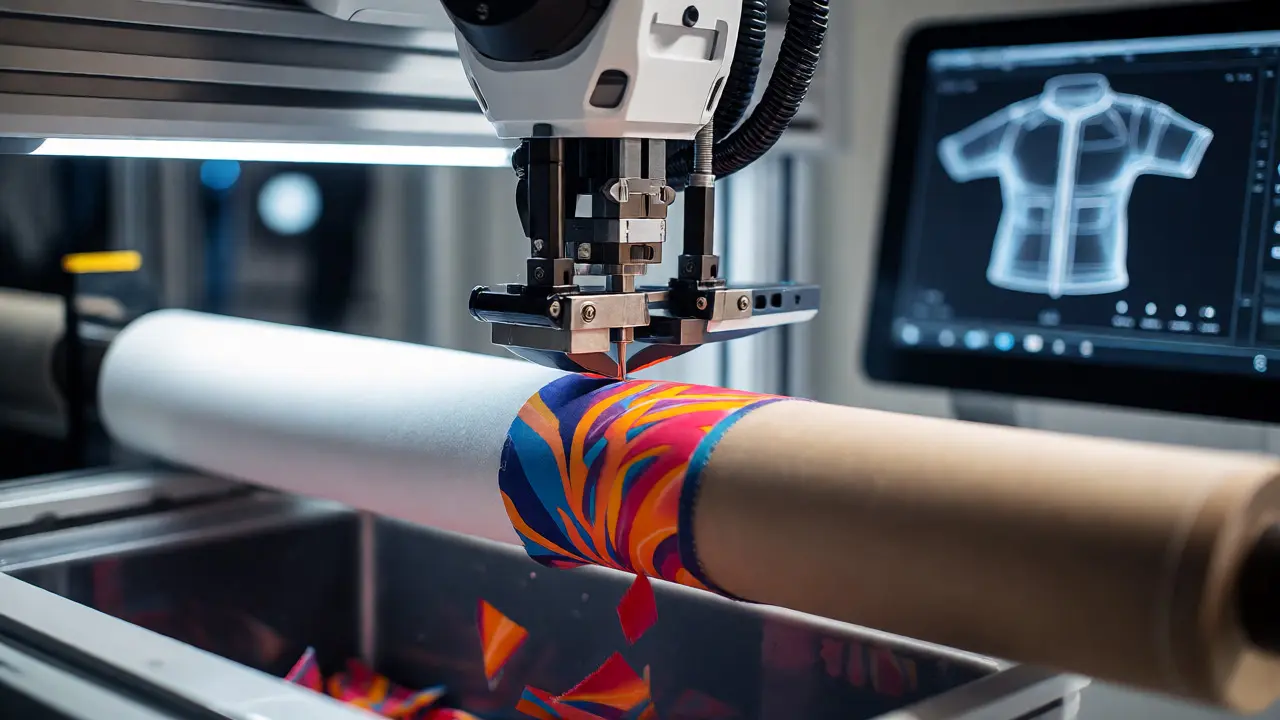
Why do brands take this risk? Because traditional factories require high minimum order quantities (MOQs). You can’t ask a factory to make one shirt. You have to commit to hundreds. To cover the cost of those hundreds, prices stay low, but the margin for error vanishes. Made-to-order removes this gamble. By using digital printing and automated cutting technologies, small batches become profitable. You don’t need to predict trends six months out. You react to what people actually buy today.
How On-Demand Production Actually Works
You might think "made-to-order" means waiting six months for a suit. Not anymore. Modern tech has slashed lead times. Here is the typical workflow for a modern sustainable brand:
- Digital Design & Sampling: Designers create patterns digitally. 3D modeling tools like CLO3D allow virtual fitting, reducing physical sample waste by up to 80%.
- Customer Order: You click "buy." The system registers the specific size, color, and fabric choice.
- Automated Cutting: Robots cut the fabric pieces precisely from rolls, minimizing scrap compared to manual cutting.
- Sewing Assembly: Skilled workers assemble the garment. Because batch sizes are small (often 1-50 units), quality control is tighter.
- Direct Shipping: The item ships directly to you, skipping distribution centers and retail stores.
This process relies heavily on integrated software. Systems like Shopify combined with print-on-demand providers or specialized ERP platforms connect the storefront directly to the factory floor. There is no middleman hoarding stock. The data flows instantly. If you change your mind about the color before the cutting phase starts, many systems allow updates without penalty.
Benefits Beyond Just Saving Clothes
Preventing overstock is the headline benefit, but it’s not the only one. Let’s break down why this model appeals to both shoppers and creators.
| Feature | Traditional Fast Fashion | Made-to-Order / Slow Fashion |
|---|---|---|
| Inventory Risk | High (Brand bears cost of unsold goods) | Low (Product exists only after sale) |
| Lead Time | 6-9 months ahead of season | 2-4 weeks post-purchase |
| Waste Generation | High (Overproduction + Fabric scraps) | Low (Cut-to-size + Zero unsold stock) |
| Pricing Strategy | Volume-driven discounts | Value-driven transparency |
| Customization | Limited to standard sizes | High (Size, color, fit adjustments) |
For consumers, the biggest perk is fit and personalization. Standard sizing is a myth. Bodies vary wildly. Made-to-order often allows for slight adjustments-longer sleeves, wider hips, different necklines. You get a garment that fits *you*, not a generic mold. This increases the likelihood you’ll keep and wear the item for years, which is the core tenet of slow fashion.
For brands, cash flow improves dramatically. You aren’t tying up capital in inventory sitting on shelves. You collect payment upfront. This lowers financial risk, allowing smaller designers to compete with giants. It also reduces storage costs. No warehouse rent, no insurance on stagnant stock, no markdown sales eating margins.
The Challenges You Should Know About
It’s not all sunshine and recycled cotton. Made-to-order has friction points. First, patience is required. You can’t walk out of a store with the item in hand. Waiting 2-4 weeks changes the psychological relationship with shopping. It forces intentionality. Impulse buys decrease, which is good for the planet but harder for retailers who rely on volume.
Second, returns are trickier. In traditional retail, if a shirt doesn’t fit, you return it, and someone else buys it. In made-to-order, that returned item might be hard to resell if it was customized. Many brands mitigate this by offering free exchanges within a window or partnering with resale platforms. Some use AI sizing tools that reduce return rates by analyzing your body measurements against past purchase data.
Third, scalability limits exist. While tech helps, human sewing is still involved. Scaling from 100 orders a day to 10,000 requires significant logistical planning. Brands must balance artisanal quality with industrial efficiency. This is where partnerships with certified ethical factories become crucial.
Who Is Leading the Charge?
You’ve probably seen some names. Reformation uses deadstock fabrics and limited runs, creating scarcity that drives value. Ministry of Supply leverages knitting technology to create seamless, zero-waste garments on demand. Even luxury houses like Gucci have experimented with pre-order models for high-end pieces.
But it’s not just big brands. Small Etsy sellers and Instagram-based labels thrive here. They use platforms like Printful or local micro-factories. These creators test designs with small batches. If a design flops, they lose little money. If it hits, they scale up. This iterative process mirrors software development, applying agile methodology to clothing.
Is Slow Fashion Right for Your Wardrobe?
If you hate clutter, yes. If you care about where your clothes come from, yes. But it requires a shift in mindset. Stop buying for the weekend. Start buying for the decade. Ask yourself: Will I wear this five years from now? Does it fit my lifestyle? Made-to-order encourages this pause.
Start small. Pick one category, like t-shirts or socks, where fit matters less but waste is high. Find a brand offering on-demand basics. Notice the difference in quality. Often, because there’s no pressure to slash prices to clear stock, materials are better. Organic cotton, recycled polyester, and durable stitching become the norm rather than the exception.
Does made-to-order mean higher prices?
Not necessarily. While unit costs can be higher due to lack of bulk economies, you save on marketing and storage overhead. Prices are often comparable to mid-range fast fashion, but the quality is significantly higher. You pay for durability and ethics, not disposable trends.
What happens if my made-to-order item doesn't fit?
Most reputable brands offer free exchanges or credits. Since the item wasn't pre-made, they may remake it in your correct size. Some use AI sizing quizzes to minimize this issue before you buy. Always check the return policy specifically for custom or made-to-order items.
How long does shipping usually take?
Typically 2 to 4 weeks. This includes production time plus shipping. It's slower than Amazon Prime, but faster than traditional bespoke tailoring. Some brands offer expedited production for a fee if you're in a hurry.
Is on-demand production truly eco-friendly?
Yes, primarily because it eliminates overproduction waste. However, individual shipping packages can increase carbon footprints compared to bulk freight. Brands offset this by using recyclable packaging and optimizing logistics. The net environmental impact is generally lower than traditional retail due to zero unsold inventory.
Can I customize colors and sizes easily?
Yes, customization is a key feature. Depending on the brand, you might choose fabric type, color variations, and minor fit adjustments. Digital printing allows for unique patterns without setup costs, making personalized designs affordable.