

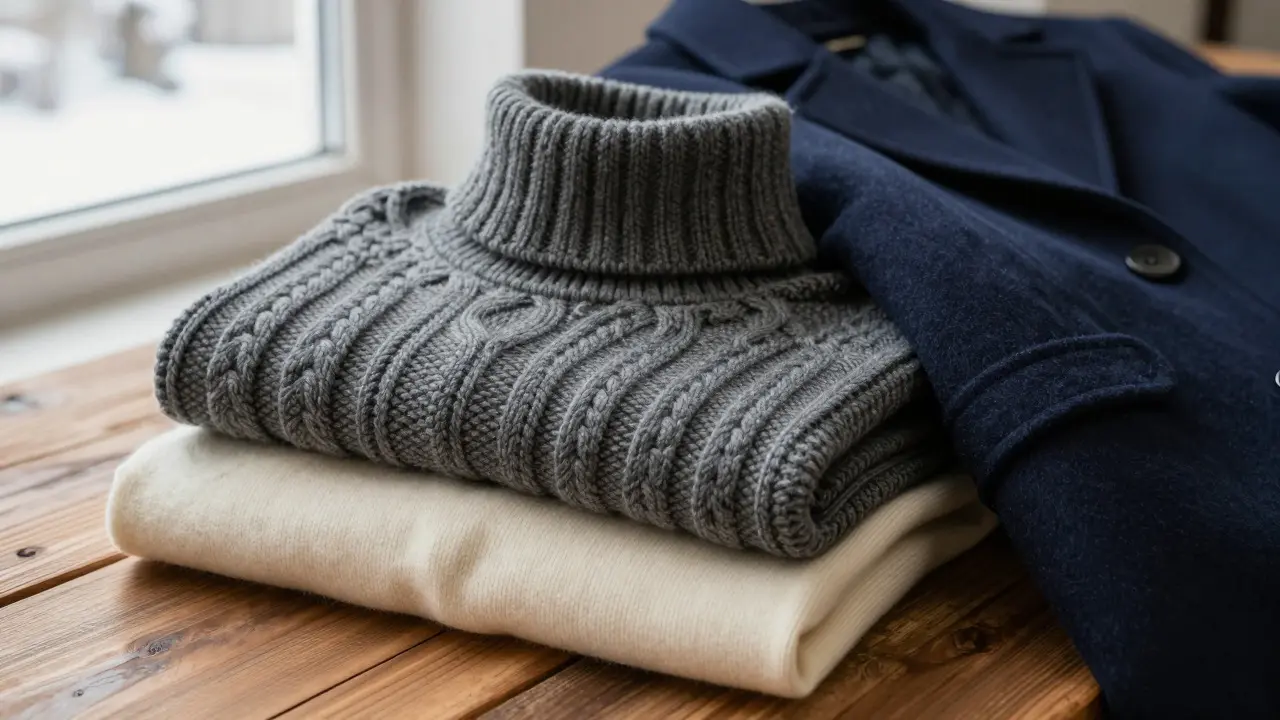
It’s 32 degrees outside, the wind is cutting through your coat, and you’re still freezing. You packed three sweaters, a scarf, and gloves, yet somehow, you look like a walking snowman rather than a stylish person braving the cold. This is the classic winter wardrobe trap: we think more clothes equal more warmth, but often, it just equals bulk and discomfort. The secret isn’t wearing *more*; it’s wearing *smarter*.
Professional stylists don’t guess when building winter outfits. They use specific structural formulas that balance insulation, breathability, and silhouette. These seven winter layering methods are the backbone of cold-weather dressing. Whether you’re commuting in New York or hiking in the Rockies, these frameworks ensure you stay warm without sacrificing your style.
The Physics of Warmth: Why Layers Work
Before diving into the looks, understand why layering beats a single thick parka. Heat rises and escapes through air gaps. A single bulky sweater traps heat poorly because it compresses against your skin, reducing its insulating value. Layers, however, create multiple pockets of trapped air. Each gap acts as an insulator. But there’s a catch: if one layer is too wet or too tight, the system fails. Sweat needs to move outward. If your base layer traps moisture, you’ll feel cold within minutes of stopping movement. This is why material choice matters as much as structure.
| Layer Type | Primary Function | Best Materials | Avoid |
|---|---|---|---|
| Base (Moisture Wicking) | Pulls sweat off skin | Merino wool, synthetic blends | Cotton (retains moisture) |
| Mid (Insulation) | Traps body heat | Fleece, down, synthetic fill | Heavy cotton knits |
| Outer (Protection) | Blocks wind/rain | Nylon, Gore-Tex, wool blend | Thin fabrics that absorb water |
Formula 1: The Classic Three-Layer System
This is the gold standard for active days or variable weather. It’s simple, effective, and easy to adjust.
- Base: A long-sleeve merino wool top. Merino regulates temperature better than synthetics and resists odor, so you can wear it for days between washes.
- Mid: A lightweight fleece or a thin down vest. The vest allows arm mobility, which is crucial if you’re cycling or walking briskly.
- Outer: A waterproof, breathable shell jacket. Look for features like adjustable cuffs and a storm hood. This layer keeps the wind out while letting steam escape.
Why it works: You can remove the mid-layer instantly if you enter a heated building. No need to take off your entire coat. The fit should be snug at the waist to prevent wind from sneaking up, but loose enough in the chest to accommodate the other two layers.
Formula 2: The Bulk-Free Urban Commuter
City life demands a different approach. You need to look sharp on the subway and stay warm on the platform. Bulky coats make you look sluggish. This formula focuses on sleek silhouettes.
- Base: A slim-fit thermal shirt made from a poly-spandex blend. It hugs the body without restricting movement.
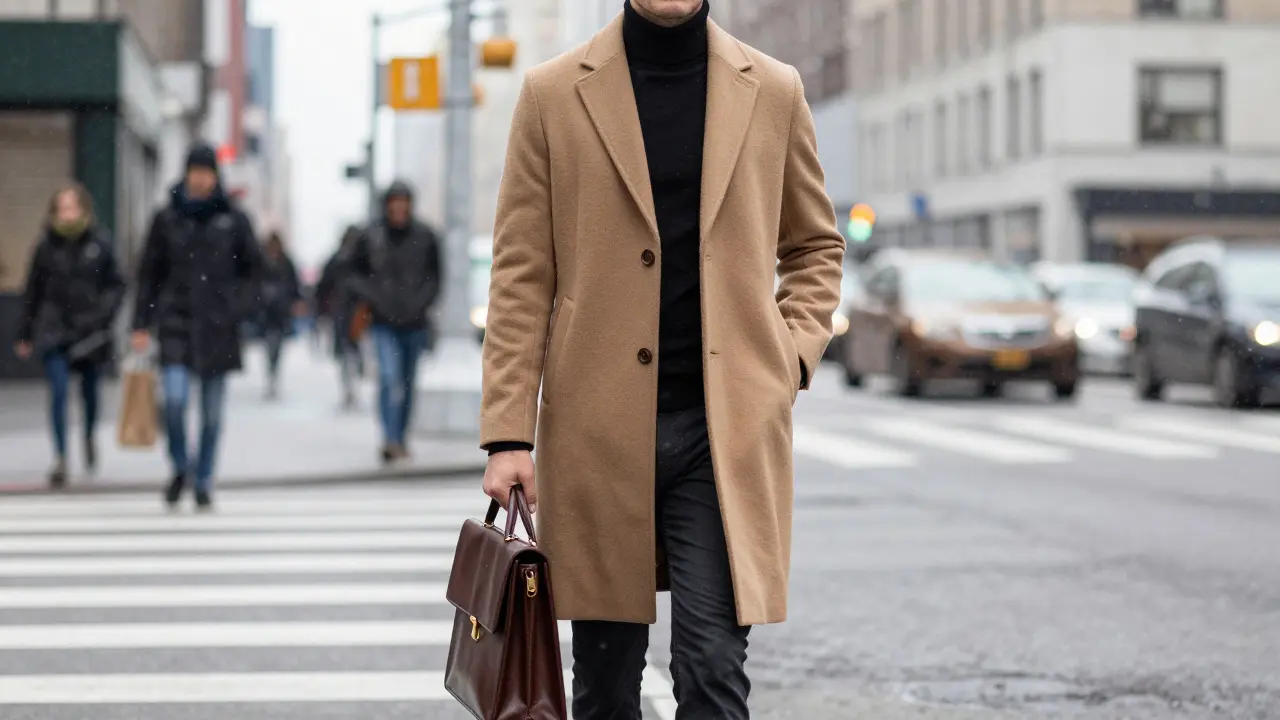
- Mid: A cashmere-blend turtleneck. Cashmere provides high warmth-to-weight ratio. It’s thin but incredibly insulating.
- Outer: A tailored wool overcoat with a hidden lining. Avoid heavy padding. Instead, rely on the density of the wool fabric to block wind.
The key here is proportion. Keep the outer layer structured. If the coat is boxy, the whole outfit looks sloppy. A nipped-waist or straight-cut overcoat maintains a clean line even when layered. Pair this with slim trousers, not jeans, to avoid adding volume at the hips.
Formula 3: The Down Insulation Sandwich
For extreme cold below 20°F (-6°C), you need serious insulation. This method uses down as both a mid and outer component, maximizing loft.
- Base: Synthetic wicking layer. Down loses insulation when wet, so keeping the core dry is critical.
- Mid: A full-length down jacket with a high fill power (600+). Fill power measures how much space one ounce of down occupies. Higher numbers mean lighter, warmer jackets.
- Outer: A windproof shell or a second layer of hardshell if rain is expected. If it’s dry and windy, the down jacket can serve as the outer layer, provided the fabric is dense enough to resist wind chill.
Pro tip: Wear the down jacket slightly oversized. You want to trap a layer of air between the down and your body. If it’s too tight, you compress the feathers, killing their insulating ability.
Formula 4: The Knit Transition Strategy
Winter isn’t always freezing. Early December or late February can be mild. This formula bridges the gap between fall and deep winter.
- Base: A fine-gauge merino crew neck.
- Mid: A chunky cable-knit sweater. The texture adds visual interest and warmth.
- Outer: A leather or suede jacket. Leather blocks wind surprisingly well and ages beautifully. It’s less insulating than wool but adds a sophisticated edge.
This look relies on contrast. The softness of the knit against the hardness of the leather creates a balanced aesthetic. It’s perfect for dinners or casual office settings where you don’t want to look like you’re going skiing.
Formula 5: The Vest Powerhouse
Vests are underrated. They allow maximum arm mobility while protecting your core, where most body heat resides. This is ideal for cyclists, skiers, or anyone who moves a lot.
- Base: Long-sleeve technical top.
- Mid: A padded puffer vest. Look for horizontal baffles to keep the fill evenly distributed.
- Outer: A windbreaker or light shell. Since the arms are exposed, ensure your sleeves are insulated or that you have arm warmers handy.
The advantage? You can roll up your sleeves without exposing cold shoulders if you pair the vest with a long-sleeve base. It’s also easier to store in a bag during the day than a full jacket.
Formula 6: The Scarf-and-Coat Minimalist
Sometimes, fewer layers work better if they’re high-quality. This method minimizes bulk by using accessories to replace mid-layers.
- Base: A high-quality thermal shirt.
- Mid: None. Instead, use a thick, double-faced wool scarf wrapped twice around the neck.
- Outer: A heavy peacoat or duffle coat. These coats are designed to be worn open or closed, providing flexibility.
The scarf acts as a dynamic insulator. You can tighten it for wind protection or loosen it for airflow. This reduces the number of clothing items, making the outfit cleaner and easier to manage. Just ensure the scarf is wide enough to cover the collar area effectively.
Formula 7: The Rain-and-Snow Hybrid
Weather doesn’t always cooperate. Snow turns to slush, then to rain. This formula prepares for mixed precipitation.
- Base: Moisture-wicking synthetic layer.
- Mid: A hydrophobic fleece. Unlike regular fleece, this repels light moisture and dries quickly.
- Outer: A 3-layer waterproof-breathable jacket. The membrane prevents water ingress while allowing vapor transmission. Check the seam taping; leaks usually start there.
This setup is essential for coastal cities or mountain regions. The hydrophobic mid-layer ensures that if a little snow melts inside the jacket, it doesn’t soak your base layer. It’s a defensive strategy that prioritizes comfort in unpredictable conditions.

Fitting Tips That Make or Break Your Outfit
Even the best formula fails if the fit is wrong. Here are three rules to follow:
- Check the Shoulder Seam: It should sit exactly on your shoulder bone. If it hangs off, the coat will drag and let in wind.
- Test the Range of Motion: Raise your arms. If the mid-layer pulls tight across the back, it’s too small. You need room to move without tearing seams.
- Watch the Hem Length: Your outer layer should cover the zipper pull of your mid-layer. If you bend forward, your lower back shouldn’t be exposed. For men, aim for mid-thigh; for women, hip to knee length depending on the cut.
Also, consider footwear. Cold feet ruin the whole experience. Wool socks are non-negotiable. Cotton socks trap moisture and lead to blisters or frostbite in extreme cases. Invest in a pair of merino hiking socks for daily wear.
Common Mistakes to Avoid
Many people struggle with winter dressing because they repeat the same errors.
- Wearing Cotton Base Layers: Cotton absorbs sweat and stays wet. Once wet, it conducts heat away from your body faster than air. Swap it for wool or synthetics.
- Over-Layering: More than four layers restricts movement and makes you sweat excessively. Sweat cools you down when you stop moving. Stick to three functional layers plus accessories.
- Ignoring Wind Chill: A 30°F day feels like 15°F with a 20 mph wind. Your outer layer must be wind-resistant, not just warm. A porous wool coat won’t save you from a strong gust.
Finally, don’t forget the head and hands. Up to 40% of body heat escapes through the head. A beanie is cheaper and more effective than adding another sweater. Gloves should be lined with Thinsulate or similar materials for touch-screen compatibility and warmth.
Building Your Winter Capsule Wardrobe
You don’t need ten different coats. You need a few versatile pieces that mix and match. Start with a neutral palette: black, navy, grey, and camel. These colors work together easily.
- One Heavy Outer: A wool overcoat or down parka.
- One Lightweight Outer: A windbreaker or trench-style coat.
- Two Mid-Layers: One fleece, one knit sweater.
- Three Base Layers: Two merino tops, one synthetic wicking top.
This capsule covers all seven formulas above. Mix and match based on the forecast. If it’s windy, add the windbreaker. If it’s snowy, swap the knit for the fleece. The flexibility comes from having the right components, not the quantity of items.
Frequently Asked Questions
What is the best material for a base layer?
Merino wool is generally considered the best all-around material. It wicks moisture, regulates temperature, and resists odor. Synthetic materials like polyester are excellent for high-intensity activity because they dry faster, but they can retain smells longer.
How many layers should I wear in winter?
Three functional layers are standard: a base, a mid, and an outer. Adding more than this usually leads to overheating and restricted movement. Accessories like hats and scarves count as part of the system but don't replace the core layers.
Can I wear a hoodie under a suit jacket?
Yes, but choose a slim-fit, minimal-logo hoodie in a neutral color. The fabric should be thin enough not to bunch up under the jacket. This combination offers warmth while maintaining a smart-casual look, suitable for many modern workplaces.
What is fill power in down jackets?
Fill power measures the quality of down. It indicates how much space one ounce of down occupies. Higher fill power (600-800+) means lighter, warmer, and more compressible jackets. Lower fill power (500-550) is heavier and less efficient for extreme cold.
How do I prevent my glasses from fogging up in winter?
Fogging happens when warm, moist air from your face hits cold lenses. Use anti-fog sprays or wipes. Alternatively, leave one side of your hat down or use a gaiter that seals around your nose to redirect breath downward instead of upward toward your eyes.


Write a comment