

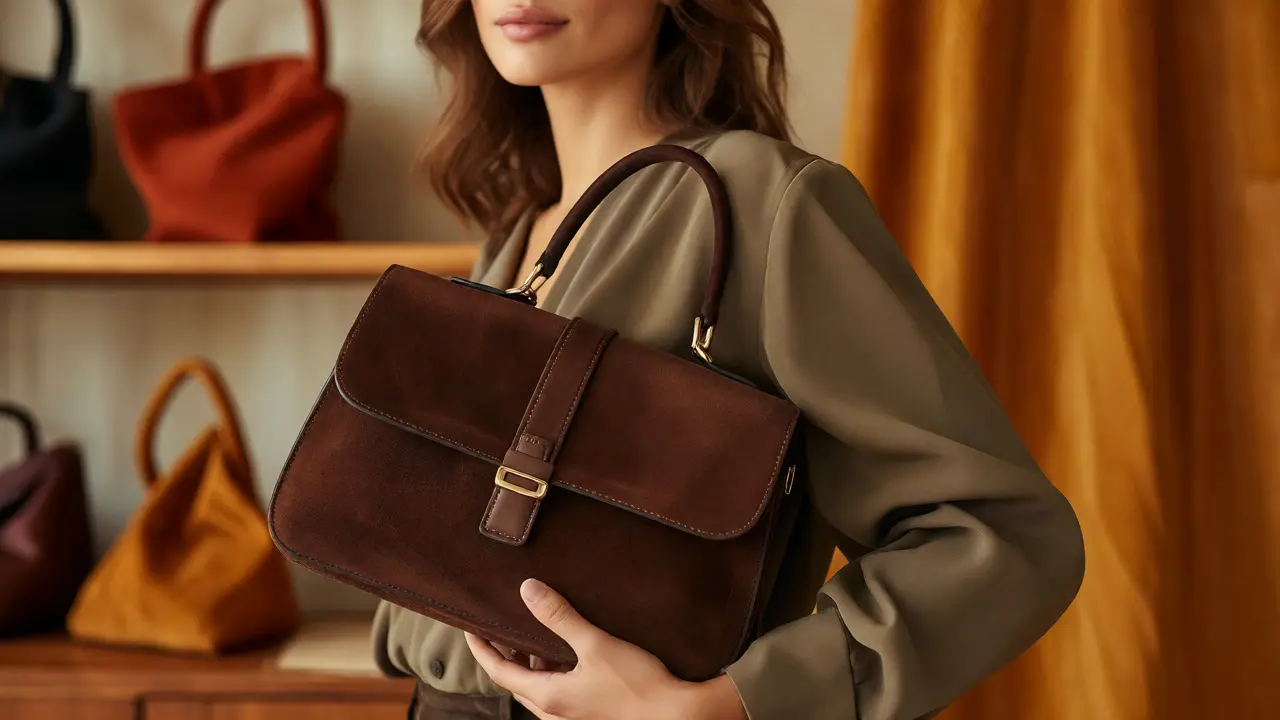
You’ve done the draping. You know you’re a Soft Autumn or a Bright Winter. You bought the clothes that make your skin glow. But then you walk out the door with a black tote, silver hoops, and brown loafers, and something feels… off. It’s not just an aesthetic hiccup; it’s a break in your visual harmony. Seasonal Color Analysis is often treated as a clothing-only rulebook, but accessories are where most people accidentally sabotage their palette. A bag sits against your hip, shoes frame your feet, and jewelry catches the light near your face. If these elements clash with your natural coloring, they can wash you out faster than a bad foundation shade.
The goal isn’t to match everything perfectly-monochrome can look flat-but to create cohesion. When your accessories align with your seasonal palette, they amplify your features rather than competing with them. Let’s break down how to choose bags, shoes, and jewelry that actually work for your specific season, using real-world examples and practical rules of thumb.
Understanding the Core Attributes of Your Season
Before picking a handbag, you need to understand the three dimensions that define your season: Value (light vs. dark), Chroma (bright vs. muted), and Temperature (warm vs. cool). These attributes dictate which metal finishes, leather tones, and gemstone hues will harmonize with your skin, eyes, and hair.
For instance, if you are a True Spring, your dominant trait is warmth combined with brightness. You need high-chroma, warm-toned accessories. A dull, grayish taupe bag will drain you. Conversely, a True Summer has cool, muted traits. A bright orange clutch will scream louder than your outfit, while a dusty rose or slate blue bag will blend seamlessly.
| Season | Best Metals | Leather/Fabric Tones | Jewelry Finish |
|---|---|---|---|
| Spring | Yellow Gold, Brass, Copper | Cream, Camel, Light Tan, Peach | Polished, Shiny, Gemstones like Coral |
| Summer | Silver, Platinum, White Gold | Navy, Soft Gray, Lavender, Powder Blue | Matte Silver, Pearls, Moonstone |
| Autumn | Bronze, Copper, Dark Gold | Olive, Rust, Chocolate, Mustard | Antique, Brushed, Amber, Turquoise |
| Winter | Silver, Blackened Steel, Platinum | Black, White, Royal Blue, Fuchsia | High Polish, Clear Stones, Onyx |
Shoes: The Anchor of Your Outfit
Shoes are tricky because they are far from your face, yet they ground your entire look. Many people default to black or nude, assuming these are universal neutrals. They aren’t. For Warm seasons (Spring/Autumn), stark black shoes can feel too harsh, creating a disconnect between your warm skin and cold footwear. Instead, opt for deep browns, burgundies, or warm taupes.
If you’re a Deep Autumn, a pair of rich chocolate suede boots will extend your leg line beautifully without breaking the color story. For Cool seasons (Summer/Winter), black is indeed a staple, but so is navy. A Bright Winter might look stunning in patent black heels, while a Soft Summer might prefer a matte navy loafer. The key is matching the intensity of the shoe to the intensity of your natural contrast. Low-contrast seasons (like Soft Autumn) should avoid shiny, high-gloss shoes that draw attention away from their soft features. Stick to matte finishes or suede.
Bags: Carrying Your Palette
Your bag is a large block of color sitting right next to your body. This makes it a powerful tool for either reinforcing or disrupting your seasonal harmony. A common mistake is buying a "classic" beige bag when you’re a Cool Summer. Beige often leans yellow/warm, which can make cool-toned skin look sallow. Look for "cool beiges" like oatmeal, stone, or greige instead.
Consider the material texture as part of the color equation. A woven straw bag adds a textured, organic element that suits Earthy Autumns perfectly. A sleek, smooth leather tote in a crisp white appeals to Winters who thrive on clean lines and high contrast. If you want versatility, invest in one neutral bag that matches your dominant temperature (warm tan for Springs/Autumns, cool gray/black for Summers/Winters) and use colorful scarves or charms to add seasonal pops.
Jewelry: Framing the Face
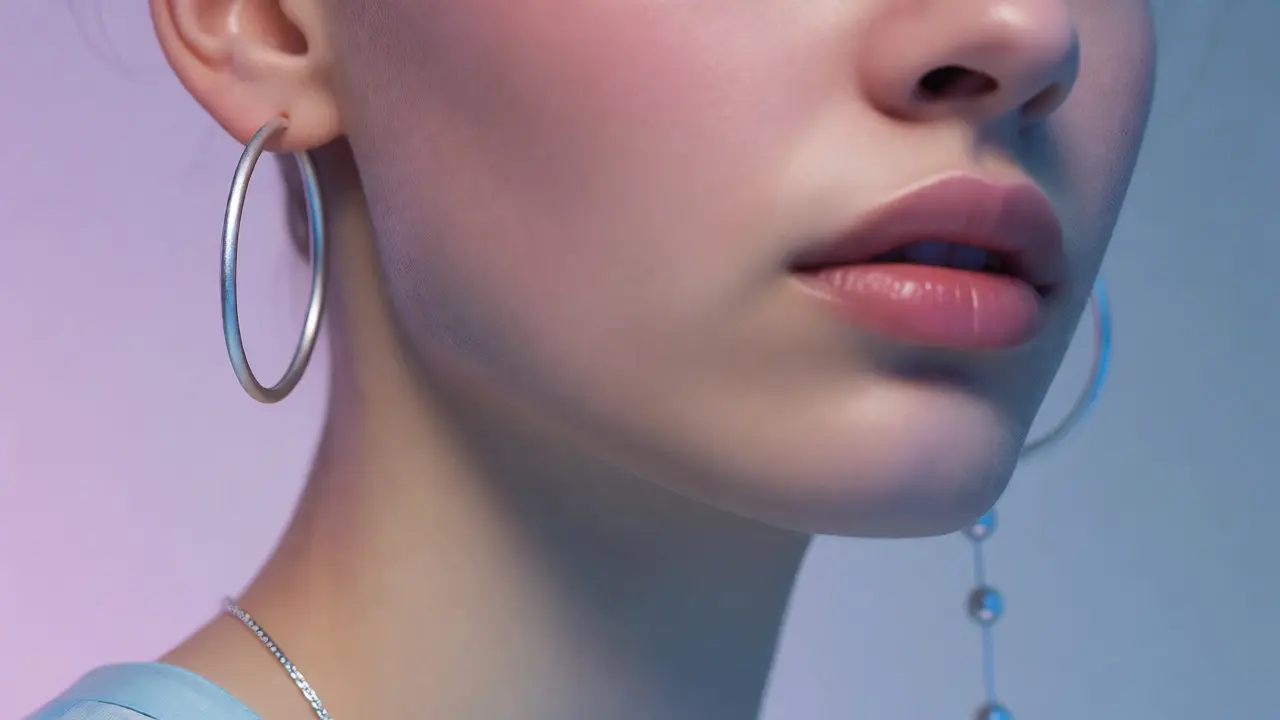
This is where color analysis pays off the most. Because jewelry sits inches from your face, the wrong metal can cast unflattering shadows or highlight redness in the skin. Gold generally flatters warm undertones, reflecting light in a way that complements peachy or golden skin. Silver, however, reflects cooler light, which enhances pink, blue, or olive-cool undertones.
But it’s not just about gold vs. silver. Consider the finish. A True Spring needs shine. Dull, oxidized metals can look muddy against bright, clear skin. Go for polished yellow gold or brass. A Soft Autumn, however, looks best in antique or brushed bronze. The lack of glare prevents the jewelry from overpowering their delicate coloring.
Gemstones also play a role. For a Bright Winter, clear diamonds or sapphires provide the necessary sparkle and clarity. For a Muted Summer, opaque stones like turquoise, jade, or freshwater pearls offer a softer luster that doesn’t compete with their low-chroma complexion.
Mixing Metals: Breaking the Rules Correctly
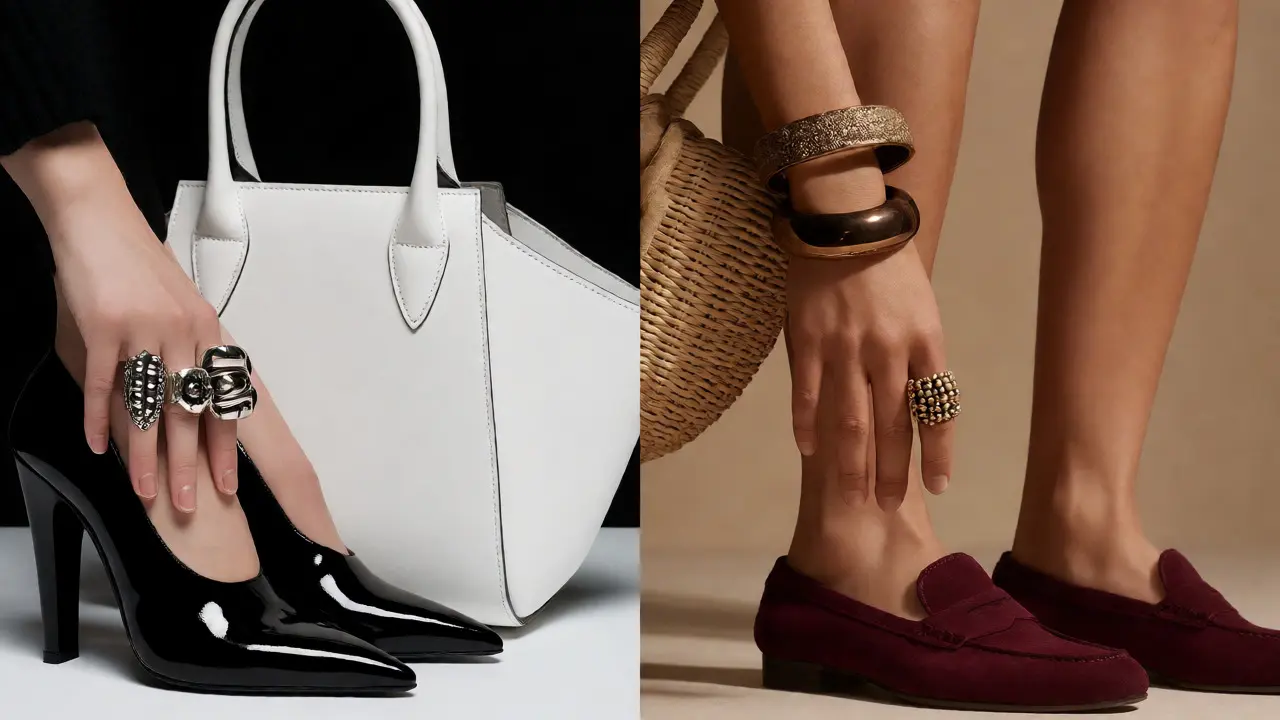
Do you have to stick to one metal? Not necessarily. Mixed metals are trendy, but they must be handled with care. If you mix gold and silver, ensure one dominates. A Soft Summer might wear mostly silver rings with a single thin gold band as an accent. This works because the overall impression remains cool-dominant.
Avoid mixing equal amounts of warm and cool metals unless you are a Neutral season (Neutral Spring, Neutral Summer, etc.). Even then, keep the pieces small. Large mixed-metal statement necklaces can create visual noise that distracts from your face. If you love mixed metals, try pieces that intentionally blend them, like two-tone watches or chains, rather than randomly combining separate items.
Practical Checklist for Accessory Shopping
Next time you’re shopping, run through this quick filter before checking out:
- Temperature Check: Does the item lean warm (yellow/orange base) or cool (blue/purple base)? Match it to your season.
- Intensity Check: Is the item bright and saturated (good for Winters/Springs) or muted and dusty (good for Summers/Autumns)?
- Texture Harmony: Does the finish (shiny, matte, rustic) complement your natural hair texture and skin tone?
- Distance Test: Hold the item near your face. Does your skin look clearer and brighter, or does it look tired or ruddy?
Remember, your seasonal palette is a guide, not a prison. If you absolutely love a neon green bag but you’re a Soft Autumn, you don’t have to ban it forever. Just place it further from your face-carry it in your hand rather than wearing it across your chest-and balance it with a scarf in your true colors near your neck. Fashion is about expression, but color analysis ensures that expression doesn’t come at the cost of looking your best self.
Can I wear black if I’m a Spring or Autumn?
Pure black is often too harsh for Warm seasons because it lacks the warmth needed to harmonize with golden or peachy undertones. However, you can wear black if you keep it away from your face (pants/shoes) or pair it with plenty of gold jewelry and warm-colored tops. Charcoal, espresso, or deep navy are usually better alternatives for upper-body garments.
What if my hair is dyed a different color than my natural season?
Your skin and eye color remain the primary drivers of your seasonal analysis. Hair dye changes value and chroma but rarely alters underlying temperature significantly enough to change your core season. Continue to follow your original palette for accessories, especially those near your face, as your skin tone dictates what flatters you most.
Are white and cream interchangeable for all seasons?
No. Winters and Springs typically look best in pure, bright white, which provides high contrast. Summers and Autumns often find pure white glaring or stark against their softer complexions. Creams, ivories, and soft whites are much more flattering for these seasons, blending naturally with their muted or warm tones.
How do I choose watch bands based on my season?
Match the metal case to your preferred jewelry metal (gold for warm, silver for cool). For leather bands, Warm seasons should choose tan, brown, or burgundy straps. Cool seasons look best in black, navy, or gray bands. Avoid bright, unnatural colors on watch bands unless they are intentional accents that match a specific outfit piece.
Does eyeglass frame color matter?
Absolutely. Frames sit directly on your face. Warm seasons should look for tortoiseshell, gold, bronze, or warm brown frames. Cool seasons should stick to black, silver, gunmetal, or cool translucent blues/grays. High-contrast Winters can pull off bold black frames, while Soft Seasons may prefer thinner, lighter frames to avoid overwhelming their features.


Write a comment