

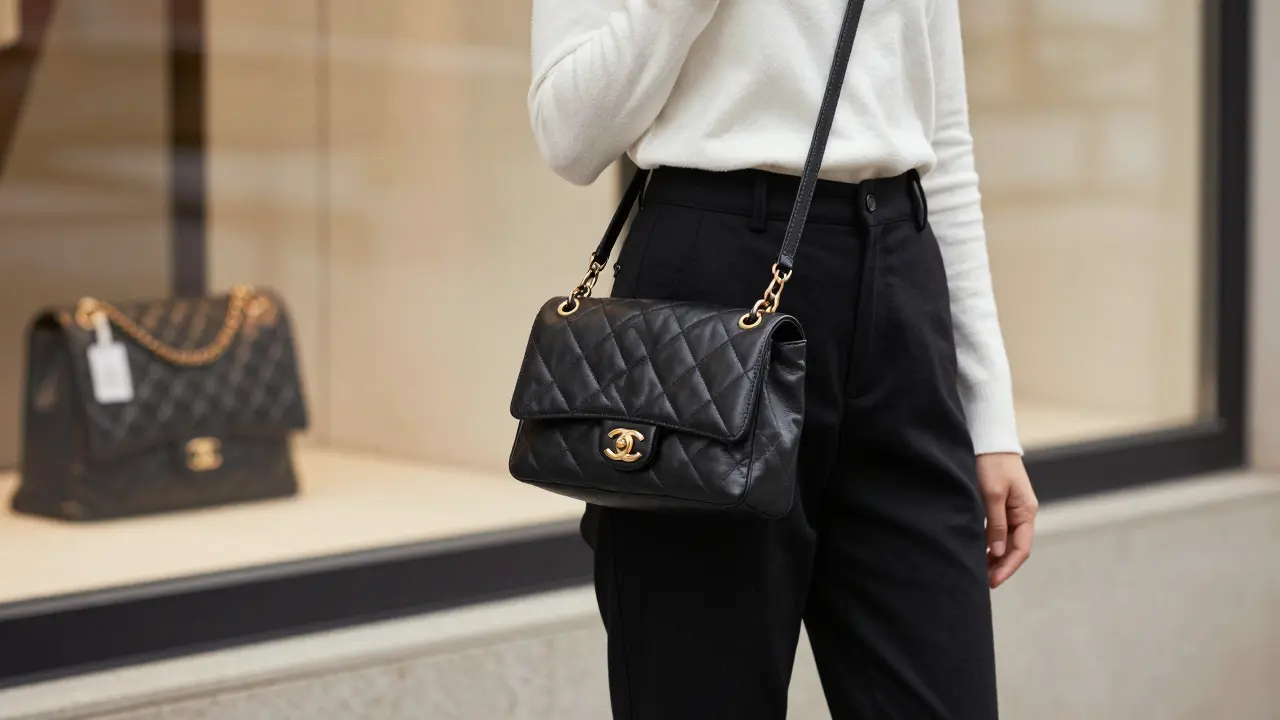
Ever looked at a luxury coat, handbag, or pair of shoes and thought, “I wish I could afford that”? You’re not alone. The truth is, you don’t need to spend thousands to look like you did. Luxury brands spend millions on branding, not just materials or craftsmanship. The real difference between a $2,000 designer bag and a $120 version isn’t always in the leather-it’s in the logo.
Why Luxury Feels Expensive (Even When It’s Not)
Luxury brands aren’t selling you a product. They’re selling you a story. A $1,500 pair of loafers from a high-end label might use the same Italian leather as a $200 pair from a lesser-known brand. But the luxury version comes with a box, a dust bag, a history of Parisian ateliers, and a name that makes people whisper. That’s the premium you’re paying for.
Here’s the catch: the stitching, the hardware, even the lining-those are often identical. Brands like Bottega Veneta and Prada use the same factories for their lower-tier lines as they do for their flagship products. The difference? Marketing. Packaging. A price tag that says, “This is exclusive.”
Where to Find the Real Deals
Forget shopping at the luxury boutiques. Start with these smart sources:
- Outlets and sample sales - Brands like Michael Kors, Tory Burch, and Coach regularly sell last-season items at 50-70% off. These aren’t “defective” items-they’re just not the current trend.
- Thrift stores and consignment shops - Poshmark, The RealReal, and even local thrift stores have genuine designer pieces. A $1,200 Chanel flap bag can show up for $400 if it’s slightly used.
- Fast fashion with quality focus - Zara, Massimo Dutti, and &OtherStories have teams that reverse-engineer luxury silhouettes. Their trench coats, structured blazers, and ankle boots look like they came from Milan-not a warehouse in China.
- Direct-to-consumer startups - Brands like Everlane, Reformation, and Apiece Apart focus on clean design, ethical production, and transparent pricing. You get the minimalist luxury aesthetic without the markup.
How to Spot a Good Copy
Not all budget options are created equal. Here’s how to tell if a cheaper version is worth it:
- Check the cut - A great copy mirrors the original’s shape. If the shoulders are too wide or the waistline sits wrong, it won’t look right on you.
- Feel the fabric - Real wool, cotton sateen, or genuine leather has weight and texture. Synthetic blends feel thin and slippery. Hold it up to light-if you can see through it, skip it.
- Look at the stitching - Even a $50 bag should have clean, even stitches. Loose threads? Uneven seams? That’s a red flag.
- Examine the hardware - Zippers, clasps, and buckles on luxury items are often made of solid brass or coated metal. Cheap versions use plastic or thin plating. A good alternative will have weight and a smooth glide.
For example, if you love the Gucci GG Marmont bag, look for a similar quilted leather design with a double-G clasp from Longchamp or Baggu. You’ll get the same silhouette, similar texture, and a fraction of the price.
Designer Looks You Can Copy for Under 0
Here are five iconic luxury items and their budget-friendly twins:
| Luxury Item | Price | Budget Alternative | Price | Why It Works |
|---|---|---|---|---|
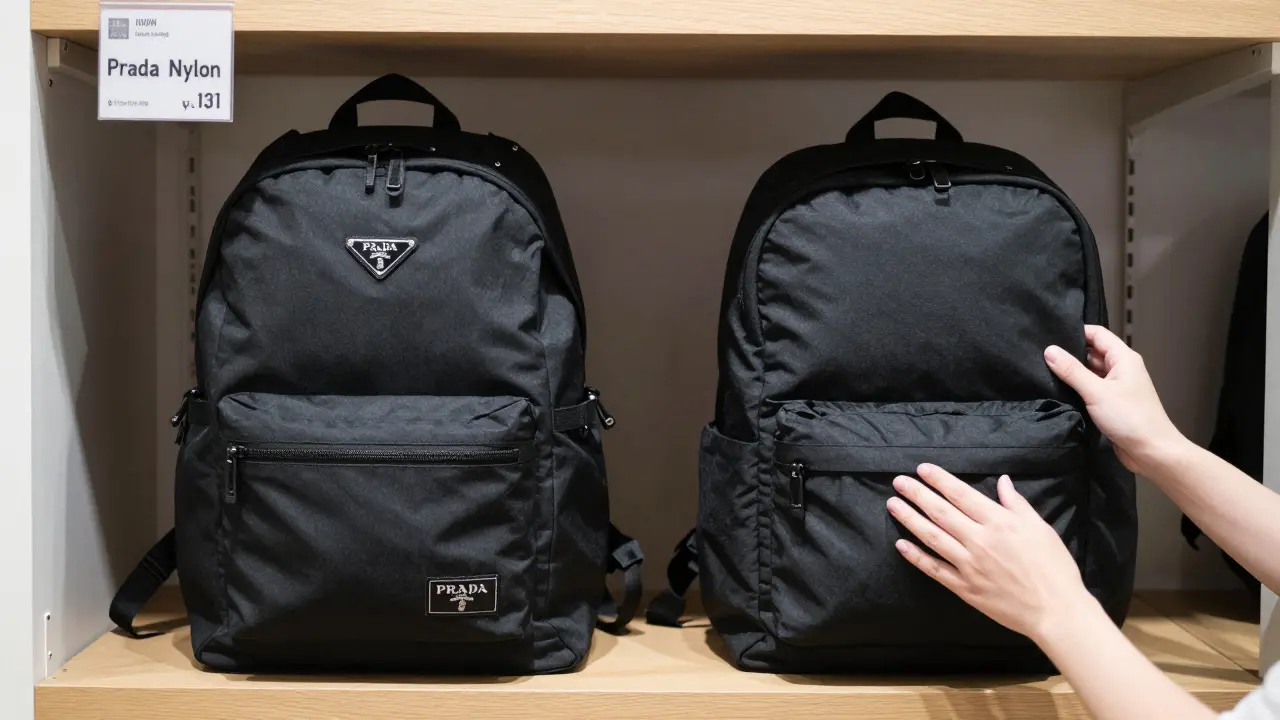
| Prada Nylon Backpack | $750 | Uniqlo Ultra Light Down Backpack | $89 | Same minimalist shape, durable fabric, and clean lines. No logo, no fuss. |
| Chanel Classic Flap | $3,200 | Longchamp Le Pliage Cuir | $245 | Quilted leather, gold hardware, structured silhouette. Looks expensive without the waitlist. |
| Bottega Veneta Pouch | $1,700 | &OtherStories Woven Leather Crossbody | $119 | Soft, slouchy shape with braided detailing. Feels luxe, costs less. |
| Christian Louboutin Sox Pumps | $895 | Zara Satin Pumps | $79 | Same pointed toe, same height. The red sole? You don’t need it to walk confidently. |
| Moncler Down Jacket | $1,800 | Uniqlo Ultra Light Down Jacket | $129 | Same puff, same warmth. The color? Black. The cut? Clean. You’ll stay warm without the status symbol. |
How to Style Budget Finds Like Luxury
Wearing a $100 bag with jeans and a hoodie won’t make you look rich. But wearing it with tailored trousers, a silk camisole, and minimalist jewelry? That’s when it shines.
Here’s the secret: luxury is about restraint. You don’t need to wear three designer pieces at once. One standout item-paired with simple, well-fitted basics-creates the illusion of high-end style.
- Pair a budget designer-inspired coat with white turtlenecks and black trousers.
- Wear a quilted bag with a monochrome outfit-no patterns, no logos on other pieces.
- Let one statement shoe do the talking. Keep the rest muted.
People notice details, not price tags. A perfectly pressed collar, a clean hemline, or shoes that actually fit? Those scream quality more than a logo ever could.
What to Skip
Not every luxury item has a good budget version. Avoid trying to copy:
- Hand-stitched leather goods - True hand-stitching (like in Hermès bags) can’t be replicated at scale. Skip the knockoffs-they fall apart fast.
- Custom tailoring - A $5,000 suit from Tom Ford has 20+ hours of handwork. A $300 version might look okay, but it won’t drape the same. If you want a suit, invest in one good one from Indochino or Suitsupply.
- High-end jewelry - Real gold, diamonds, and gem settings are hard to fake. If you want jewelry, go for Mejuri or APM Monaco-they design for durability and elegance, not imitation.
Final Thought: Style Isn’t About Price
The most stylish people I know don’t wear luxury. They wear things that fit, feel good, and reflect their personality. A $1,200 coat won’t make you look better if it’s too big. A $90 coat that hugs your frame? That’s confidence.
Stop chasing logos. Start chasing fit. Look for clean lines, quality materials, and timeless shapes. You don’t need to spend a month’s rent to look like you’ve got it all together. Sometimes, the best way to look expensive is to stop trying so hard.
Can you really tell the difference between a luxury item and a budget copy?
Yes, but only if you know what to look for. Experts can spot differences in stitching, fabric weight, hardware quality, and lining. But most people won’t notice unless you point it out. The goal isn’t to fool others-it’s to feel confident in what you’re wearing. A well-made $100 bag that fits you perfectly will always look better than a $1,000 bag that doesn’t.
Are outlet stores worth it for luxury alternatives?
Absolutely. Brands like Coach, Michael Kors, and Tory Burch make high-quality pieces that are discontinued for seasonal reasons-not because they’re flawed. Outlet stores often carry last season’s bestsellers. You’ll find the same leather, same stitching, and same design, just at 50-70% off. Just avoid the “outlet-exclusive” lines-they’re often made with cheaper materials.
Is it ethical to buy budget versions of luxury designs?
Yes-if you’re buying from legitimate brands that draw inspiration, not direct copies. Companies like Zara and &OtherStories take cues from runway trends and adapt them into their own designs. That’s fashion cycling. But avoid websites selling “1:1 replicas” of Hermès or Louis Vuitton. Those violate trademarks and often fund unethical labor practices.
What’s the best way to start building a budget luxury wardrobe?
Start with one statement piece. Pick a classic item you wear often-a trench coat, a leather handbag, or a pair of loafers. Buy the best version you can afford from a brand known for quality, like Massimo Dutti or Everlane. Then build around it with simple, well-fitting basics. One great item can elevate ten ordinary ones.
Do cheaper alternatives last as long as luxury items?
Sometimes. A well-made $150 bag from Longchamp can last five years with proper care. A $1,200 bag might last ten-but only if it’s used gently. The real difference? Luxury items are designed for longevity, while many budget pieces are made for trends. If you treat your budget items with care-clean them, store them properly, repair them-they’ll outlast fast fashion and even some luxury goods.
Looking expensive isn’t about how much you spend. It’s about how you wear it.


Write a comment