

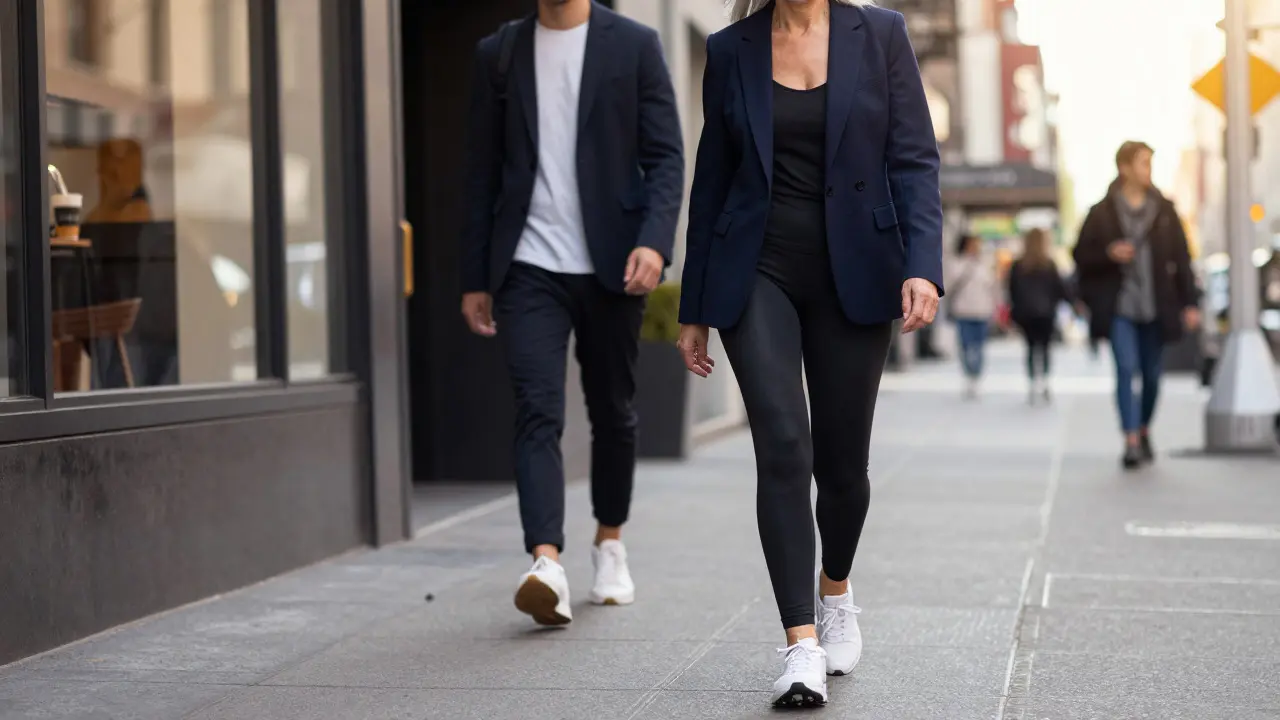
Remember when sweatpants were strictly for napping? Those days are gone. Today, walking down Fifth Avenue in New York, you’ll see a 25-year-old barista and a 65-year-old retired architect both rocking high-performance leggings with tailored blazers. This isn’t just a trend; it’s a cultural shift toward ageless style. The line between athletic gear and everyday fashion has blurred completely, offering us clothing that works as hard as we do while looking sharp enough for a coffee date or a client meeting.
The secret isn’t hiding your age-it’s ignoring it. Modern performance fabrics have evolved to offer compression, breathability, and moisture-wicking properties that benefit everyone, regardless of how often they hit the treadmill. The challenge now is styling these pieces so they look intentional, not accidental. Let’s break down how to build a wardrobe that moves with you, from the yoga studio to the boardroom, without sacrificing comfort or class.
The Evolution of Performance Fabric
To understand why this style works, you have to look at the material. Ten years ago, "activewear" meant shiny polyester that squeaked when you moved and held onto odors like a champ. Today, brands are engineering textiles that mimic natural fibers but outperform them in durability and care.
Four-way stretch is a fabric technology that allows material to expand and contract in all directions, providing unrestricted movement. This is crucial for an ageless aesthetic because it eliminates the bagginess that can make older wearers look frumpy or younger wearers look sloppy. Instead of loose, shapeless cotton tees, think fitted tops made from blends of nylon and elastane that hold their shape after thirty washes.
Moisture-wicking technology, once reserved for marathon runners, is now standard in casual wear. It keeps you dry during a hot commute on the subway or a sudden summer rainstorm. But here’s the real game-changer: odor resistance. Silver-ion treatments and antimicrobial weaves mean you can wear that same stylish top twice before washing, which is better for the environment and easier on your laundry schedule.
Styling Rules for Every Decade
The beauty of ageless style is its flexibility. However, the way you execute it might change slightly depending on your life stage and personal vibe. Here’s how to approach it:
- In Your 20s and 30s: Lean into bold colors and cropped silhouettes. High-waisted bike shorts paired with an oversized graphic tee and chunky sneakers create a street-style look that’s effortlessly cool. Add a denim jacket to transition from a workout to a brunch spot.
- In Your 40s and 50s: Focus on structure and length. Midi-length leggings or tapered joggers offer more coverage while maintaining a sleek profile. Pair them with a long-line cardigan or a structured trench coat. Neutral tones like charcoal, navy, and olive green exude sophistication and hide any potential wear-and-tear.
- In Your 60s and Beyond: Prioritize ease of movement and support. Look for pieces with higher waistbands for core support and matte finishes that don’t highlight every curve. A flowy, performance-fabric tunic over slim-fit capris creates a graceful silhouette that’s comfortable for all-day wear.
The common thread? Fit is everything. Ill-fitting activewear looks cheap, regardless of the price tag. Always try on multiple sizes if you’re buying online, and don’t be afraid to tailor hems if needed.
Key Pieces for a Versatile Wardrobe
You don’t need a closet full of options to pull this off. Start with these five foundational items that mix and match seamlessly:
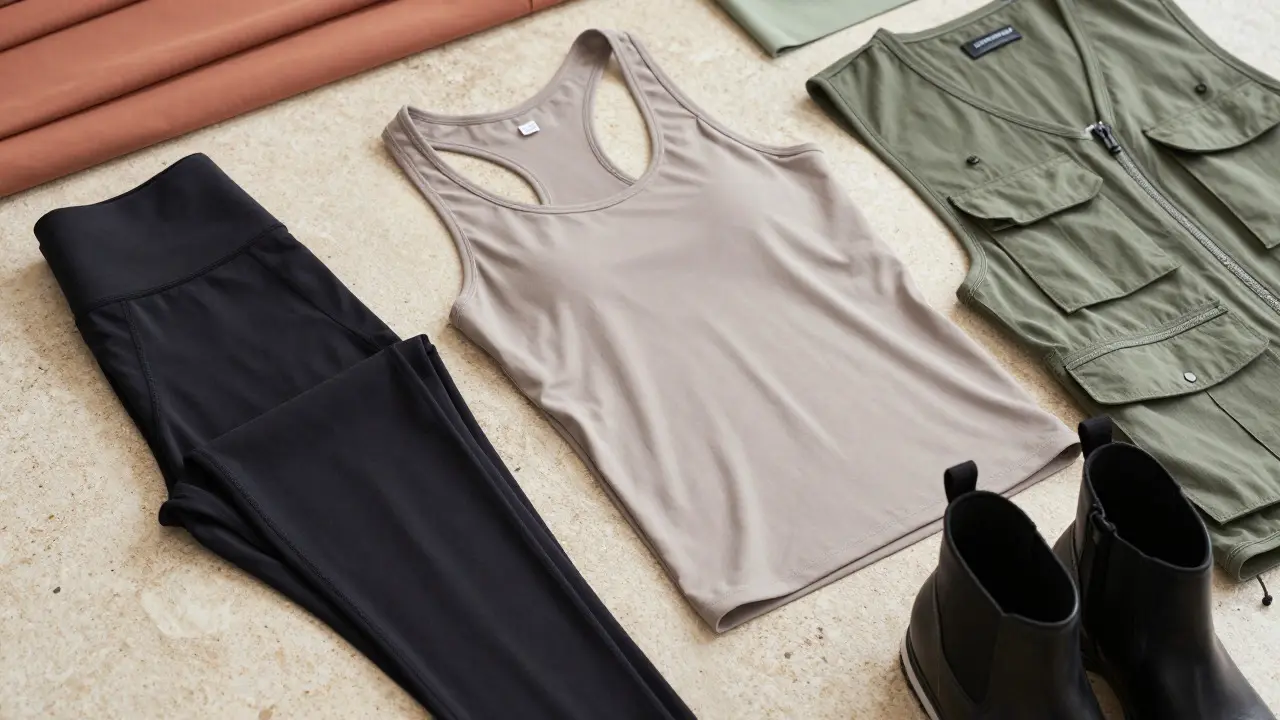
- The Black Legging: Choose a thick, opaque fabric (look for "squish test" reviews online). These go with everything.
- The Seamless Tank: A racerback tank in a neutral color provides layering potential without bulk.
- The Utility Vest: Adds structure and pockets, transforming athletic wear into outdoor-chic attire.
- The Sneaker-Boot Hybrid: Shoes that look like boots but feel like trainers bridge the gap between rugged and refined.
- The Oversized Blazer: Throw this over any activewear set to instantly elevate the look for dinner or meetings.
Invest in quality here. Cheap synthetics pill quickly and lose elasticity. Brands like Lululemon, Athleta, and Vuori have raised the bar, but many mid-range retailers now offer comparable quality at lower prices. Check the label for nylon-spandex blends rather than 100% polyester for a softer hand feel.
Fabrics That Flatter and Last
Not all performance fabrics are created equal. Understanding the difference helps you avoid common pitfalls like sheerness or pilling.
| Fabric Type | Best For | Durability | Aesthetic |
|---|---|---|---|
| Nylon-Spandex Blend | Daily wear, yoga, light cardio | High | Soft, matte finish |
| Polyester Mesh | High-intensity workouts, ventilation | Medium | Sporty, technical look |
| Bamboo Viscose | Low-impact activities, sensitive skin | Low-Medium | Flowy, luxurious drape |
| Tencel Lyocell | Eco-conscious daily wear | High | Smooth, elegant |
Avoid shiny fabrics unless you’re actually going to the gym. Matte finishes reflect less light, creating a slimming effect and a more polished appearance. Also, check the opacity. Hold the fabric up to a light source; if you can see your fingers through it, it will likely be sheer when stretched.
Color Theory for Timeless Appeal
While neon brights have their place in fitness, they rarely translate well to casual settings. Stick to a cohesive color palette to maximize outfit combinations. Earth tones-terracotta, sage green, mustard yellow-are having a major moment and work beautifully across all ages. They add warmth without being overwhelming.
Monochromatic dressing is another powerful tool. Wearing different shades of the same color (e.g., beige top, camel pants, tan shoes) creates a streamlined, elongated silhouette that looks expensive and intentional. It’s a foolproof strategy for those unsure about mixing patterns or textures.

Maintaining Your Investment
Performance clothing requires specific care to maintain its shape and function. Washing them in hot water or using fabric softener can break down the elastic fibers and clog the moisture-wicking pores.
Always wash activewear in cold water on a gentle cycle. Turn garments inside out to protect the outer surface from friction. Air drying is ideal, but if you must use a dryer, choose the lowest heat setting. Avoid ironing directly on synthetic fabrics, as they can melt. With proper care, your favorite pieces should last for years, making them a cost-effective addition to your wardrobe.
Common Mistakes to Avoid
Even with the best intentions, some styling choices fall flat. Don’t pair head-to-toe tight activewear unless you’re exercising. It can look costumey rather than chic. Instead, balance tight bottoms with loose tops, or vice versa. Also, skip the visible logos. Large branding screams "brand loyalty," while subtle tags whisper "good taste." Finally, ensure your footwear matches the context. White leather sneakers clean up any athletic outfit, while muddy trail runners belong outside.
Can I wear activewear to work?
Yes, if styled correctly. Pair dark, opaque leggings with a tucked-in blouse and a blazer. Swap sneakers for loafers or ankle boots. The key is balancing casual elements with structured, professional pieces.
What fabric is best for sensitive skin?
Look for bamboo viscose or Tencel lyocell blends. These materials are naturally hypoallergenic, breathable, and soft against the skin, reducing irritation compared to rougher synthetics.
How do I know if leggings are too sheer?
Perform the squat test. If you can see your underwear or skin clearly when bending your knees, the fabric is too thin. Opt for thicker, double-layered constructions for guaranteed opacity.
Is it okay to mix athletic shoes with non-athletic clothes?
Absolutely. Clean, minimalist white sneakers pair well with jeans, dresses, and skirts. Just ensure the shoes are in good condition and complement the overall color scheme of your outfit.
Where can I find affordable high-quality activewear?
Check outlet stores, end-of-season sales, and reputable mid-range brands like Old Navy Active or Target’s All in Motion line. Reading customer reviews regarding fit and durability is essential before purchasing.