

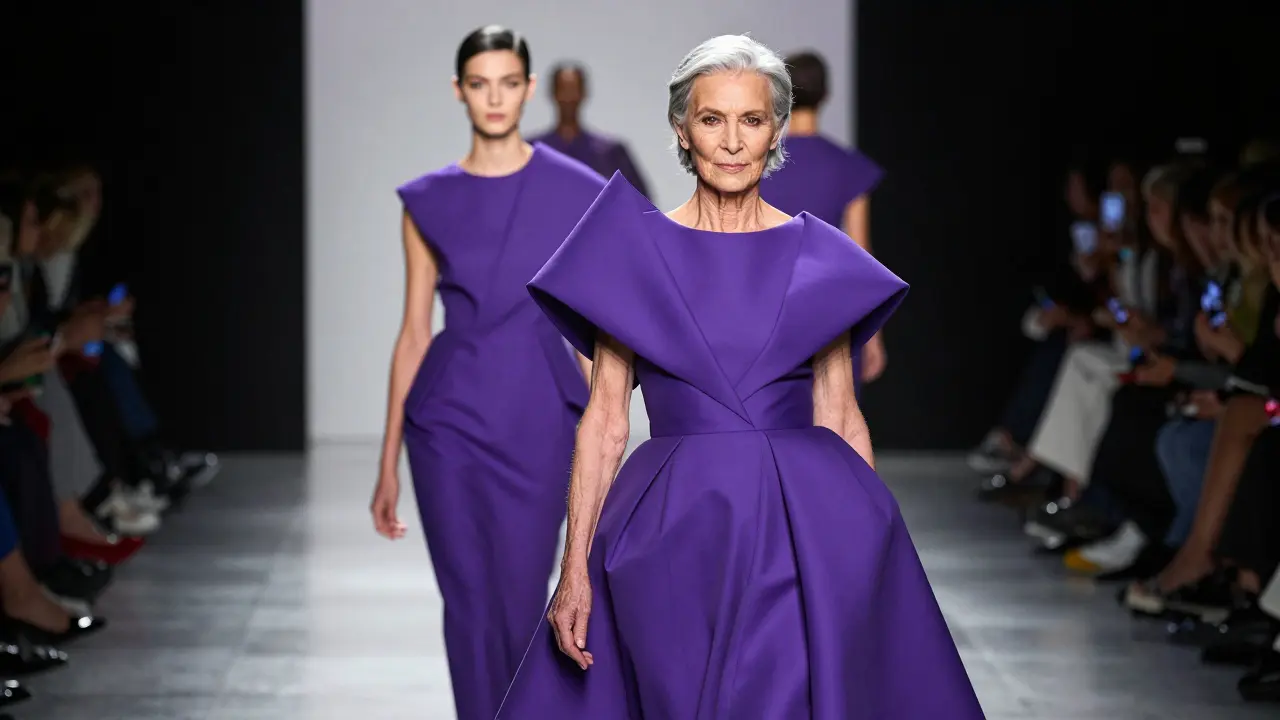
For decades, the runway was a gated community. If you weren't 19 years old, 5'10", and looked like you'd never seen a carb in your life, you weren't getting a slot in a major show. But look at the recent collections in Paris and Milan, and you'll see something different. Women in their 60s, 70s, and even 80s are strutting alongside Gen Z talent, wearing the same avant-garde silhouettes. This isn't just a feel-good PR stunt; it's a fundamental shift in how the industry views beauty and profit.
Quick Takeaways: The Shift Toward Age Diversity
- Market Reality: The "Silver Economy" holds more disposable income than almost any other demographic.
- Brand Authenticity: Consumers are tired of airbrushed perfection and want to see how clothes actually drape on mature bodies.
- Cultural Shift: Age is no longer seen as a decline, but as an evolution of style.
- Industry Impact: Casting directors are prioritizing "character" and presence over rigid age brackets.
The Death of the "Expiration Date" in Modeling
There used to be an invisible wall in the modeling world. Once a model hit 25, they were often transitioned to "commercial" work-think toothpaste ads or pharmaceutical brochures. Now, we're seeing the rise of ageless style is a fashion philosophy that rejects age-based dressing rules, emphasizing personal expression and fit over chronological age. This movement has pushed brands to realize that a 65-year-old woman isn't just a "grandmother"-she's a customer with a specific aesthetic and a high budget.
When a brand like Gucci or Prada puts a mature model on the runway, they aren't just being kind. They are signaling to a massive, underserved market that they are welcome. If you've ever looked at a high-fashion gown and wondered, "Would that actually look good on me at 55?", the answer is now being provided in real-time by models who look like you. This removes the friction from the buying process. You don't have to imagine the fit; you see it.
Following the Money: The Power of the Silver Economy
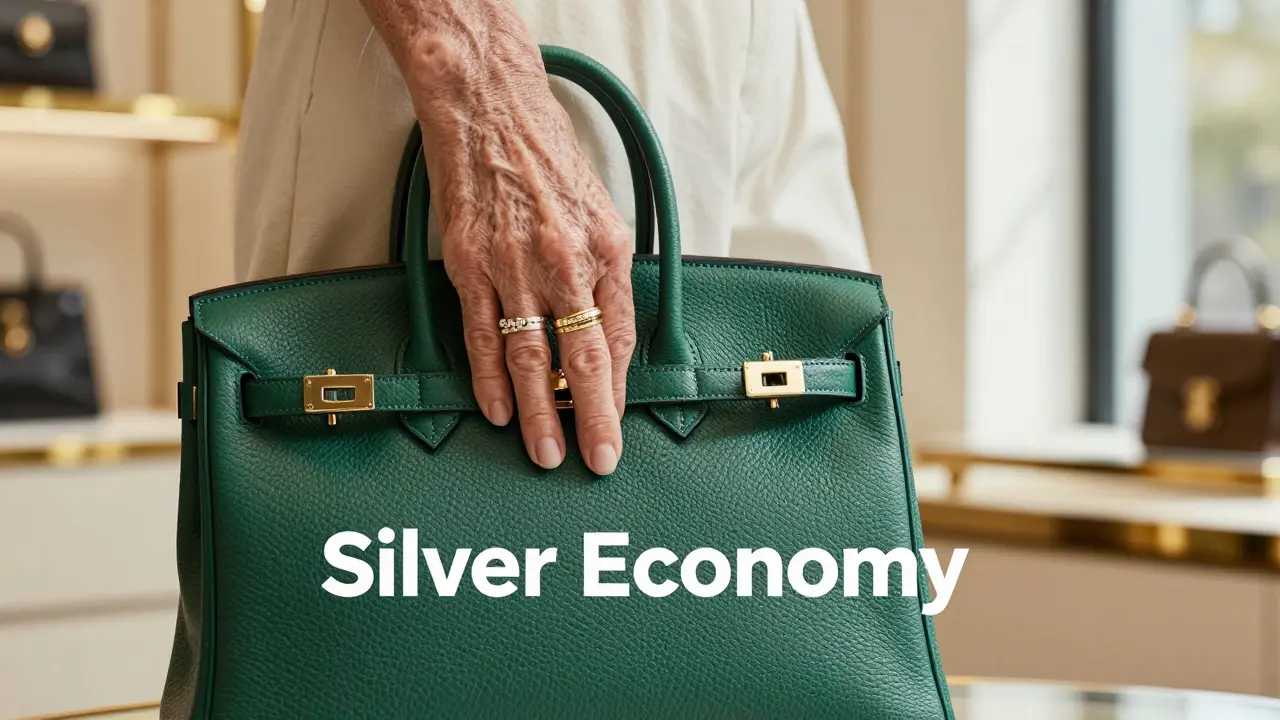
Let's be honest: fashion follows the money. The Silver Economy refers to the economic activities and consumption patterns of people aged 50 and above. In the US and Europe, this demographic controls a staggering percentage of household wealth. For too long, luxury houses ignored them, assuming they wanted "sensible" clothes. They were wrong.
Modern 60-somethings are not dressing like their parents. They are buying streetwear, investing in bold jewelry, and shopping for luxury handbags. By including older models, brands are creating a visual bridge between their product and the people most likely to actually buy it. It's a strategic pivot toward inclusivity that doubles as a growth strategy. Why limit your customer base to people who are barely old enough to buy a drink when you can appeal to the people who actually own the house?
| Feature | Traditional Model Standard | Age-Inclusive Approach |
|---|---|---|
| Primary Age Range | 16-25 years old | 18-80+ years old |
| Casting Focus | Symmetry and youth | Presence, character, and authenticity |
| Target Audience | Aspirational youth | Multi-generational consumers |
| Clothing Fit | Sample sizes for a specific build | Diverse body types and ages |
Breaking the "Dress Your Age" Myth
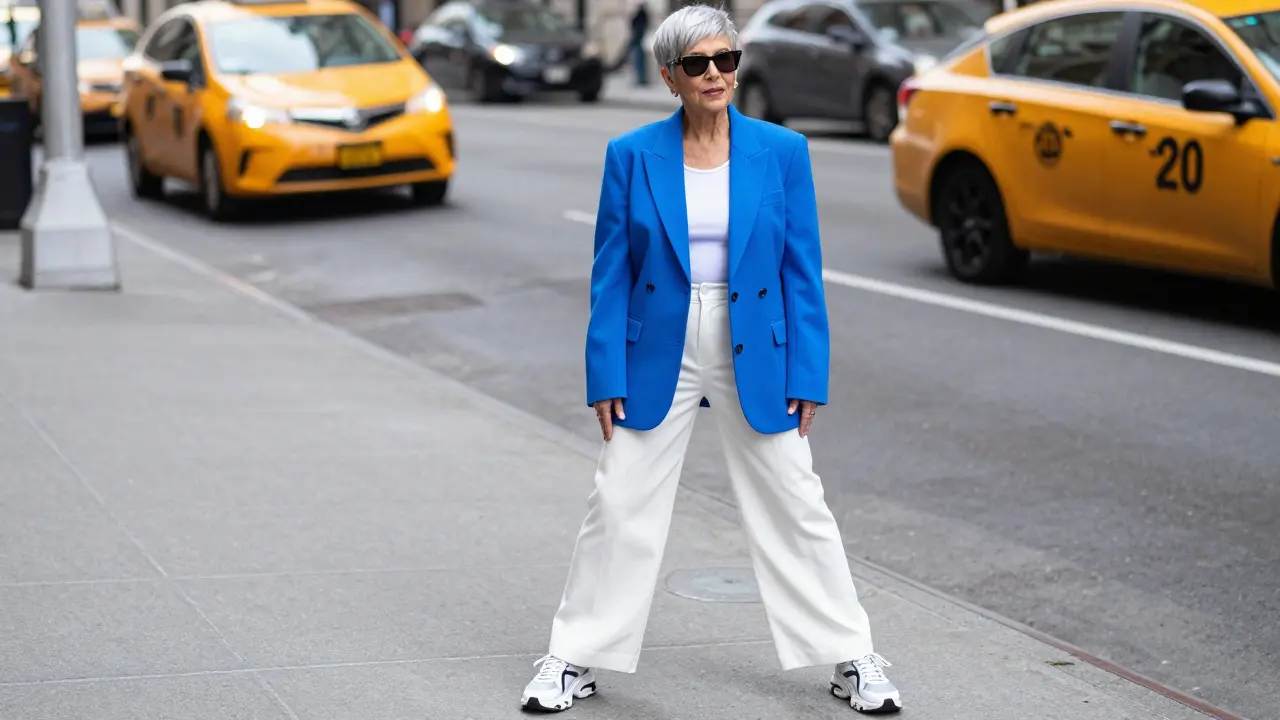
We've all heard it: "You can't wear that at your age." It's one of the most oppressive phrases in fashion. The current trend of including diverse ages at Fashion Week-the series of high-profile events in cities like New York City, London, Milan, and Paris-is effectively killing that myth. When we see a model with silver hair wearing a neon oversized blazer or a sheer slip dress, it validates the idea that style is about confidence, not a birth date.
This shift is also influenced by the rise of Social Media platforms like Instagram and TikTok, where "granfluencers" have built massive followings. These creators have proven that there is a huge appetite for seeing how luxury fashion translates to older bodies. The runway is simply catching up to what's already happening on our phone screens. The demand for authenticity has outweighed the demand for an unattainable, youthful fantasy.
The Psychology of Representation
Seeing a model who reflects your own life stage does something to the brain. It moves a garment from the category of "costume" to "clothing." For a long time, older women were relegated to the "classic" or "conservative" sections of stores. By placing them in the same shows as 20-year-olds, fashion houses are asserting that maturity doesn't mean a loss of edge. It means you've had more time to refine your taste.
This also impacts the mental health of the consumers. The fashion industry has historically been a machine for making people feel inadequate. By diversifying age, the industry starts to promote a narrative of graceful evolution rather than a desperate fight against time. It's a move from anti-aging to pro-aging. When the runway reflects real life, the clothes feel more attainable, and the beauty standards feel less like a trap.
Challenges and the Road to Genuine Inclusion
Of course, it's not all perfect. There's a danger of "tokenism," where a brand hires one 70-year-old model just to check a box of diversity while keeping the rest of the cast exclusively young. Genuine inclusion means creating a balanced ecosystem where age is just one of many attributes, like height or ethnicity.
Another hurdle is the sample size. Most high-fashion samples are built for a very specific, young body type. To truly embrace ageless style, designers need to adjust their patterns. They need to consider how a garment hangs on a body that has experienced pregnancy, weight shifts, or the natural changes in posture that come with time. True inclusion happens in the atelier, not just on the catwalk.
How to Adopt an Ageless Approach to Your Own Wardrobe
You don't need a runway to practice these principles. The key is to stop asking "Is this for my age?" and start asking "Does this fit my vibe?" Here are a few rules of thumb for building a wardrobe that ignores the calendar:
- Mix High and Low: Pair a structured, "mature" piece (like a tailored blazer) with something playful or trendy (like chunky sneakers).
- Prioritize Fit Over Trends: A well-tailored pair of trousers looks better on a 70-year-old than a trendy pair that doesn't fit.
- Play with Contrast: Don't be afraid of bold colors. Silver hair provides a perfect neutral backdrop for vibrant hues like cobalt blue or emerald green.
- Invest in Quality: As you move through different life stages, the value of a great fabric-silk, cashmere, heavy wool-becomes more apparent.
Is the use of older models just a trend, or is it a permanent change?
It's a permanent shift driven by economics and culture. The aging population in developed countries means the "silver market" is too large and wealthy to ignore. Additionally, the shift toward authenticity in marketing makes the old, youth-only standard obsolete.
Do luxury brands actually design clothes for older bodies?
Many are starting to, but it's an ongoing process. While the casting is changing quickly, the patterns and sample sizes often lag behind. However, as more mature models enter the room, designers are becoming more aware of the need for diverse fits.
How can I find inspiration for ageless style?
Look beyond traditional magazines. Search for "silver influencers" or "age-diverse fashion" on platforms like Instagram and Pinterest. Study street style from cities like Tokyo and New York, where older adults often push the boundaries of fashion more than the youth do.
Does this trend apply to men's fashion as well?
Absolutely. We're seeing more "distinguished" men in their 50s and 60s appearing in campaigns for brands like Brunello Cucinelli and Giorgio Armani, moving away from the hyper-muscular youth ideal toward a look of sophisticated maturity.
What is the biggest mistake people make when trying to dress "agelessly"?
The biggest mistake is trying too hard to look "young" by wearing clothes that don't fit their current body or personal style. Ageless style isn't about pretending to be 20; it's about taking the best elements of fashion and applying them to who you are right now.
Next Steps for Your Style Journey
If you're feeling stuck in a style rut because of your age, start small. Try one piece that feels "too young" for you and pair it with something you love. Take a photo. See how it feels. The goal isn't to blend in or to perfectly mimic a 19-year-old model; the goal is to realize that the runway is finally reflecting the truth: style has no expiration date.


Write a comment