

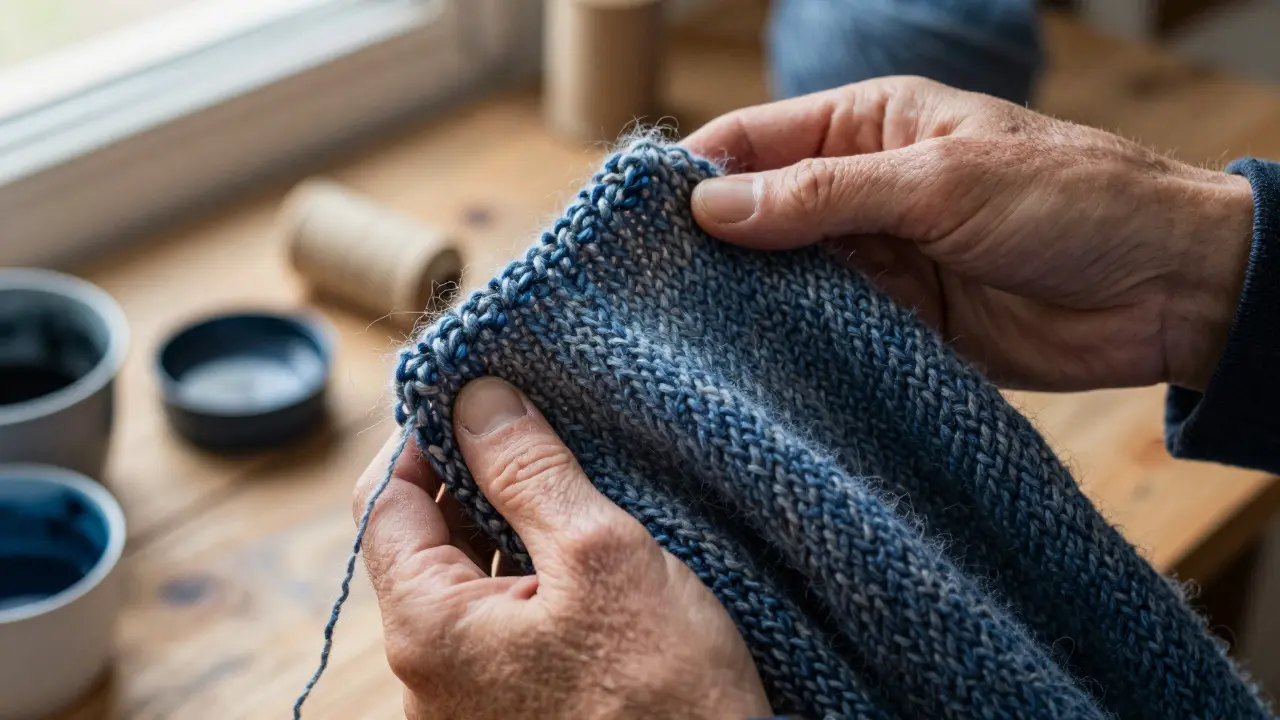
When you pull a sweater off the rack and feel the slight unevenness of the knit, notice the tiny variation in dye, or see a seam stitched by hand-you’re not just holding clothing. You’re holding time. Time spent by a maker who chose to work slowly, intentionally, and with care. That’s the heart of artisanal style.
What Makes Artisanal Style Different?
Artisanal style isn’t about looking vintage or rustic. It’s not just ‘boho’ or ‘farmhouse chic.’ It’s a philosophy built on texture, imperfection, and meaning. Unlike mass-produced garments that are cut, sewn, and shipped in under 48 hours, artisanal pieces are made in small batches, often one at a time. The fabric might be hand-dyed with natural pigments. The stitching could have a slight irregularity because it was done by a human, not a machine. These aren’t flaws-they’re signatures.
Think of the difference between a factory-printed floral shirt and one where the pattern was painted onto the fabric by hand, allowed to dry overnight, then gently pressed. The second doesn’t just look different-it feels different. It carries the energy of the person who made it. And that’s what makes it unforgettable.
The Power of Handcrafted Textures
Texture is the silent language of artisanal style. You don’t just see it-you feel it. A linen blouse with a slightly coarse weave. A wool coat with uneven nubs from hand-carded fibers. A skirt made from repurposed sari fabric, where each patch has its own history. These textures aren’t engineered to be uniform. They’re the result of natural materials, traditional techniques, and patience.
Studies from the Journal of Textile Design Research and Practice show that people report higher emotional connection to garments with visible handwork. Not because they’re ‘more expensive,’ but because they feel alive. A machine-made fabric can be flawless, but it’s silent. A handwoven fabric whispers its story with every thread.
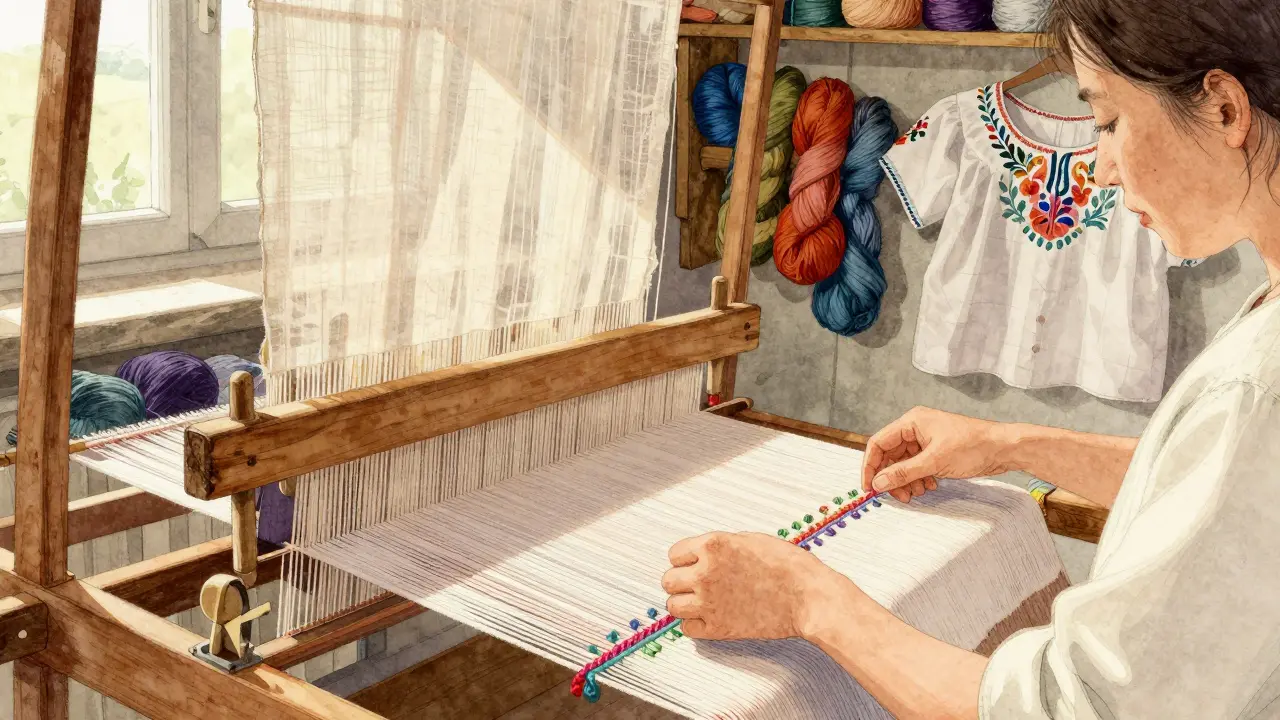
Take a look at the edge of a hand-loomed scarf. You’ll see tiny knots where the weaver changed colors. Those aren’t mistakes. They’re proof of presence. That’s what you’re buying-not just a garment, but a moment preserved.
Unique Details That Tell a Story
Mass-market fashion hides details. Zippers are hidden, seams are serged, buttons are standardized. Artisanal fashion does the opposite. It celebrates the little things.
- A button carved from buffalo horn, each one slightly different in grain and color.
- Hand-embroidered initials on the inside cuff, done with silk thread in a shade that matches the dawn.
- A hem stitched with a running stitch instead of a machine zigzag-because it moves better with the body.
- A collar shaped by hand, not a pattern, because the maker knew how it would sit on a real neck.
These aren’t decorative add-ons. They’re functional, thoughtful, and deeply personal. You won’t find them in a catalog. You’ll find them in a small studio in Oaxaca, a workshop in Kyoto, or a cottage in the Scottish Highlands. And when you wear them, you’re not just dressed-you’re connected.
Why Slow Fashion Isn’t Just a Trend
Slow fashion isn’t about buying less. It’s about buying better. And when you buy an artisanal piece, you’re not just purchasing clothing-you’re investing in a process that values people, time, and planet.
Fast fashion churns out 100 billion garments a year. The average piece is worn fewer than seven times before being discarded. Meanwhile, a single artisanal coat can take 60-120 hours to make. It’s made from organic cotton grown without pesticides, dyed with plant-based pigments, and sewn by a tailor who earns a living wage. That coat doesn’t just last longer-it lasts meaningfully.
When you choose artisanal, you’re saying no to the invisible cost: exploited labor, toxic dyes, plastic packaging, and mountains of landfill. You’re saying yes to transparency, craftsmanship, and dignity.
How to Spot Real Artisanal Style
Not every brand that says ‘handmade’ actually is. Here’s how to tell the difference:
- Check the maker’s story-Real artisans name themselves. Look for a bio, a photo, a video of the workshop. If it’s vague or corporate-sounding, it’s likely mass-produced.
- Look for variation-No two pieces should be identical. If everything looks too perfect, it’s machine-made.
- Ask about materials-Real artisanal pieces use natural fibers: cotton, wool, silk, linen, hemp. Avoid anything labeled ‘polyester blend’ unless it’s clearly recycled.
- See the inside-Factory clothes hide seams. Artisanal clothes show them proudly. Look for hand-stitched linings, exposed threads, or unfinished edges that are intentional.
- Price honestly-A hand-loomed sweater that takes 40 hours to make won’t cost $30. If it’s too cheap, it’s not truly handmade.
There’s no shortcut to authenticity. Real artisanal style doesn’t need marketing buzzwords. It speaks for itself.
Building a Wardrobe Around Artisanal Pieces
You don’t need to overhaul your closet overnight. Start small. Replace one fast-fashion item each season with an artisanal alternative.
- Swap your synthetic scarf for a handwoven wool one.
- Replace a mass-produced tote with a leather bag stitched by hand.
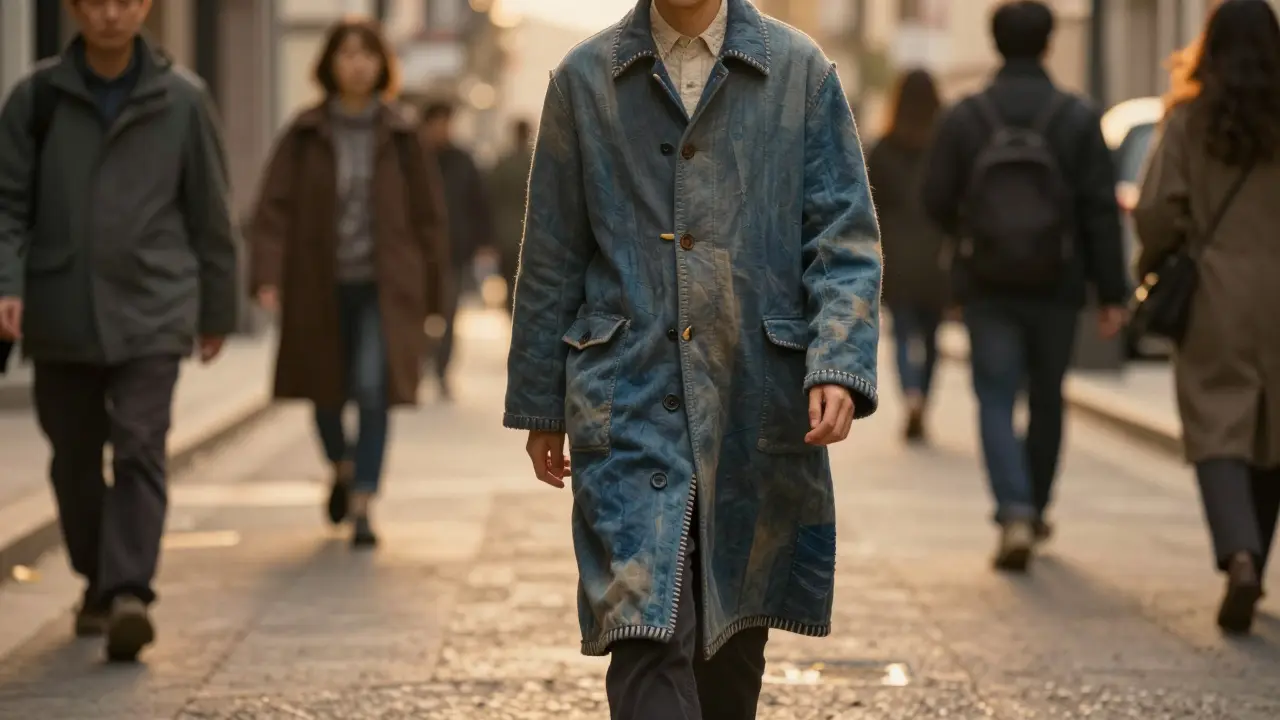
- Choose a blouse dyed with indigo over a printed polyester one.
Over time, your wardrobe becomes quieter. Fewer pieces. More meaning. You’ll find yourself wearing the same items for years-not because you’re stuck, but because you love them.
And when you do, you’ll notice something else: you stop chasing trends. You stop feeling like you need more. You start feeling like you have enough.
The Quiet Rebellion of Wearing Artisanal Style
In a world that tells you to buy faster, look newer, and change often, choosing artisanal style is a quiet act of resistance. It says: I value time over speed. I value people over profit. I value beauty that lasts.
It’s not about being perfect. It’s about being present. A slightly crooked hem doesn’t ruin a dress-it makes it real. A faded color doesn’t make a shirt old-it makes it lived-in. And that’s the beauty of artisanal style: it doesn’t pretend to be flawless. It’s honest. And that’s rare.


Write a comment