

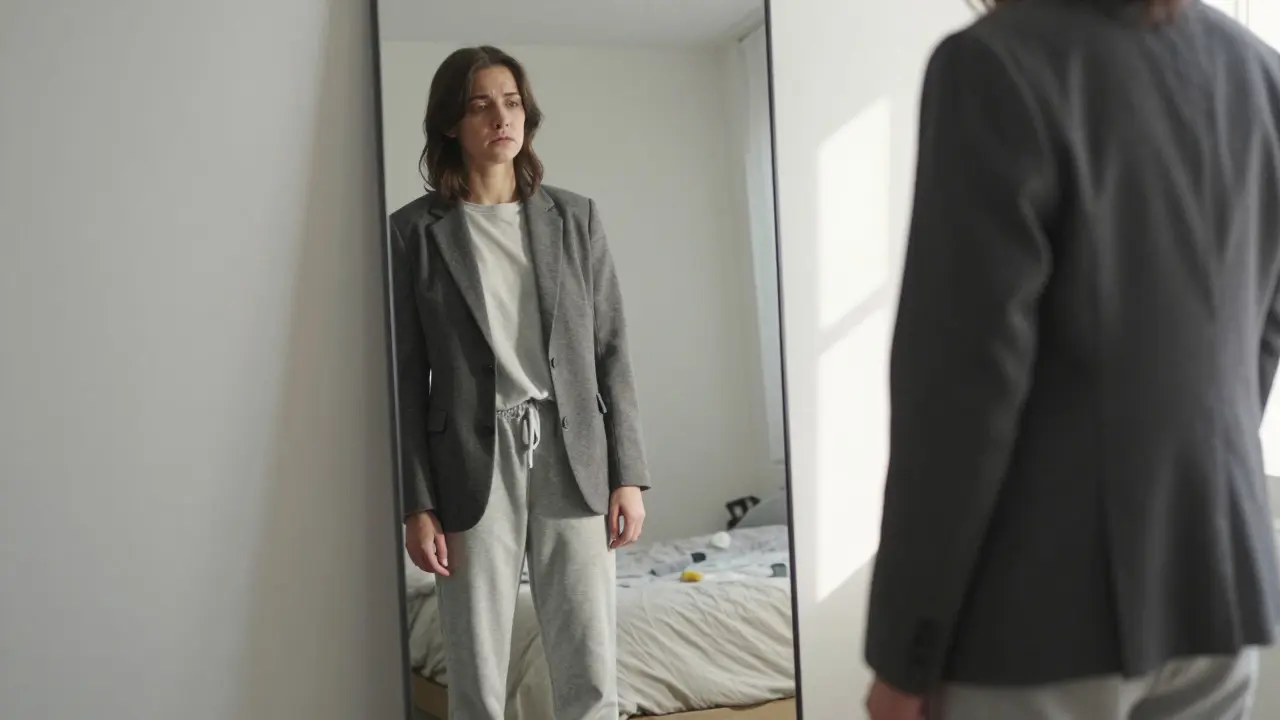
Have you ever looked in the mirror and felt like you were wearing a costume? That disconnect between who you are inside and what you’re wearing outside isn’t just an aesthetic issue. It’s a psychological one. Fashion Psychology is the study of how clothing choices affect our mood, behavior, and social interactions. When your outfit aligns with your core values, it stops being a chore and starts becoming a tool for mental well-being.
We spend hours curating content for our digital lives, yet we often default to autopilot when getting dressed. This friction creates low-grade stress that accumulates over time. By shifting from trend-chasing to value-driven dressing, you reduce decision fatigue and boost your sense of agency. The goal isn’t perfection; it’s alignment.
Why Mismatched Clothing Drains Your Energy
Cognitive dissonance occurs when your actions conflict with your beliefs. In fashion terms, this happens when you wear something that contradicts your self-image or priorities. For example, if you value sustainability but buy a cheap fast-fashion item solely because it was on sale, you might feel a subtle pang of guilt every time you see it in your closet. This isn't about judgment; it's about internal consistency.
Research in behavioral science suggests that reducing these micro-conflicts lowers cortisol levels. When your clothes reflect your identity, you save mental bandwidth. Instead of asking "Does this look okay?" you ask "Does this feel right?" This shift transforms dressing from a performance into a personal ritual.
- Decision Fatigue: Choosing outfits without a clear framework depletes willpower needed for other daily tasks.
- Imposter Syndrome: Wearing styles associated with groups you don't identify with can amplify feelings of not belonging.
- Visual Clutter: A mismatched wardrobe signals internal chaos, which can subconsciously increase anxiety.
Identifying Your Core Fashion Values
Before changing your wardrobe, you need to know what matters to you. Are you prioritizing comfort, status, creativity, or ethics? Most people have a mix, but rarely do they rank them. Try this quick exercise: list three words that describe how you want to feel when you get dressed. Then, list three things you refuse to compromise on.
For instance, a software engineer in Seattle might value practicality and comfort due to the rainy climate and remote work culture. They might prioritize technical fabrics that repel water and stretch for long days at a desk. Another person might value self-expression through bold colors or vintage pieces. There is no wrong answer, only misalignment.
| Value Profile | Key Priorities | Typical Wardrobe Items | Mental Health Benefit |
|---|---|---|---|
| The Pragmatist | Function, Durability, Low Maintenance | Technical fabrics, neutral basics, sturdy shoes | Reduces morning stress, increases reliability |
| The Creative | Uniqueness, Color, Texture | Vintage finds, statement accessories, mixed patterns | Boosts confidence, encourages playfulness |
| The Ethical Consumer | Sustainability, Fair Labor, Quality | Organic cotton, second-hand, local brands | Aligns actions with beliefs, reduces cognitive dissonance |
| The Social Connector | Approachability, Trend Awareness | Current trends, soft silhouettes, accessible fits | Facilitates social bonding, reduces social anxiety |
The Role of Enclothed Cognition
You’ve likely heard of "enclothed cognition," a term coined by psychologists Hajo Adam and Adam Galinsky. It refers to the systematic way in which our clothes influence our psychological processes. It’s not just about how others see you; it’s about how you see yourself.
In their studies, participants wearing lab coats described as "doctor's coat" performed better on attention tasks than those wearing the same coat described as "painter's smock." The meaning attached to the garment changed the outcome. Apply this to your daily life. If you view your workout gear as a symbol of discipline, you’re more likely to stick to your routine. If you view your business attire as armor, you may negotiate more assertively.
This doesn’t mean you need to dress up for everything. It means you should be intentional about the message your clothes send to your own brain. A cozy sweater worn intentionally feels different from one thrown on out of exhaustion. The intent changes the experience.

Practical Steps to Align Your Wardrobe with Your Life
Changing your approach doesn’t require buying new clothes. In fact, it usually means keeping less. Here is a practical framework to start aligning your wardrobe with your mental health goals.
- Audit for Friction: Go through your closet and identify items that make you hesitate. Do you avoid wearing them because they’re uncomfortable? Do they feel "too much"? These are candidates for donation or storage.
- Define Your Uniform: Identify two or three go-to outfits that always make you feel good. Rotate these to minimize decision-making. Many successful professionals use this strategy to save time and energy.
- Invest in Fit: Ill-fitting clothes cause physical discomfort and visual distortion. Tailoring is often cheaper than buying new items and ensures your clothes move with your body, not against it.
- Check In Daily: Spend ten seconds looking in the mirror before leaving the house. Ask: "Do I feel like myself?" If the answer is no, adjust if possible. If not, note why for next time.
This process builds mindfulness. You start noticing how certain fabrics feel against your skin, how specific colors lift your mood, and how structured shoulders change your posture. These small observations compound into a stronger connection between your external appearance and internal state.
Overcoming Common Barriers to Authentic Dressing
Even with good intentions, barriers exist. Cost is the most common objection. However, authenticity often leads to spending less in the long run. When you stop buying impulse items that don’t fit your style, your budget goes further. You invest in fewer, higher-quality pieces that last longer.
Social pressure is another hurdle. Fear of judgment can keep us in safe, boring outfits. But remember, most people are too focused on themselves to scrutinize your outfit. Studies show that observers pay far less attention to others' clothing than we assume. The "spotlight effect" exaggerates our visibility. Once you realize how little people notice, the freedom to dress authentically becomes easier.
Finally, there’s the barrier of time. Building a cohesive wardrobe takes effort. Start small. Pick one category-shoes, shirts, or pants-and refine it first. Mastering one area builds confidence to tackle the rest.
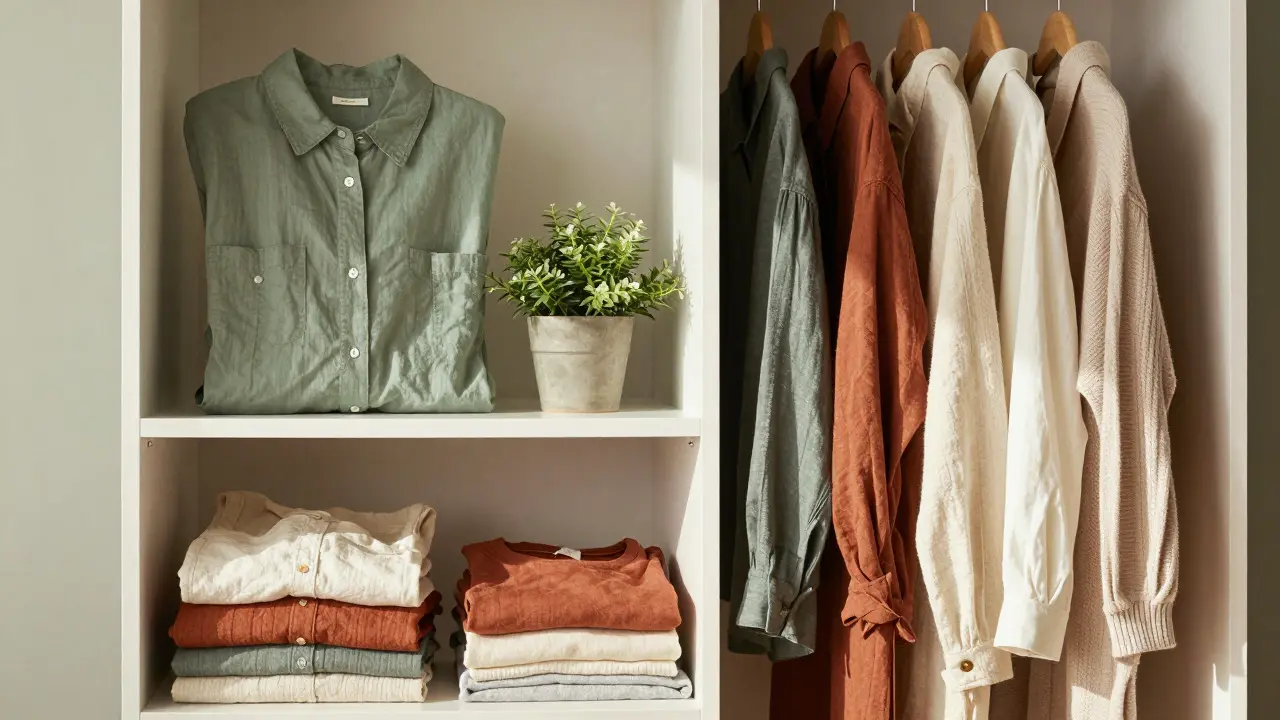
How Seasonal Changes Impact Mental Alignment
Living in places like Seattle, where weather shifts dramatically, adds a layer of complexity. Rainy seasons can lead to a monotonous gray wardrobe, which might dampen spirits. To combat this, incorporate "joy items" that are functional. A bright yellow raincoat serves a practical purpose but also injects color into a gloomy day. This dual function supports both physical needs and emotional well-being.
Transitioning between seasons is also a chance to reset. Don’t let winter layers linger into spring just because they’re still warm enough. Shedding heavy clothes physically lightens your load, which psychologically mirrors letting go of past burdens. Use seasonal transitions as cues to re-evaluate your values. What felt important in January might not hold the same weight in August.
Building a Sustainable Feedback Loop
Authentic dressing isn’t a one-time fix; it’s a habit. Create a feedback loop by journaling briefly after trying new combinations. Note how you felt during the day. Did you feel energized? Tired? Confident? Over time, patterns emerge. Maybe you consistently feel best in earth tones. Or perhaps you find that overly tight jeans restrict your breathing and focus.
This data helps you prune your wardrobe more effectively. You stop guessing and start knowing. The relationship between your clothes and your mind becomes clearer. You become the curator of your own experience, rather than a passive consumer of trends.
Does fashion psychology only apply to professional settings?
No, fashion psychology applies to all aspects of life. Whether you are working from home, attending a casual gathering, or exercising, your clothing choices influence your mindset and behavior. The key is matching the outfit to the context and your personal values for that situation.
What if I don't have a consistent style?
Inconsistency is normal. Style evolves as you do. Instead of forcing a rigid aesthetic, focus on consistent values. If your core value is comfort, your style might change in cut and color, but the fabric and fit will remain similar. This provides stability while allowing for growth.
How much money do I need to spend to dress authentically?
You can dress authentically on any budget. Thrifting, swapping with friends, and investing in tailoring are cost-effective ways to build a aligned wardrobe. The goal is quality and fit, not price tags. Often, less is more when it comes to mental clarity.
Can clothing really change my mood?
Yes, through enclothed cognition. The symbolic meaning of your clothes triggers psychological responses. Wearing something you associate with success or comfort can prime your brain for positive outcomes. It’s a subtle but powerful tool for managing daily emotions.
What should I do if my job has a strict dress code?
Find authenticity within the constraints. If you must wear a suit, choose fabrics that feel good and cuts that flatter your body. Add personal touches like unique accessories or subtle colors if allowed. The goal is to feel comfortable and confident within the required framework.