

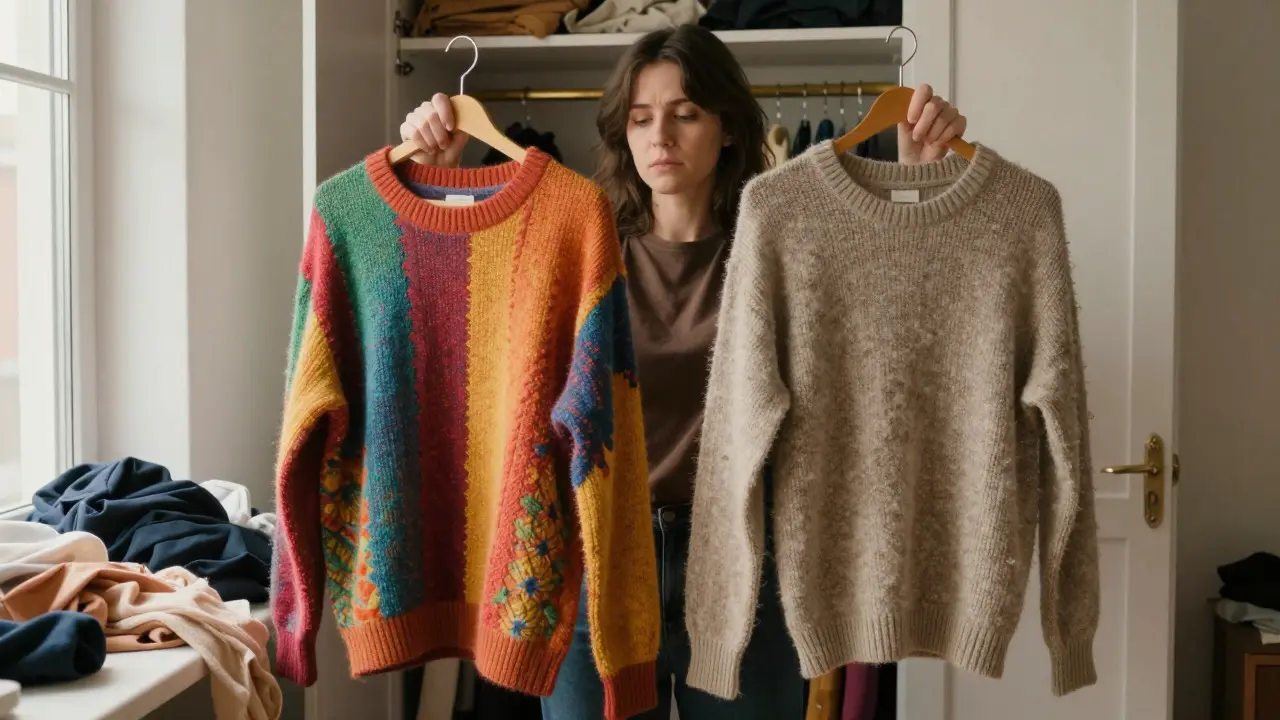
You’ve probably been there. You’re scrolling through social media, seeing influencers wear outfits that look like they stepped out of a high-end editorial spread. You buy the same piece-a chunky knit sweater or wide-leg trousers-hoping it will spark that same confidence. But when you put it on, something feels off. It’s not just the fit; it’s the vibe. The clothes don’t feel like *you*. They feel like a costume.
This disconnect is the core problem with modern fashion advice. We are often told to follow trends rather than build a foundation. But authenticity in fashion isn’t about rejecting style; it’s about aligning your external appearance with your internal reality. In 2026, where AI-generated looks and fast-fashion micro-trends cycle faster than ever, building a personal style that feels genuine is more important-and more difficult-than ever before.
So, how do you strip away the noise? How do you move from copying others to creating a wardrobe that actually serves your life? Let’s break down the process of finding your true style identity, step by step.
The Myth of the "Blank Canvas"
Most style guides start by telling you to clear out your closet and start fresh. This is bad advice for beginners. Your current wardrobe is data. It contains clues about what you naturally gravitate toward, even if those choices were made under the influence of peer pressure or fleeting trends.
Instead of throwing everything away, perform an audit. Pull every item out of your closet. As you handle each piece, ask yourself two questions: Does this make me feel confident? Do I reach for this when I’m stressed or busy?
If the answer to both is yes, keep it. If the answer is no, set it aside. Don’t judge the items yet. Just observe the patterns. Do you find yourself keeping mostly neutral colors? Are most of your kept items soft fabrics like cotton or wool? Do you prefer structured blazers or flowy dresses? These answers reveal your style foundations. They are the non-negotiable elements of your comfort zone.
For example, if you notice that 80% of your favorite pieces are black or navy, forcing yourself into pastels because they’re “in” will always feel wrong. Authenticity starts with accepting these natural preferences, not fighting them.
Defining Your Lifestyle Reality
A common mistake people make is dressing for the life they wish they had, not the one they actually live. If you work remotely from your couch, buying five pairs of tailored dress pants is a waste of money and space. Those clothes will sit in the back of your closet, gathering dust and guilt.
Take a honest look at your weekly schedule. Break it down by activity:
- Work/Professional: What is the actual dress code? Is it business formal, business casual, or creative casual?
- Leisure/Social: Where do you spend your free time? Coffee shops, hiking trails, art galleries, or home?
- Climate/Environment: Do you live in a place with harsh winters or humid summers? Your location dictates fabric choices.
In New York City, for instance, layering is essential. A stylish outfit that fails because you’re freezing on the subway isn’t a good outfit. Practicality is a key component of authenticity. If your clothes fight against your daily routine, you’ll eventually abandon them for sweatpants.
Map your wardrobe needs to these percentages. If 70% of your week is spent in casual settings, 70% of your budget and closet space should reflect that. This alignment reduces decision fatigue and ensures you always have something appropriate to wear.

Identifying Your Color Palette and Silhouette
Once you know your lifestyle needs, you need to refine the aesthetic details. Two major factors determine whether clothes look "right": color harmony and body silhouette.
Color analysis has become popular recently, but you don’t need a professional consultant to get started. Look at your skin tone, hair color, and eye color in natural light. Do warm tones (golds, oranges, earthy greens) make you look vibrant, or do cool tones (silvers, blues, purples) bring out your features? If you look tired in bright yellow but glowing in emerald green, your palette leans cool. Wearing colors that clash with your natural undertones can make even expensive clothes look cheap or washed-out.
Silhouette is equally important. This refers to the shape of the garment relative to your body. Some people feel empowered in tight, form-fitting clothing. Others feel restricted and prefer loose, oversized cuts. Neither is objectively better. The goal is to identify which shapes make you feel powerful and comfortable.
| Archetype | Key Characteristics | Typical Fabrics | Best For |
|---|---|---|---|
| Minimalist | Clean lines, neutral colors, lack of logos | Cotton, linen, fine wool | Professional settings, low-maintenance lifestyles |
| Eclectic/Bold | Mixing patterns, bright colors, unique accessories | Silk, velvet, printed cottons | Creative industries, social events |
| Classic/Tailored | Structured fits, traditional cuts, timeless pieces | Tweed, gabardine, leather | Corporate environments, formal occasions |
| Streetwear/Casual | Oversized fits, sneakers, graphic elements | Denim, jersey, technical synthetics | Urban living, active leisure |
You might resonate with one archetype, or you might be a hybrid. Maybe you’re a "Minimalist with a Twist," preferring neutrals but adding one bold accessory. Identifying this mix helps you shop with intention.
The Power of the Capsule Wardrobe
Now that you have your foundations, it’s time to build. The concept of a capsule wardrobe is often misunderstood as having only ten items. In reality, it’s about having a core collection of interchangeable pieces that all work together.
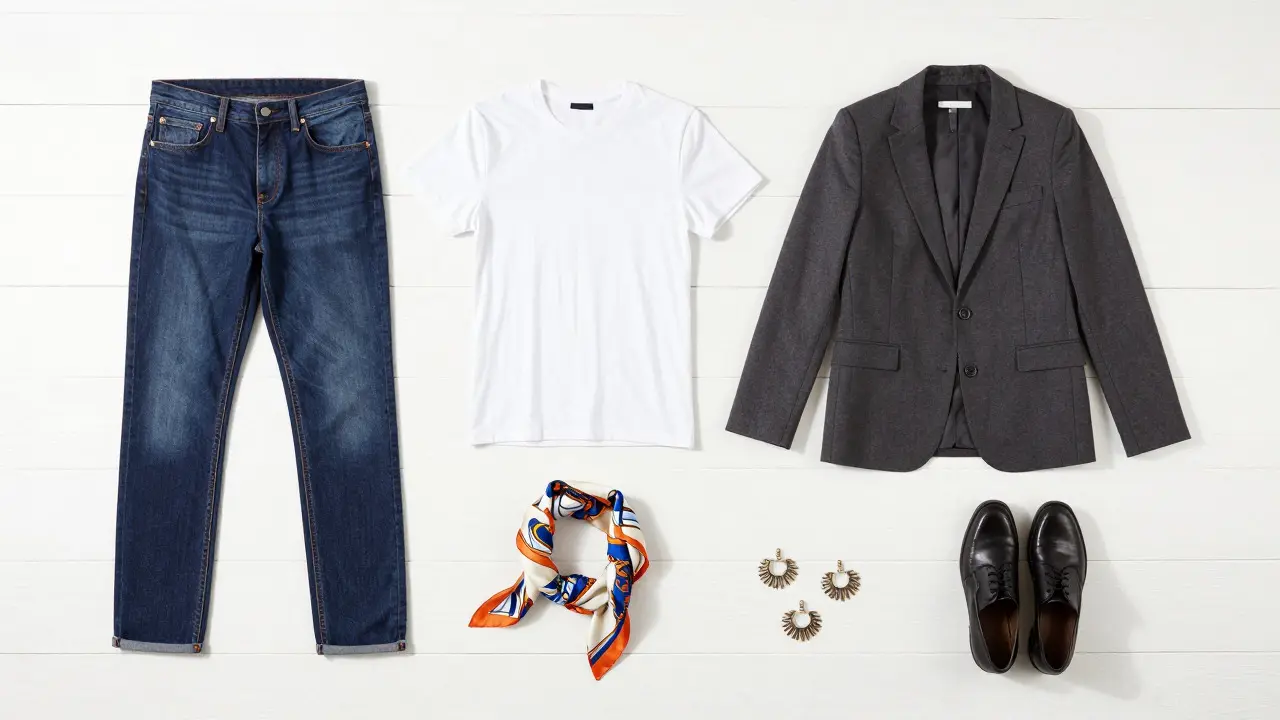
Start with basics. High-quality jeans, a well-fitted t-shirt, a versatile blazer, and comfortable shoes. These are your anchors. Once you have these, add "personality pieces." This could be a vintage jacket, a colorful scarf, or unique jewelry. The ratio should be roughly 80% basics to 20% statement items.
This approach saves money and reduces clutter. When every top matches every bottom, getting dressed takes minutes instead of hours. It also encourages sustainability. Instead of buying cheap, trendy items that fall apart after three washes, you invest in fewer, higher-quality pieces that last years.
Look for brands that prioritize ethical manufacturing and durable materials. In 2026, transparency is key. Check if a brand publishes its supply chain information. If they don’t, ask why. Supporting companies that align with your values adds another layer of authenticity to your style.
Overcoming Imposter Syndrome in Style
Even with a great wardrobe, you might still feel like you’re "faking it." This is imposter syndrome, and it’s common. You see someone else wearing a similar outfit and think, "They pull it off better than I do."
Remember that confidence comes from repetition. Wear your new outfits around the house first. Get used to how the fabric feels, how the weight sits on your shoulders. Take photos of yourself. Often, we are our own harshest critics. Seeing yourself in different lighting and angles can help you appreciate the look.
Also, consider the role of grooming and posture. A simple outfit can look incredible if your hair is neat and your posture is open. Conversely, an expensive suit can look sloppy if you’re slouching. Style is holistic. It includes how you carry yourself, not just what you wear.
Adapting Without Losing Yourself
Your style shouldn’t be static. People change, careers shift, and tastes evolve. Authenticity doesn’t mean being stuck in the past. It means evolving intentionally.
Every six months, revisit your closet. What’s missing? What’s no longer serving you? Maybe you’ve started running and need more athletic wear. Maybe you’ve moved to a warmer climate and need lighter fabrics. Adjust your capsule accordingly.
Don’t be afraid to experiment within your boundaries. If you usually wear black, try dark grey or deep burgundy. If you prefer loose fits, try a slightly more tailored cut. Small shifts keep your style fresh without making you feel like a stranger in your own clothes.
Building a personal style is a journey, not a destination. It requires self-reflection, patience, and a willingness to let go of what doesn’t fit-both physically and emotionally. By focusing on your lifestyle, your natural preferences, and quality over quantity, you create a wardrobe that truly feels like you.
How do I find my personal style if I have no idea where to start?
Start by auditing your current wardrobe. Identify the items you love wearing and analyze their common traits (color, fit, fabric). Then, look at your lifestyle to determine what you actually need. Combine these insights to define your basic preferences before shopping for new items.
What is the difference between a trend and a personal style?
Trends are temporary, externally driven fads that change seasonally. Personal style is consistent, internally driven, and reflects your individual personality and lifestyle. Trends can be incorporated into your style, but they should never dictate it entirely.
How many items should be in a capsule wardrobe?
There is no fixed number, but a typical capsule wardrobe ranges from 30 to 50 items, including tops, bottoms, outerwear, and shoes. Exclusions usually include underwear, workout gear, and specialized occasion wear. The key is versatility, not scarcity.
Can I have an authentic style on a budget?
Yes. Authenticity is about fit, comfort, and alignment with your personality, not price tags. Thrift stores, outlet sales, and affordable basic brands offer plenty of options. Focus on buying fewer, better-quality items that last, rather than many cheap ones that break quickly.
How often should I update my personal style?
You should review your style every six months to a year. Life changes, such as career shifts or moving to a new city, may require adjustments. However, your core style foundations should remain relatively stable unless your personal identity significantly evolves.