


There is nothing quite like the feeling of having your baby close to you while keeping your hands free. But let's be honest-getting dressed for babywearing can feel like a puzzle you're solving every single morning. You want to look good, stay cool (or warm), and make sure that thick fabric of the baby carrier doesn't turn you into a sweating mess by noon.
If you've ever tried to squeeze into a tight t-shirt only to realize it rides up under the weight of a six-month-old, you know the struggle. The secret isn't buying an entirely new wardrobe. It’s about smart layering. By choosing the right fabrics and cuts, you can create outfits that support your back, keep your baby comfortable, and still look put-together enough for a coffee date or a grocery run.
The Foundation: Breathable Base Layers
Everything starts with what touches your skin. When you are wearing a wrap sling or a structured carrier, friction and heat build up quickly against your torso. A standard cotton tee might seem fine, but if it’s too thin, it will cling when you sweat. If it’s too thick, it adds unnecessary bulk between you and the baby.
You need a base layer that wicks moisture away from your body. Look for lightweight bamboo blends or high-quality modal fabrics. These materials are naturally breathable and soft, which means less chafing on your shoulders and chest. Avoid synthetic polyester blends unless they are specifically designed for athletic performance; otherwise, they trap heat and smell bad after just one use.
- Fabric choice: Bamboo viscose or Tencel lyocell are top picks for breathability.
- Fit: Go for a relaxed fit rather than fitted. You need room for the carrier straps to sit flat without digging in.
- Length: Choose shirts that hit at least mid-hip. This prevents the shirt from riding up when you bend over to pick up toys or adjust the baby’s position.
Strategic Layering for Structure and Support
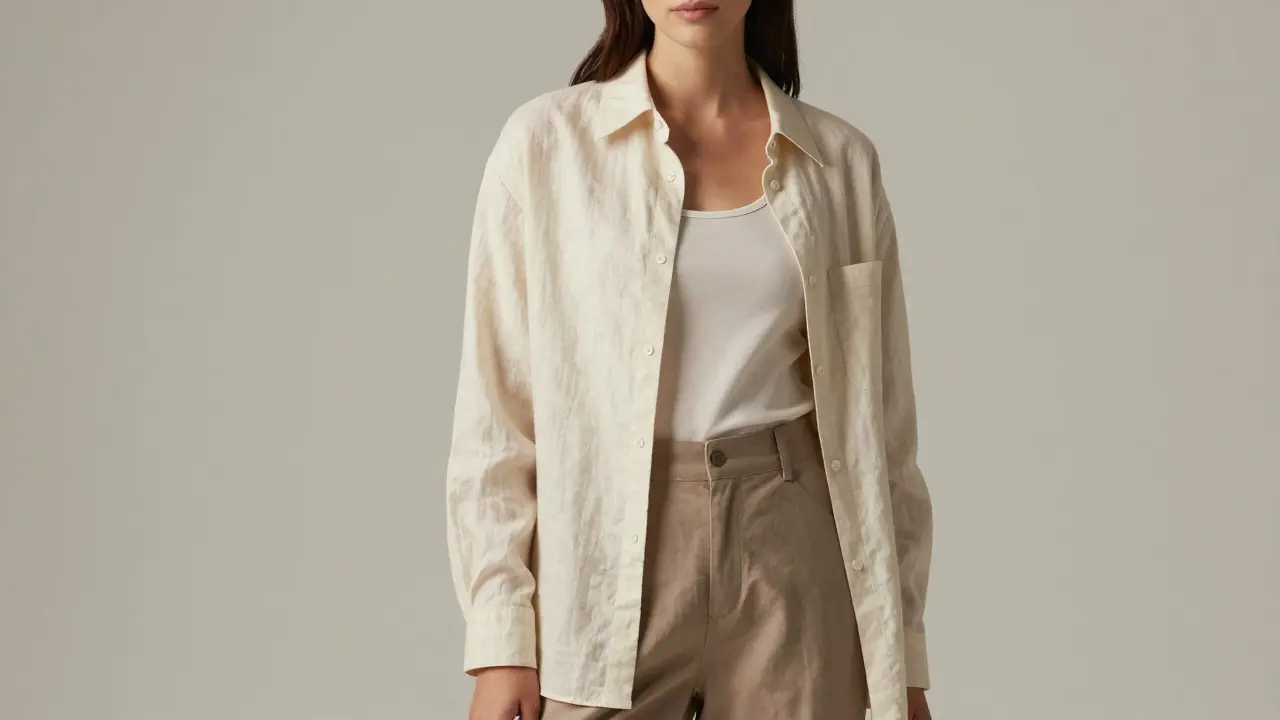
This is where most people get it wrong. They think they need to wear bulky sweaters or heavy jackets. Actually, the second layer should provide structure without adding weight. A light cardigan, a long-line tank top, or a loose linen button-down works perfectly here.
Why does this matter? Because baby carriers distribute weight across your hips and shoulders. If you wear a tight waistband or a stiff jacket, it creates pressure points that lead to back pain. A flowing outer layer allows the carrier’s load-bearing straps to do their job without restriction. Plus, if you plan to nurse, a front-opening cardigan or a wrap-style top gives you discreet access without having to undo the entire carrier.
| Fabric Type | Breathability | Durability | Best For |
|---|---|---|---|
| Bamboo Viscose | High | Medium | Hot weather, sensitive skin |
| Linen Blend | Very High | High | Summer outings, casual looks |
| Cotton Jersey | Medium | High | Everyday wear, machine washing |
| Merino Wool | High (temp regulating) | Very High | Cold weather, travel |
Hip Seats vs. Wraps: Adjusting Your Outfit Strategy
Not all carriers are created equal, and your outfit needs to adapt to the type of gear you’re using. A hip seat carrier sits lower on your body, often resting on your thighs or hips. This means you need pants or skirts that don’t bunch up around your knees. Wide-leg trousers, flowy midi skirts, or stretchy joggers are ideal because they move with you.
In contrast, a traditional ring sling or woven wrap crosses your chest and shoulders diagonally. Here, shoulder width matters. Avoid tops with delicate spaghetti straps-they’ll slip off or dig in. Instead, opt for wider straps or sleeveless tanks with reinforced armholes. The diagonal tension of a wrap can pull narrow straps out of place, leading to constant readjustments.
Nursing Accessibility Without the Hassle
If you’re breastfeeding, your outfit needs to work as hard as you do. The last thing you want is to wrestle with buttons or zippers while holding a fussy baby in a carrier. Nursing-friendly designs are not just a luxury; they’re a necessity for stress-free feeding on the go.
Look for tops with hidden zippers, deep V-necks that allow easy access, or crossover styles that simply untie or unclip. Many modern maternity brands now integrate these features into stylish pieces that don’t scream "I’m a new mom." For example, a faux-wrap dress with a side slit offers both elegance and function. You can lift the fabric slightly to nurse without exposing more than necessary, and the carrier stays securely in place.
Footwear and Mobility: Don’t Forget the Bottom Half
We often focus so much on the upper body that we ignore our feet. Carrying a baby changes your center of gravity. Even a few pounds extra can throw off your balance if you’re wearing unstable shoes. Flip-flops and high heels are immediate no-gos.
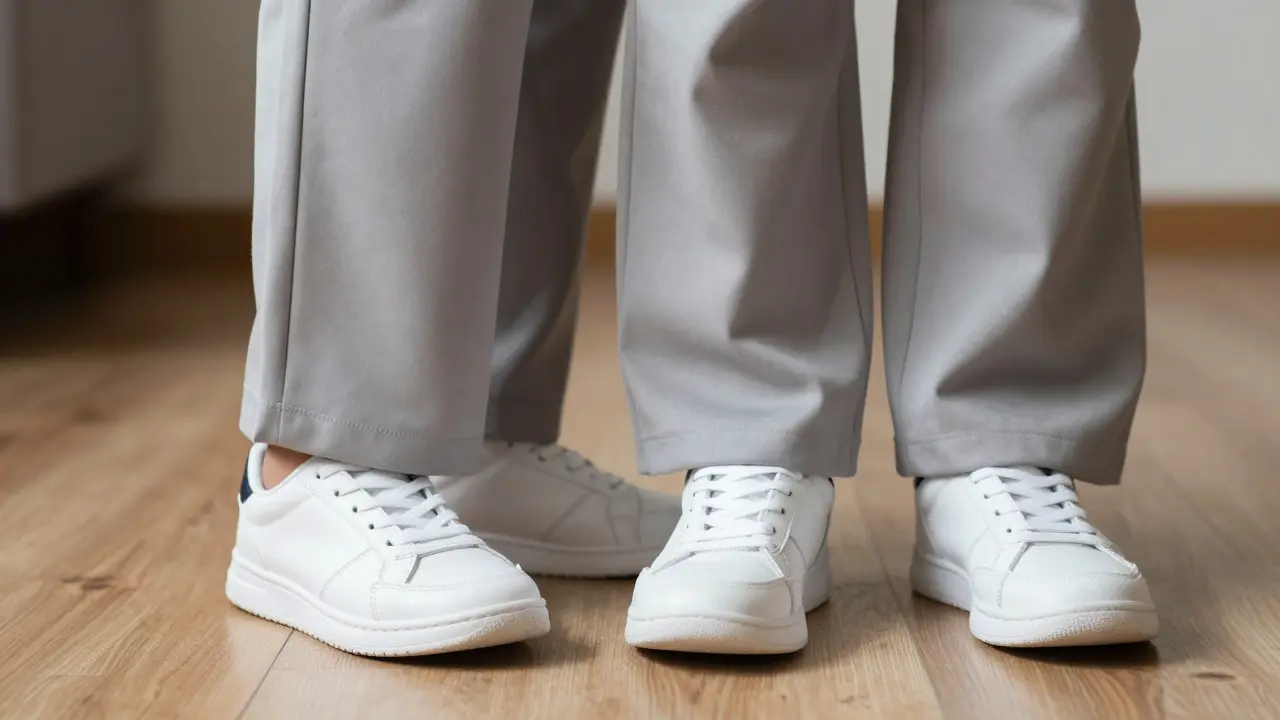
Choose supportive sneakers, loafers with good arch support, or sturdy sandals with back straps. You’ll be standing still more than walking long distances, but stability is key. Also, consider the length of your pants. Capri pants or cropped jeans can catch on carrier buckles or slide down when you squat. Full-length pants with a slight taper or elastic cuffs prevent tripping hazards and keep you looking polished.
Seasonal Adaptations: Staying Cool in Summer, Warm in Winter
Weather plays a huge role in how comfortable you’ll feel. In summer, layering doesn’t mean adding bulk-it means adding coverage. A light, long-sleeved linen shirt protects your skin from the sun while allowing air circulation. Pair it with a wide-brimmed hat for extra shade.
In winter, the challenge is insulation without overheating. Babies generate their own body heat, and being wrapped tightly against you keeps them warm. So, don’t overdress yourself. Wear a thermal base layer, then a medium-weight sweater, and finish with a windproof coat that opens easily. Avoid bulky puffer jackets that make it impossible to check the baby’s face or adjust the harness. A wool blend coat with a large collar provides warmth and style without restricting movement.
Maintaining Your Look: Care Tips for Carrier-Friendly Clothes
Your babywearing wardrobe takes a beating. Saliva, milk spills, and frequent washing can ruin even the best fabrics if not cared for properly. To extend the life of your favorite pieces, wash them inside out on a gentle cycle. Use cold water to preserve elasticity and color.
Avoid fabric softeners-they coat fibers and reduce breathability, which defeats the purpose of your moisture-wicking base layers. Air-dry when possible, especially for bamboo and merino wool, to prevent shrinkage. If you must use a dryer, stick to low heat. Regularly inspect seams and straps for wear and tear, as stress points can weaken over time.
Can I wear jeans with a baby carrier?
Yes, but choose stretch denim with some give in the waist and thighs. Rigid jeans can restrict hip movement and cause discomfort when bending. Opt for high-waisted styles that stay in place under the carrier’s belt.
What should I avoid wearing under a ring sling?
Avoid clothing with rough textures, large buttons, or bulky zippers near the chest area. These can irritate the baby’s skin or create uncomfortable pressure points. Smooth, seamless fabrics are best.
How do I prevent my shirt from riding up?
Wear longer tunics or tuck your shirt into high-waisted bottoms. Using a small safety pin to secure the hem of your shirt to your underwear or pants can also help keep everything in place during active wear.
Is it safe to wear loose clothing with a newborn?
Loose clothing is fine for you, but ensure the baby’s face remains visible and unobstructed. Avoid scarves or dangling strings that could cover the baby’s nose or mouth. Always follow the T.I.C.K.S. safety guidelines for babywearing.
Do I need special shoes for babywearing?
You don’t need specialized shoes, but supportive footwear is crucial. Sneakers with good arch support and non-slip soles provide stability. Avoid open-toed shoes or heels that compromise balance.