

You stare at the rack of shirts in the department store, paralyzed. Everything looks fine on the hanger, but you have no idea which one actually fits your life. This is the classic beginner’s dilemma. You haven't spent years curating a look, so you don't have a "style" yet. That's not a failure; it's just data collection mode. Most people think they need to find their identity before buying clothes. The truth? You build your identity by buying clothes. But if you buy randomly, you end up with a closet full of regret and zero outfits.
The goal isn't to become a fashion icon overnight. It's to stop wasting money on pieces that sit in the back of your closet with tags still on. A smart Beginner Shopping Strategy relies on three things: fit, fabric, and function. You don't need to know if you're "bohemian" or "minimalist." You just need to know what makes you feel confident and comfortable enough to wear the item more than twice. If you can nail those basics, your personal style will emerge naturally from the patterns of what you actually reach for.
Start With the Closet Audit, Not the Store Run
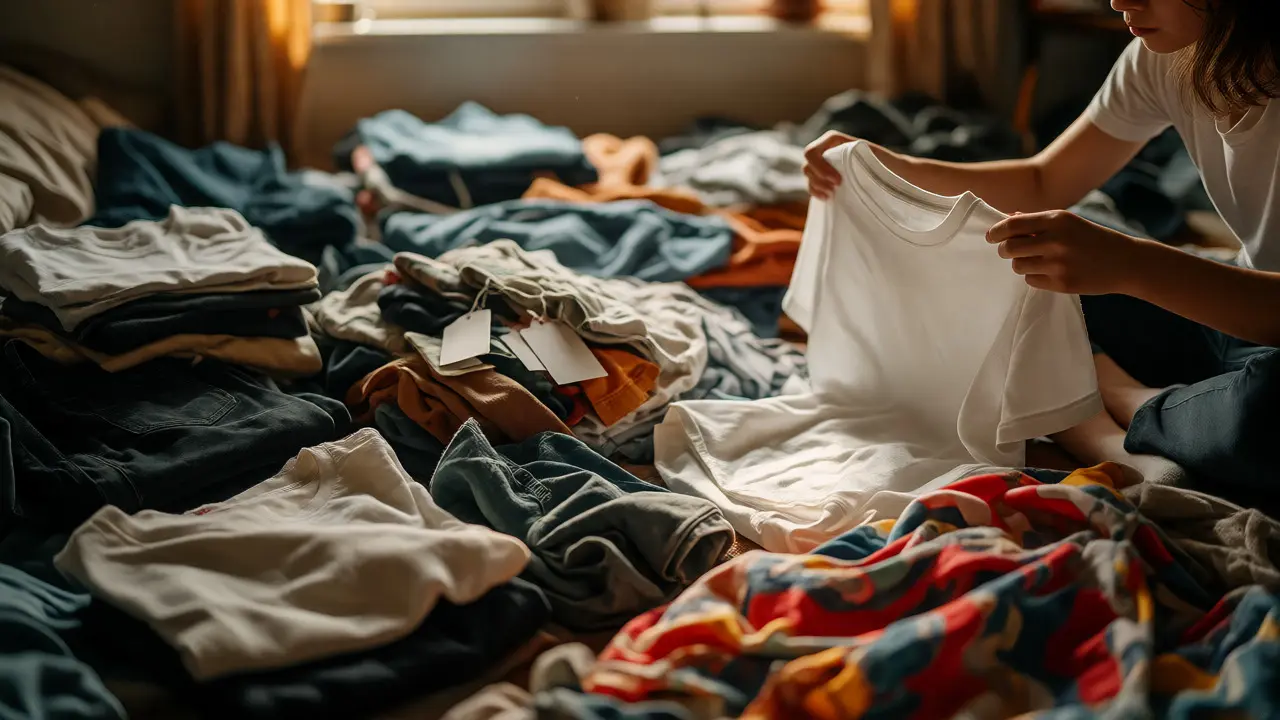
Before you spend a single dollar, you need to understand what you already own. Most beginners skip this step because it feels tedious. Big mistake. You cannot identify gaps in your wardrobe if you don't know what's currently filling them. Pull everything out. Yes, everything. Sort it into three piles: Wear Often, Maybe, and No. The "Wear Often" pile is your gold mine. These are your current style anchors. Look at these items closely. Do you prefer solid colors or prints? Do you lean toward fitted silhouettes or loose layers? Are your favorite jeans dark wash or light blue? This isn't about judging yourself; it's about spotting trends. If eight out of ten shirts in your "Wear Often" pile are white cotton tees, you now know that neutral basics work for you. You don't need to guess anymore. You have evidence. If you find items in the "Maybe" pile that you haven't worn in six months, ask why. Is it the fit? The fabric feeling scratchy? Or does it clash with the rest of your clothes? Usually, it's the latter. Style is rarely about individual pieces; it's about cohesion. If you love a bright red skirt but own zero tops that match it, that skirt is a problem, not a solution. Note these friction points. They tell you exactly what to avoid when you start shopping again.The Power of Neutral Basics as Style Foundations
When you don't have a defined aesthetic, neutrals are your safety net. They aren't boring; they are versatile connectors. Think of neutral basics-black, white, navy, gray, beige-as the glue that holds different experimental pieces together. If you buy a trendy pair of wide-leg trousers, you want to be sure you have a top that works with them. A plain white tee or a simple black tank top usually does the trick. Here is a practical approach to building this foundation. Focus on high-quality staples that serve multiple purposes. You don't need ten pairs of jeans. You need two pairs that fit perfectly. One dark wash for slightly dressier occasions, and one lighter wash for casual weekends. This reduces decision fatigue. When you wake up late, grabbing a basic neutral top and well-fitting jeans is a guaranteed win. It looks intentional, even if it took thirty seconds to assemble.| Category | Neutral Basic Example | Trendy Item Example | Why Start Here? |
|---|---|---|---|
| Tops | White Cotton Tee | Neon Mesh Top | Goes with everything; easy to layer. |
| Bottoms | Dark Wash Straight Jeans | Bell-Bottom Cargo Pants | Fits most body types; durable denim. |
| Layers | Navy Blazer or Cardigan | Oversized Leather Jacket | Elevates casual looks instantly. |
| Shoes | White Sneakers | Platform Mules | Comfortable for walking; matches all colors. |
Learn Fit Before You Learn Fashion
You can have the most expensive designer shirt, but if it doesn't fit right, it looks cheap. Conversely, a $15 t-shirt that hits your waist exactly where you want it looks like a million bucks. For beginners, fit is non-negotiable. Ignore the size tag on the label. Sizes vary wildly between brands. A Medium in one store might be an Extra Small in another. Always try things on, and move around in them. Sit down. Raise your arms. Bend over. If you feel restricted, put it back. Pay attention to shoulder seams. On shirts and jackets, the seam should sit right at the edge of your shoulder bone. If it hangs off, it's too big. If it digs in, it's too small. This tiny detail changes how polished you look. Also, check the length. Beginners often buy pants that are too long or shirts that are too short. Tailoring is your secret weapon. Spending $15 to hem a pair of pants can make them look custom-made. It extends the life of the garment and ensures you actually wear it because it feels right.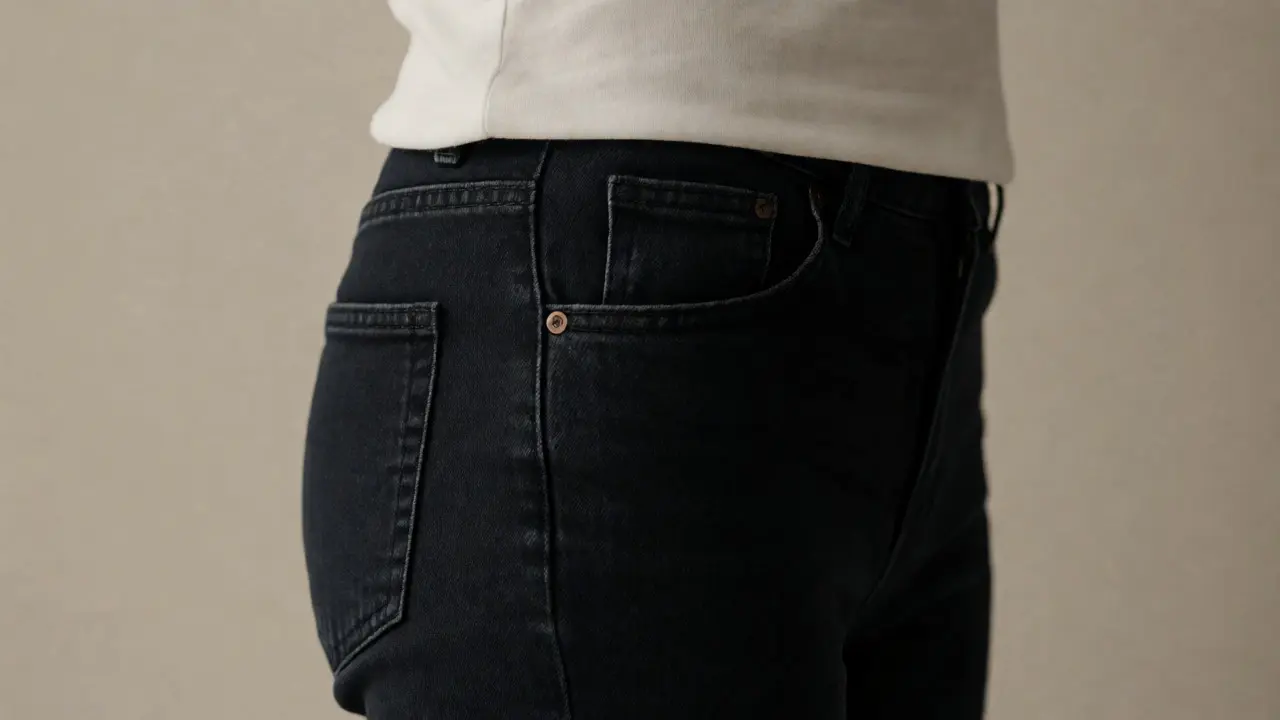
Use the "Three Outfits" Rule
Here is a hard rule that saves beginners from impulse buys: If you can't imagine wearing a new item with at least three things you already own, do not buy it. This forces you to think about integration rather than isolation. You aren't buying a shirt; you're buying a component of an outfit. Let's say you see a cool graphic tee. You love it. Now, look at your closet. Can you wear it with your jeans? Yes. Can you layer it under your cardigan? Probably. Can you wear it with your skirt? Maybe not. That's only two clear options. Unless the tee is incredibly special, walk away. Save your money for items that unlock multiple combinations. This rule keeps your closet efficient. It prevents the "I have nothing to wear" syndrome, which is really just "I have lots of clothes that don't talk to each other" syndrome.Quality Over Quantity: Where to Spend Money
Not all clothes are created equal. Some items deserve a higher budget because they take more abuse or define your silhouette. Others can be cheap because they are disposable or trend-driven. As a beginner, allocate your budget wisely. Invest in outerwear, shoes, and denim. These items last longer and are visible in almost every photo you'll ever take. A good coat protects you from the elements and looks sharp. Bad shoes hurt your feet and ruin an outfit. Cheap denim falls apart after three washes and loses its shape. Conversely, save money on t-shirts, socks, and fast-fashion trends. You'll replace t-shirts eventually anyway. Why pay $40 for something that shrinks in the dryer? Buying fewer, better items means you learn what fabrics you prefer. You'll notice that a heavy cotton tee lasts longer than a thin synthetic blend. That knowledge becomes part of your personal style criteria.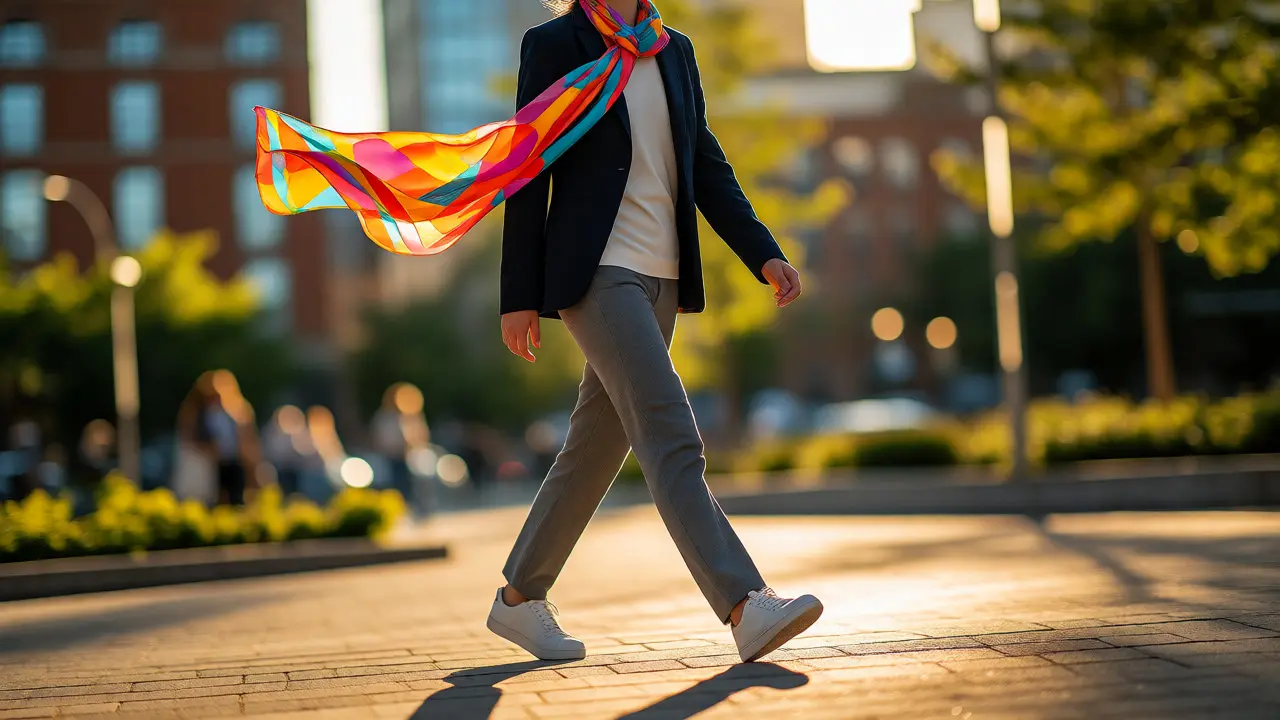
Experiment Safely with Accessories
Once you have a base of neutral, well-fitting clothes, you can start playing. Accessories are low-risk ways to test your preferences. A belt, a scarf, or a statement bag costs less than a jacket and can completely change the vibe of an outfit. Try adding a colorful scarf to your neutral coat. Does it make you feel happy? Or does it feel like a costume? Accessories let you pivot quickly. If you buy a bold necklace and hate it, you didn't break the bank. If you love it, you've learned that you enjoy accessories. Maybe you realize you prefer minimalist jewelry. That's valuable data. Use these small experiments to refine your taste without committing to a whole new wardrobe theme. It’s like tasting samples at a food market before buying the whole meal.Building Your Personal Style Database
Shopping shouldn't be random. Keep a note on your phone. Every time you buy something, write down why. Was it the color? The fit? The price? Six months later, review your notes. You might discover that you always buy clothes when you're sad, or that you never wear anything with buttons. Patterns emerge. This self-awareness is the core of personal style. It stops being about copying influencers and starts being about curating a life that works for you. Remember, style is a marathon, not a sprint. Give yourself permission to evolve. Your style at 20 won't be your style at 30, and that's okay. The goal is to feel like yourself, today.How many clothes do I need to start a wardrobe?
You don't need a specific number, but aim for a mix of 10-15 versatile pieces initially. Focus on tops, bottoms, and one layering piece that can create at least 10 different outfits. Quality over quantity is key to avoiding clutter.
What if I buy something and hate it?
Return it if possible. If not, resell it online or donate it. Treat it as a tuition fee for learning what doesn't work for you. Don't keep items out of guilt; they take up space and mental energy.
Is it okay to shop at fast fashion stores?
Yes, but be selective. Use fast fashion for trendy items you plan to wear for a season or two, or for basics like socks and underwear. Avoid spending much on structural items like coats or jeans unless the quality is surprisingly good.
How do I know if a color suits me?
Try holding different colored fabrics near your face in natural light. Notice if a color makes your skin look tired or vibrant. Start with neutral tones if you're unsure, then gradually introduce colors you're drawn to.
Do I need to follow trends?
No. Trends are suggestions, not rules. Incorporate trends only if they align with your lifestyle and comfort. Ignoring trends that don't suit you saves money and keeps your wardrobe timeless.