

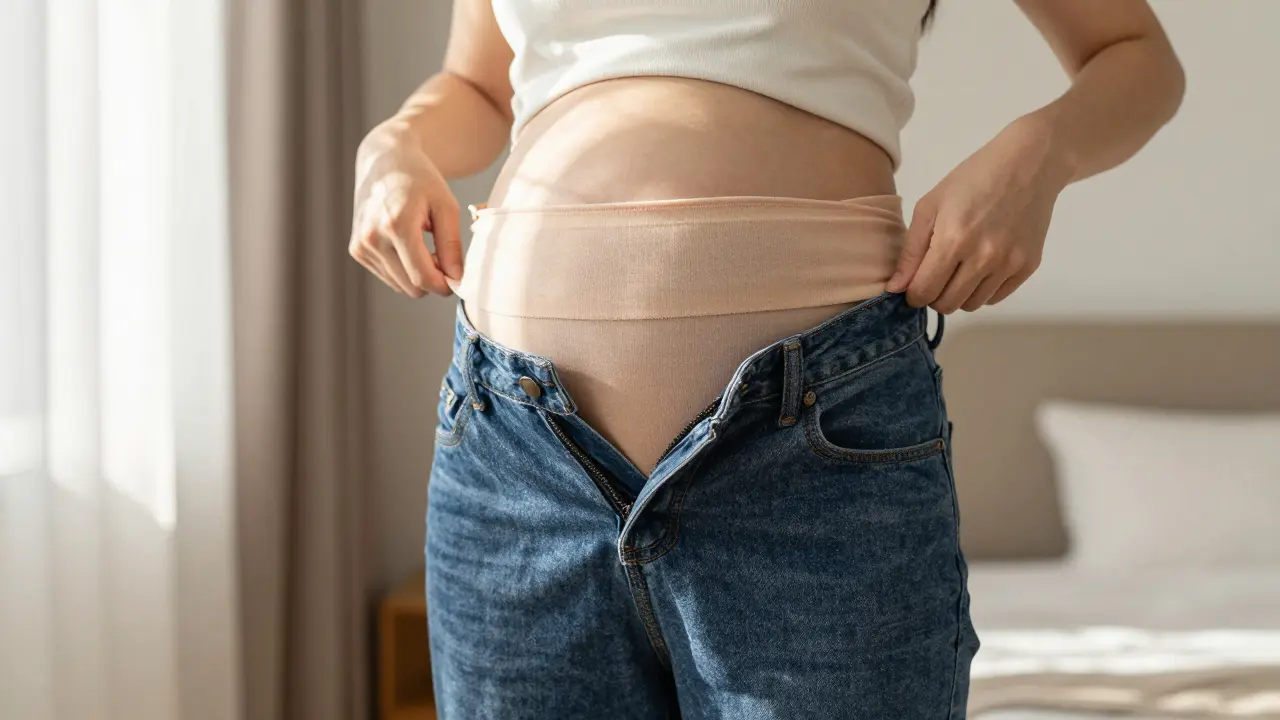
You know that frustrating moment when you try to fasten your favorite pair of jeans after breakfast, and the button simply won't meet the hole? For expecting mothers, this feeling often signals the first major shift in body shape during pregnancy. Instead of discarding years of favorite styles, many women turn to simple solutions designed to bridge the gap between old comfort and new needs. Maternity Belly Bands are specialized fabric strips worn over regular pants to accommodate a growing bump while keeping the waistline secure. They represent one of the most practical ways to manage a wardrobe during the nine months ahead.
This hack isn't just about saving cash on new outfits, although that is a welcome bonus. It is about holding onto clothes that still feel like *you* without compromising support or style. By understanding how these tools function, what makes some better than others, and when to switch strategies, you can plan your pregnancy dressing with confidence.
Understanding the Mechanics of Belly Bands
At its core, a belly band works on a simple principle of overlap and compression. You wear it directly over the top of your non-maternity trousers. It slides under the zipper line and wraps around your lower abdomen, covering the open gap left by your normal waistband. While standard maternity pants rely on elastic panels that drop below the belly, this method keeps the original waist of your pants intact.
Unlike traditional maternity leggings, this accessory does not have legs. It focuses entirely on the midsection. The effectiveness depends heavily on how well the band grips the skin and the fabric of your pants.
If the grip is too loose, you risk wardrobe malfunctions where the band rides up. If it is too tight, it cuts off circulation or causes heartburn.The design usually involves a U-shape cutout for the bump itself, ensuring the pressure goes around the sides rather than on the baby bump. This distribution helps avoid digestive discomfort. Many designs also include a hook-and-eye clasp or a Velcro strip to adjust the tightness as weeks progress. In colder months, thicker versions provide warmth, whereas mesh styles suit warmer climates.
Fabric Choices That Matter for Comfort
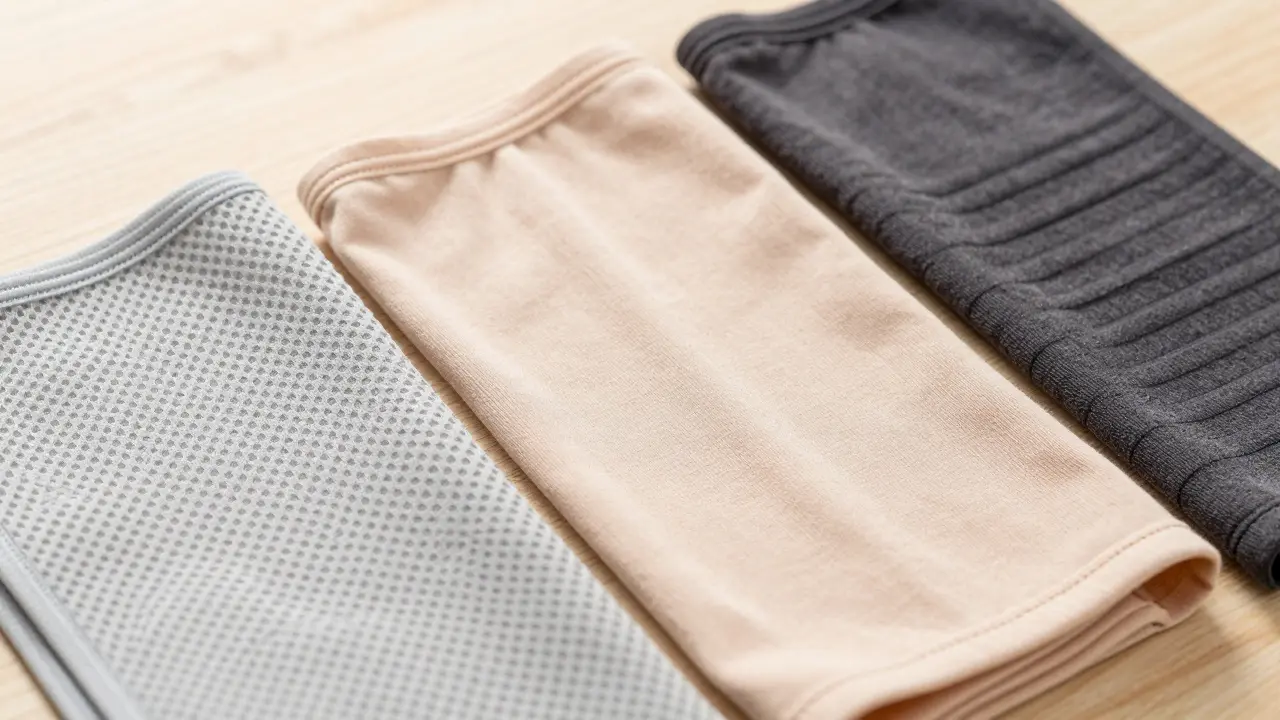
Not all belly bands are created equal. The fabric composition determines whether you will wear it all day or abandon it after lunch hour. Cotton blends are often the go-to choice because they breathe well against sensitive skin. Synthetic materials might slide less but can trap heat, leading to chafing. You want something that balances stretch with recovery-the ability to bounce back to its original shape after being pulled.
- Cotton Jersey: Soft, breathable, and absorbs moisture well. Ideal for daily wear in moderate temperatures.
- Spandex Blends: Offers superior stretch. Necessary if you have wider hips or plan to use the band later in pregnancy.
- Nylon Mesh: Best for summer layers. Keeps airflow high but offers less coverage.
- Microfiber: Smooth texture that glides under knits without bunching up visible pant lines.
You should test the width of the band too. A 4-inch wide band provides more surface area to sit on, reducing the risk of digging into your skin. Narrow bands concentrate pressure and may roll down throughout the day. Quality matters here; cheap options found in clearance racks often lose elasticity after three washes.
Consider the texture relative to your outer layer. If you are wearing thick wool trousers, a textured band might bunch inside the waistband, creating bumps that show through the outfit. Smooth finishes work best under fitted denim or structured fabrics.
Styling Your Legacy Wardrobe
One of the biggest advantages of using extenders is that you get to keep the look of your actual clothes. You aren't forced into the "maternity uniform" aesthetic until you really need to be. High-waisted skinny jeans, straight-leg slacks, and even flared bottoms can remain part of the rotation. This creates a continuity in your style that feels less clinical than standard maternity brands.
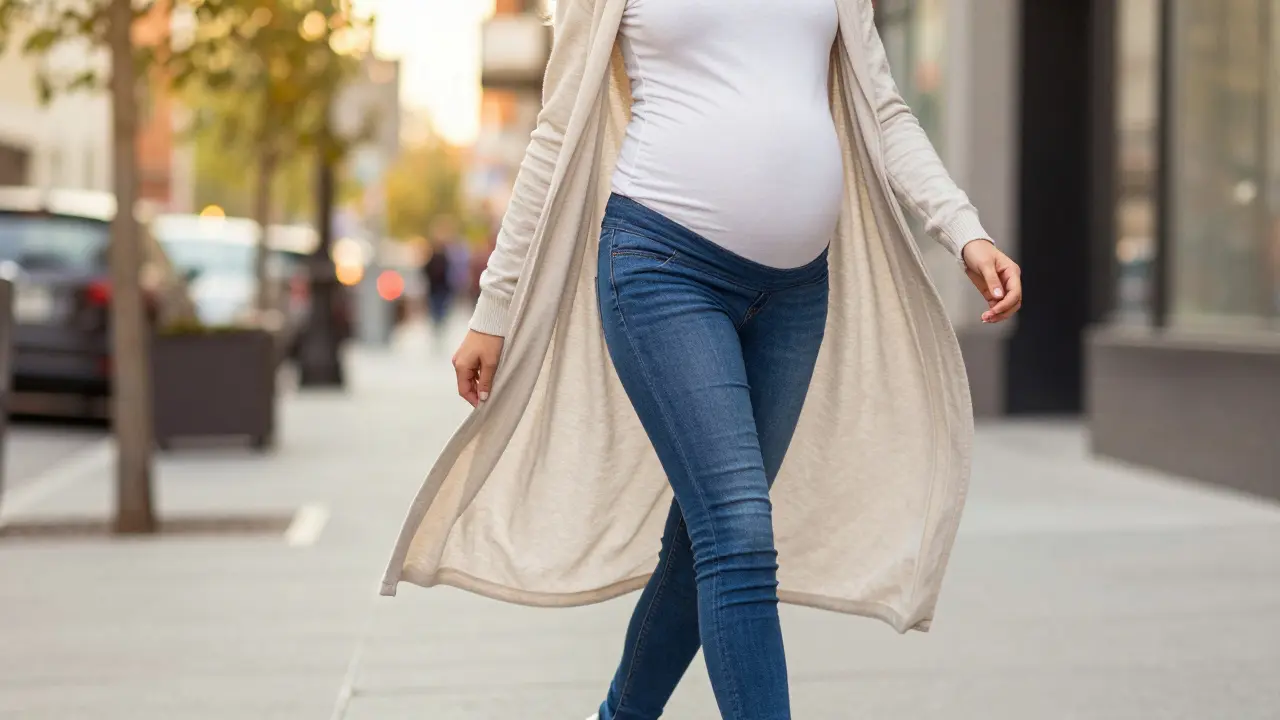
To style this effectively, focus on tops that cover the band seam. Long tunics, oversized sweaters, or shirts tucked in slightly hide the transition point between your pants and the band. Layering adds visual interest and security. For example, a cardigan or blazer draws the eye away from the midsection while providing warmth.
Color coordination plays a role too. Nude or beige bands blend seamlessly under white pants, avoiding the dark line sometimes visible with black extenders. Black bands work best under dark denim. Planning these details beforehand saves embarrassment when you are out and about.
It is also worth noting that some denim brands manufacture jeans with hidden buttons or extended zippers specifically for pregnancy. Using an extender over these allows for extra flexibility. Standard belts generally interfere with the mechanics of the band, so avoid adding another layer of constriction around the waist.
Cost Efficiency vs. New Purchases
When calculating value, you must weigh the price of a single $8 maternity panel versus a full pair of new jeans that cost upwards of $100. Over a typical nine-month period, a pregnant woman might cycle through five to ten pairs of jeans. Replacing them all would easily set someone back nearly a thousand dollars.
| Option | Est. Cost | Lifespan | Versatility |
|---|---|---|---|
| Belly Band Set (2) | $25 | Full Pregnancy + Postpartum | High (fits multiple brands) |
| New Maternity Jeans | $120 | Mid to Late Pregnancy Only | Medium (specific cut) |
| Pregnancy Shorts | $45 | Summer Use Only | Low (seasonal) |
| Extender Loop | $10 | Early Trimester | Medium |
There is a strong argument for sustainability here. By extending the life of pre-existing clothing, you reduce textile waste. The fashion industry generates massive amounts of landfill, and buying a few accessories to preserve your current closet aligns with ethical consumption practices. After pregnancy, these bands often find a second life during postpartum recovery, acting as temporary support for those fluctuating numbers before the body returns to its pre-baby state.
Investment pieces deserve special attention. Leather jackets and heavy winter coats rarely come in maternity sizes. Using a clever belt extender system on your heavy-duty coats ensures you stay warm without having to buy expensive specialty outerwear that might hang unused once you deliver.
Timing and Limitations to Consider
While belly bands are fantastic early on, physics eventually catches up. Typically, the third trimester brings weight gain that pushes beyond the capacity of standard cotton stretches. Around week 30 to 34, the bump becomes too large for the band to sit comfortably above the navel. At this stage, switching to true maternity pants with full bellies panels becomes necessary for gravity management.
The utility of the band also diminishes if your hip expansion occurs faster than your belly growth. If your bones are widening at the hips but the belt stays the same size, the pants no longer fit around the bottom regardless of the waist adjustment. Understanding your own body's progression is crucial.
Furthermore, sitting for long periods requires frequent adjustments. The friction between the band and the skin increases with movement. You might find yourself needing to tug the band up to maintain coverage. Having a spare accessible in your bag for long travel days ensures you don't arrive somewhere looking disheveled.
Maintenance and Care Guidelines
Proper washing techniques extend the lifespan of your extenders. Elasticity degrades quickly under high heat. Always wash in cold water and air dry whenever possible. Dryer heat breaks down the spandex fibers permanently, causing them to become limp and ineffective.
Turn the bands inside out before laundering to protect the exterior finish from snagging on other items. Avoid using fabric softeners, as these chemicals coat the fibers and reduce their gripping ability. Stick to gentle cycles. If you notice pills forming, snip them carefully to prevent the damage from spreading across the fabric.
Transitioning to True Maternity Wear
Knowing when to stop is part of the process. Eventually, the convenience of the band fades against the comfort of real stretch. Most experts recommend transitioning completely to maternity-specific cuts once you are six months along. This switch ensures proper support for the lower back, which takes increasing strain as the center of gravity shifts forward.
Don't feel guilty about buying new items. The goal of using these tools is to delay spending, not to suffer discomfort indefinitely. Hybrid wardrobes work best-keep the jeans and the skirts, but mix them with maternity shorts or leggings during the final month when ease of movement is paramount.
Common Questions About Belt Extenders
Can I reuse belly bands after pregnancy?
Yes, absolutely. Many women use them postpartum as their body readjusts to pre-baby sizes. They are perfect for transitional periods during weight loss or fluctuating measurements.
Do belly bands cause digestive issues?
If worn correctly with proper placement, they should not. Tight bands worn too high can increase acid reflux, but placing them low enough on the hips avoids compressing the stomach directly.
Are knit bands better than solid bands?
Knit bands offer more give and breathability, making them generally preferred for daily wear. Solid bands can be useful under tight-fitting skirts but might ride up more frequently.
How many bands should I own?
Ideally, start with two to rotate between while one is in the wash. Buying sets of three is wise because accidents happen, and you may need extras for long trips away from home.
Will they hurt my baby?
No, as long as they are placed correctly. They wrap around your torso, not your uterus. However, if you feel any pain or pressure on the abdomen, loosen the fit immediately.


Write a comment