

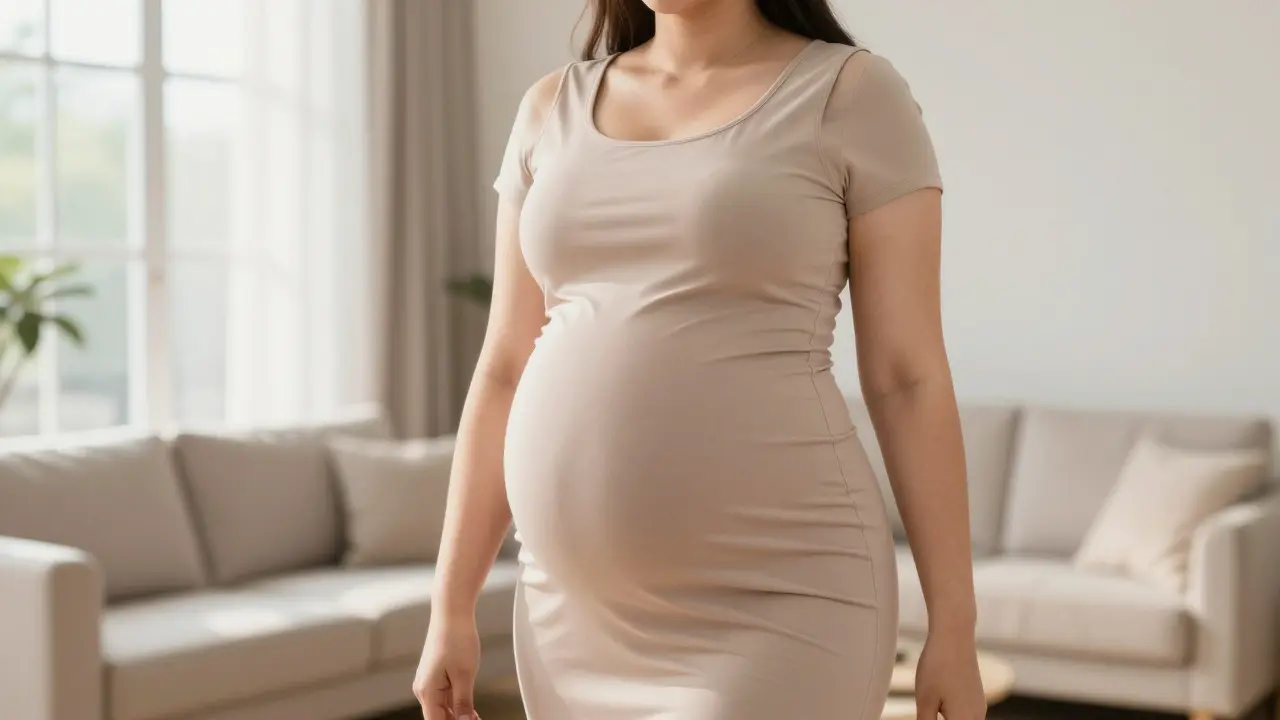
The Struggle with Standard Maternity Sizing
Most maternity brands use a 'conversion' method. If you're a size 14, they tell you to buy a maternity size 14. But that logic falls apart for people who need extended sizes. A standard 1X maternity dress often doesn't account for the different ways a body carries weight during pregnancy, leading to gaps in the shoulders or waistbands that dig in too deeply. Think about the "maternity gap." This is the frustrating space between a brand that offers a few plus sizes and a brand that truly understands inclusive grading. When a company doesn't use real-body testing for their 3XL patterns, you end up with clothes that are just wider, not actually designed for a larger frame. This leads to the common experience of wearing a dress that fits the bump but is tight across the chest, or fits the chest but looks like a tent everywhere else.Top Brands Leading the Way in Extended Sizes
Not all brands are created equal when it comes to inclusivity. Some just add a few larger sizes to their website without changing the patterns, while others rebuild their entire fit model.| Brand | Size Range | Best For | Fabric Focus |
|---|---|---|---|
| H&M Mama | Up to 2XL | Budget-friendly trends | Jersey & Cotton blends |
| ASOS Maternity | Up to 4XL+ | Special occasions/Variety | Diverse (Satin, Knit, Denim) |
| Old Navy | Up to 3XL | Daily comfort/Basics | High-stretch Spandex |
| Eloquii | Extended Plus | High-fashion/Professional | Structured fabrics |
How to Choose the Right Fit for Your Body Type
When shopping for extended sizes, you can't rely on the label alone. You have to look at the construction of the garment. First, check the fabric composition. Look for Elastane or Spandex. A blend with 5-10% stretch is the difference between a dress that moves with you and one that restricts your breathing. If a brand claims to be plus-size but uses 100% non-stretch cotton, you're likely to find the fit too rigid for a changing bump. Second, examine the waistbands. For those in extended sizes, the "over-the-bump" vs. "under-the-bump" debate is critical. Over-the-bump bands in larger sizes can sometimes slide down if they aren't high-tension, while under-the-bump styles can feel too tight on the lower abdomen. Look for brands that offer adjustable waistbands or wide, seamless panels that distribute pressure evenly. Third, consider the cut. Empire waists are the gold standard for a reason-they cinch just below the bust, giving the most room for the belly to grow without pulling the fabric across the hips. If you're shopping for professional wear, look for A-line silhouettes that provide a clean look without clinging to areas you'd rather not emphasize.
Building a Versatile Maternity Capsule Wardrobe
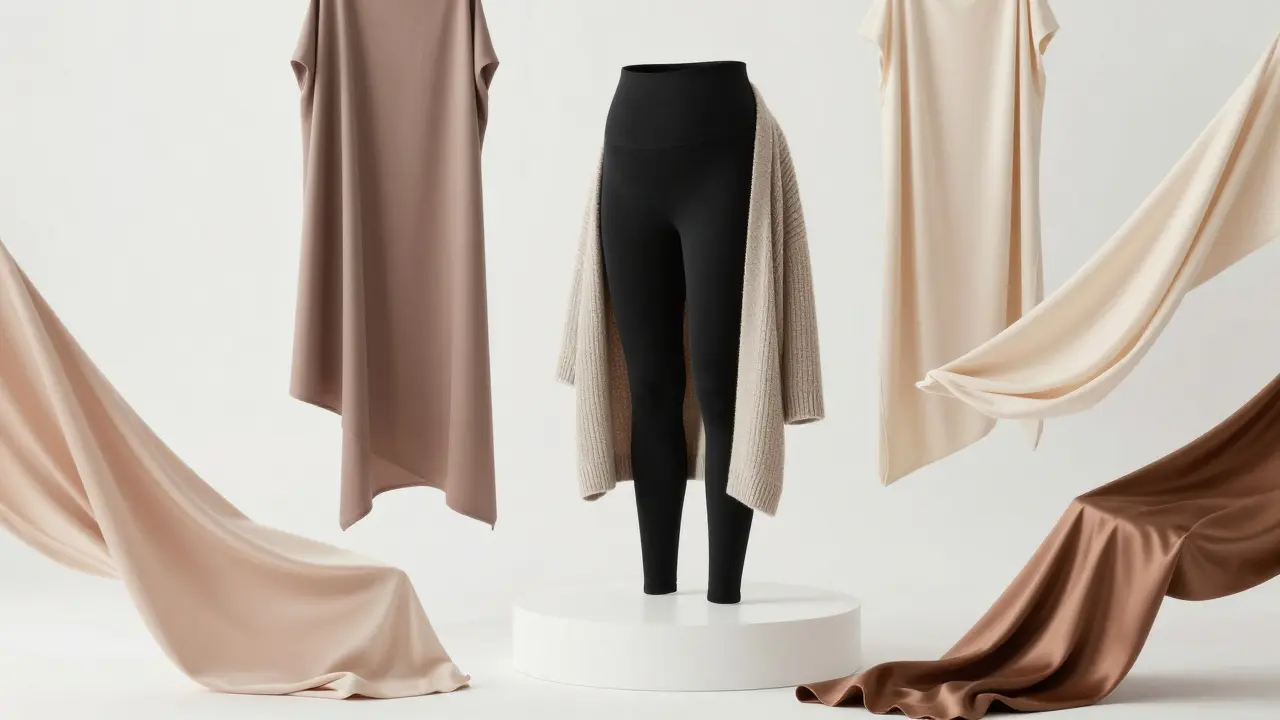
Instead of buying a whole new wardrobe every trimester, focus on a few high-quality, size-inclusive pieces that you can mix and match. This saves money and reduces the mental load of getting dressed when you're exhausted. Start with the "Base Layer." This means 3-4 pairs of high-quality black leggings in an extended size. These work under dresses, with oversized sweaters, or paired with a crisp white shirt for a business-casual look. Next, add the "Adaptable Mid-Layer." A few oversized button-down shirts or stretchy knit cardigans allow you to layer as your temperature fluctuates (pregnancy hot flashes are real). These pieces are easier to find in extended sizes because they aren't as dependent on a precise waist measurement. Finally, invest in one "Power Piece." Whether it's a tailored maternity blazer from a brand like Eloquii or a stunning maxi dress from ASOS, having one item that makes you feel confident and put-together can change your entire mood. The key is to find a piece that fits your current size but has enough fabric or stretch to last until the third trimester.Common Pitfalls to Avoid When Shopping
One of the biggest mistakes is buying everything for the third trimester too early. While it's tempting to stock up, your body shape changes. A 3XL in the first trimester might fit differently than a 3XL in the eighth month. Buy a few essentials and then buy the rest as you actually need them. Another trap is ignoring the reviews. In size-inclusive fashion, the review section is your best friend. Look for reviewers who mention their specific measurements (e.g., "I'm a size 22 with a large bust, and the Medium was too small"). This gives you a much more accurate picture of the fit than a generic size chart. Lastly, don't settle for "too small." Some people try to squeeze into a smaller size thinking they'll "shrink back" after the baby. This is a recipe for discomfort. Pregnancy is already physically demanding; your clothes should be the one thing that isn't fighting against you. If the fabric is pulling or the seams are straining, size up. Comfort is the ultimate priority.What are the best fabrics for plus size maternity clothes?
Look for blends of cotton, rayon, and elastane. Modal is also a fantastic choice because it's breathable, soft, and has a natural stretch that accommodates growth without losing its shape. Avoid stiff, 100% synthetic fabrics that don't breathe, as they can lead to overheating.
How do I know if a maternity brand is actually inclusive or just adding sizes?
Check if the brand uses different models for different size ranges in their photography. If they only show one size-small model and then list sizes up to 5XL, they likely haven't adjusted the patterns for larger bodies. True inclusive brands show their clothes on a variety of shapes and sizes to prove the fit works.
Should I buy maternity clothes immediately?
Not necessarily. Many people find that their regular clothes fit fine until the second trimester. However, investing in a few pairs of extended-size maternity leggings or a maternity support belt early on can prevent discomfort as your ligaments begin to loosen.
Where can I find professional maternity wear in extended sizes?
Brands like Eloquii and ASOS Curve offer more structured pieces like blazers, trousers, and sheath dresses that work well for the office. Look for "midi" lengths and empire waists to maintain a professional silhouette while staying comfortable.
How do I handle the sizing gap between brands?
Always use a measuring tape rather than relying on the number on the tag. Measure your bust, the widest part of your bump, and your hips. Compare these numbers to the brand's specific size chart, as an XL at H&M may be different from an XL at Old Navy.


Write a comment