

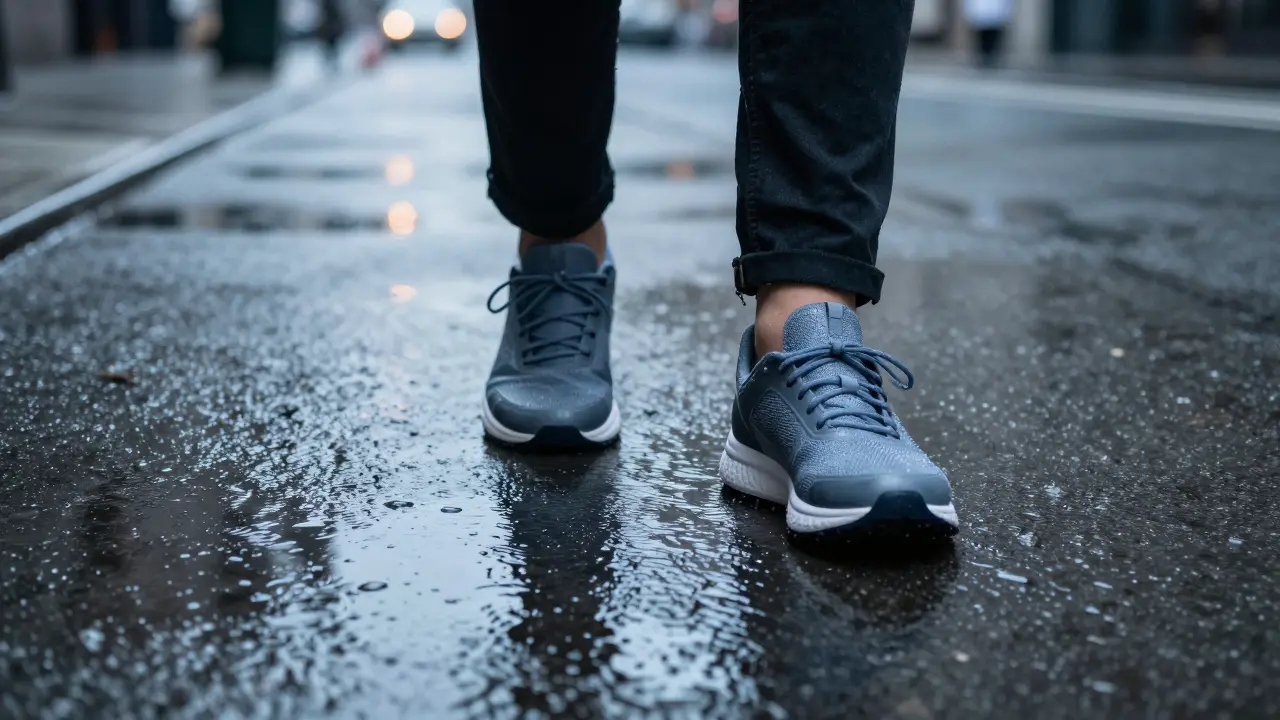
Quick Takeaways
- Waterproof vs. Water-Resistant: Waterproof blocks all water; water-resistant just delays it.
- Key Materials: Look for Gore-Tex or treated leather for the best protection.
- Breathability: High-end waterproof membranes allow sweat to escape while blocking rain.
- Styling: Pair them with tapered trousers or cropped jeans to keep the look modern.
Understanding the Tech: Waterproof vs. Water-Resistant
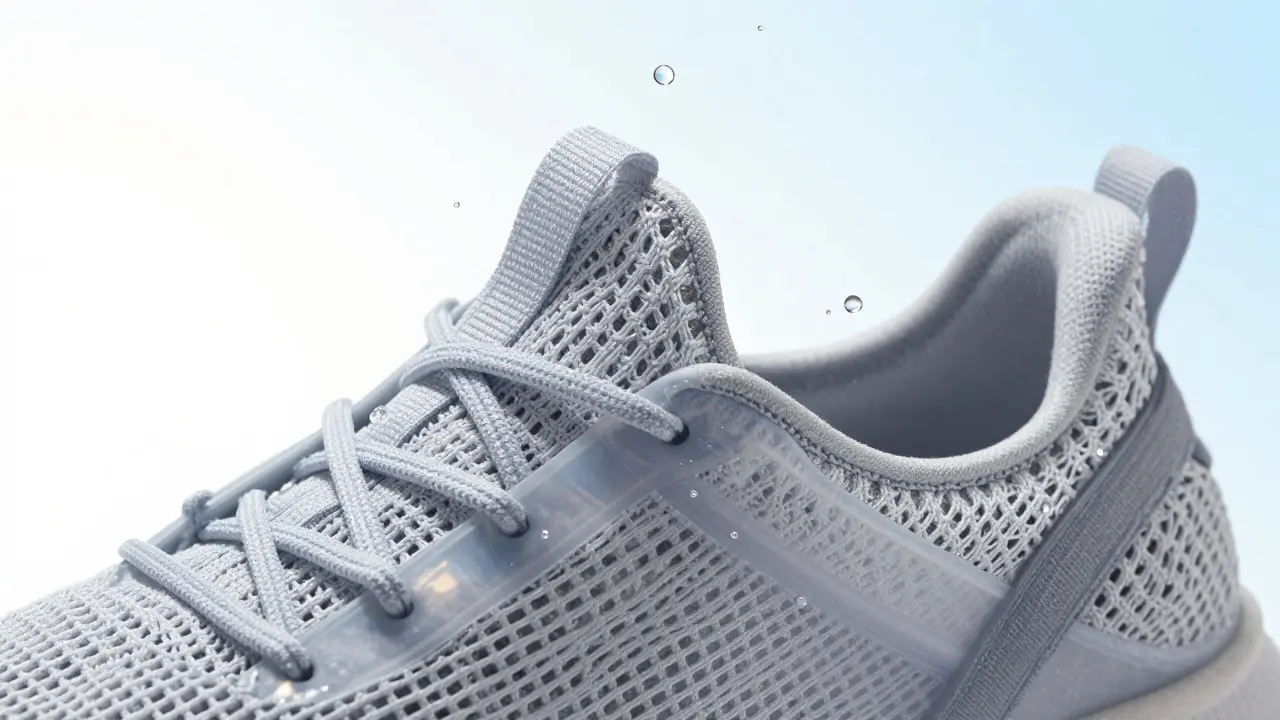
Before you drop money on a new pair, you need to know what the label actually means. A lot of brands use "water-resistant" as a marketing term, but that usually just means the shoe has a DWR (Durable Water Repellent) coating. This is basically a chemical layer that makes water bead up and roll off. It works for a light drizzle, but once that coating wears off or you step in a deep puddle, your feet are getting wet.Then there are Waterproof Sneakers is footwear engineered with a complete barrier-often a membrane-that prevents water from penetrating the interior regardless of the external pressure. These are the shoes you want for a real storm. The most famous version of this is Gore-Tex a waterproof, breathable fabric membrane developed by W. L. Gore & Associates. It works by having pores that are too small for liquid water drops to get through but large enough for water vapor (your sweat) to escape. This means your feet stay dry from the rain and from your own perspiration.
The Best Materials for Weather-Ready Style
Not all waterproof shoes are made the same. Depending on whether you're heading to a casual office or a weekend brunch, you'll want different materials.- Treated Leather: This is the gold standard for a polished look. Leather is naturally dense, and when treated with waterproof oils or waxes, it becomes a fortress. It's the easiest to style with a blazer or chinos.
- Synthetic Mesh with Membranes: These look like athletic runners. The outer layer is a standard mesh, but a waterproof liner is sandwiched inside. These are perfect for those who prioritize comfort and a sporty silhouette.
- Rubberized Overlays: Some sneakers feature rubber "mudguards" around the base. These are great for city slush because you can literally wipe the grime off with a damp cloth.
| Feature | DWR Coating | Water-Resistant | Fully Waterproof |
|---|---|---|---|
| Rain Protection | Light drizzle | Moderate rain | Heavy storms/puddles |
| Breathability | High | Medium | Varies (High with Gore-Tex) |
| Durability | Wears off quickly | Moderate | Long-term protection |
| Best Use Case | Dry days with clouds | Spring showers | Winter slush & heavy rain |
How to Style Waterproof Sneakers Without Looking Like a Hiker
The biggest fear with waterproof sneakers is looking like you're about to climb Mount Everest while you're actually just walking to a coffee shop. The key is balance. Since waterproof shoes tend to have a slightly bulkier profile (due to the extra membranes), you want to avoid baggy pants that swallow the shoe. Try pairing a sleek, black waterproof leather sneaker with tapered charcoal trousers and a beige trench coat. This keeps the silhouette clean and professional. If you're going for a more casual vibe, use a pair of Gore-Tex runners with cropped navy chinos or raw denim. The gap between the hem of your pants and the top of the shoe prevents that "clunky" look and lets the design of the sneaker stand out. Avoid wearing them with oversized sweatpants unless you're actually at the gym. The contrast between the technical nature of the shoe and the slouchiness of the pants can look accidental rather than intentional. Instead, go for a structured hoodie and a clean-cut bomber jacket to match the "urban utility" aesthetic.Maintenance: Keeping Your Shoes Weather-Ready
Even the most expensive waterproof shoes aren't invincible. Over time, the outer layers can get clogged with salt, dirt, and grime, which actually prevents the water from beading off. If you live in a city where they salt the sidewalks in winter, this is a huge problem. Salt can dry out leather and crack the waterproof seals. To keep them in top shape, use a soft brush to remove loose dirt immediately after a walk in the rain. For leather, apply a waterproof wax or cream every few months. For synthetic materials, a simple wipe-down with a damp cloth is usually enough. If you notice that water has stopped beading and is instead soaking into the surface, it's time to apply a fresh spray of DWR Spray a spray-on hydrophobic coating used to restore water repellency to fabrics. This doesn't replace the inner membrane, but it makes the outer shell much easier to clean.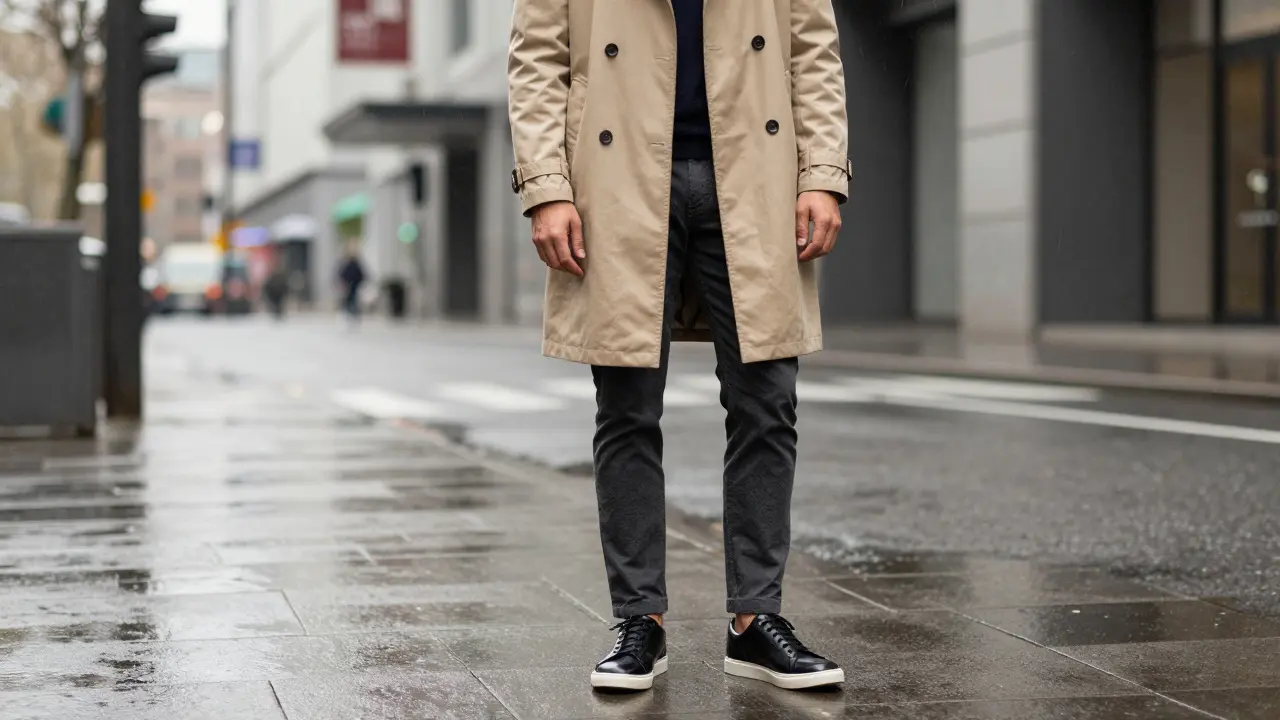
Common Pitfalls to Avoid
One mistake people make is buying a shoe that's "water-resistant" and assuming it's a substitute for a rain boot. If you're walking through ankle-deep slush, water will enter through the tongue or the ankle collar, regardless of how waterproof the sole is. Look for sneakers with a "gusseted tongue"-this means the tongue is attached to the sides of the shoe, preventing water from leaking in through the lace area. Another trap is ignoring the sole. A waterproof upper is useless if you have a smooth sole that turns into a surfboard on a wet subway grate. Ensure your sneakers have a deep tread or a specialized rubber compound (like Vibram a high-performance rubber outsole manufacturer known for superior grip and durability) to ensure you don't slip while looking stylish.Do waterproof sneakers make your feet sweat more?
It depends on the technology. Cheap plastic-like coatings trap heat and moisture, leading to sweaty feet. However, high-end membranes like Gore-Tex are designed to be breathable, meaning they let vapor escape while keeping liquid water out. If you're worried about sweat, stick to reputable brands that explicitly mention breathability.
Can I wear waterproof sneakers in the winter?
Yes, they are ideal for winter because they block snow and slush. However, check if they have thermal lining. A waterproof shoe keeps you dry, but it doesn't necessarily keep you warm. If it's below freezing, look for pairs that include a fleece or wool lining to maintain heat.
How often should I re-treat my waterproof shoes?
A good rule of thumb is the "bead test." Pour a few drops of water on the toe of the shoe. If the water beads up and rolls off, you're good. If it sinks into the fabric and darkens the color, it's time to apply a waterproofing spray or wax. For heavy users, this usually happens every 3 to 6 months.
Are waterproof sneakers machine washable?
Generally, no. Putting waterproof shoes in a washing machine can strip away the DWR coatings and potentially damage the internal waterproof membranes. It is always better to spot-clean them with a damp cloth and mild soap.
What is the difference between a rain boot and a waterproof sneaker?
Rain boots are usually made of a single piece of molded rubber, making them 100% impermeable but less breathable and stylish. Waterproof sneakers use a combination of traditional shoe construction (soles, laces, uppers) with added technical membranes, offering a balance of fashion, comfort, and protection.
Final Tips for Different Scenarios
For the Daily Commuter: Focus on black leather options. They hide dirt the best and transition seamlessly from a rain-slicked street to a boardroom. Pair them with an umbrella just in case, but rely on the shoes for the "last mile" of your journey.
For the Weekend Explorer: Go for the technical mesh look. These are lighter and better for long walks through the city or light trails. Pair them with cargo pants and a water-resistant shell jacket for a complete utility look.
For the Minimalist: Invest in one high-quality pair of neutral-colored Gore-Tex sneakers. Because they are durable and versatile, they can replace both your standard sneakers and your rain boots, saving space in your closet and simplifying your morning routine.


Write a comment