

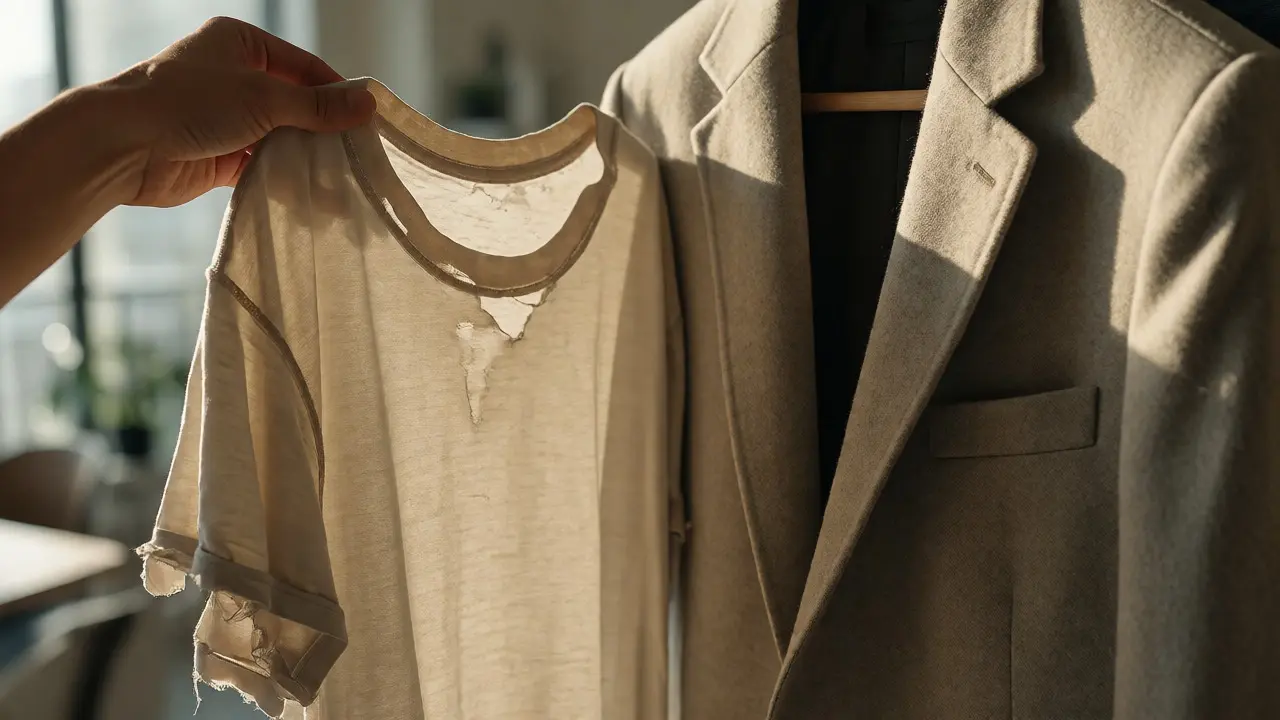
You want to look good. You want to feel confident when you walk into a room. But your bank account tells a different story. We have all been there-standing in front of a closet full of clothes with nothing to wear, or worse, staring at a credit card statement wondering where the money went. The problem isn't usually that you spend too much; it's that you spend it wrong. You buy cheap trends that fall apart after two washes, and you hesitate on quality pieces because they seem too expensive upfront.
Personal style development is the iterative process of refining one's aesthetic identity through experimentation, feedback, and strategic purchasing. It requires a balance between trying new things and building a foundation of reliable staples. This article breaks down how to fund that journey without wrecking your finances. We will look at real numbers, practical frameworks, and the psychology behind why we overspend on fashion.
The Hidden Cost of Cheap Fashion
Let’s talk about the most common trap: the "cheap fix." You see a trendy top for $15. It looks great in the store. You buy it. Three months later, the seams are unraveling, the color has faded, and it no longer fits the current vibe. That $15 shirt actually cost you $7.50 per wear if you wore it twice. Now compare that to a $60 high-quality blouse you wear 40 times over three years. That costs $1.50 per wear. Suddenly, the expensive option looks like a bargain.
This concept is known as Cost Per Wear (CPW). It is a metric used to evaluate the economic value of clothing by dividing the purchase price by the number of times the item is worn. Using CPW changes how you view every price tag. It shifts your mindset from "Can I afford this?" to "Is this worth the value it delivers?" When you calculate CPW, you realize that buying fewer, better items saves money in the long run. It also reduces decision fatigue because you trust what you own.
| Item Type | Low-Quality Option | High-Quality Option | Lifespan (Years) | Est. Wears | Cost Per Wear |
|---|---|---|---|---|---|
| Denim Jeans | $30 Fast Fashion | $120 Premium Denim | 1 vs 5 | 20 vs 150 | $1.50 vs $0.80 |
| Trench Coat | $50 Synthetic Blend | $250 Wool/Cotton Blend | 2 vs 10 | 40 vs 200 | $1.25 vs $1.25 |
| White Sneakers | $40 Canvas | $150 Leather | 1 vs 4 | 50 vs 200 | $0.80 vs $0.75 |
| Blazer | $60 Polyester | $200 Tailored Wool | 2 vs 8 | 30 vs 120 | $2.00 vs $1.66 |
Building Your Style Budget Framework
So, how much should you actually spend? There is no magic number, but there is a healthy range. Financial planners often suggest allocating 2-5% of your take-home pay to clothing and personal care. If you make $4,000 a month, that’s $80-$200. For someone actively developing their style, you might bump this to 5-7% temporarily during an "experimentation phase," then drop back down once your wardrobe stabilizes.
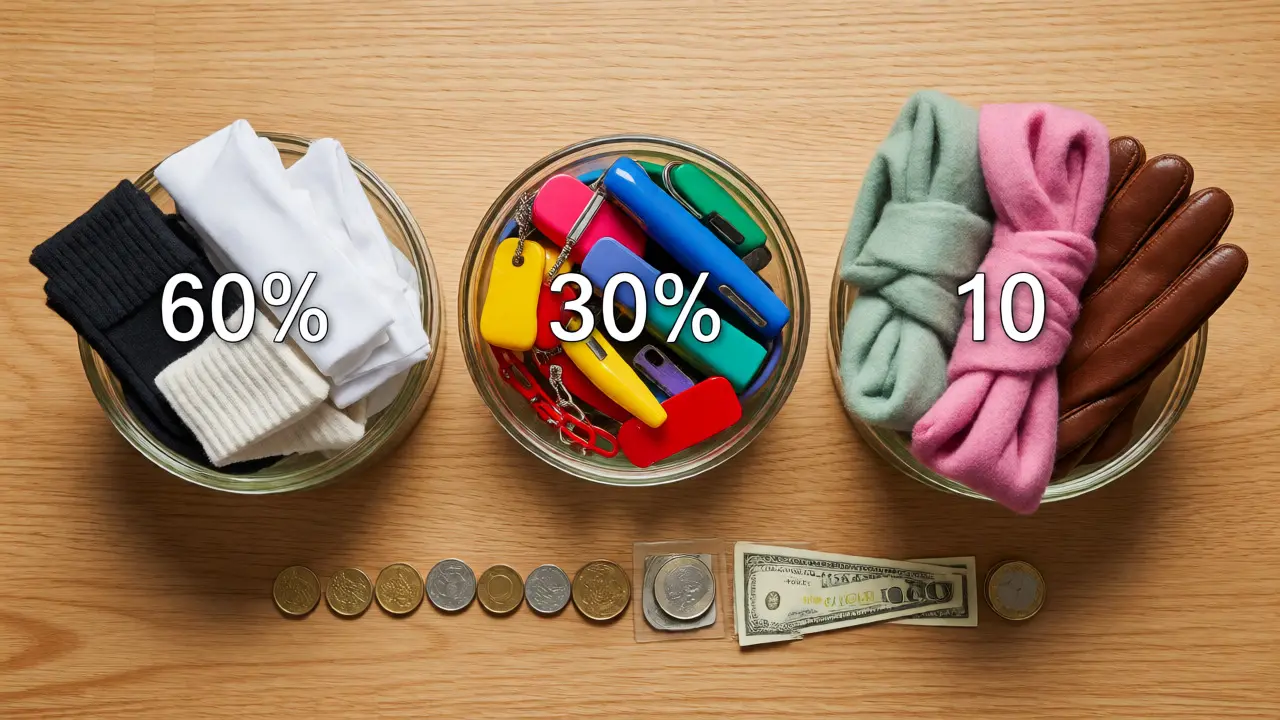
Break that monthly amount into three buckets:
- The Foundation Fund (60%): This pays for essentials. Think underwear, socks, basic tees, jeans, and work-appropriate shoes. These items need to be replaced regularly due to wear and tear. Prioritize durability here. A $20 pair of socks that lasts six months beats a $5 pair that falls apart in two weeks.
- The Statement Fund (30%): This is for experimentation. Bold colors, unique cuts, accessories, or trend-driven pieces. This bucket allows you to test what works for your body type and personality without breaking the bank. Keep these purchases under $50 unless it’s a major seasonal item.
- The Investment Fund (10%): Save this up for big-ticket items. A good coat, a tailored suit, or high-end boots. Don’t buy these impulsively. Wait until you have saved enough to buy them outright or put them on a dedicated savings goal. Buying these on credit can negate the savings of owning quality items.
Strategic Experimentation Without Debt
Developing style means trying things that might not work. You might think you love wide-leg trousers, only to find they swallow your frame. How do you experiment without wasting money? You borrow, rent, or buy secondhand.
Rental Services are subscription-based platforms that allow users to access designer clothing for a fraction of the retail price for short periods. Companies like Rent the Runway or Nuuly offer plans ranging from $90 to $200 a month. If you need a dress for a wedding or want to try a leather jacket before committing $300, renting is smarter than buying. You get the experience and the photo for a tenth of the cost.
Secondhand shopping is another powerful tool. Platforms like ThredUp, Poshmark, or local consignment shops let you buy gently used items at 50-80% off retail. This lowers the risk of experimentation. If you buy a $15 blazer instead of a $150 one and decide it’s not your style, you’ve lost little. Plus, vintage pieces add uniqueness to your look that fast fashion can’t replicate.
The Capsule Wardrobe Approach to Saving Money
A Capsule Wardrobe is a curated collection of interchangeable clothing items that maximize outfit combinations while minimizing clutter and spending. It sounds restrictive, but it’s actually liberating. When you limit yourself to, say, 30 items per season, every piece must earn its place. You stop buying things "just in case" and start buying things you know you’ll wear.
To build a budget-friendly capsule:
- Audit what you have. Pull everything out. Sort into keep, donate, and sell. Be ruthless.
- Identify gaps. Do you have five black tops but no white shirts? Stop buying black tops.
- Set a rule. One-in, one-out. If you buy a new sweater, an old one goes to Goodwill. This keeps your total inventory stable and prevents hoarding.
- Focus on neutrals first. Black, white, navy, gray, and beige mix easily. Add color through accessories, which are cheaper and easier to swap out.
This approach forces discipline. You’re less likely to impulse-buy a neon green skirt if you don’t have anything to match it with. It aligns your spending with your actual lifestyle needs rather than fantasy scenarios.
Mistakes That Drain Your Style Budget
Even with a plan, certain habits leak money. Here are the biggest culprits:
- Sales Trap: Buying something just because it’s 70% off. If you wouldn’t buy it at full price, don’t buy it on sale. A $100 jacket marked down to $30 is still $30 wasted if it sits in your closet.
- Ignoring Alterations: Many people skip tailoring because it costs extra. But a $40 dress altered for $20 fits better than a $100 dress off the rack. Good fit makes cheap clothes look expensive. Bad fit makes expensive clothes look cheap.
- Emotional Shopping: Buying clothes when you’re stressed, bored, or celebrating. These purchases rarely reflect your true style. Implement a 24-hour rule: wait a day before checking out online. Half the time, the urge passes.
- Neglecting Maintenance: Not washing delicate items properly or skipping repairs. A small hole left unrepaired can ruin a favorite sweater. Learn basic mending skills or find a local tailor. It’s cheaper than replacement.
Tracking Your Spending Like a Pro
You can’t manage what you don’t measure. Use a simple spreadsheet or an app like Mint or YNAB to track fashion expenses. Categorize each purchase as "Essential," "Experiment," or "Investment." At the end of the quarter, review your data. Are you spending 80% on experiments? Maybe you need to pause and consolidate. Are you ignoring essential replacements? Adjust your budget allocation.
Also, track your "Style Wins." Note which outfits got compliments or made you feel great. Over time, patterns emerge. Maybe you always feel confident in structured jackets but uncomfortable in flowy dresses. Let this data guide your future purchases. This turns subjective style into objective strategy.
Frequently Asked Questions
How much should I spend on my wardrobe per year?
A general rule is 2-5% of your annual income for clothing and personal care. During active style development, you might allocate up to 7%, but aim to return to the lower range once your core wardrobe is established. Always prioritize quality over quantity to reduce long-term costs.
Is it worth buying expensive brands for style development?
Not necessarily. Expensive brands often charge for marketing and status, not just quality. Focus on fabric composition and construction details rather than logos. A well-made mid-range brand often offers better value per wear than a luxury label. Test expensive items via rental or resale to see if the quality difference matters to you personally.
How do I handle impulse buys while experimenting?
Implement a 24-hour waiting period for any non-essential purchase. Create a separate "Fun Fund" with a strict cap (e.g., $50/month) specifically for impulse buys. Once the fund is empty, you cannot buy more until the next month. This satisfies the urge to shop without derailing your main budget.
Should I buy trendy items or classic pieces?
Balance both. Aim for 80% classic, versatile pieces that form the backbone of your wardrobe, and 20% trendy items that express current interests. Buy trendy items cheaply or secondhand so they don’t hurt your wallet when the trend fades. Invest heavily only in classics you know you will wear for years.
What is the best way to dispose of unwanted experimental clothes?
Sell high-value items on platforms like Poshmark or Depop to recoup costs. Donate gently used items to local charities for tax deductions. Recycle worn-out fabrics through textile recycling programs. Avoid throwing clothes in the trash, as synthetic materials take decades to decompose.
Next Steps for Your Style Journey
Start today by calculating your current Cost Per Wear on your top five most-worn items. Then, set your monthly budget using the 60/30/10 split. Commit to one month of no-spend except for essentials. After that, use your Statement Fund to rent or buy secondhand one bold piece you’ve been curious about. Track how it feels. Adjust. Repeat. Your style evolves, and your budget should evolve with it. Stay flexible, stay intentional, and remember: looking good shouldn’t cost you your peace of mind.