

Most people think building a professional wardrobe requires a blank check and a personal stylist. They imagine racks full of designer suits and shoes that cost more than their monthly rent. But here is the truth: you can look sharper in a boardroom for less money by buying fewer items. The secret isn't spending more; it's spending smarter. It’s about strategic purchases that work together, not just looking good individually.
You don’t need ten shirts. You need three perfect ones. You don’t need five pairs of pants. You need two that fit flawlessly. This approach saves you money, reduces decision fatigue every morning, and ensures you always look put-together. Let’s break down exactly how to build this system without breaking the bank.
The Math Behind Your Money
Before you buy anything, you need to understand why cheap clothes often end up costing you more. This is called the Cost Per Wear (CPW) formula. It’s simple: divide the price of an item by how many times you wear it.
A $20 blazer from a fast-fashion store might feel like a bargain. But if the fabric pills after three washes and the structure collapses after six months, you’ve only worn it maybe twenty times. That’s $1 per wear. Now, compare that to a $150 blazer made of high-quality wool blend. If it lasts five years and you wear it twice a week, that’s over 500 wears. That’s $0.30 per wear. Suddenly, the expensive option is actually cheaper.
Your goal is to lower your CPW. You do this by choosing durable fabrics and classic styles that don’t go out of fashion next season. When you view clothing as an investment rather than a disposable commodity, your shopping habits change automatically.
The Core Capsule: What You Actually Need
A professional wardrobe doesn’t mean owning everything. It means owning the right things. For most office jobs, you can survive-and thrive-with a core set of seven to ten pieces. These are the anchors of your style. Everything else rotates around them.
Start with the basics. You need neutral colors because they mix and match easily. Black, navy, gray, white, and beige are your best friends. Avoid bright patterns or trendy cuts for these core items. Trends fade; neutrals stay relevant.
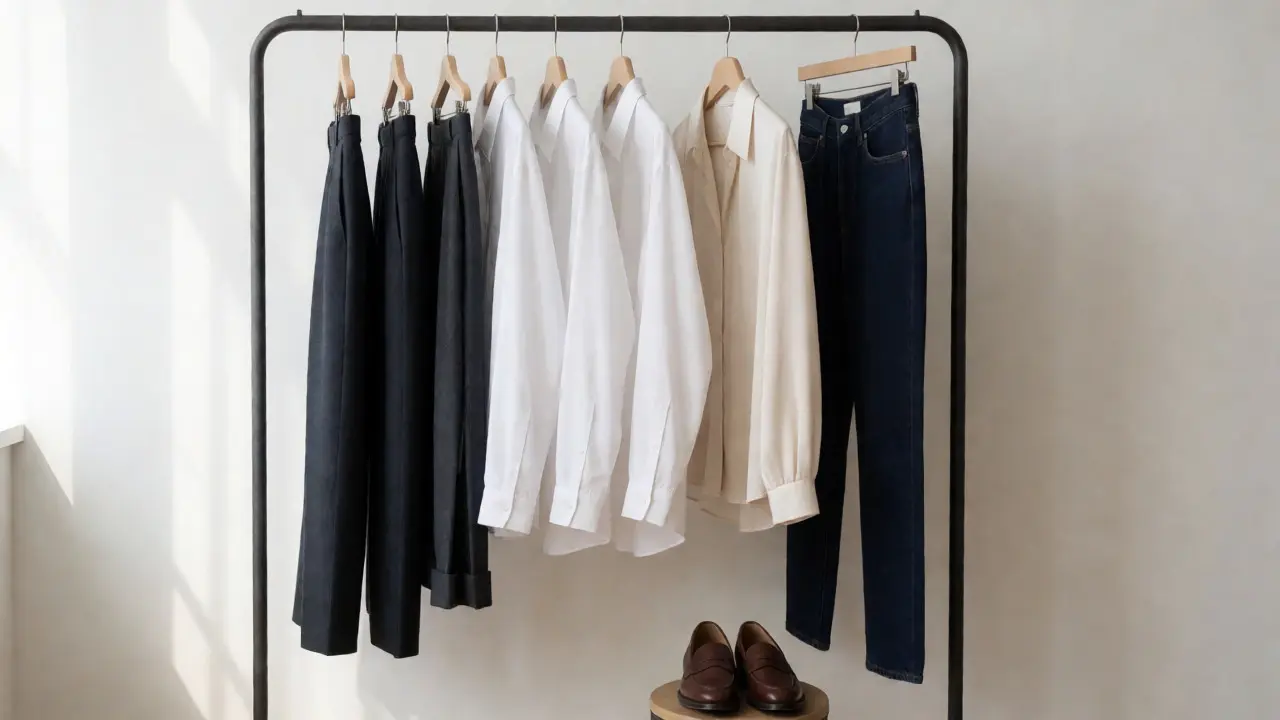
| Item Type | Recommended Color | Fabric Priority | Why It Works |
|---|---|---|---|
| Navy Blazer | Navy Blue | Wool Blend | Elevates jeans or dress pants instantly; hides stains better than black. |
| Tailored Trousers | Charcoal Gray | Wool or Crepe | Matches almost any shirt; looks formal enough for meetings but comfortable for daily wear. |
| White Button-Down Shirt | Crisp White | High Thread Count Cotton | The ultimate layering piece; works under sweaters, jackets, or alone. |
| Silk or Satin Blouse | Black or Cream | Mulberry Silk or High-Quality Polyester | Adds texture and luxury feel without the bulk of heavy fabrics. |
| Dark Wash Jeans | Indigo (No Distressing) | Stretch Denim | For casual Fridays; must be dark and clean to pass as business casual. |
| Leather Loafers or Oxfords | Brown or Black | Full-Grain Leather | Durable, resoleable, and appropriate for nearly all office settings. |
Fabric Matters More Than Brand
You can spot a cheap suit from across the room. Usually, it’s the shine. Synthetic fabrics like polyester reflect light differently than natural fibers, giving off a plastic-like sheen under fluorescent office lights. Natural fibers breathe better, drape nicer, and last longer.
When you’re on a budget, you can’t always afford 100% cashmere or pure silk. That’s fine. Look for blends. A 70% wool, 30% polyester blend offers the durability of synthetic with the look and feel of wool. Check the care label before you buy. If it says "Dry Clean Only" for a basic t-shirt, walk away. You want items you can wash at home or take to a standard cleaner without special handling fees.
Also, pay attention to weight. Lighter fabrics wrinkle faster. Heavier fabrics hold their shape. For trousers and blazers, aim for medium-weight materials. They resist wrinkles during long commutes and sit well when you’re seated at a desk all day.
Fit Is the Great Equalizer
Here is the biggest mistake people make: they buy clothes that fit their shoulders but ignore the rest. Or worse, they buy clothes too big hoping to lose weight later. Neither strategy works.
Ill-fitting clothes look cheap, even if they cost hundreds of dollars. Well-fitting clothes look expensive, even if you bought them secondhand. Shoulders are the hardest part to alter. If the shoulder seam sits right on your bone, you’re halfway there. The rest-waist, sleeve length, hem-is easy and relatively cheap to fix.
Find a local tailor. Yes, it costs extra. But spending $15 to taper a pair of pants or shorten a jacket sleeve transforms a $40 thrift-store find into a custom-looking garment. Most tailors will also replace buttons or reinforce seams for a few dollars. This small investment pays off every time you put on the outfit.
Where to Shop Without Guilt
You don’t have to shop at luxury boutiques to find quality. In fact, some of the best deals are hidden in plain sight.
- Thrift Stores and Consignment Shops: Look for sections labeled "Designer" or "Business Attire." You can find gently used blazers from brands like J.Crew, Banana Republic, or even higher-end labels for 80% off. Check for moth holes and armpit stains first. If those are clear, try it on.
- Off-Price Retailers: Stores like TJ Maxx, Marshalls, or Nordstrom Rack carry overstock from department stores. The selection changes daily, so you need patience. Go early in the morning for the best picks. Focus on basics here, not trends.
- End-of-Season Sales: Buy winter coats in March. Buy summer dresses in September. Retailers need to clear inventory to make room for new stock. Discounts can hit 50-70%. Stock up on essentials when prices drop.
- Online Resale Platforms: Sites like ThredUp, Poshmark, or The RealReal allow you to filter by size, brand, and condition. You can read reviews and see photos from other buyers. This transparency helps avoid bad surprises.

Maintenance Extends Life
Buying smart is half the battle. Keeping your clothes alive is the other half. Cheap clothes die quickly if treated poorly. Expensive clothes can last decades with proper care.
First, rotate your shoes. Never wear the same pair two days in a row. Leather needs 24 hours to dry out completely from sweat. Wearing them daily causes them to crack and smell. Use shoe trees to maintain shape.
Second, wash less. You don’t need to wash a blazer after every wear. Spot-clean stains immediately. Air them out after use. Over-washing breaks down fibers. For shirts, wash after one or two wears depending on activity level. Always turn clothes inside out to protect the outer surface.
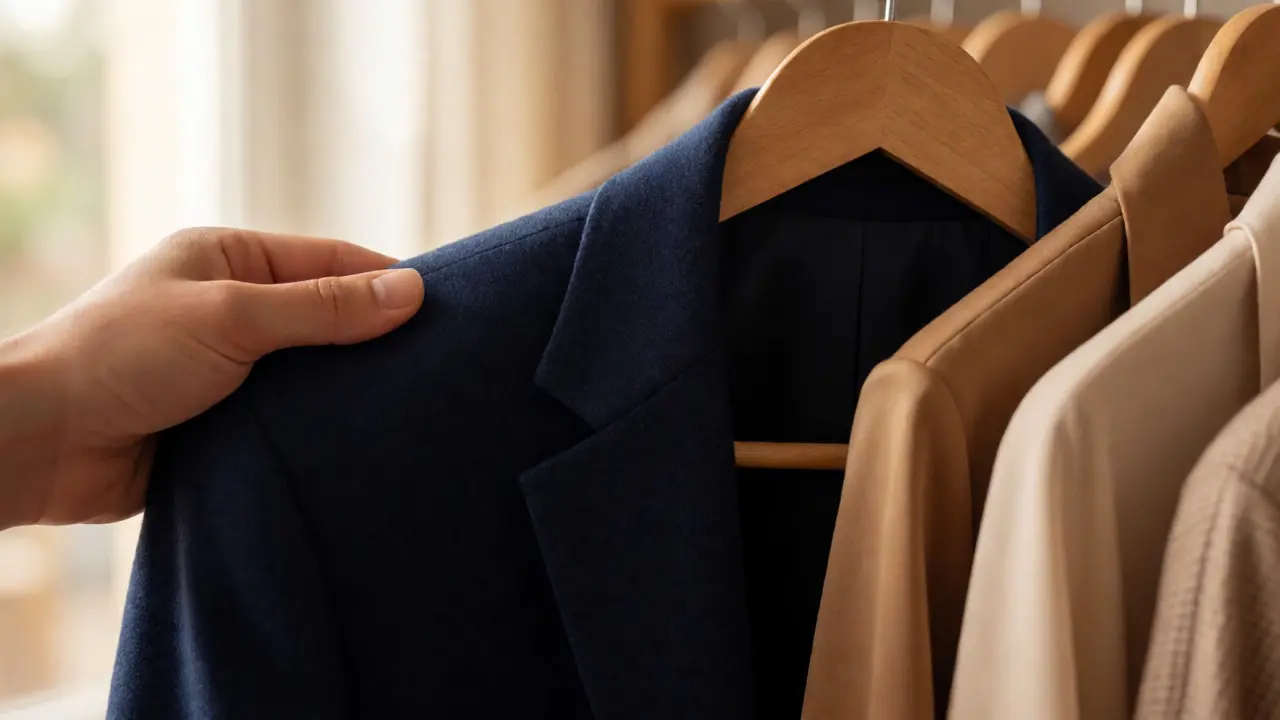
Third, store properly. Hang structured items like blazers on wide wooden hangers. Thin wire hangers distort shoulders. Fold knits and sweaters to prevent stretching. Keep your closet organized so you can see what you own. If you can’t see it, you won’t wear it, which defeats the purpose of a versatile wardrobe.
Putting It All Together
Imagine Monday morning. You grab charcoal trousers, a white shirt, and a navy blazer. You look polished. Tuesday, you swap the blazer for a structured cardigan and add a scarf. Wednesday, you wear the same trousers with a silk blouse and no blazer. Thursday, you switch to dark jeans and the blazer again. Friday, you wear the cardigan with the blouse.
Notice how few items were involved? Five core pieces created five distinct looks. This is the power of versatility. You save time getting dressed. You save money buying fewer items. You reduce stress because you know every piece works with every other piece.
Start small. Audit your current closet. Remove anything that doesn’t fit or hasn’t been worn in a year. Identify gaps against the core list above. Then, hunt for those specific items using the strategies we discussed. Don’t rush. Wait for the right fit and fabric. Your future self will thank you for the clarity and confidence this brings.
How many items do I really need for a professional wardrobe?
You can start with as few as 10-15 key pieces. This includes 2-3 blazers, 3-4 pairs of trousers/skirts, 4-5 tops/shirts, and 2-3 pairs of shoes. This capsule allows for dozens of combinations while keeping your closet manageable and affordable.
Is it worth spending more on tailored fits?
Yes, absolutely. A cheap item that fits perfectly looks more professional than an expensive item that fits poorly. Tailoring costs are minimal compared to replacing ill-fitting clothes repeatedly. Always prioritize fit over brand name.
What colors should I stick to for maximum versatility?
Stick to neutral bases: navy, charcoal, black, white, cream, and camel. These colors mix seamlessly. Add color through accessories like ties, scarves, or jewelry, which are cheaper to replace and update.
Can I wear jeans in a professional setting?
In many modern offices, yes. Choose dark wash, straight-leg or slim-fit jeans with no distressing or fading. Pair them with a blazer and leather shoes to elevate the look. Always check your company’s specific dress code policy first.
How do I know if a fabric is high quality?
Check the fiber content label. Natural fibers like cotton, wool, linen, and silk generally indicate higher quality. Perform the crumple test: scrunch the fabric in your hand for 10 seconds. If it springs back with few wrinkles, it’s likely high quality or treated for wrinkle resistance.