

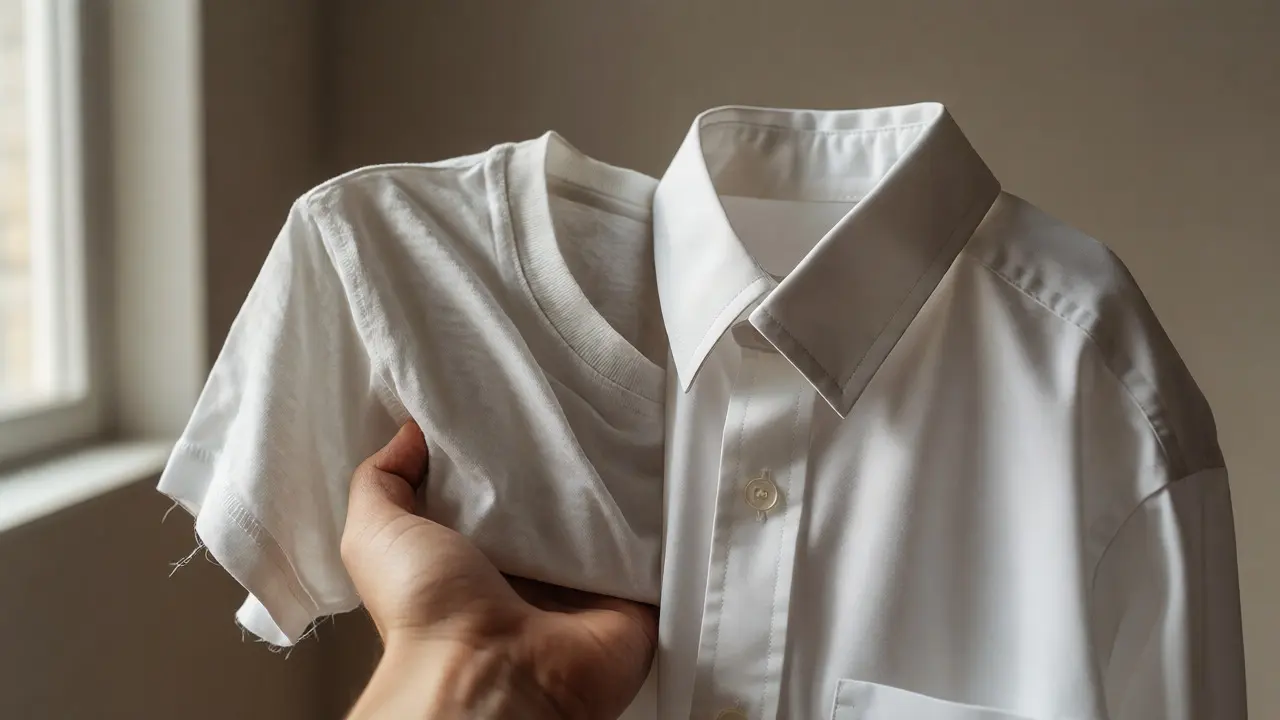
You know that feeling? You open your closet, it’s stuffed with clothes, yet you have absolutely nothing to wear. Meanwhile, your bank account looks like it survived a raid. This is the classic trap of budget fashion: buying cheap things often instead of good things once. It feels like saving money in the moment, but over five years, you’re spending way more on replacements, repairs, and items you never actually liked.
Here is the truth: building a quality wardrobe isn't about having unlimited funds. It's about strategy. It’s about knowing what to buy first, what to skip, and how to make every dollar work harder for you. Whether you’re making $40k or $140k, the principles remain the same. Let’s break down how to curate a closet that serves you, not stresses you out.
The Math Behind Cheap vs. Quality
Before we talk about specific items, let’s look at why "cheap" is usually expensive. Fashion economists use a metric called Cost Per Wear (CPW). If you buy a $20 shirt from a fast-fashion retailer and it falls apart after three washes because the seams unravel, that shirt cost you $6.67 per wear. If you buy a $80 shirt made of long-staple cotton that lasts for two years with regular rotation (say, 50 wears), that costs you $1.60 per wear.
The quality item was four times cheaper in the long run. Plus, the $80 shirt likely fits better, holds its shape, and doesn’t pill immediately. When you shift your mindset from "what does this cost today?" to "how much will I use this?", your shopping habits change automatically. You stop impulse-buying trendy pieces that will look dated in six months and start hunting for staples that anchor your style.
Prioritize These Four Pillars First
If you are starting from scratch or rebuilding, do not try to buy everything at once. Focus on the high-impact categories where quality matters most. These are the items people notice first and the ones that suffer the most from poor construction.
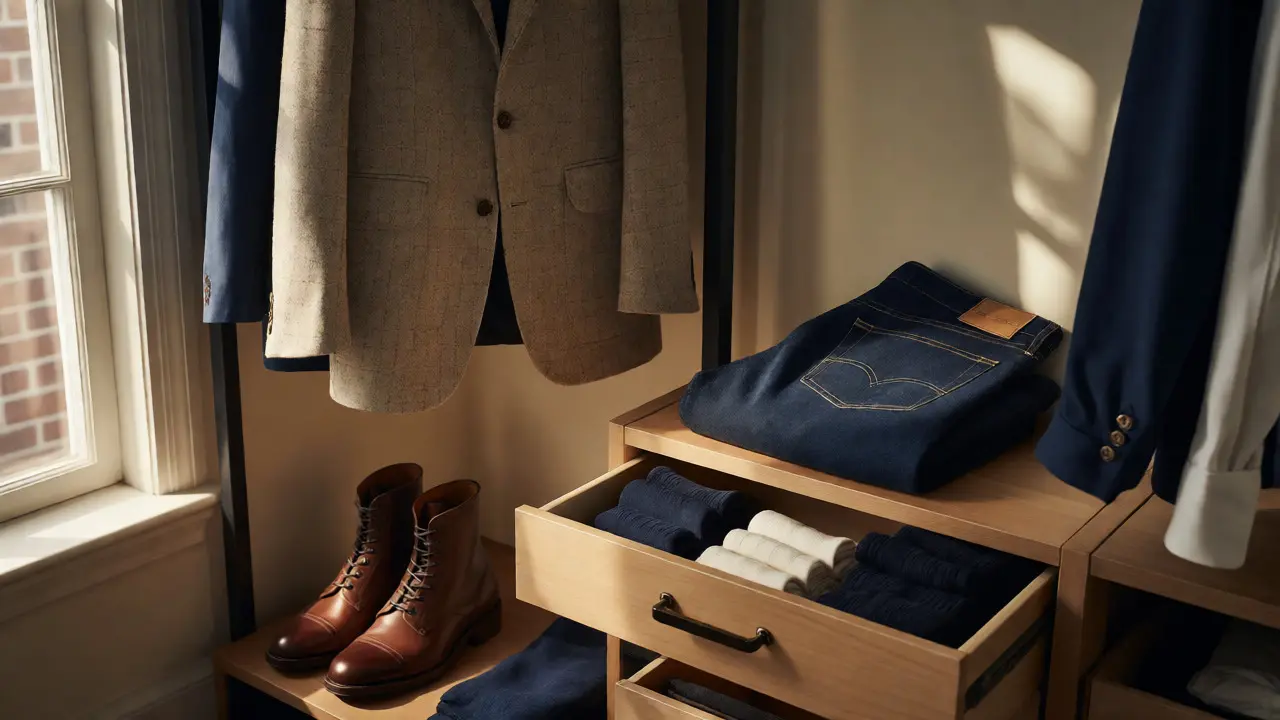
- Tailored Outerwear: A coat or blazer sits on top of everything else. If the lining rips or the fabric shines under pressure points (like elbows), it ruins the whole outfit. Look for natural fibers like wool blends. Synthetic linings peel; natural ones breathe and last.
- Footwear: Your shoes take the most physical abuse. A $30 pair of sneakers might feel okay for a week, but by month two, the sole separates or the leather cracks. Investing in resoleable boots or high-quality leather sneakers saves you from replacing them annually.
- Denim: Cheap jeans stretch out and lose their shape after one day of wear. Good denim uses selvedge or heavy-weight cotton that molds to your body over time. It’s an investment in fit.
- Undergarments and Socks: Yes, really. Thin socks cause blisters. Ill-fitting bras cause back pain. Cheap underwear creates visible panty lines and bunching. Spend here. Comfort is the foundation of confidence.
Where You Can Save Without Regret
Not every item needs to be heirloom quality. Some things are meant to be replaced frequently or don’t require complex construction. Here is where you can happily spend less without sacrificing your overall look.
- T-Shirts and Tanks: Unless you need a specific performance fabric, basic cotton tees are disposable. Buy multipacks if they fit well. If they shrink or fade, replace them. Don’t agonize over finding the perfect $50 tee when a $15 pack works fine for casual days.
- Seasonal Trends: That neon green hoodie everyone wore in 2024? You probably won’t wear it in 2026. Buy trend items secondhand or from discount retailers. They have a short shelf life, so paying full retail price rarely makes sense.
- Accessories (Non-Leather): Scarves, hats, and costume jewelry can be affordable. As long as they aren’t falling apart in your hand, the brand name doesn’t matter. Focus on color and texture rather than label prestige.
| Category | Buy Quality? | Why? | Budget Alternative Strategy |
|---|---|---|---|
| Jackets & Coats | Yes | High visibility, structural integrity matters | Thrift stores, end-of-season sales |
| Dress Shoes | Yes | Comfort, durability, resoleability | Wait for holiday sales, buy gently used |
| Jeans | Yes | Fit retention, fabric longevity | Outlet brands, Levi's 501s on sale |
| T-Shirts | No | Fade quickly, low structural risk | Multipacks, bulk buys |
| Trend Items | No | Short lifespan, low utility | Fast fashion, resale apps |
| Sweaters | Mixed | Natural fibers last longer; acrylic pills | Check fiber content; avoid 100% acrylic |
The Fabric Checklist: What to Look For
You don’t need to be a textile engineer to spot quality. Just learn to read the care label. The material tells you more about the garment’s future than the brand tag does.
Avoid 100% polyester for everyday wear unless it’s activewear. Polyester traps sweat, smells bad quickly, and melts if you iron it wrong. Instead, look for natural fibers or high-quality blends. Cotton, linen, wool, and silk breathe and age gracefully. If you see a blend, check the ratio. A 95% cotton / 5% elastane blend is great for stretch in jeans. A 50% polyester / 50% cotton blend is often a sign of cost-cutting that results in a stiff, uncomfortable shirt.
Also, check the weight. Hold the fabric up to the light. If you can see through it easily (unless it’s summer linen), it’s likely thin and fragile. Heavyweight fabrics drape better and resist tearing. In New York, where I live, winter coats need substance. A flimsy windbreaker won’t cut it against the January wind off the Hudson River, no matter how cool the logo is.
Strategic Shopping: How to Actually Buy
Knowing what to buy is half the battle. Knowing when and where is the other half. Most people shop when they are bored or sad. That’s when you buy things you don’t need. Try these tactics instead.
The One-In-One-Out Rule: Before you bring a new piece home, remove one old piece. This forces you to evaluate if the new item is truly better than what you already own. If you’re keeping the old item, you probably don’t need the new one.
Shop Off-Season: Buy your winter coat in April. Buy your swimsuit in October. Retailers clear inventory aggressively during these months. You can get premium brands at 50-70% off. It requires patience, but the savings are massive.
Embrace Secondhand: Platforms like The RealReal, Poshmark, or local consignment shops are goldmines for quality items. A vintage wool blazer might cost $40 secondhand but $300 new. Check for flaws, but minor issues are easy to fix. High-end brands hold their value and structure better than fast fashion, even after years of use.
Maintenance Extends Value
You can buy the best cashmere sweater in the world, but if you throw it in the dryer on high heat, you’ll ruin it. Maintenance is part of the cost of ownership. Learn basic care skills. Wash clothes in cold water. Air dry whenever possible. Use a steamer instead of an iron to refresh wrinkles without damaging fibers.
Repair small things immediately. A loose button or a popped seam takes five minutes to fix. Ignore it, and the garment becomes unwearable within a month. Keep a simple sewing kit and a fabric shaver. The shaver removes pilling from sweaters and coats, making them look brand new again. These small habits double the lifespan of your clothes, effectively cutting your clothing budget in half over time.
Defining Your Personal Uniform
A quality wardrobe isn’t about having options for every possible scenario. It’s about having a reliable uniform for your daily life. Ask yourself: What do I actually do? If you work in a creative office, you don’t need ten suits. You need five great shirts, two pairs of tailored trousers, and one versatile blazer. If you’re a freelancer who stays home, maybe you need three high-quality loungewear sets and one sharp outfit for client calls.
Write down your weekly activities. Count the outfits you need for each category. Then, audit your closet. Do you have duplicates? Do you have gaps? Stop buying random pieces. Start filling specific slots. This prevents the "cluttered closet, nothing to wear" syndrome. When every item has a purpose and a place, getting dressed becomes effortless.
Common Pitfalls to Avoid
Even with good intentions, we fall into traps. Watch out for these common mistakes:
- Buying for the Body You Want, Not the Body You Have: Waiting to lose ten pounds before buying pants means you’re wearing ill-fitting clothes now. Fit is king. Tailoring is cheap ($15-$30) compared to buying new clothes.
- Ignoring Color Coordination: If your new jacket doesn’t match any of your existing pants, you just bought a hassle. Stick to a cohesive color palette. Neutrals mix easily. Add pops of color only when you’re sure they work with your base.
- Chasing Sales Irresponsibly: A 70% discount on something you hate is still 100% waste. Never buy something solely because it’s on sale. Buy because it solves a problem in your wardrobe.
Building a quality wardrobe is a marathon, not a sprint. You don’t need to replace everything tomorrow. Start with one category. Maybe this month you upgrade your socks and underwear. Next month, you hunt for the perfect white sneaker. Over time, you’ll build a collection of items you love, that fit well, and that last. And yes, you’ll likely spend less than you did when you were constantly chasing trends.
How many clothes should be in a quality wardrobe?
There is no magic number, but a functional capsule wardrobe typically ranges from 30 to 40 items, including shoes and outerwear. This varies based on climate and lifestyle. The goal is versatility, not minimalism for its own sake. If you can create 50+ distinct outfits from those 40 items, you have succeeded.
Is expensive always equal to quality?
No. You pay for branding, marketing, and retail markup as much as you pay for materials. A $200 designer shirt might use the same cotton as a $60 mid-tier brand shirt. Always check the fabric composition and stitching quality rather than relying on the price tag or logo alone.
What is the best way to start building a wardrobe on a tight budget?
Start with undergarments and socks, then move to footwear and outerwear. These items have the highest impact on comfort and appearance. Buy these items secondhand or during major clearance events. Delay purchasing trend-driven accessories until you have your core staples established.
How do I know if a garment is well-made?
Look for straight seams, matched patterns at the side seams, and sturdy zippers. Stretch the fabric slightly to see if it snaps back. Check if buttons are securely attached. Inside the garment, look for finished edges (serged or bound) rather than raw fabric that frays easily. High thread count per inch indicates better construction.
Should I buy synthetic or natural fibers?
For everyday wear, natural fibers like cotton, wool, linen, and silk are generally superior due to breathability and durability. However, modern synthetics like nylon and spandex are excellent for activewear and adding stretch to denim. Avoid 100% polyester for non-athletic garments as it tends to retain odors and feel clammy.


Write a comment