

Most people don’t realize how much their wardrobe contributes to climate change. The fashion industry produces 10% of global carbon emissions-more than international flights and maritime shipping combined. And it’s not just about pollution. Toxic dyes, water waste, and exploitative labor are baked into the cost of a $10 t-shirt. But building a sustainable wardrobe doesn’t mean buying nothing. It means buying better.
Start with what you already own
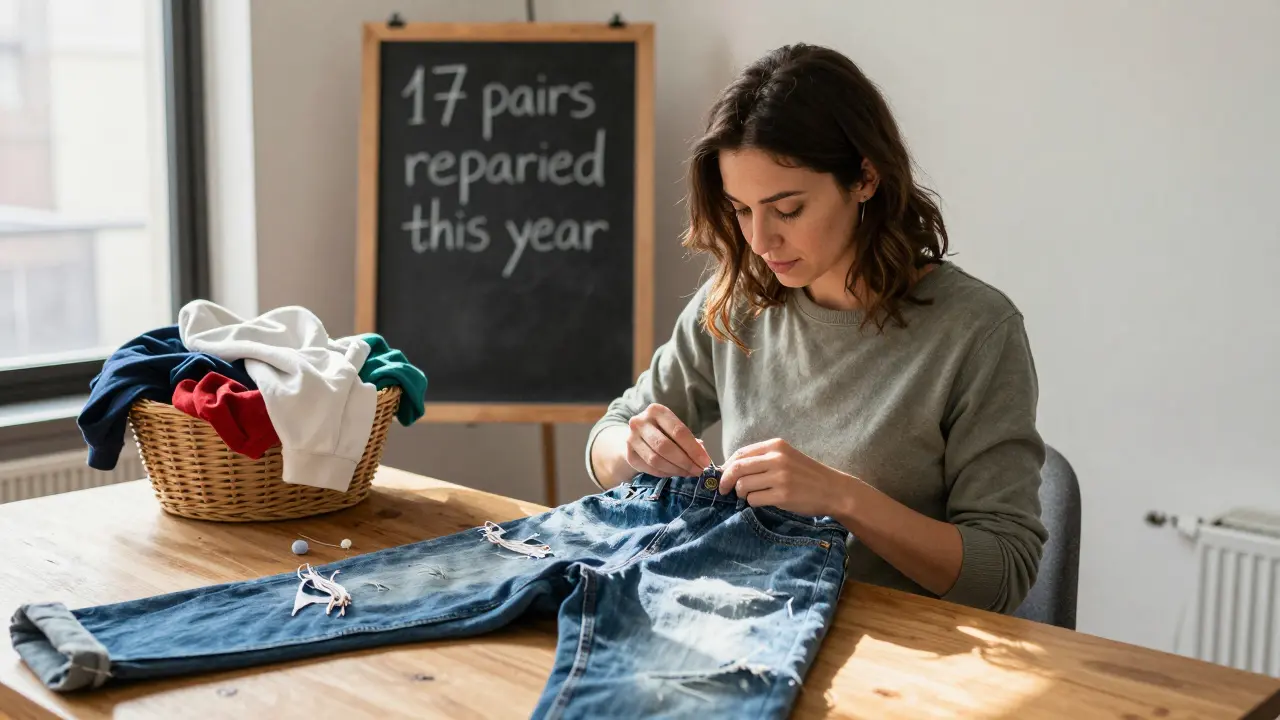
Before you buy anything new, take inventory. Go through your closet. Pull out items you haven’t worn in over a year. Are they damaged? Out of style? Or just forgotten? Many people hold onto clothes out of guilt or hope-"someday I’ll wear this again." But that someday never comes. Instead, ask: Does this still serve me? If not, repair it, donate it, or recycle it. A sustainable wardrobe starts with honesty, not new purchases.One woman in Brooklyn repaired 17 pairs of jeans last year using simple needle-and-thread techniques. She didn’t buy new denim. She extended the life of what she had. That’s the real win.
Define your style, not your trends
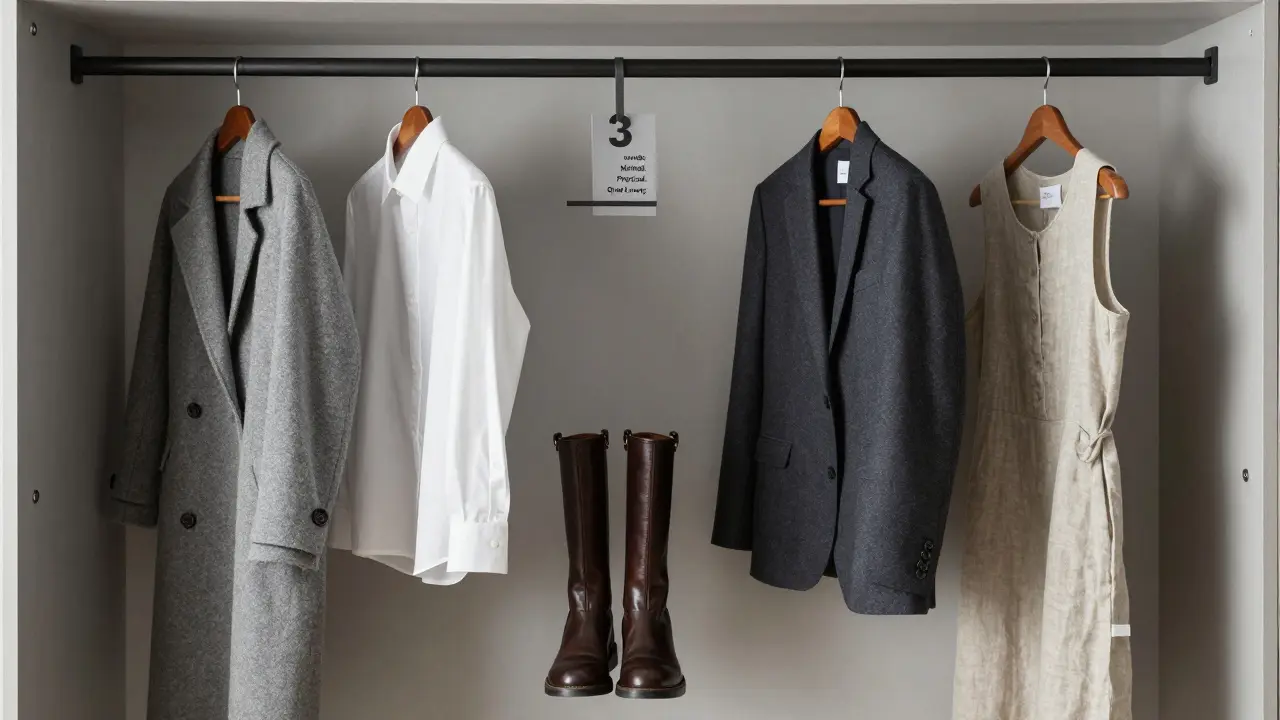
Fast fashion thrives on constant change. What’s hot this month is trash next quarter. A sustainable wardrobe is built on timeless pieces that fit your body and lifestyle. Think: a well-fitted blazer, sturdy boots, a classic white shirt, or a wool coat that lasts five winters. These aren’t trends-they’re anchors.Try this: pick three words that describe your personal style. Maybe it’s "minimal," "practical," or "quiet luxury." Write them down. Now, every time you consider a new item, ask: Does this align with my three words? If not, walk away. You don’t need 50 tops. You need five that you love enough to wear 50 times.
Know the brands that actually deliver
Not all "ethical" brands are created equal. Some use greenwashing-marketing themselves as sustainable while still relying on sweatshops or synthetic fabrics. Look for transparency. The best brands openly share:- Where their materials come from (organic cotton? recycled polyester?)
- Who makes their clothes (factory names, locations)
- How much they pay workers (living wage data)
- How they handle waste (repair programs, take-back initiatives)
Brands like Patagonia is a U.S.-based outdoor clothing company founded in 1973 that pioneered environmental activism in fashion, People Tree is a UK-based brand working with Fair Trade certified producers since 1991, and Reformation is a Los Angeles-based company that tracks the environmental impact of each garment using its proprietary RefScale publish this data publicly. You can check their annual sustainability reports. No report? That’s a red flag.
Quality over quantity-here’s how to judge it
A $150 sweater that lasts 10 years costs less per wear than a $30 one that frays after three washes. Here’s how to tell if something’s built to last:- Stitching: Look for double or triple stitching at stress points (shoulders, seams, hems)
- Fabric: Natural fibers like organic cotton, linen, hemp, TENCEL™, and wool outlast synthetics
- Weight: Heavier fabrics often mean better durability-don’t be fooled by "lightweight" marketing
- Finishing: Raw edges? Uneven seams? These are signs of rushed production
- Labels: Certifications like GOTS (Global Organic Textile Standard) or Fair Trade Certified mean real standards
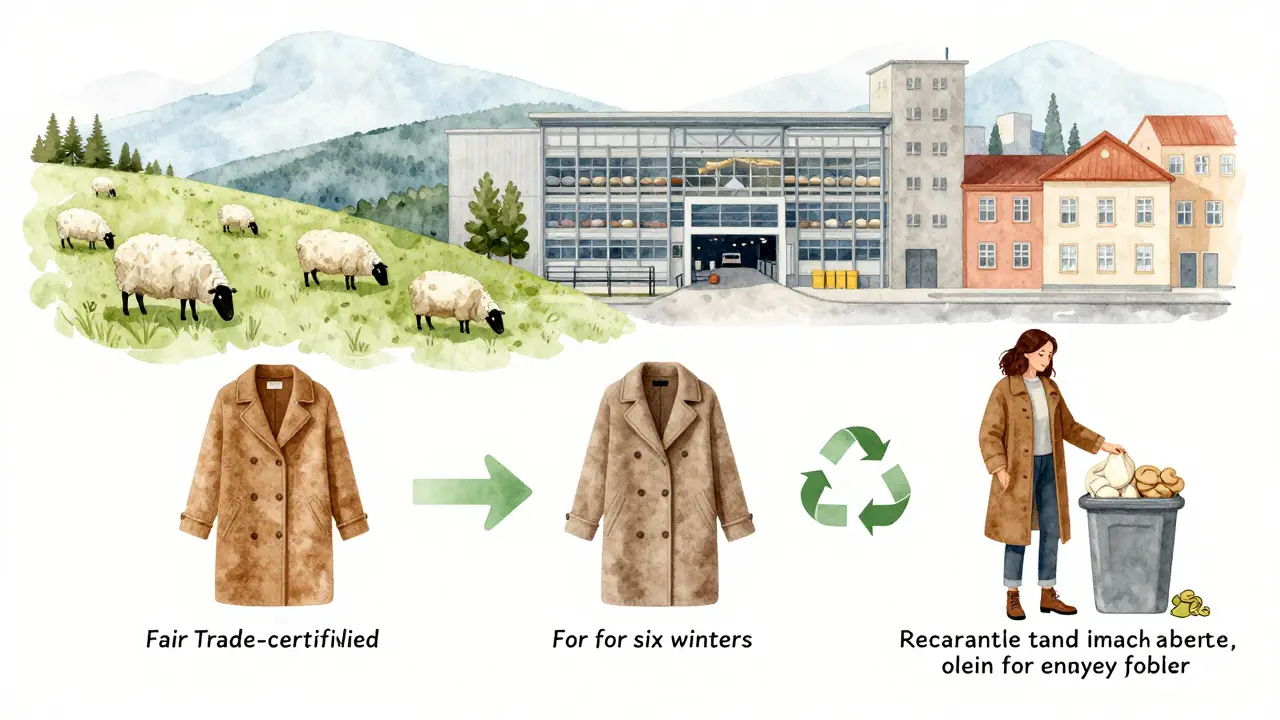
A friend of mine bought a $220 wool coat from a small ethical brand. She wore it for six winters. She had it cleaned once. She still wears it. That coat cost her $37 per year. A fast fashion coat she bought two years ago? Gone. Trash.
Buy less, but buy smarter
A sustainable wardrobe isn’t about buying everything at once. It’s about intentional, phased upgrades. Start with one category: shoes. Then outerwear. Then underwear. Replace worn-out items one at a time with ethical alternatives.Set a rule: for every new item you bring in, donate or recycle one. This keeps your closet lean and your conscience clear. It also forces you to think: Do I really need this? Most of the time, the answer is no.
One New York resident reduced her clothing purchases by 80% in two years by only buying when something was truly broken or no longer fit. She now owns 32 items total-including 5 pairs of socks and 3 scarves. She says she feels freer than ever.
Support circular systems
Ethical brands aren’t just about how they make clothes-they’re about what happens after you’re done with them. Look for companies that offer:- Repair services (like Patagonia’s Worn Wear program)
- Take-back programs (where you return old items for store credit)
- Recycling partnerships (turning worn-out garments into new fabric)
Some brands even use recycled ocean plastic or post-consumer waste. Eileen Fisher is a brand that takes back used garments, cleans them, and resells them through its Renew program. In 2025 alone, they diverted over 200,000 garments from landfills.
It’s not perfect-but it’s progress
No wardrobe is 100% sustainable. Even ethical brands use some plastic packaging or ship internationally. That’s okay. Perfection isn’t the goal. Consistency is.Every time you choose a garment made with organic cotton over conventional cotton, you save 2,700 liters of water. Every time you buy secondhand, you prevent a new item from being produced. Every time you repair instead of replace, you cut waste.
You don’t need to overhaul your whole closet overnight. Just make one better choice this month. Then another next month. Slow fashion isn’t slow because it’s boring. It’s slow because it’s thoughtful. And that’s where real change begins.
How do I know if a brand is truly ethical and not just greenwashing?
Look for third-party certifications like GOTS (Global Organic Textile Standard), Fair Trade Certified, or B Corp status. These require independent audits. Avoid brands that only use vague terms like "eco-friendly" or "natural" without data. Check their website for transparency reports-real ethical brands list factory locations, wage data, and material sourcing. If they won’t say where their clothes are made, they’re hiding something.
Can I build a sustainable wardrobe on a budget?
Absolutely. Start with secondhand stores, thrift shops, or online resale platforms like Poshmark, ThredUP, or The RealReal. Many ethical brands also have sales or outlet sections. A $50 vintage coat from the ’90s is more sustainable than a $200 "new ethical" one. Focus on durability and versatility. One well-made pair of jeans or a timeless blazer can anchor your whole wardrobe. And don’t forget repair: sewing a button or hemming pants costs less than $10 and extends life by years.
What fabrics should I avoid for sustainability?
Avoid conventional cotton (uses massive amounts of water and pesticides), polyester, nylon, and acrylic (all petroleum-based synthetics that shed microplastics). Rayon and viscose made from non-sustainably harvested wood pulp also contribute to deforestation. Instead, choose organic cotton, linen, hemp, TENCEL™, modal, wool, or recycled fibers. These use less water, no toxic chemicals, and break down more easily.
How many clothes should I aim to own in a sustainable wardrobe?
There’s no magic number-it depends on your lifestyle. But most people who adopt a mindful approach end up with 30-50 items total, including outerwear, shoes, and accessories. The key isn’t the count-it’s the function. If every item you own gets worn regularly, fits well, and brings you joy, you’ve succeeded. A capsule wardrobe of 20-30 pieces is common among those focused on sustainability.
What if I can’t afford ethical brands?
You don’t need to buy new to be sustainable. Thrifting, swapping clothes with friends, renting for special occasions, or buying from consignment shops all reduce demand for new production. Even wearing what you already own counts. The most sustainable garment is the one you already own and keep wearing. Shift your focus from buying to maintaining: learn to mend, wash less, air dry, and store properly. These habits cost nothing and extend life.


Write a comment