

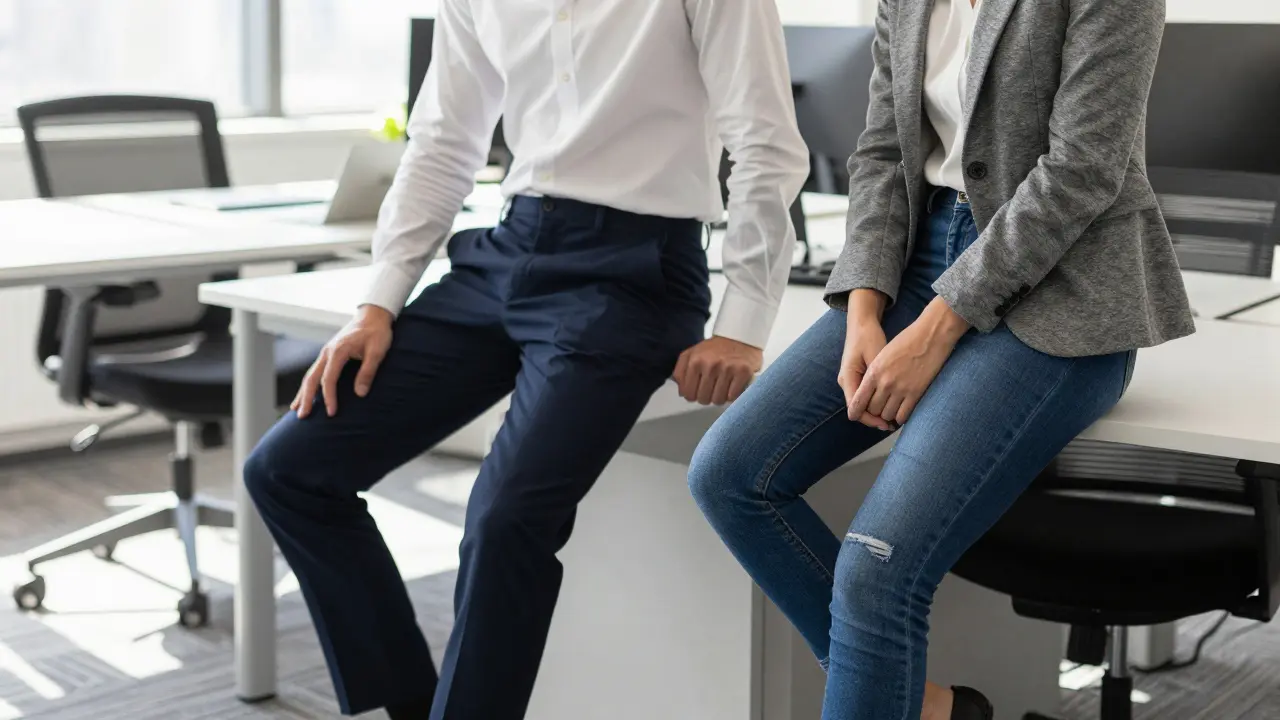
Walk into a modern office in Chicago today, and you might see someone in tailored trousers and a crisp button-down sitting next to a colleague in dark jeans and a structured blazer. This visual contrast captures the essence of business casual, which is a workplace dress code that blends professional polish with relaxed comfort, replacing traditional suits with versatile separates. It’s no longer just about loosening ties; it’s a nuanced balance of fabric, fit, and function that signals respect for your role while acknowledging the shift toward flexible, human-centric work environments.
The confusion around this term is real. Is a polo shirt business casual? What about sneakers? If you’ve ever stood in front of your closet wondering if an outfit will get you passed by HR or praised by your boss, you’re not alone. Getting this right matters because your appearance influences how colleagues perceive your competence, attention to detail, and cultural fit. Let’s break down exactly what works in 2026, why certain pieces succeed, and how to build a wardrobe that transitions seamlessly from Zoom calls to client meetings.
Defining the Modern Business Casual Standard
To navigate this landscape, we first need to pin down what business casual actually means in current practice. Unlike business formal, which requires full suits and ties for men and suit sets or conservative dresses for women, business casual removes the mandatory jacket-and-tie requirement. However, it is distinctly different from casual wear, such as t-shirts, shorts, or athletic gear. The sweet spot lies in between: polished enough to command authority, comfortable enough to sustain productivity.
In 2026, the definition has evolved further due to hybrid work models. The standard now prioritizes "elevated basics." Think high-quality fabrics like merino wool, organic cotton, and technical blends that resist wrinkles. The goal is intentional styling. A simple white tee can become business casual when layered under a well-fitted blazer and paired with chinos. Conversely, a blazer thrown over gym clothes remains casual. The key differentiator is structure and finish. Look for clean lines, minimal logos, and neutral color palettes that anchor the look.
Core Wardrobe Essentials for Every Professional
Building a reliable business casual wardrobe starts with foundational pieces that mix and match effortlessly. These items serve as the backbone of your daily rotation, ensuring you always have appropriate options without last-minute stress.
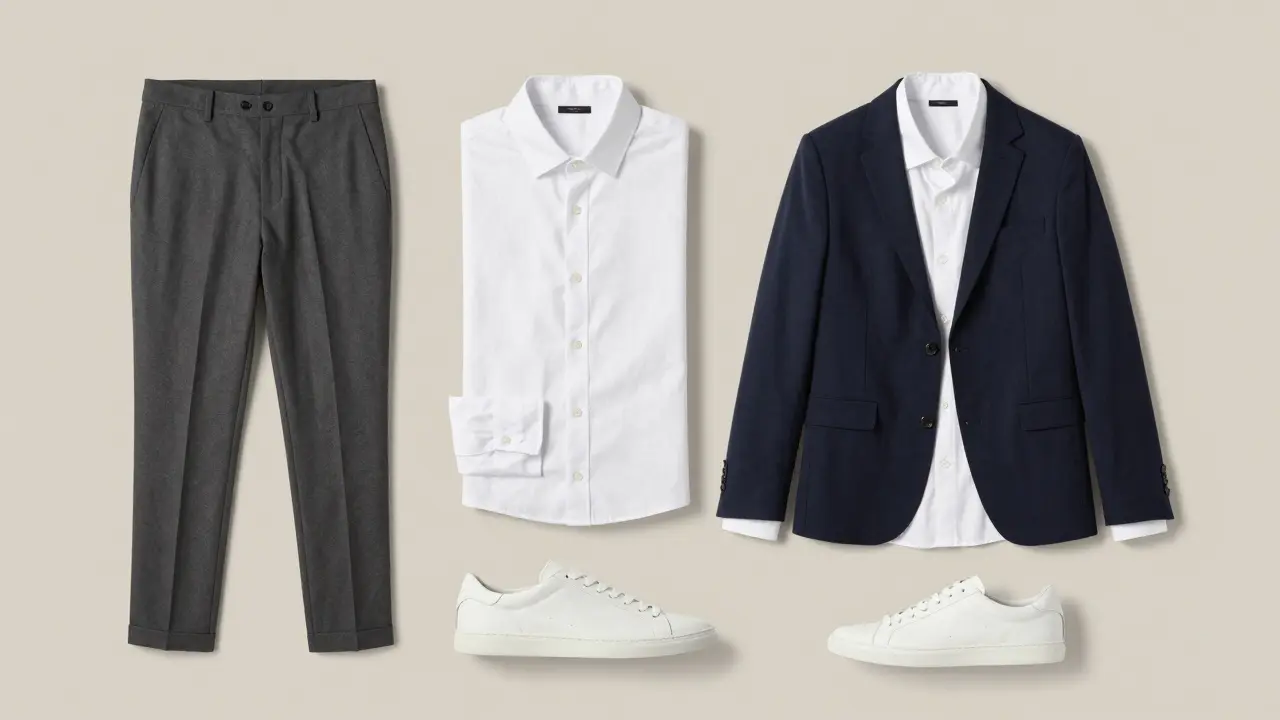
- Tailored Trousers: Opt for flat-front styles in wool, cotton twill, or stretch blends. Colors like navy, charcoal, khaki, and black are versatile. Avoid baggy cuts or excessive pleats unless they align with specific creative industry norms.
- Dark Denim: Yes, jeans can be business casual if done correctly. Choose dark indigo or black washes with no fading, distressing, or holes. Pair them with elevated tops to maintain professionalism.
- Blazers and Structured Jackets: A navy or grey blazer instantly elevates any outfit. Unstructured jackets offer more comfort for all-day wear, while peaked lapels add formality for client-facing days.
- Crisp Tops: Button-down shirts in cotton or poplin remain staples. For warmer months, high-quality polos or silk-blend blouses provide breathability without sacrificing polish.
- Clean Footwear: Leather loafers, oxfords, ankle boots, or minimalist leather sneakers in white or black complete the look. Avoid running shoes or flip-flops unless your workplace explicitly permits them.
Investing in quality over quantity pays off here. A $150 pair of trousers that lasts five years offers better value than three cheap pairs that lose shape after a few washes. Focus on fit above all else-tailoring inexpensive garments often yields better results than buying expensive ones that don’t suit your body type.
Gender-Inclusive Styling Strategies
Modern workplaces increasingly embrace gender-neutral fashion principles, allowing individuals to express professionalism through personal preference rather than rigid binary rules. Here’s how to approach styling across different presentations:
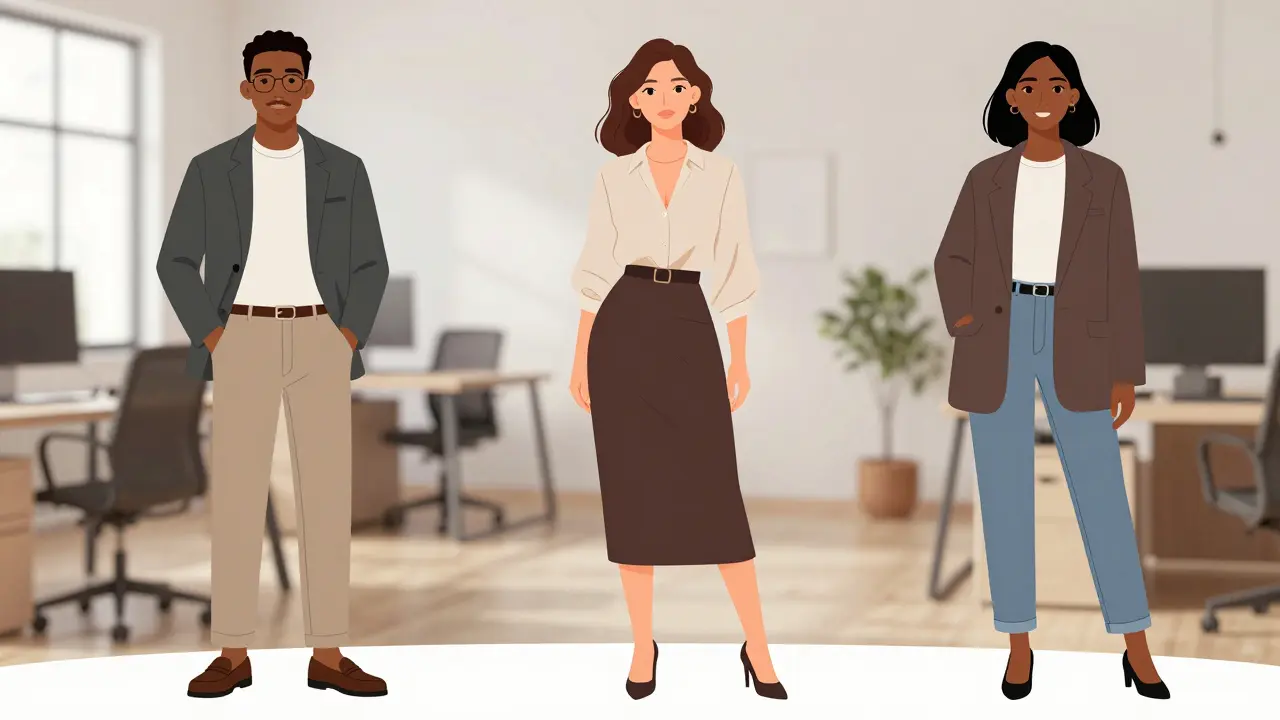
For Those Who Prefer Traditional Masculine Cues: Stick to collared shirts, chinos, and loafers. Experiment with texture by adding a knit tie or a patterned pocket square to inject personality without breaking protocol. Roll sleeves neatly to mid-forearm for a relaxed yet tidy appearance.
For Those Who Lean Feminine: Midi skirts, tailored dresses, and wide-leg trousers offer elegant options. Blouse materials like satin or crepe add sophistication. Ensure hemlines fall at or near the knee for maximum versatility. Accessories like delicate jewelry or a structured tote bag enhance the ensemble.
For Gender-Neutral Expressions: Oversized blazers, straight-leg jeans, and minimalist footwear create balanced silhouettes. Monochromatic outfits in earth tones or greys project confidence and cohesion. Layering thin sweaters over t-shirts adds depth without bulk.
Regardless of style preference, consistency matters. Your outfit should reflect reliability and respect for shared workspace norms. When in doubt, observe senior leaders’ attire-they often set the unofficial tone for acceptable boundaries.
Fabric Choices That Impact Perception
The material of your clothing significantly affects both comfort and perceived professionalism. In 2026, sustainable and performance fabrics dominate the market, offering practical benefits alongside ethical appeal.
| Fabric Type | Pros | Cons | Best Use Case |
|---|---|---|---|
| Merino Wool | Temperature regulating, wrinkle-resistant, odor-resistant | Higher cost, requires gentle care | All-season tops and trousers |
| Organic Cotton | Breathable, soft, eco-friendly | Wrinkles easily, may shrink | Shirts, blouses, casual Fridays |
| Technical Blends | Stretch, moisture-wicking, durable | Can appear shiny if low quality | Travel days, active commutes |
| Linen | Lightweight, airy, stylish | Creases heavily, less structured | Summer events, creative offices |
Avoid synthetic fabrics like polyester unless blended with natural fibers. Pure synthetics trap heat and can look cheap under fluorescent lighting. Instead, seek out labels mentioning "stretch," "easy-care," or "sustainable sourcing." These indicators suggest thoughtful design aligned with contemporary values.
Navigating Industry-Specific Nuances
Not all workplaces interpret business casual identically. Your sector plays a crucial role in determining acceptable limits.
Corporate Finance and Law: Lean toward conservative interpretations. Dark suits, solid-color shirts, and leather shoes remain safe bets. Creativity is limited; precision and tradition dominate.
Technology and Startups: Embrace flexibility. Hoodies may be tolerated, but only if paired with clean sneakers and neat grooming. Many tech firms prioritize innovation over uniformity, so focus on looking put-together rather than strictly formal.
Creative Agencies and Media: Showcase individuality. Bold colors, unique patterns, and statement accessories are encouraged. Just ensure cleanliness and intentionality-disheveled looks still signal disinterest.
Healthcare and Education: Prioritize hygiene and modesty. Scrubs or lab coats may override general guidelines, but when wearing street clothes, opt for closed-toe shoes and non-restrictive layers.
When starting a new job, ask direct questions during onboarding: "What does typical attire look like on Mondays versus Fridays?" Or observe what peers wear during their first week. Adapt gradually rather than risking early missteps.
Common Mistakes to Avoid
Even experienced professionals slip up occasionally. Recognizing these pitfalls helps you maintain credibility.
- Over-accessorizing: Too many watches, bracelets, or necklaces distract from your message. Keep jewelry minimal and meaningful.
- Poor Grooming: Clean nails, trimmed hair, and fresh breath matter as much as clothing. Neglecting hygiene undermines even the most expensive outfit.
- Ignoring Fit: Clothes that are too tight or too loose suggest indifference. Tailoring ensures garments flatter your shape and convey care.
- Wearing Wrinkled Items: Iron or steam your clothes before leaving home. Wrinkles imply haste or lack of preparation.
- Using Fragrance Heavily: Strong perfumes or colognes can trigger allergies or discomfort in enclosed spaces. Apply sparingly or skip entirely.
Remember, business casual isn’t about hiding who you are-it’s about presenting yourself clearly and respectfully. Confidence comes from knowing your choices align with context.
Seasonal Adjustments and Practical Tips
Weather changes demand adaptive strategies. Summer heat calls for lighter fabrics and shorter sleeves, while winter cold requires layering without bulk.
In spring and summer, swap heavy wools for linen-cotton blends. Add breathable cardigans or lightweight vests for air-conditioned rooms. Choose open-toe sandals only if permitted; otherwise, stick to perforated leather shoes.
During fall and winter, incorporate cashmere sweaters, trench coats, and insulated boots. Layering allows easy adjustment throughout the day. A scarf adds warmth and visual interest without compromising professionalism.
For remote workers, consider camera angles. Bright backgrounds clash with dark clothing; aim for contrast that highlights your face. Test your setup beforehand to avoid awkward shadows or glare.
Can I wear jeans to a business casual office?
Yes, but only dark-wash, non-distressed denim paired with polished tops and shoes. Light washes, rips, or faded patches generally violate professional standards. Always check your company’s specific policy first.
Are sneakers acceptable in business casual settings?
Minimalist leather sneakers in white, black, or navy are widely accepted in modern offices. Avoid athletic running shoes, brightly colored trainers, or worn-out styles. Cleanliness and simplicity are key.
How do I know if my outfit is too casual?
Ask yourself: Would I feel confident meeting a client or executive in this? If yes, it’s likely appropriate. When unsure, add one structured piece like a blazer or belt to elevate the look. Observe colleagues’ attire for guidance.
What should I wear on "Casual Friday"?
Casual Friday usually permits slightly relaxed versions of business casual-think chinos instead of slacks, or polo shirts instead of button-downs. Still avoid t-shirts, shorts, or beachwear. Maintain neatness and intentionality.
Is it okay to wear hats indoors at work?
Generally no. Baseball caps, beanies, or sun hats are considered informal and may signal disrespect in professional environments. Remove headwear upon entering buildings unless required for medical or religious reasons.