

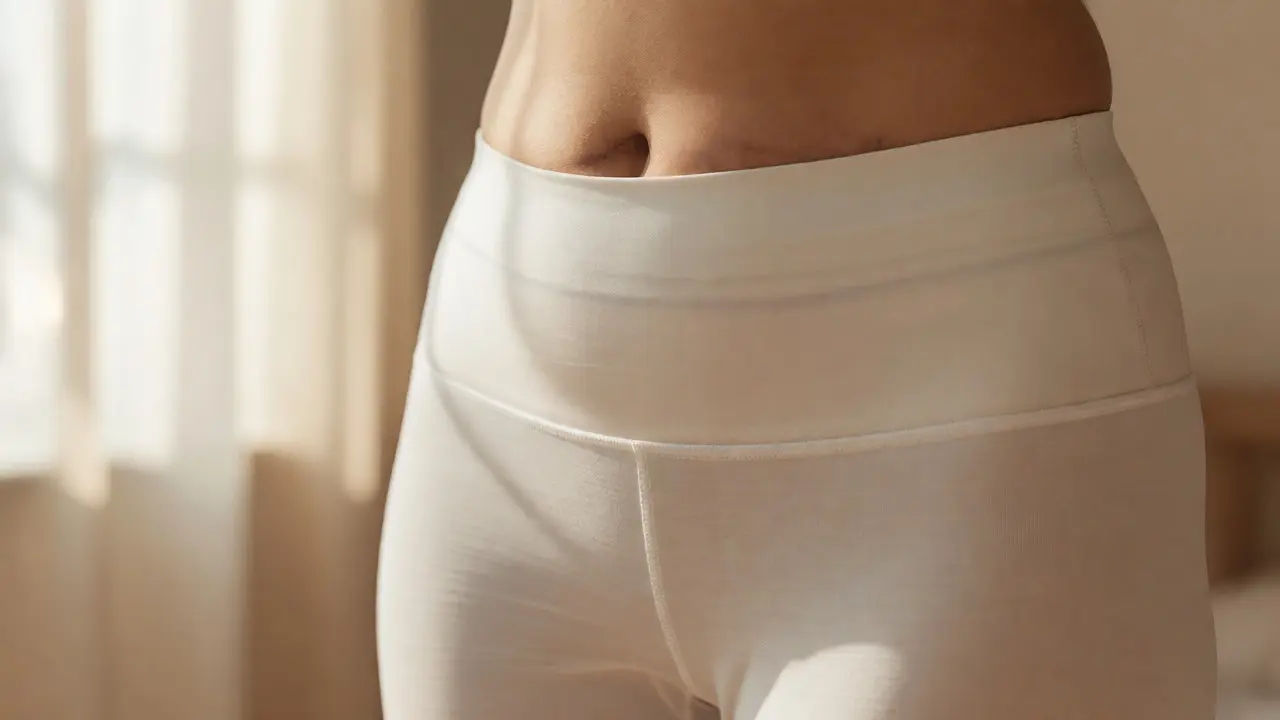
Imagine trying to button your favorite pair of jeans while a fresh surgical scar is still healing. For anyone who has undergone a Cesarean section or a C-section, which is a surgical delivery of a baby through an incision in the mother's abdomen and uterus, that scenario isn't just annoying-it’s painful. The standard waistband sits right on top of the incision line, rubbing against sensitive skin and potentially delaying healing. But here’s the good news: you don’t have to live in oversized t-shirts for months. The market for postpartum clothing has evolved, offering stylish options designed specifically to bypass the incision area.
This guide breaks down exactly what makes a waistband "C-section friendly," how to choose the right fabrics, and which brands actually deliver on comfort without sacrificing style. Whether you are three weeks post-op or six months out, understanding the mechanics of these garments can save you from unnecessary discomfort.
Why Standard Waistbands Hurt After Surgery
A C-section incision typically runs horizontally across the lower abdomen, about two inches below the navel. This is known as a Pfannenstiel incision. When you put on regular pants, the rigid waistband presses directly onto this zone. During the first few weeks, this pressure can cause sharp pain, irritation, and even interfere with the formation of healthy scar tissue.
The problem isn't just physical pressure. It’s also about friction. Surgical sites are often covered by steri-strips or bandages initially. A rough denim seam or a tight elastic band creates heat and moisture, creating a breeding ground for bacteria. Furthermore, as your uterus shrinks back to its pre-pregnancy size (a process called involution), your abdominal shape changes rapidly. Clothes that fit perfectly at week one might be too loose at week four, leading to constant adjusting and pulling.
Abdominal support is crucial during this time, but it needs to come from the right place. You want support that lifts from underneath or wraps around the sides, rather than crushing the front.
Anatomy of a C-Section Friendly Waistband
Not all high-waisted pants are created equal. Some sit above the belly button, which might seem safe, but if they are made of stiff fabric, they can still dig in when you bend over. The key feature to look for is a design that completely avoids the lower abdominal region. Here are the specific structural elements that define effective C-section friendly clothing:
- Under-Bump Panels: These are built into leggings or shorts to provide gentle compression below the incision site, lifting the tissue without pressing on it.
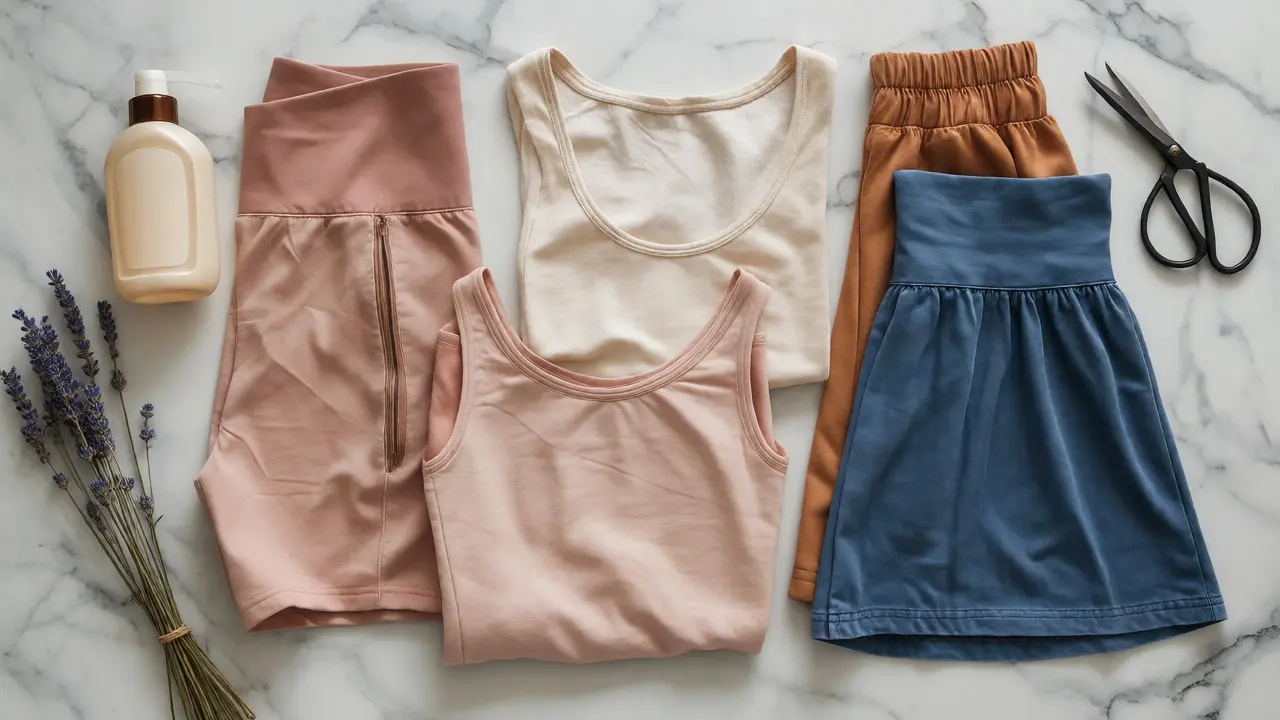
- Side-Zip Designs: Instead of a front button fly, these pants zip up the side. This eliminates any hardware or seams crossing the center of your abdomen.
- Adjustable Ties: Drawstrings allow you to customize the fit as your body changes daily. You can loosen them immediately after eating or tighten them as swelling goes down.
- Seamless Construction: Laser-cut edges and bonded seams reduce friction points against the skin.
When shopping, run your hand along the inside of the waistband. If you feel ridges, zippers, or thick stitching, put it back. You want smooth, continuous surfaces.
Top Fabric Choices for Sensitive Skin
Fabric choice is just as important as cut. Your skin is hyper-sensitive post-surgery, and synthetic materials that trap sweat can lead to rashes or yeast infections, especially if you are breastfeeding. Natural fibers are generally safer bets.
| Fabric Type | Breathability | Stretch Level | Best For |
|---|---|---|---|
| Organic Cotton | High | Low to Medium | Sleepwear, lounging, sensitive skin |
| Modal/Bamboo Blend | Very High | High | Leggings, under-bump underwear |
| Soft Denim (with Elastane) | Medium | Medium | Everyday pants, workwear |
| Nylon/Spandex | Low | Very High | Compression shorts, active wear |
Modal and bamboo blends are particularly excellent because they are naturally antimicrobial and wick moisture away from the body. This keeps the incision area dry, which is critical for preventing infection. While nylon/spandex offers great stretch, use it sparingly if you are prone to sweating, as it can trap heat.

Style Strategies: What Actually Works
You might think you’re limited to sweatpants, but modern fashion offers plenty of chic options. The trick is knowing where to direct the eye and how to structure the garment.
Empire Waist Dresses and Tops
These styles cinch just below the bust, leaving the entire midsection free. They are perfect for the first six weeks when you want zero contact with your stomach. Look for flowy fabrics like chiffon or jersey knit that drape rather than cling.
Over-the-Bump Leggings
While under-bump panels protect the incision, over-the-bump leggings offer more comprehensive support. They cover the entire belly, providing a feeling of security similar to a medical binder. However, ensure the waistband is wide and soft. A narrow, tight band will roll down and create a pressure point.
Skirts with Elastic Waists
A-line skirts with a wide, soft elastic band are surprisingly comfortable. Because the skirt flares out, there is no tension on the hips or thighs, allowing the waistband to float gently over the incision. Pair these with a long cardigan for extra coverage and warmth.
Jeans with Side Buttons
Some brands now make jeans with buttons running down the side seam. This allows you to adjust the fit precisely without any front closure digging into your scar. It’s a game-changer for returning to normal work clothes.
Common Pitfalls to Avoid
Even with the best intentions, new moms often make mistakes that hinder recovery. Here are the most common traps:
- Wearing Shapewear Too Early: Many women rush into firm shapewear to "snap back." Unless cleared by your doctor, avoid anything with strong compression for at least six weeks. Gentle support is fine; aggressive corsetry is not.
- Ignoring Size Fluctuations: Don’t buy expensive outfits assuming you’ll fit into your pre-pregnancy size immediately. Stick to adjustable pieces for the first three months.
- Choosing Dark Colors Only: While slimming, dark colors show lint and pet hair easily. Lighter neutrals or patterns can hide messes better while looking fresh.
- Forgetting About Bras: If you are breastfeeding, your chest size may change daily. Ensure your bras are easy to open and don’t require twisting your torso, which pulls on the abdominal muscles.
Brand Recommendations and Where to Shop
You don’t need to spend a fortune to find good postpartum gear. Several brands have specialized in this niche.
Belly Basics is a go-to for many due to their affordable price point and dedicated under-bump lines. Their leggings are thin but supportive, ideal for layering.
Seraphine offers higher-end maternity and postpartum wear that transitions well into professional settings. Their dresses often feature hidden nursing access and flattering cuts that disguise the belly.
Motherhood Maternity remains a reliable option for basics. Look for their "Postpartum" labeled sections, which usually feature softer elastics and tag-free designs.
For budget-conscious shoppers, check out Amazon brands like Kindred Bravely. They specialize in inclusive sizing and breathable fabrics, often selling multipacks of underwear and leggings that are cost-effective for frequent washing.
Caring for Your Incision Through Clothing
Your clothing choices directly impact your healing process. To maximize comfort and safety:
- Wash Before Wear: Always wash new clothes before wearing them to remove chemical residues that could irritate the scar.
- Keep it Clean: Change underwear daily, or more often if you experience heavy bleeding (lochia). Bacteria thrive in warm, moist environments.
- Avoid Tight Accessories: Skip belts and tight purses that hang low on the hips. Use crossbody bags instead to keep weight off your core.
- Listen to Your Body: If a garment causes redness, itching, or increased pain, switch to something looser immediately. Healing timelines vary individually.
Remember, the goal isn't just to look good-it's to heal well. Investing in the right waistbands reduces stress on your body, allowing you to focus on bonding with your newborn.
How soon can I wear regular jeans after a C-section?
Most doctors recommend waiting at least 4 to 6 weeks before wearing structured jeans. Even then, opt for stretchy, high-waisted, or side-zip styles that do not press directly on the incision. If you feel pain or see indentation marks on your skin, wait longer.
Is it okay to wear high-waisted pants over my C-section scar?
Yes, provided the waistband is soft, wide, and non-compressive. High-waisted pants that sit above the navel can actually be very comfortable because they bypass the lower abdominal incision entirely. Just ensure they don't dig into your ribs or restrict breathing.
What is the difference between under-bump and over-bump clothing?
Under-bump clothing sits below the belly, supporting the pelvic floor and avoiding the upper abdomen. Over-bump clothing covers the entire belly, offering more uniform support. For C-section recovery, under-bump styles are often preferred initially to avoid direct pressure on the incision, though some women prefer the security of over-bump bands once the initial sensitivity subsides.
Can wearing tight clothes delay C-section healing?
Yes. Tight clothing can restrict blood flow, increase moisture buildup, and cause friction that irritates the forming scar tissue. This can lead to slower healing, increased scarring, or even minor infections. Loose, breathable fabrics are recommended until the incision is fully closed and healed.
Are maternity clothes useful after birth?
Absolutely. Many maternity items, especially those with soft, stretchy waistbands, double as excellent postpartum wear. Since your body hasn't fully returned to its pre-pregnancy shape, maternity sizes often fit better than regular sizes for the first few months. Look for tags that say "maternity/postpartum" for dual-purpose utility.