

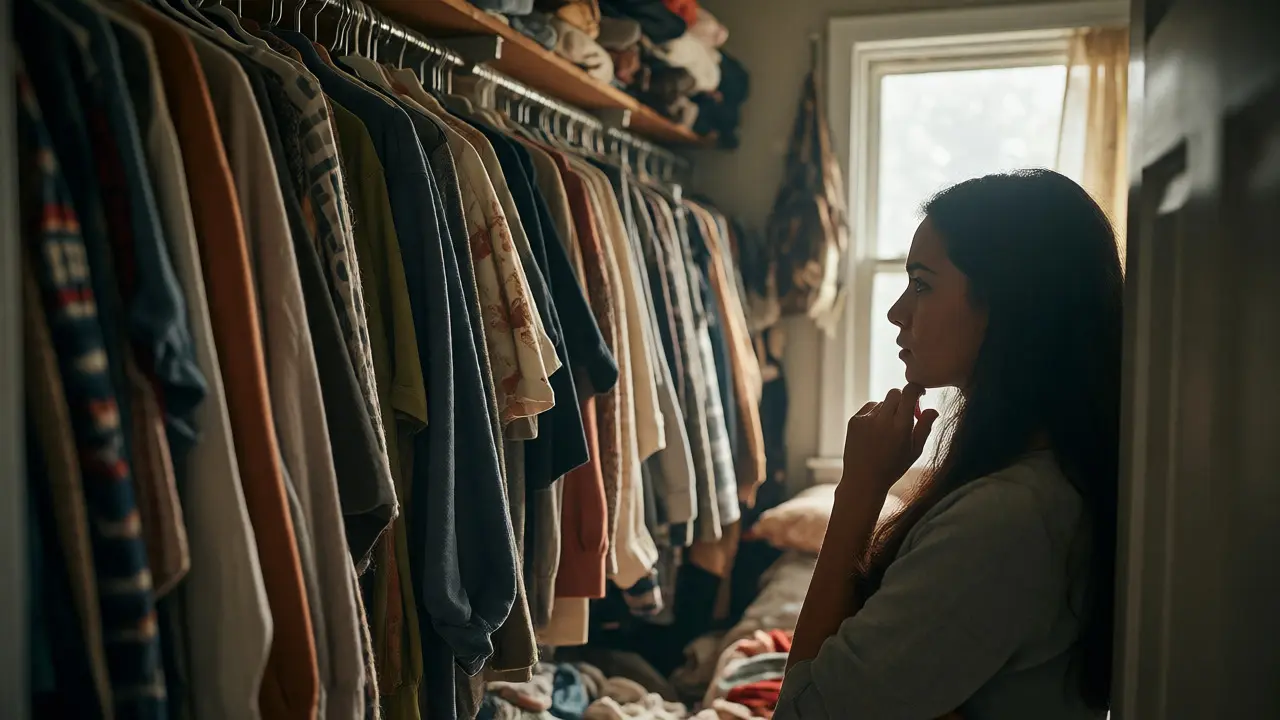
You stare at your closet. It’s packed. Yet you feel like you have nothing to wear. Sound familiar? This paradox isn’t about a lack of clothes; it’s about a lack of connection between them. You own pieces that are beautiful individually but fail as a team. They don’t mix, match, or motivate you. The solution isn’t buying more-it’s subtracting temporarily. Enter the Capsule Trial Box: a method of isolating a small subset of clothing for a set period to test its functional harmony and emotional resonance before committing to a permanent edit.
This isn’t just another decluttering trend. It’s a low-risk experiment. Instead of throwing out half your wardrobe in a panic, you hide most of it and live with a curated selection for two weeks. You’ll learn exactly what works, what feels stiff, and what actually gets worn. By October 30, 2026, with fast fashion cycles still churning and our closets overflowing, this method saves money and sanity. Here is how to run your own trial without regret.
Why Your Permanent Edit Fails (And Why Temporary Works)
Most people fail at wardrobe editing because they make permanent decisions based on temporary feelings. You look at a dress from three years ago. Do you keep it because you love it, or because you spent $200 on it? Fear drives these choices. We hoard potential outfits rather than actual ones. A permanent edit feels final, scary, and often leads to "buy-back" syndrome where you rush out and replace what you discarded.
A Capsule Trial Box removes the stakes. If an item doesn’t get worn during the trial, you don’t donate it immediately. You simply note that it failed the test. This psychological safety net allows you to be honest. You aren’t judging the garment’s worthiness forever; you’re judging its utility right now, in your current life, with your current body. In Seattle, where weather shifts rapidly, this flexibility is crucial. What worked in July might not work in November. Testing lets you adapt without guilt.
Setting Up Your Capsule Trial Box
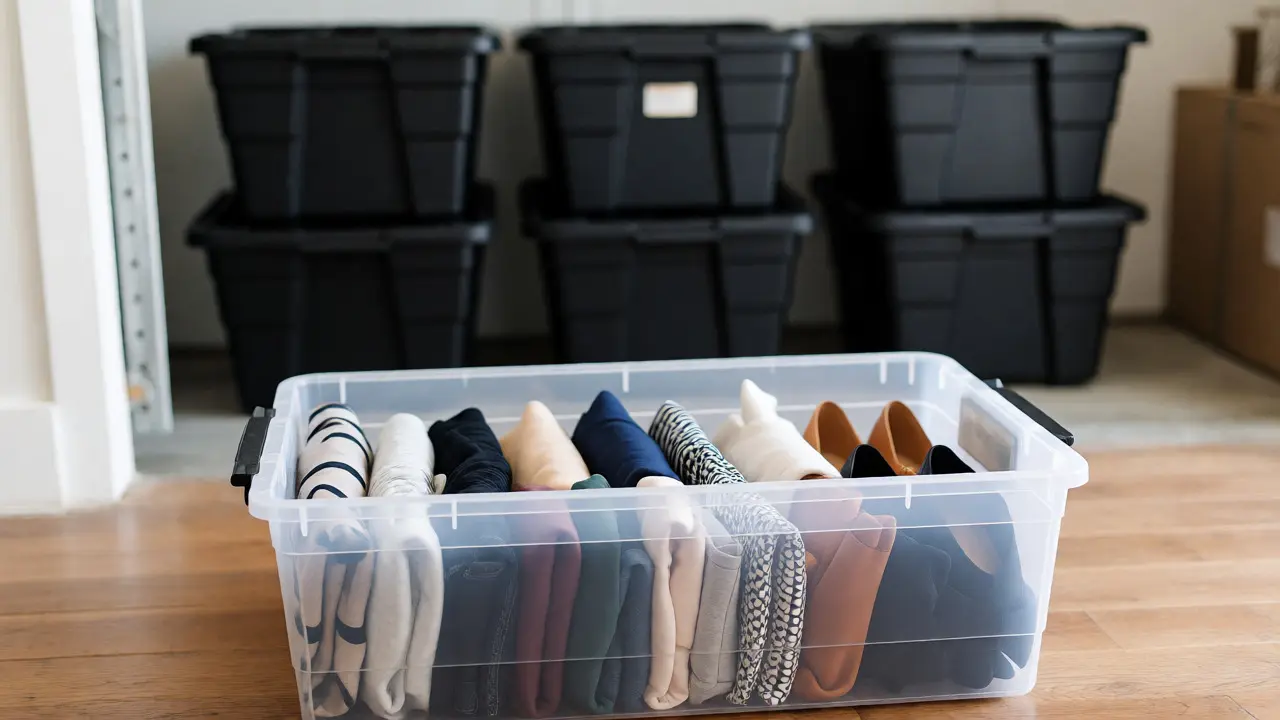
Don’t overcomplicate this. You need one large bin, a label maker (or tape), and a calendar. Choose a duration of 14 days. Two weeks is long enough to see patterns emerge-like realizing you never wear heels on Tuesdays-but short enough to maintain discipline.
Select 15 to 20 items. This number forces cohesion. If you pick 40, you’re just wearing your favorite five anyway. Include:
- Core Tops: 5-7 versatile shirts or blouses.
- Bottoms: 3-4 pants, skirts, or shorts that fit well today.
- Layers: 2-3 jackets, cardigans, or blazers.
- Dresses: 1-2 if you wear them regularly.
- Shoes: 2-3 pairs max. One casual, one work-appropriate, one nice.
The rest of your wardrobe goes into the hidden zone. Use opaque bins so you can’t peek. Place them in a garage, under the bed, or in a guest room closet. Out of sight means out of mind. This isolation is key to testing wardrobe cohesion. If everything is visible, you’ll just reach for the same comfort items, skewing the data.
Defining Cohesion: What Actually Counts?
Cohesion isn’t just about color matching. It’s about lifestyle alignment. An item has high cohesion if it solves multiple problems in your week. For example, a black wool blazer that works over a t-shirt for coffee runs and over a silk blouse for client meetings has high cohesion. A sequined top that only works with specific trousers and requires dry cleaning has low cohesion unless you attend galas weekly.
During your trial, track three metrics for each item:
- Frequency: How many times did you wear it?
- Comfort: Did you adjust it throughout the day? Did it itch, pinch, or slip?
- Versatility: Could you pair it with at least three other items in the box?
If an item scores low on all three, it’s a candidate for removal. But remember, context matters. That heavy coat might score zero versatility in a mild October, but it’s essential for winter. Note seasonal dependencies separately.
The Data Log: Tracking Without Obsession
You don’t need a complex app. A simple spreadsheet or a notes app on your phone works. Every morning, jot down what you wore. Every evening, add a quick rating. This habit builds awareness. Most people underestimate how repetitive their style is. You might discover you wear the same jeans four times a week while ignoring the expensive tailored trousers you bought for "future professional you."
Look for gaps. Are you struggling to find bottoms for your tops? Is there a shoe you hate walking in but keep wearing because it matches everything? These friction points reveal where your wardrobe lacks cohesion. Maybe you need better socks, or maybe you need to stop buying skinny jeans if you prefer wide-leg cuts. The data tells you what to buy next, preventing impulse purchases.
Evaluating Results: Keep, Donate, or Reconsider?
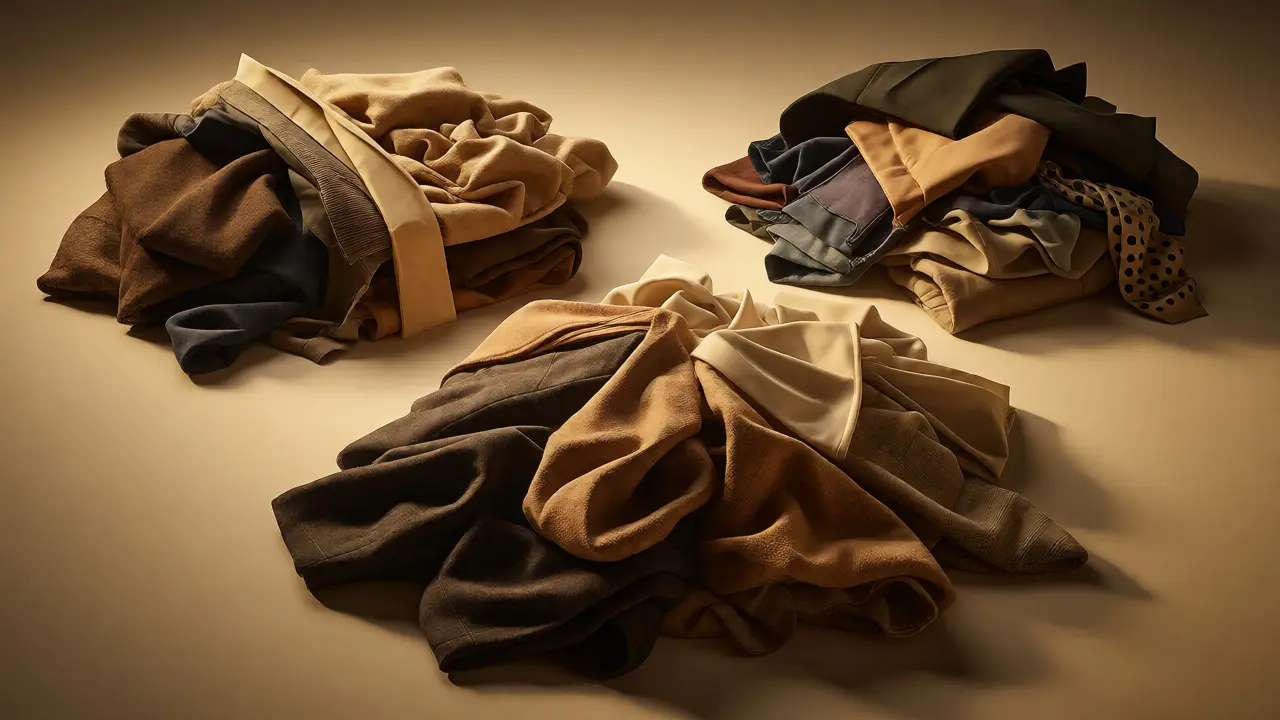
After 14 days, pull out the hidden bins. Compare the worn items against the unworn ones. Don’t judge harshly. Some items were simply not needed due to weather or events. Group your results into three piles:
| Category | Criteria | Action |
|---|---|---|
| The Heroes | Worn frequently, comfortable, versatile. | Keep permanently. Buy replacements when worn out. |
| The Misfits | Worn once or twice, uncomfortable, hard to pair. | Donate or sell. They disrupt flow. |
| The Seasonal Holdovers | Not worn due to weather/event absence. | Store properly. Retest in appropriate season. |
| The Regrets | Never worn, negative emotion attached. | Donate immediately. Let go of the sunk cost. |
This matrix prevents the "maybe pile" from growing infinitely. Be decisive. If it didn’t serve you in two weeks, it likely won’t serve you in six months. Unless it’s strictly seasonal, let it go.
Integrating Findings Into Your Long-Term Wardrobe
The goal isn’t to live in a tiny box forever. It’s to build a capsule wardrobe that reflects reality. After the trial, return the "Seasonal Holdovers" to your main closet. Organize the rest by frequency of use. Place your "Heroes" at eye level. Store rarely used items higher up or further back.
Use your insights to guide future shopping. If you realized you lack neutral tops, buy those first. Avoid buying statement pieces until you’ve filled basic gaps. This approach aligns your spending with your actual behavior, not your aspirational self. In 2026, sustainable fashion isn’t just about materials; it’s about utilization. Wearing what you own is the greenest choice you can make.
Consider running a mini-trial quarterly. As your job, location, or style evolves, your needs change. A trial box keeps your closet agile. It prevents accumulation and ensures every piece earns its hanger space. Start small. Pick 15 items tomorrow. Hide the rest. See what happens.
How long should a capsule trial box last?
Two weeks is the sweet spot. It’s long enough to encounter various social situations and weather conditions, revealing true usage patterns, but short enough to remain manageable and motivating.
What if I forget something important during the trial?
If you absolutely must retrieve an item from the hidden bin, do so. However, mark it as a "gap." This signals that your initial selection lacked coverage for that specific need. Adjust your next trial’s inventory accordingly.
Can I include accessories in the trial box?
Yes, but limit them. Include 2-3 bags, 3-4 scarves, and minimal jewelry. Accessories often cause clutter creep. Testing which ones you actually reach for helps identify if you’re over-accessorizing or under-equipped.
Does this work for large wardrobes?
Absolutely. Larger wardrobes benefit most because decision fatigue is higher. Hiding 80% of your clothes reduces morning stress and highlights the 20% that actually functions. You may find you only need a fraction of what you own.
What if I hate all my options in the trial?
This indicates a deeper issue with fit or style alignment. You may be holding onto clothes from a past version of yourself. Consider consulting a stylist or doing a complete purge of ill-fitting items before attempting another trial.