

You have the basics. The black jeans, the white tee, the navy blazer, and the trench coat are all in your closet. But when you look in the mirror, something feels off. It’s not that the clothes don’t fit; it’s that they feel static. This is where capsule wardrobe accessories step in to save the day. They are the difference between a uniform and a wardrobe. Without them, your curated collection might look like a costume. With the right pieces, those same five outfits can transform into ten distinct looks.
Most people think building a capsule means buying fewer things. That’s true, but it also means buying smarter. You aren't just cutting quantity; you're increasing the utility of every single item. A scarf isn't just for warmth. A belt isn't just for holding up pants. Jewelry isn't just decoration. They are structural tools that change the silhouette, color balance, and vibe of an entire outfit. If you treat them as afterthoughts, you waste their potential. If you treat them as essential infrastructure, your style multiplies.
The Strategic Role of Scarves in a Minimalist Closet
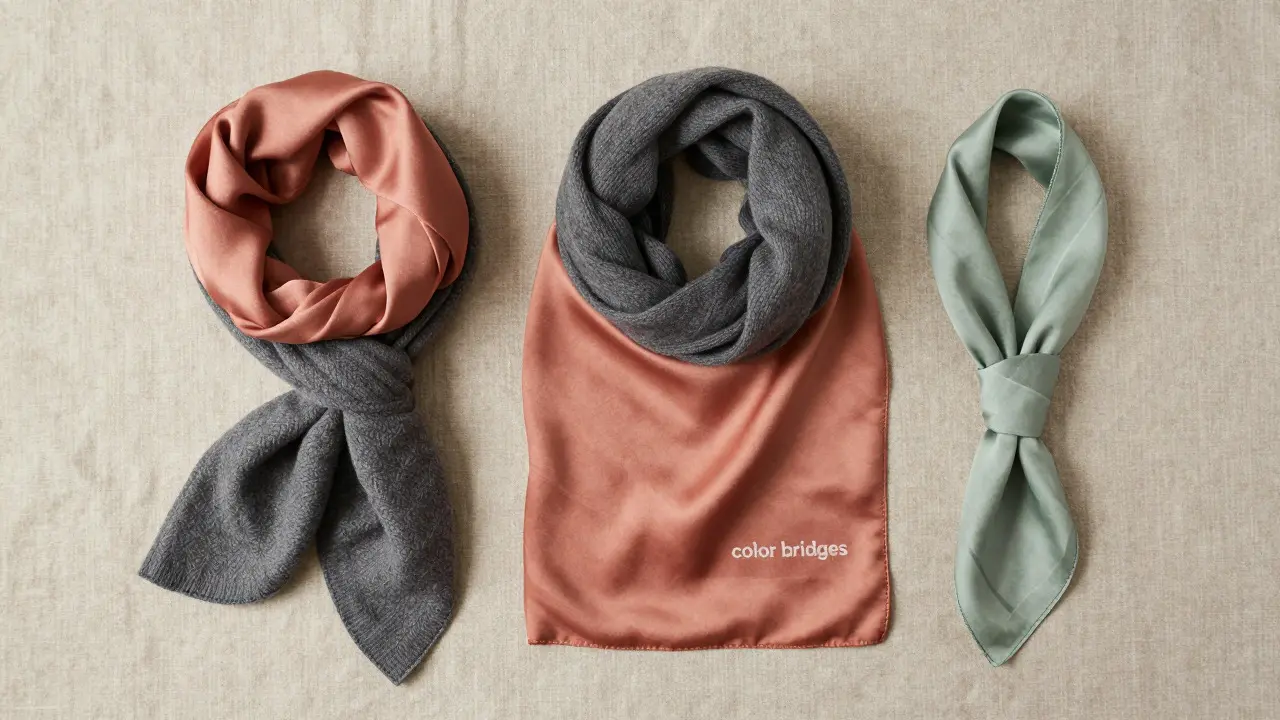
A scarf is often dismissed as a seasonal necessity, but in a capsule context, it is a color bridge. When your core neutrals are limited to beige, grey, and black, a scarf introduces a pop of color without committing to a full garment. Think about the geometry of a look. A loose drape around the neck adds softness to sharp shoulders. A tight knot at the collar adds structure to a relaxed sweater. The fabric matters just as much as the pattern.
For a year-round capsule, prioritize three specific types. First, a lightweight silk or satin square. This works in summer with a sleeveless dress and in winter layered under a coat for a flash of luxury. Second, a chunky knit wool wrap. This provides actual insulation and creates visual weight at the base of the neck, which balances out wide-leg trousers. Third, a long, narrow cotton bandana-style scarf. This is incredibly versatile. You can tie it in your hair, use it as a headband, or wrap it twice around your neck for a bohemian touch. Each of these serves a different function, ensuring you never run out of options regardless of the weather.
| Type | Primary Function | Best Paired With |
|---|---|---|
| Silk Square | Adds sheen and subtle color | Blazers, slip dresses, denim jackets |
| Chunky Knit Wrap | Provides warmth and volume | Turtlenecks, coats, tailored trousers |
| Cotton Bandana | Texture and casual flair | Hoodies, linen shirts, shorts |
Belts: The Architectural Element You’re Ignoring
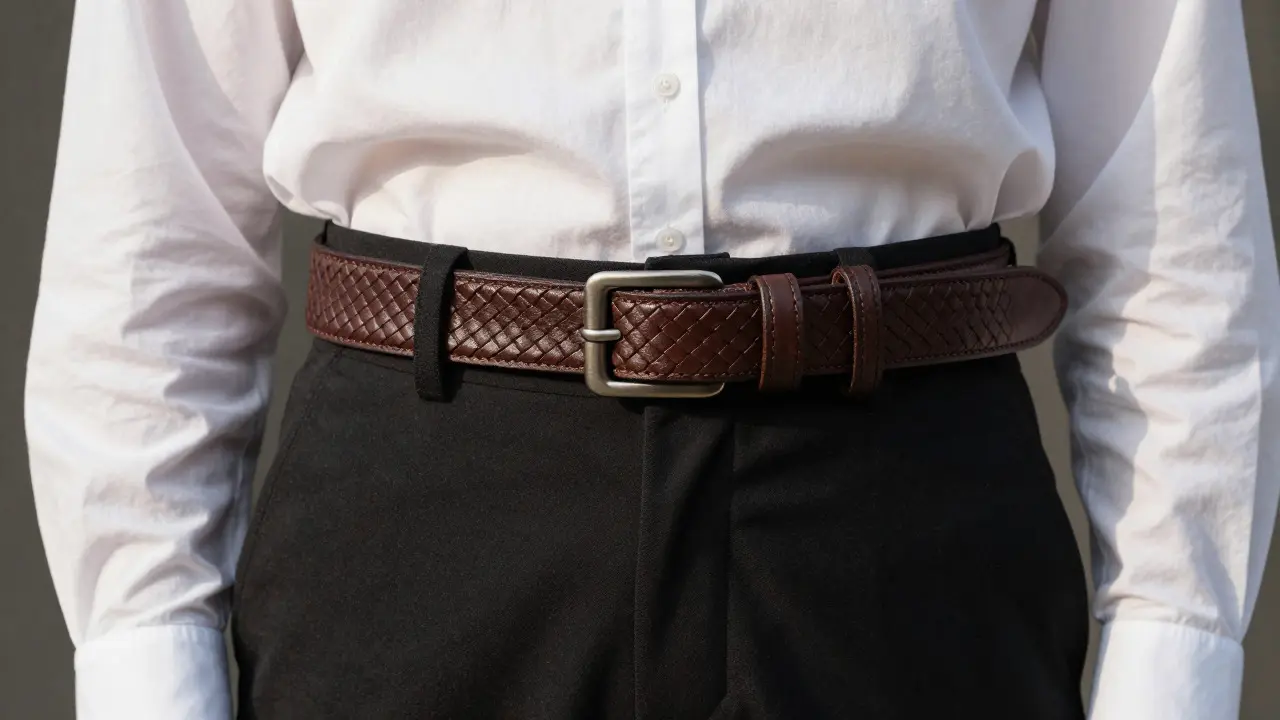
If scarves add color, belts add shape. Many people own only one belt, usually a standard brown leather one for jeans. This is a missed opportunity. In a capsule wardrobe, a belt defines the waistline, which changes how the eye perceives your height and proportions. A high-waisted pant looks completely different when cinched versus when worn slouchy. A blazer draped over the shoulders looks polished when belted, but sloppy when left open.
You need two distinct belts to cover most scenarios. The first is a slim, matte leather belt in a neutral tone like tan or dark brown. This should be thin enough to tuck into a shirt pocket if needed. It works with tailored trousers, pencil skirts, and even denim. The second is a wider, textured belt, perhaps woven leather or suede. This adds visual interest to monochromatic outfits. If you are wearing an all-black ensemble, a wide textured belt breaks up the darkness and draws attention to the waist. Avoid overly decorative buckles if you want versatility. Simple hardware keeps the focus on the cut of the clothing rather than the accessory itself.
Jewelry as Visual Anchors
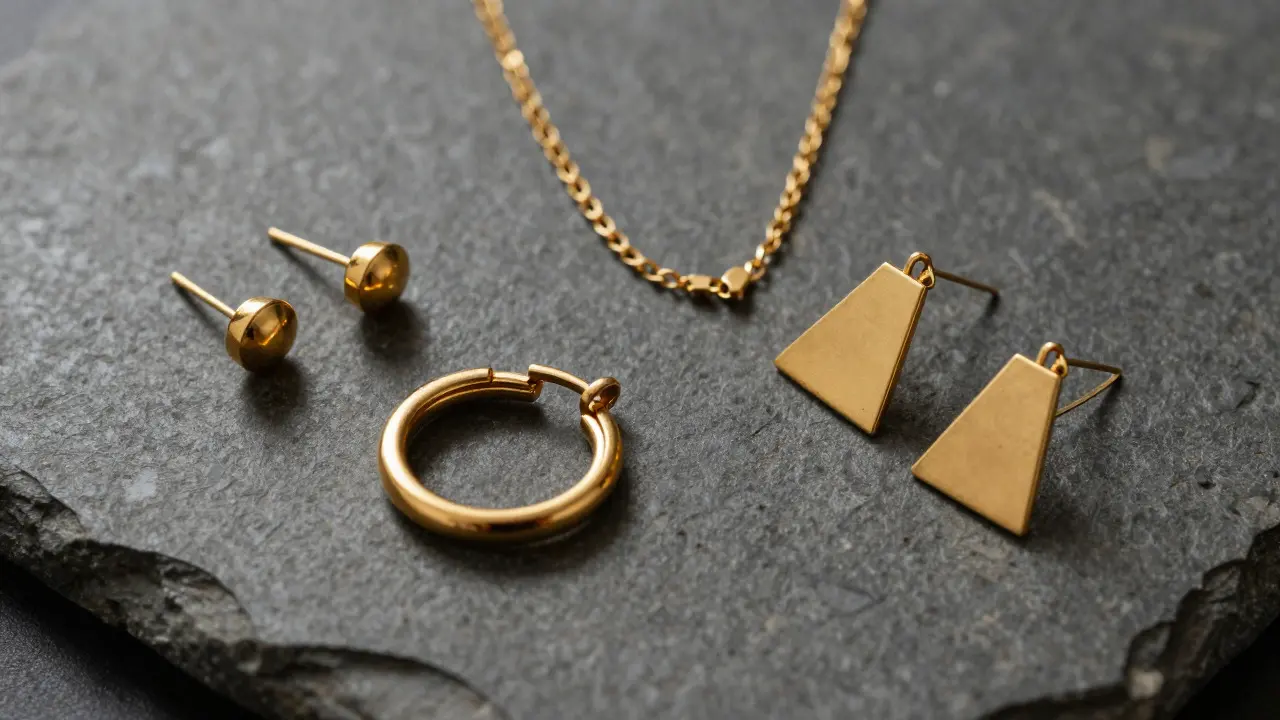
Jewelry is the final layer of detail. It’s what makes an outfit feel finished. However, in a minimalist approach, less is more. You don’t need a box of earrings. You need three pairs that serve different purposes. The first is a small stud, likely gold or silver, that sits close to the earlobe. These are your daily drivers. They work with everything from gym wear to business attire because they don’t compete with other elements. The second pair should be medium-sized hoops. Hoops frame the face and add a bit of movement. They elevate a simple t-shirt and jeans combo instantly. The third pair should be statement earrings, perhaps geometric or organic shapes. These are for nights out or events where you want the jewelry to be the focal point.
Necklaces follow a similar logic. A delicate chain with a small pendant sits at the collarbone, drawing the eye upward. This is perfect for V-necks and scoop necks. A longer necklace, reaching the mid-chest, works best with crew necks and high collars. If you wear a high-neck top, skip the necklace entirely and let the earrings do the work. Layering chains is popular, but it requires care. Stick to metals of the same finish-don’t mix gold and silver unless you are intentionally going for a chaotic aesthetic. Consistency in metal tone keeps the look cohesive.
Matching Accessories to Outfit Formulas
How do you actually combine these? Let’s break down three common capsule formulas and how accessories transform them. Take the classic "Denim and White Tee." On its own, it’s casual. Add a slim leather belt and small gold studs, and it becomes smart-casual suitable for lunch. Swap the studs for hoop earrings and add a silk scarf tied around the neck, and it shifts toward a chic evening look. Same clothes, totally different vibe.
Next, consider the "Tailored Trousers and Blouse" office look. Without accessories, it can feel stiff. Add a wide textured belt to define the waist and layer a delicate necklace over the blouse. This adds softness. If you want to make it more authoritative, swap the delicate necklace for a bolder pendant and keep the belt slim. The accessories dictate the power dynamic of the outfit.
Finally, look at the "Monochrome All-Black" look. This is sleek but can be heavy. Break it up with a chunky knit scarf in a contrasting color like rust or forest green. Or, keep the scarf black but add large silver hoop earrings to catch the light. The goal is to create contrast within the monochrome palette so the outfit doesn’t disappear into a void.
Quality Over Quantity: What to Buy
When shopping for these essentials, resist the urge to buy cheap fast-fashion items. Accessories get handled constantly. Scarves fray, belts crack, and jewelry tarnishes. Invest in materials that age well. For scarves, look for silk blends or high-quality cottons that hold their shape. For belts, full-grain leather is non-negotiable. It molds to your body and lasts for years. For jewelry, solid gold or sterling silver is better than plated versions, especially if you have sensitive skin. Plated items often peel after a few months of wear, leaving you with a broken piece that no longer matches your other items.
Also, consider the maintenance factor. Silk scarves require careful folding to avoid creases. Leather belts need occasional conditioning to prevent drying out. Delicate chains can tangle easily. Choose pieces that fit your lifestyle. If you are always on the go, opt for hypoallergenic stainless steel jewelry and durable cotton scarves. If you have time for care, silk and fine leather will reward you with longevity.
Common Mistakes to Avoid
One frequent error is matching too perfectly. If your belt is black, your shoes are black, and your bag is black, the look can become severe. Mix textures instead. Pair a black leather belt with suede boots or a canvas bag. Another mistake is ignoring scale. A huge, heavy brooch on a petite frame can overwhelm the outfit. Keep accessories proportional to your body size and the cut of the clothing. Finally, don’t forget the hands. A simple watch or a stack of thin bracelets can complete the look. Your wrists are part of the silhouette, and leaving them bare can sometimes make the arms look unbalanced compared to the rest of the outfit.
Frequently Asked Questions
How many scarves do I really need for a capsule wardrobe?
Three is the sweet spot. One lightweight silk square for warm weather and formal touches, one chunky knit for cold weather and texture, and one narrow cotton bandana for casual styling and hair accessories. This covers all seasons and formality levels without cluttering your closet.
Should my belt match my shoes exactly?
Not necessarily. While matching colors creates a seamless line, matching tones is often sufficient. A dark brown belt with black shoes can work if the tones are close. However, for a very polished look, exact matching is safer. For casual looks, you can mix materials and shades freely as long as the overall vibe remains cohesive.
What metal color should I choose for jewelry?
Choose based on your skin undertone. Warm undertones (yellowish) typically look better in gold, while cool undertones (pinkish) suit silver or platinum. If you are unsure, test both against your wrist in natural light. Once you pick one, stick to it for consistency. Mixing metals is possible but requires careful balancing.
Can I wear jewelry with high-neck tops?
Yes, but skip the necklaces. High necklines leave no room for pendants or chains. Instead, focus on earrings. Longer drop earrings or larger hoops draw attention to the face and balance the covered neck area. This keeps the look elegant without feeling crowded.
How do I store accessories to keep them in good condition?
Use a dedicated organizer box with compartments. Keep necklaces hanging or coiled to prevent tangling. Store belts flat or rolled loosely to avoid creasing the leather. Keep scarves folded in breathable bags. Avoid direct sunlight and humidity, which can fade fabrics and tarnish metals. Regular cleaning extends the life of each piece significantly.