

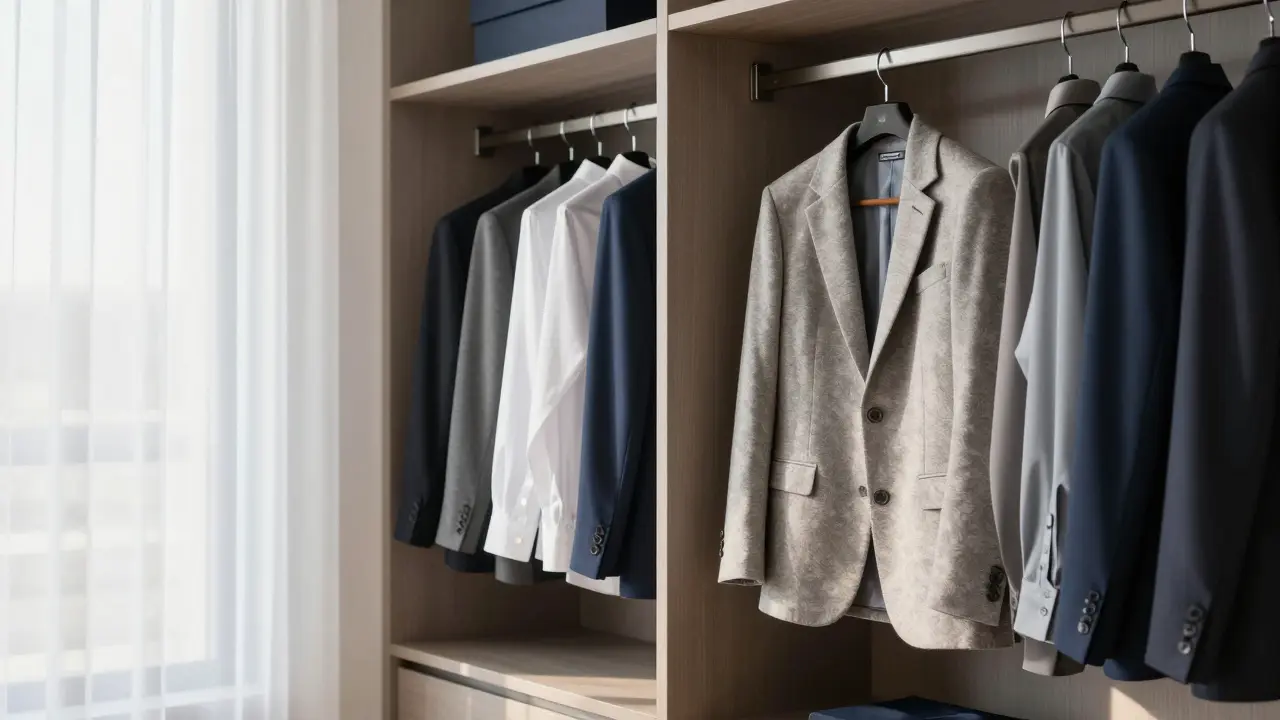
You wake up, open your closet, and stare at a wall of clothes. You have everything, yet you feel like you have nothing to wear. This is the classic paradox of modern dressing. We buy more hoping it solves the problem, but it only creates more noise. A capsule wardrobe is a limited collection of interchangeable clothing items that work together seamlessly. It isn't about owning fewer things for the sake of minimalism; it’s about owning the *right* things so your morning routine becomes effortless.
But here’s the catch: one size does not fit all. A checklist for a corporate lawyer in New York looks nothing like a list for a freelance graphic designer working from home in Austin. If you copy someone else’s capsule without adjusting for your actual life, you’ll end up with clothes you don’t wear. The key is tailoring your essentials to your specific daily habits, climate, and social obligations.
The Core Philosophy: Function Over Fashion
Before we dive into the lists, you need to understand the engine behind a successful capsule. It’s built on three pillars: versatility, quality, and personal truth. Versatility means every top should go with at least three bottoms. Quality means the fabric survives twenty washes without pilling or shrinking. Personal truth means the style matches how you actually move through the world, not how you wish you moved.
Think of your wardrobe as a toolkit. If you’re a carpenter, you don’t carry a surgeon’s scalpel. Similarly, if you spend eight hours sitting in an office chair, you don’t need hiking boots. Your checklist starts with an audit of your week. Write down where you go, what you do, and who you see. That data dictates your inventory.
Lifestyle 1: The Corporate Professional
Your days are structured. You have meetings, client calls, and perhaps a commute. Your goal is authority and comfort. You can’t afford to look disheveled, but you also can’t sit in stiff polyester all day. This lifestyle demands a neutral palette-navy, charcoal, black, white, and camel. These colors mix and match effortlessly, reducing decision fatigue.
- Tops: 5 crisp button-down shirts (white, light blue, subtle stripe), 3 high-quality knit polos or fine-gauge sweaters, 2 silk or satin blouses for softer days.
- Bottoms: 2 tailored trousers in navy and grey, 1 pair of dark denim jeans (for casual Fridays), 1 pencil skirt or midi skirt.
- Outerwear: 1 structured blazer (navy or black), 1 trench coat for transitional weather.
- Footwear: 1 pair of leather loafers, 1 pair of low-block heels, 1 comfortable walking shoe for commutes.
The secret weapon here is the blazer. It instantly elevates a t-shirt and jeans or completes a shirt and trousers. Invest in a wool-blend blazer that holds its shape. Avoid fast-fashion fabrics that wrinkle after one subway ride. Your outfit should look put-together even when you’re rushing out the door.
Lifestyle 2: The Creative Freelancer
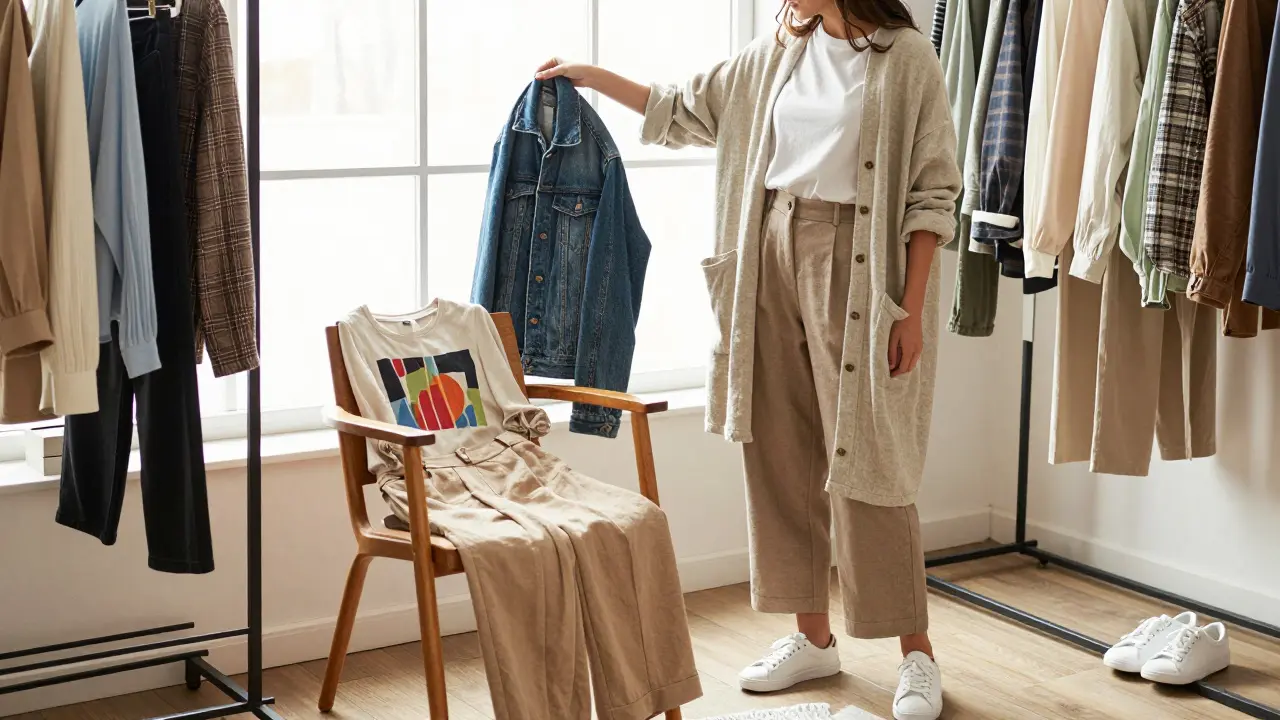
You work from home, meet clients in cafes, and maybe attend networking events. Your vibe is approachable, stylish, and expressive. You don’t need suits, but you can’t wear sweatpants to a pitch meeting. This capsule thrives on texture and layering. Think linen, cotton, soft knits, and interesting silhouettes rather than rigid tailoring.
- Tops: 4 organic cotton t-shirts (neutral tones), 2 oversized button-downs (flannel or chambray), 2 statement tops (interesting neckline or print).
- Bottoms: 2 pairs of relaxed-fit trousers (linen or wide-leg), 1 pair of straight-leg jeans, 1 midi skirt.
- Outerwear: 1 oversized cardigan, 1 denim jacket or utility jacket, 1 lightweight parka.
- Footwear: 1 clean white sneaker, 1 pair of ankle boots, 1 slip-on loafer.
For this group, accessories do heavy lifting. A scarf, a belt, or a unique bag can turn a simple tee-and-jeans combo into an "I’m a creative professional" look. Comfort is king because you might be standing for long periods or traveling between locations. Prioritize shoes that support your arches.
Lifestyle 3: The Active Parent
Your day involves chasing toddlers, running errands, playing sports, and occasionally going out for dinner. Speed and durability are your best friends. Stains happen. Spills happen. Your clothes need to be machine-washable, stretchy, and forgiving. Style doesn’t disappear; it just adapts to reality. Darker colors hide dirt better, so lean into them.
- Tops: 5 moisture-wicking t-shirts, 3 long-sleeve henleys or thermal tops, 2 easy-button-down shirts (wrinkle-resistant).
- Bottoms: 3 pairs of joggers or chinos with stretch, 2 pairs of durable jeans, 1 pair of yoga pants that look like leggings.
- Outerwear: 1 zip-up hoodie, 1 windbreaker or rain jacket, 1 fleece vest.
- Footwear: 1 supportive running shoe, 1 waterproof boot, 1 casual sandal or slip-on.
Don’t underestimate the power of a good apron or a stylish backpack. They protect your clothes and carry your life. When you do have time for yourself, you want to feel nice, so keep one "date night" outfit ready to go. Maybe it’s a sleek dress and a cardigan, or a sharp shirt and dark jeans. Keep it simple so you can throw it on in two minutes.
Lifestyle 4: The Student & Budget-Conscious
You’re juggling classes, part-time jobs, and social life. Money is tight, but you still want to look cool. This capsule focuses on basics that last. Thrift stores are your best friend here. Look for natural fibers like cotton and wool, which age better than synthetics. Stick to a tight color palette so everything mixes.
- Tops: 6 basic t-shirts (black, white, grey), 3 hoodies or sweatshirts, 2 flannel shirts.
- Bottoms: 2 pairs of black jeans, 1 pair of khaki shorts, 1 pair of joggers.
- Outerwear: 1 denim jacket, 1 puffer vest, 1 thrifted blazer.
- Footwear: 1 worn-in sneaker, 1 pair of canvas shoes, 1 cheap but decent boot.
Focus on fit. A $10 shirt that fits well looks better than a $100 shirt that’s too big. Learn basic alterations or find a tailor who works with students. Layering is free style points. Throw a flannel over a tee, add a beanie, and you’ve got a new look without buying anything new.

How to Build Your Checklist: A Step-by-Step Guide
Creating your own list isn’t hard, but it requires honesty. Follow these steps to build a capsule that actually works for you.
- Audit Your Current Closet: Take everything out. Separate into three piles: love, maybe, donate. Be ruthless. If you haven’t worn it in a year, let it go.
- Analyze Your Week: Track what you wear for a full seven days. Note what felt good and what didn’t. Did you struggle to find something for a specific event? That’s a gap.
- Define Your Palette: Pick two neutrals (like black and beige) and one accent color (like rust or teal). This ensures cohesion.
- Identify Gaps: Compare your "love" pile against your weekly analysis. What’s missing? Maybe you need a warmer coat or a nicer pair of shoes.
- Shop Intentionally: Buy only what fills those gaps. Wait 48 hours before purchasing to avoid impulse buys.
Remember, a capsule wardrobe is a living thing. It changes with seasons, jobs, and moods. Review it every six months. Swap out summer pieces for winter ones. Donate what no longer fits your life.
| Lifestyle | Key Fabric | Primary Color Palette | Must-Have Item |
|---|---|---|---|
| Corporate Professional | Wool Blend, Silk | Navy, Grey, White | Structured Blazer |
| Creative Freelancer | Linen, Cotton | Earth Tones, Pastels | Oversized Cardigan |
| Active Parent | Stretch Denim, Tech Knit | Black, Charcoal, Olive | Supportive Sneakers |
| Student | Cotton, Denim | Black, White, Blue | Versatile Hoodie |
Common Pitfalls to Avoid
Even with a great plan, mistakes happen. Here’s what trips people up.
Ignoring Climate: Don’t buy linen in Chicago in January. You’ll freeze. Adapt your fabrics to your local weather. Layering helps, but base materials matter.
Over-Buying Basics: You don’t need ten identical white t-shirts. Three is plenty. Variety in cut and weight adds interest without clutter.
Forgetting Accessories: Shoes, bags, and jewelry complete the look. A cheap watch or a quality belt can elevate a simple outfit significantly.
Sticking Too Rigorously: Life happens. You might need a costume for Halloween or a swimsuit for vacation. Allow 10% flexibility for special occasions.
Maintaining Your Capsule Long-Term
A capsule wardrobe saves time and money, but only if you maintain it. Wash clothes inside out to preserve color. Air dry when possible to extend fabric life. Repair small tears instead of discarding items. A loose button is an easy fix.
Rotate seasonal items. Store off-season clothes in vacuum bags or under-bed containers to save space. When you start to crave newness, try styling existing pieces differently. Watch tutorials on layering or knotting shirts. Creativity beats consumption.
Finally, listen to your body. If a pair of shoes hurts, stop wearing them. If a shirt restricts movement, replace it. Comfort is the foundation of confidence. Your wardrobe should serve you, not the other way around.
How many items should be in a capsule wardrobe?
There is no magic number, but most experts suggest 30-40 items including tops, bottoms, outerwear, and shoes. Exclude underwear, sleepwear, and workout gear. The goal is enough variety to avoid boredom but few enough items to make choices easy.
Can I have a capsule wardrobe if I work in a creative field?
Absolutely. Capsule wardrobes aren't just for business suits. For creatives, focus on textures, layers, and unique accessories. Use a neutral base and add personality through prints, patterns, and jewelry. The principle of interchangeability still applies.
What if I live in a place with extreme weather changes?
Layering is key. Invest in versatile mid-layers like cardigans, vests, and light jackets that can be added or removed. Choose fabrics that regulate temperature, such as merino wool. Rotate your outerwear seasonally while keeping core pieces consistent.
Is a capsule wardrobe expensive to start?
It can be if you buy all new, high-end items. However, you can build a capsule on a budget by shopping second-hand, focusing on sales, and prioritizing quality over quantity. Start with what you already own and fill gaps slowly. In the long run, it saves money by reducing impulse buys.
How often should I update my capsule wardrobe?
Review your capsule every six months, typically at the change of seasons. Assess what you wore frequently and what gathered dust. Replace worn-out items and adjust for any changes in your job, lifestyle, or body. It’s a continuous process of refinement.