

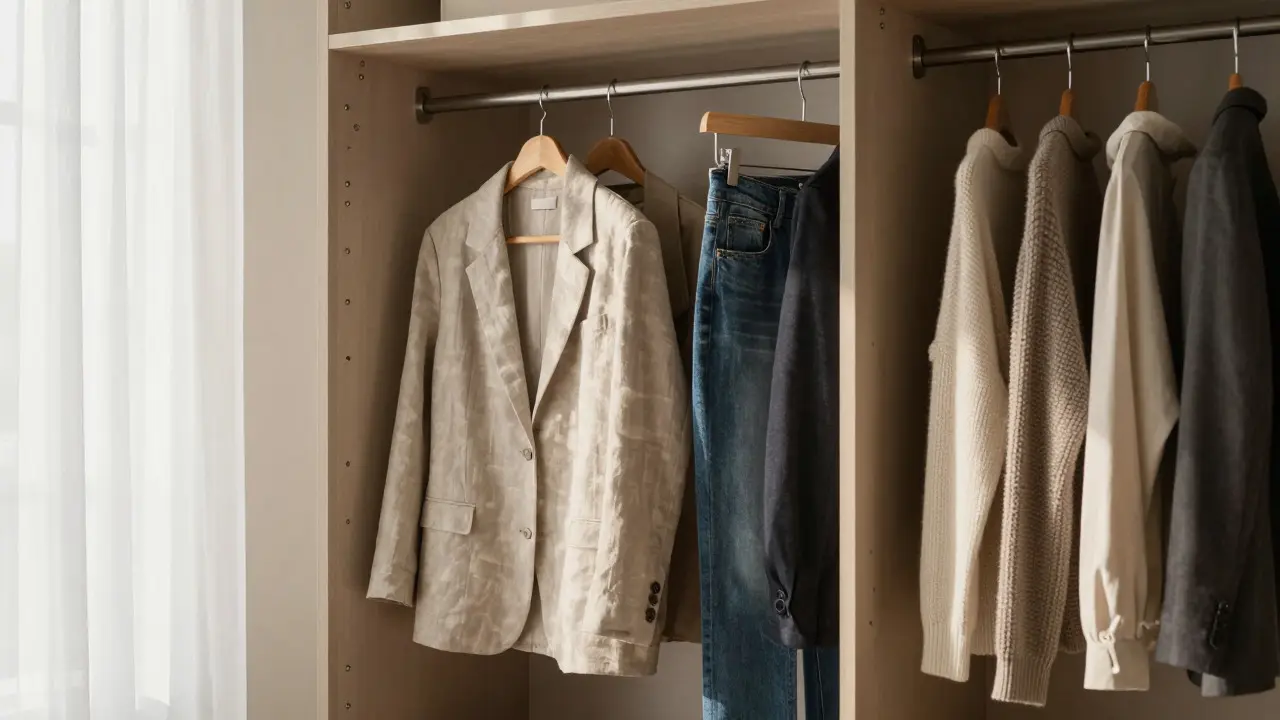
Does your closet feel like a graveyard of clothes that fit last year but not today? You are not alone. Most of us experience natural weight shifts due to stress, diet changes, or life stages. The problem isn't the weight; it's the rigid nature of standard clothing sizes. A traditional capsule wardrobe is a limited collection of interchangeable, high-quality garments designed to minimize decision fatigue and maximize outfit variety. But when your body changes, those "perfect" jeans suddenly pinch at the waist, and that favorite blazer pulls across the shoulders.
This creates a cycle of waste and frustration. You buy new clothes to match your current size, only to store the old ones in hopes of fitting back into them. Eventually, both piles become useless. The solution lies in rethinking how we build our core wardrobe. By focusing on flexible sizing, adjustable features, and forgiving fabrics, you can create a style system that moves with you, not against you.
The Myth of Static Sizing
We are taught that clothes should fit perfectly right now. This mindset ignores biological reality. Your body is dynamic. Hormonal cycles, hydration levels, and muscle mass changes can shift your measurements by several inches within weeks. When you anchor your wardrobe strategy is the intentional approach to selecting and maintaining clothing based on lifestyle needs and aesthetic preferences to a single static number, you set yourself up for failure.
Consider the concept of "size inclusivity" in fast fashion. Brands often label items as size 8-10, but the cut remains rigid. If you gain five pounds, that dress doesn't just get tighter; it becomes unwearable because the structure restricts movement. Instead of chasing specific numbers, focus on fit categories. Think about ease, drape, and stretch rather than the tag inside the neck. This shift in perspective allows you to prioritize comfort and longevity over vanity metrics.
Fabrics That Breathe With You
The material of your garment is the first line of defense against weight fluctuation issues. Not all fabrics are created equal when it comes to flexibility. You need materials that offer mechanical stretch or inherent give without losing their shape permanently.
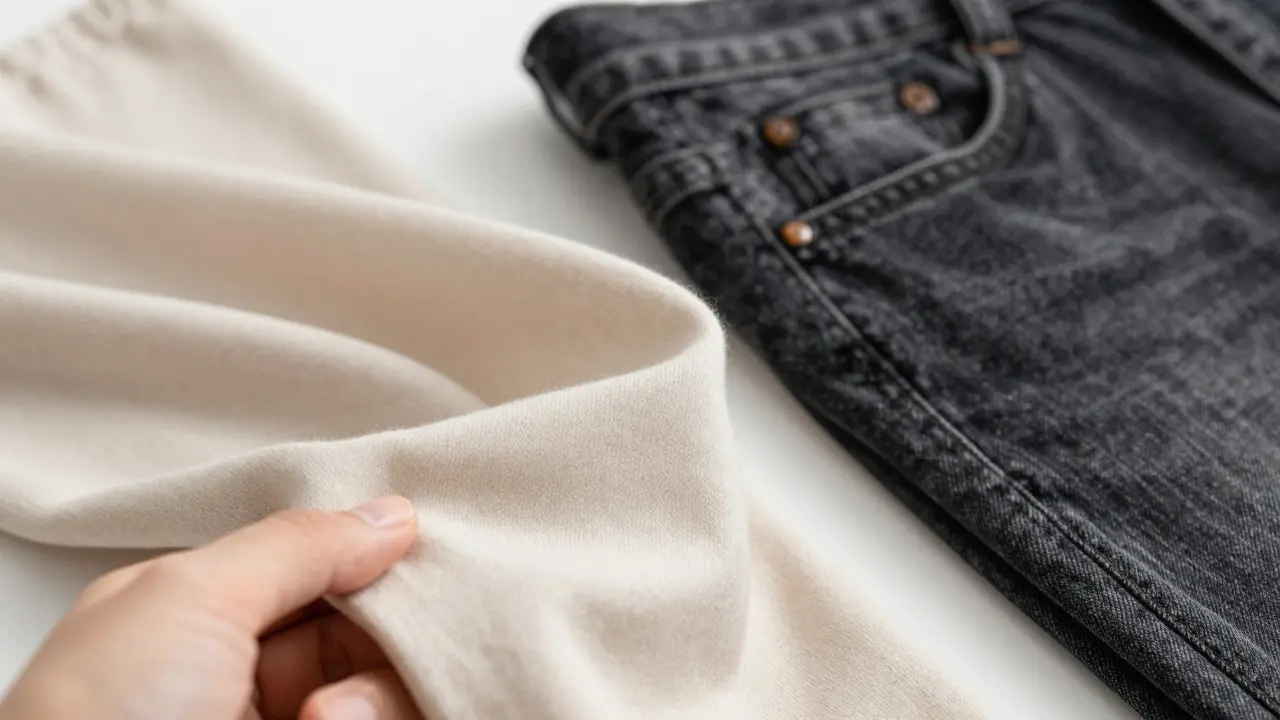
- Natural Knits: Merino wool and cotton jersey are excellent choices. They have natural elasticity and recover well after stretching. Unlike synthetic knits that might bag out, natural fibers maintain their integrity longer.
- Tencel and Lyocell: These semi-synthetic fabrics derived from wood pulp are incredibly soft and drape beautifully. They don't cling tightly to every contour, offering a smooth silhouette that adjusts subtly to body changes.
- Stretch Denim: Look for jeans with 2-4% elastane or spandex. Pure cotton denim is unforgiving. A small percentage of synthetic stretch allows the fabric to expand during the day and snap back, accommodating minor daily fluctuations.
Avoid stiff, non-stretch wovens for core items unless they have significant ease built into the pattern. A structured linen suit might look sharp today, but if it buttons tightly, it will be uncomfortable tomorrow. Prioritize flow over structure in your base layers.
Design Features That Offer Hidden Adjustability
You don't need to be a tailor to benefit from adjustable design elements. Many modern garments include features that allow you to tweak the fit without altering the original construction. These details extend the wearable life of an item significantly.
| Feature | Adjustment Range | Best For |
|---|---|---|
| Elastic Waists | Up to 4 inches | Pants, skirts, dresses |
| Draped Fronts | Variable coverage | Blouses, tunics |
| Belt Loops | External tightening | Trousers, coats |
| Wrap Styles | Full torso adjustment | Dresses, cardigans |
Elastic waists are the unsung heroes of a flexible wardrobe. Whether hidden under a flat front panel or visible as a drawstring, they provide immediate relief and adaptability. Similarly, wrap styles allow you to control the tightness around your midsection. You can cinch them closer for a snug fit or leave them looser for comfort. These designs acknowledge that bodies change and provide a mechanism to accommodate that change gracefully.
The Power of Oversized Silhouettes
One of the most effective strategies for handling weight fluctuations is embracing oversized fits. This doesn't mean wearing clothes three sizes too big, which can look sloppy. It means choosing cuts with intentional ease. An oversized blazer, for example, drapes over the shoulders and torso without hugging the body. If you gain weight, the extra fabric absorbs the change. If you lose weight, it still looks stylishly relaxed.
This approach aligns well with current trends toward minimalism and comfort. Wide-leg trousers, maxi skirts, and loose-fitting shirts offer plenty of room for movement and variation. They also tend to be more comfortable in varying temperatures, adding another layer of versatility to your minimalist style is an aesthetic philosophy focused on simplicity, functionality, and reducing excess possessions. By removing the pressure to fit into tight seams, you reduce anxiety around food and body image.
Layering as a Buffer Zone
Layering is not just for cold weather; it's a strategic tool for fit management. A well-chosen outer layer can disguise changes in underlying garments. A long cardigan, a tailored coat, or a structured vest can cover areas where fit might be less precise. This allows you to wear items that are slightly too big or slightly too small underneath, extending their usability.
Think of your outerwear as a frame. As long as the frame fits, the picture inside can vary. Invest in high-quality jackets and coats that skim the body rather than hug it. These pieces become anchors in your capsule, providing consistency even when your inner layers change. This method also adds visual interest and depth to your outfits, making your limited wardrobe appear larger and more diverse.

Maintaining Quality Over Quantity
In a capsule wardrobe meant to withstand weight changes, quality becomes paramount. Cheap fabrics pill, stretch out permanently, and lose their color quickly. High-quality materials retain their shape and texture through multiple washes and body changes. When you invest in better construction, you are investing in longevity.
Look for reinforced stitching, quality zippers, and durable buttons. Check the care labels; items that require gentle hand washing may not be practical for daily use, but they might be worth it for special occasions. Balance durability with convenience. The goal is to have fewer items that last longer, reducing the environmental impact of frequent replacements. This aligns with the principles of sustainable fashion is a movement and process of fostering change to fashion products and their lifecycle so that they are more socially, environmentally, and economically sustainable.
Practical Steps to Build Your Flexible Capsule
Building this type of wardrobe requires a deliberate audit of what you already own. Start by pulling out everything that feels restrictive or uncomfortable. Donate or sell these items. Then, identify gaps in your collection where flexible options are missing. Focus on filling these gaps with the fabrics and features discussed above.
- Audit Current Fit: Try on key items. Note which ones cause discomfort or require holding your breath. Mark these for removal.
- Identify Core Needs: List the types of clothes you wear most often (e.g., work pants, casual tops). Prioritize buying flexible versions of these staples.
- Shop Intentionally: When shopping, ignore the size tag. Try on multiple sizes to find the one that offers the best balance of fit and ease. Don't be afraid to go up a size if it means more comfort and longevity.
- Embrace Accessories: Use belts, scarves, and jewelry to add personalization and adjustability without altering the garment itself.
This process takes time, but the result is a wardrobe that supports your changing body rather than fighting it. You will spend less time worrying about what fits and more time enjoying your style.
What is the best fabric for a capsule wardrobe with weight fluctuations?
Natural knits like merino wool and cotton jersey are ideal because they offer natural elasticity and recovery. Tencel and lyocell are also excellent choices due to their soft drape and ability to hide minor body changes without clinging.
How do I know if a garment has enough ease for weight changes?
Check the fit while moving. If you can pinch at least two inches of fabric at the side seams comfortably, there is likely enough ease. Avoid items that pull horizontally across the stomach or chest when you sit down.
Can I make my existing clothes more adjustable?
Yes, simple alterations can help. Adding elastic to waistbands, replacing buttons with hooks and eyes for extra room, or using tailor's tacks to take in sides temporarily are effective DIY solutions. However, investing in inherently adjustable designs is often more cost-effective long-term.
Is it better to buy larger or smaller sizes for flexibility?
Buying slightly larger sizes with good tailoring potential is generally better. It is easier to take in a garment than let it out. Additionally, oversized silhouettes are currently fashionable and provide more room for natural body variations.
How does layering help with weight fluctuations?
Layering acts as a buffer. Outer layers like cardigans, vests, and coats can conceal fit issues in underlying garments. This allows you to wear items that are slightly too big or small, extending their usable life and providing comfort.