

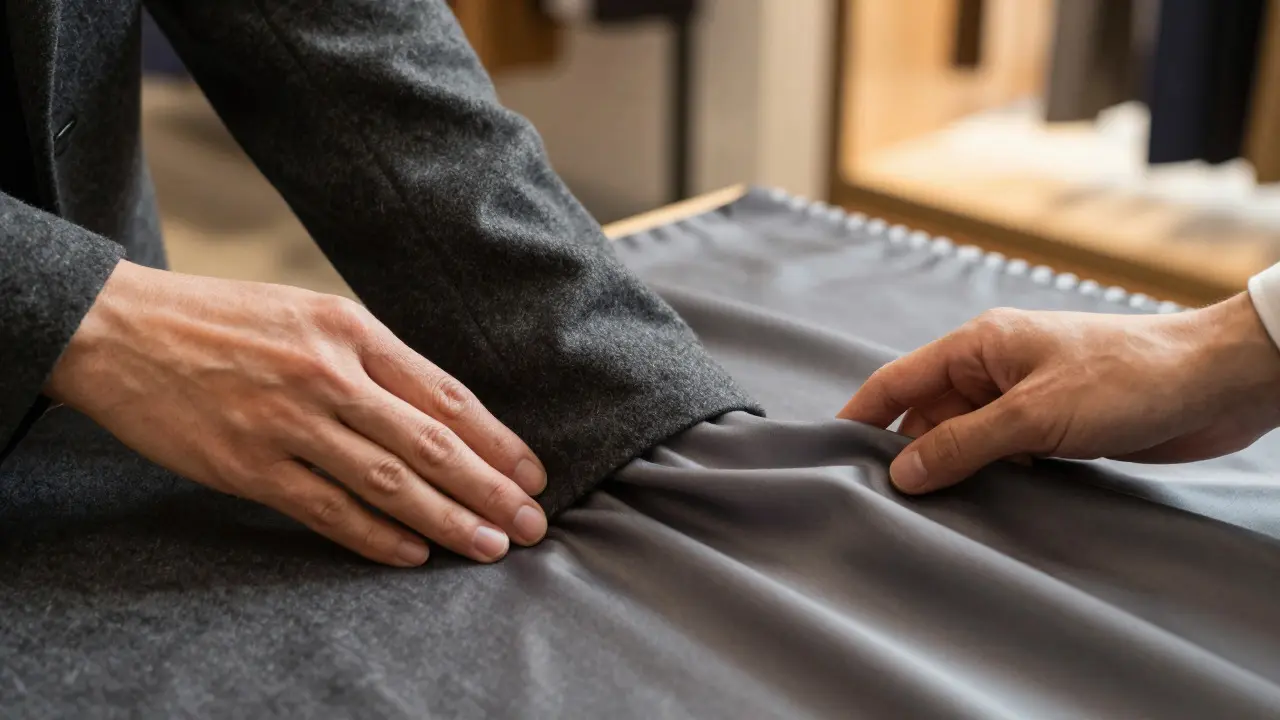
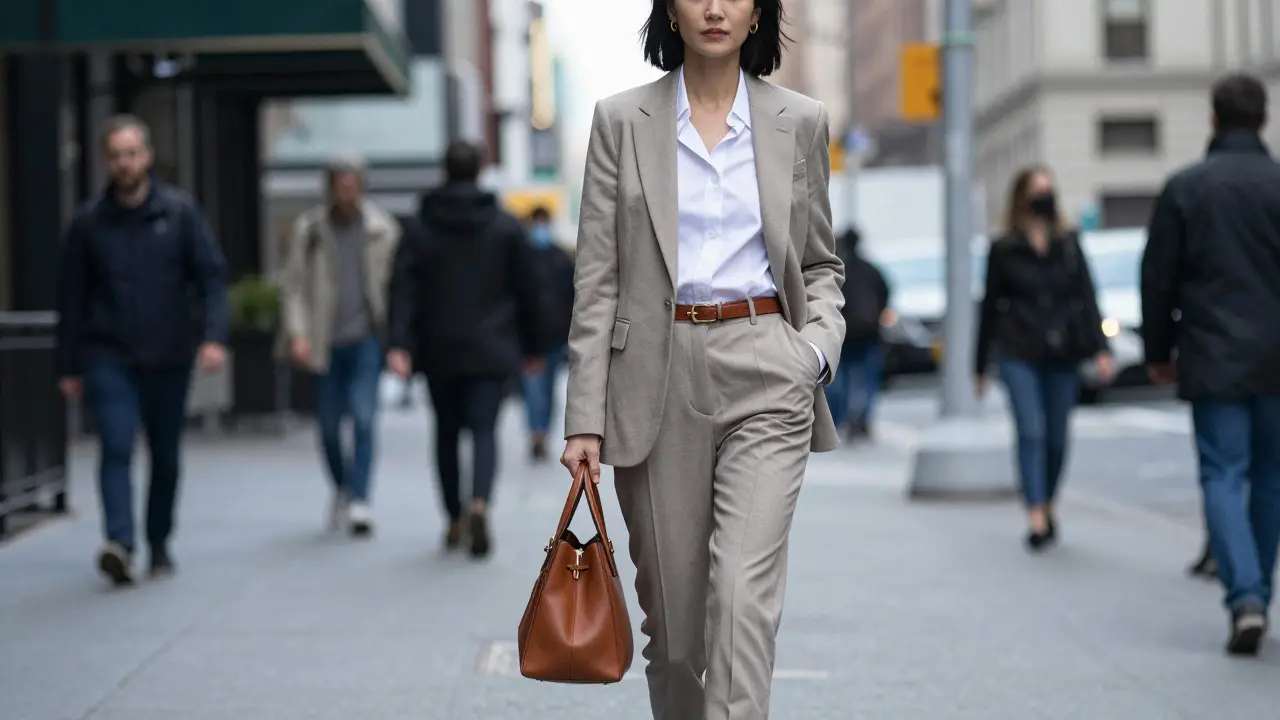
You know that feeling when you see someone walk down the street in New York, and they look effortlessly put-together? They aren’t wearing a thousand-dollar logo or a runway piece from Paris. They’re just wearing a well-cut blazer, a crisp shirt, and maybe one really good bag. That is chic style. It’s not about having more clothes; it’s about having the right clothes, made of the right materials, finished with the right details.
Most people think looking elegant costs a fortune. But here’s the truth: you can build a wardrobe that looks expensive without spending a fortune, if you understand two things-fabric quality and accessory strategy. Cheap fabric wrinkles, fades, and loses its shape after three washes. Good fabric drapes, holds structure, and ages gracefully. And accessories? They are the punctuation marks of your outfit. Without them, your sentence runs on. With them, it makes sense.
The Foundation: Why Fabric Quality Matters More Than Brand Names
Let’s be real for a second. A $50 polyester dress from a fast-fashion chain will never look like a $500 silk dress, no matter how similar the cut is. Why? Because natural fibers like cotton, wool, linen, and silk behave differently than synthetics. Natural fibers breathe, drape naturally, and resist pilling. Synthetics trap heat, shine unnaturally under lights, and often feel plasticky against the skin.
When you touch a garment, you should feel resistance and weight. A high-quality wool coat feels substantial. A cheap acrylic blend feels light and hollow. This tactile difference is what separates "costume" from "clothing." In 2026, with textile technology advancing, we also have high-performance blends that mimic natural fibers better than ever, but nothing beats the authentic hand-feel of genuine materials.
- Cotton: Look for long-staple cotton (like Egyptian or Pima). It’s smoother, stronger, and less likely to pill.
- Wool: Merino wool is soft and breathable. Cashmere adds luxury but requires care. Wool blends offer durability for daily wear.
- Linen: Wrinkles are part of its charm. Choose heavier weights for structure.
- Silk: Check the momme count. Higher numbers mean thicker, more durable silk.
If you’re shopping on a budget, prioritize fabric over brand. A generic store-brand cashmere sweater in a neutral color will outlast and outshine a trendy, branded synthetic top every time.
Strategic Accessories: The Art of Finishing an Outfit
You’ve got the perfect pair of trousers and a nice blouse. But something feels off. It’s flat. Boring. That’s because you’re missing the strategic layering of accessories. Accessories are not just decorations; they are tools to balance proportions, add texture, and inject personality into a simple base.
Think of your outfit as a canvas. The clothes are the background. The accessories are the focal points. If everything shouts, nothing speaks. If everything whispers, nobody listens. You need contrast.
| Goal | Accessory Choice | Fabric/Material Tip |
|---|---|---|
| Add Height | Pointed-toe shoes, vertical necklaces | Leather or suede for sleek lines |
| Define Waist | Belt (medium width) | Genuine leather matches shoe tone |
| Elevate Casual | Structured tote, silk scarf | Canvas bag with leather trim; 100% silk scarf |
| Add Edge | Chunky jewelry, metallic accents | Gold-plated brass or sterling silver |
Notice the pattern? Consistency in material tones creates cohesion. If your belt is brown leather, your bag handles or shoes should echo that brown. It doesn’t have to match exactly, but it should harmonize. This subtle coordination is what makes an outfit look intentional rather than accidental.
Building a Capsule Wardrobe with Chic Principles
A capsule wardrobe is a curated collection of essential clothing items that don't go out of fashion quickly. For chic style, this means sticking to neutrals, classic cuts, and versatile pieces. You don’t need 50 shirts. You need five great ones.
Start with the basics: a white button-down, a black turtleneck, tailored trousers, dark jeans, and a structured blazer. These are your anchors. Then, use accessories to change the vibe. Same trousers, different belt, different shoes, different bag equals a completely new look.
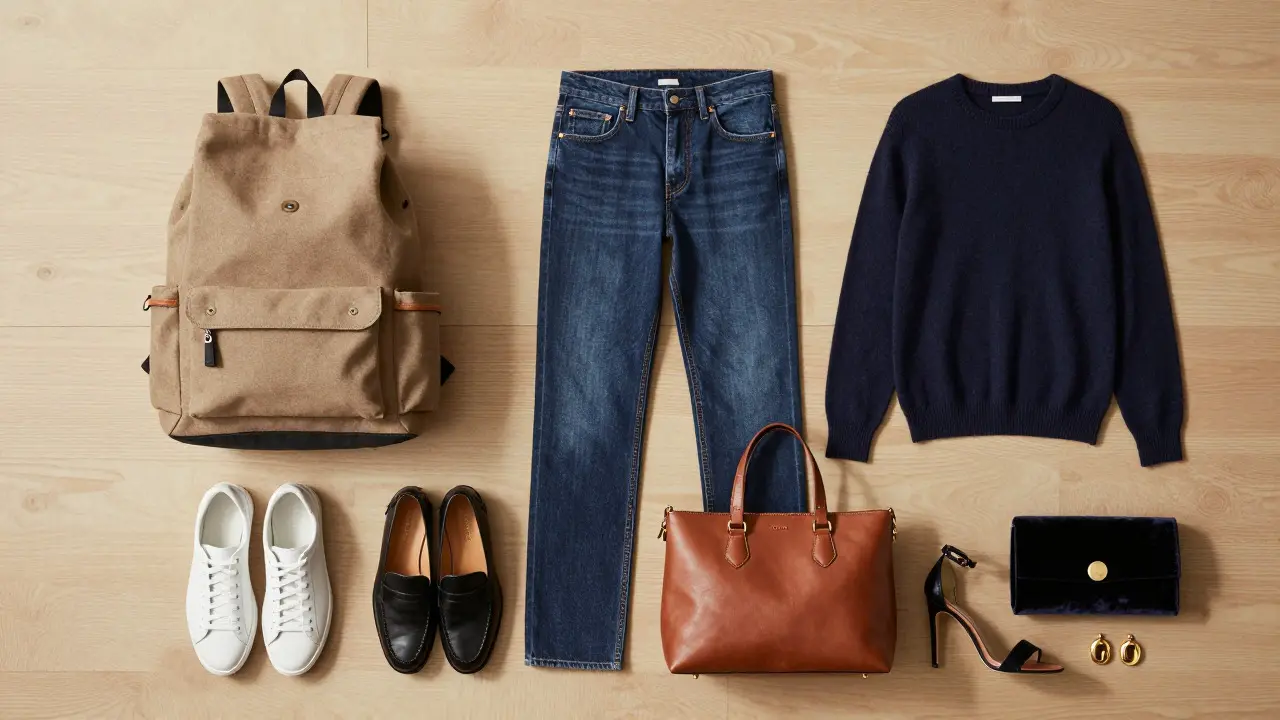
Here’s a practical rule of thumb: For every basic piece, own three accessory options. One casual (canvas sneakers, crossbody bag), one work-appropriate (loafers, structured tote), and one evening-ready (heels, clutch, statement earrings). This multiplies your outfit possibilities without multiplying your closet clutter.
The Role of Fit and Tailoring
Even the most expensive fabric looks cheap if it doesn’t fit right. Conversely, a $20 thrift-store blazer can look couture if it’s tailored to your body. Tailoring is the secret weapon of chic dressing. It transforms off-the-rack garments into custom-looking pieces.
Common tailoring fixes include shortening sleeves to show a bit of wrist, taking in the waist of a jacket, or hemming pants to break slightly at the shoe. These small adjustments signal attention to detail. People notice fit before they notice brand labels.
In New York, where I live, many dry cleaners offer basic alterations for reasonable prices. Don’t skip this step. It’s worth every penny. A well-fitted garment communicates confidence and self-respect.
Maintaining Your Chic Wardrobe
Quality fabrics require quality care. You can’t throw a cashmere sweater in the dryer and expect it to survive. Proper maintenance extends the life of your clothes and keeps them looking polished.
- Washing: Use cold water and gentle detergents. Air-dry whenever possible to prevent shrinkage and fabric stress.
- Storage: Hang structured items like blazers and coats. Fold knits to prevent shoulder bumps.
- Repair: Fix loose buttons and small tears immediately. Ignoring them leads to bigger problems.
- Steaming: Invest in a handheld steamer. It refreshes clothes between wears and removes wrinkles without damaging delicate fabrics.
Treat your clothes like investments. They pay dividends in confidence and appearance. A wrinkled shirt undermines even the best accessory choices. Keep things crisp, clean, and cared for.
Real-World Application: Three Chic Outfit Formulas
Let’s make this concrete. Here are three outfit formulas you can steal today, using principles of fabric quality and strategic accessories.
Formula 1: The Power Lunch
Start with tailored wool-blend trousers in charcoal. Pair with a high-thread-count cotton blouse in ivory. Add a medium-width leather belt in cognac. Finish with pointed-toe flats and a structured leather tote. Minimal jewelry: small gold hoops and a watch. Result: Professional, polished, authoritative.
Formula 2: Weekend Brunch
Choose high-quality dark-wash denim with a straight leg. Top with a fine-gauge merino wool sweater in navy. Layer with a linen shirt left open. Accessories: White leather sneakers, a canvas-and-leather backpack, and layered delicate necklaces. Result: Relaxed but refined, comfortable yet stylish.
Formula 3: Evening Transition
Take the same trousers from Formula 1. Swap the blouse for a silk camisole in champagne. Add a velvet blazer or a sequined shawl. Change shoes to heeled sandals. Swap the tote for a small clutch. Add bold earrings. Result: Effortlessly transitions from day to night with minimal effort.
See how the base remains consistent? Only the accessories and top layers change. This is efficiency meets elegance.
Common Mistakes to Avoid
Even with good intentions, people fall into traps that undermine their chic aesthetic. Here are the big ones.
Over-accessorizing: Too many competing elements create visual noise. Stick to one focal point. If you’re wearing statement earrings, keep the necklace minimal or non-existent.
Neglecting Shoes: Dirty or worn-out shoes ruin an otherwise perfect outfit. Keep them clean and in good repair. They’re the first thing people notice.
Ignoring Color Harmony: Clashing colors can look chaotic. Stick to a cohesive palette. Neutrals are safe bets, but if you use color, ensure it complements your skin tone and other pieces.
Buying Trends Over Basics: Fast-fashion trends fade quickly. Invest in timeless pieces that serve you for years, not months.
What is the single most important factor in achieving chic style?
Fit is paramount. Even the most expensive, high-quality fabric looks sloppy if it doesn't fit your body correctly. Always prioritize tailoring and proper sizing over brand names or trendiness.
Do I need to buy designer brands to achieve a polished look?
No. Focus on fabric quality and construction details instead. A well-made garment from a mid-range brand often looks more expensive than a poorly made designer item. Check seams, lining, and fabric content labels.
How many accessories should I wear for a chic outfit?
Less is more. Aim for one or two focal points. If you're wearing bold earrings, skip the necklace. If you have a statement bag, keep jewelry simple. Balance is key to avoiding a cluttered look.
Which fabrics are best for maintaining a polished appearance?
Natural fibers like wool, cotton, linen, and silk tend to drape better and age gracefully. High-quality synthetic blends can also work if they mimic natural textures and resist wrinkling. Avoid thin, shiny synthetics that pill easily.
How can I update my wardrobe on a budget while staying chic?
Invest in accessories and tailoring. Buy basic pieces from affordable brands and spend money on good belts, shoes, and bags. Have key items altered to fit perfectly. This approach yields higher impact per dollar than buying many cheap trendy items.