

Think about the last time you opened your closet and felt like you had nothing to wear. Not because it’s empty - because it’s full of stuff you never wear. Maybe it’s that dress you bought on impulse, the jeans that never quite fit right, or the jacket you wore once to a wedding and never touched again. Now imagine turning all that unused clothing into something new - without spending a single dollar.
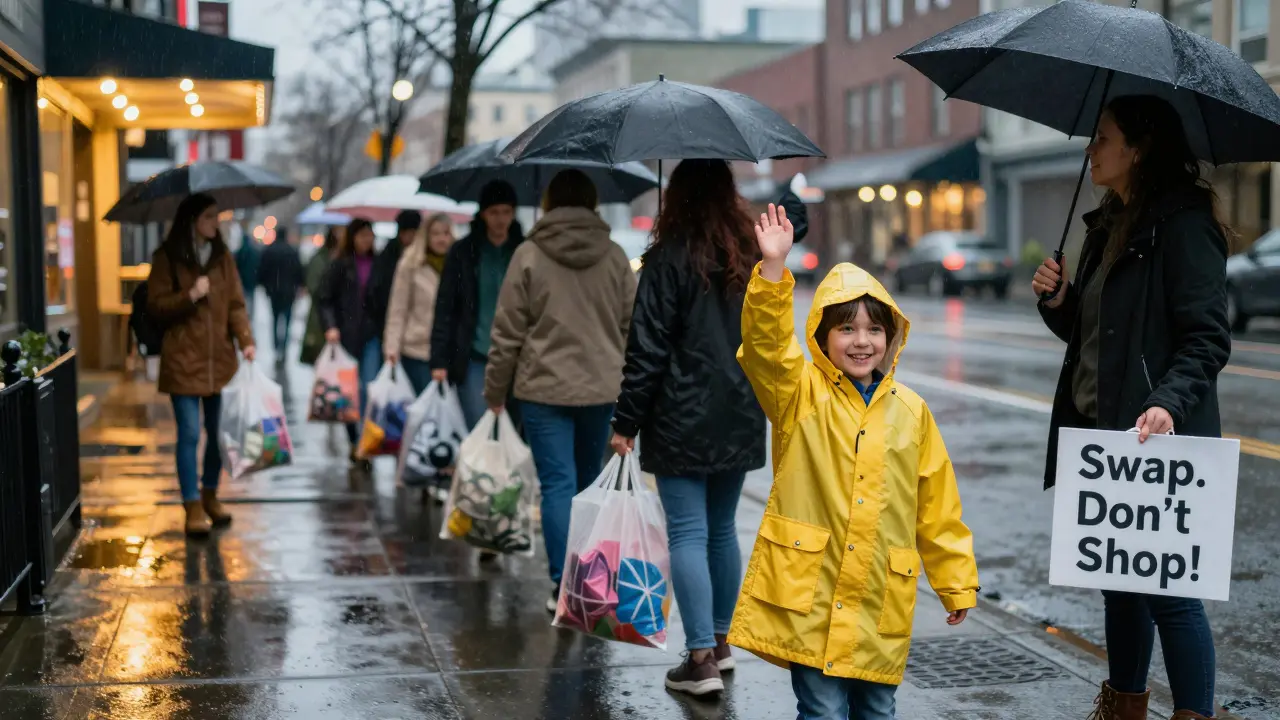
That’s the power of a clothing swap. It’s not just about trading clothes. It’s about rethinking how we use what we already own, building community, and cutting down on the waste that comes from buying new. In Seattle, where rain coats the streets and thrift stores are packed on weekends, clothing swaps have grown from backyard events into organized community gatherings. And they’re working.
How Clothing Swaps Actually Work
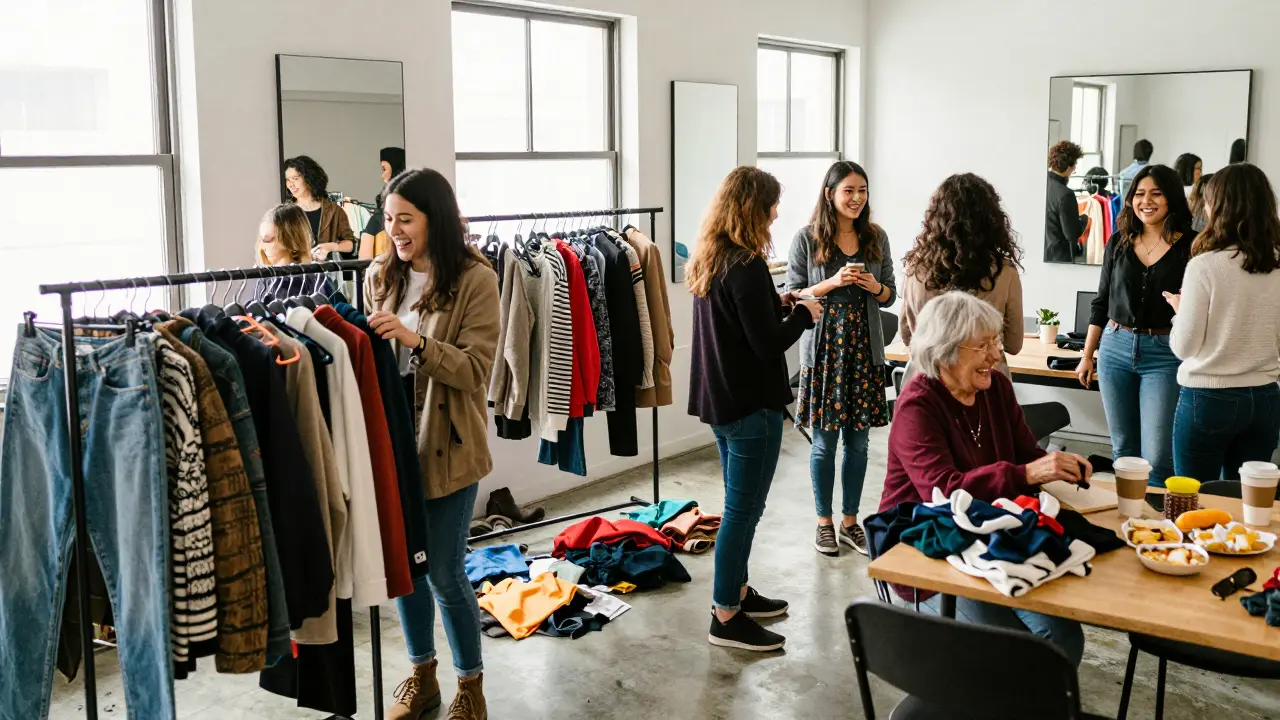
A clothing swap is simple: you bring clean, gently used clothes you no longer wear, and you leave with clothes someone else no longer wants. No money changes hands. No receipts. No returns. Just a pile of clothes, a few mirrors, and a room full of people looking for something fresh.
Most swaps follow a basic structure:
- You sign in and drop off your items - usually 5 to 10 pieces per person.
- Volunteers sort everything by type: tops, bottoms, dresses, outerwear, shoes.
- Participants browse, try things on, and pick what they like.
- Everything is taken home. Leftovers go to local donation centers.
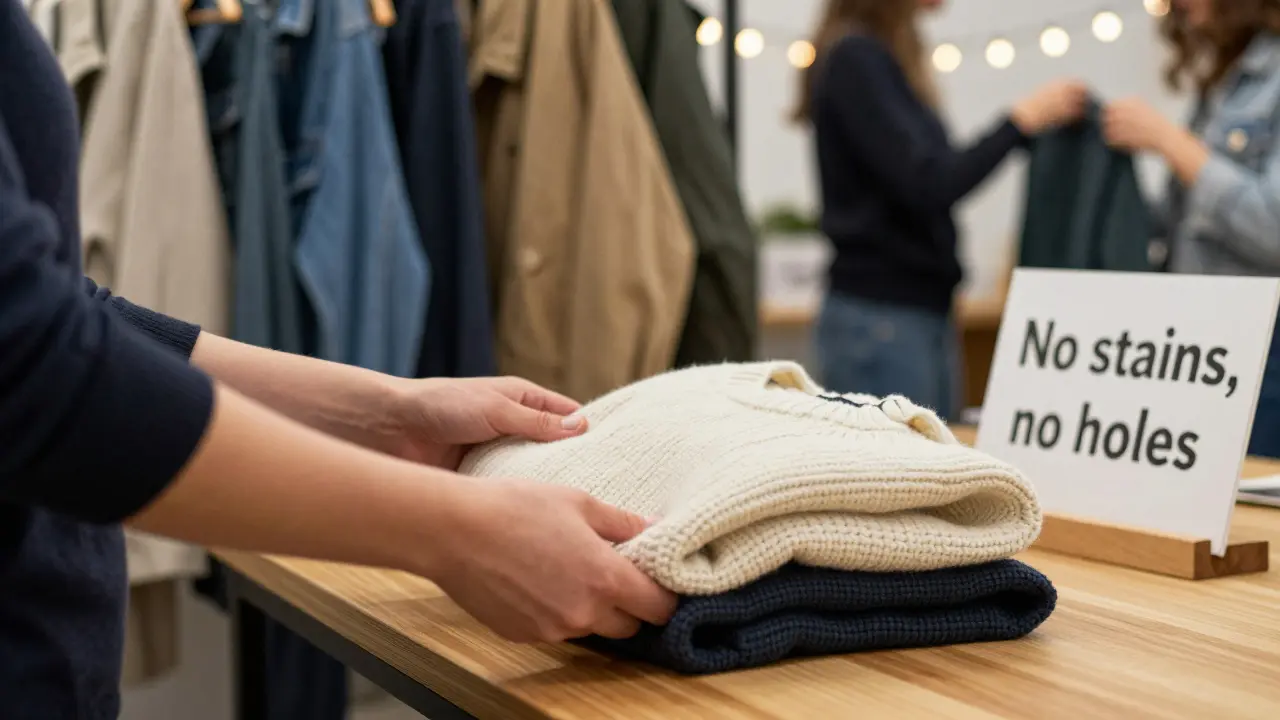
Some swaps add rules: no stains, no holes, no items older than 10 years. Others are more relaxed. The goal isn’t perfection - it’s reuse. A sweater that doesn’t suit you might be someone else’s favorite. A pair of jeans that’s too long for you could be perfect for a teenager who just outgrew their last pair.
Why This Beats Buying New
The fashion industry produces over 100 billion garments each year. More than 85% of them end up in landfills. That’s not just waste - it’s a flood of water, chemicals, and carbon emissions tied to every shirt, pair of pants, and hoodie made.
When you swap instead of shop, you avoid contributing to that cycle. A single cotton t-shirt takes about 2,700 liters of water to make. That’s enough to cover one person’s drinking needs for 900 days. By swapping, you’re not just getting a new outfit - you’re saving that water, that energy, that pollution.
And it’s not just environmental. Swapping gives clothes a second life. A coat bought for $120 at a department store might sit untouched for years. At a swap, it gets worn by someone who loves it - and keeps it out of the trash.
Community Exchange: More Than Just Clothes
Clothing swaps aren’t just about the items. They’re about the people. In Seattle, monthly swaps at community centers draw moms, students, retirees, and even local designers. People chat while trying things on. Kids play with donated toys. Someone brings coffee. Someone else brings a playlist.
These gatherings create quiet networks. A woman finds a blazer she loves and asks where it came from. Turns out, it was from a neighbor who works at a nonprofit. They start talking. A few weeks later, that neighbor invites her to a volunteer day. A student swaps out winter boots and ends up joining a local repair group that fixes damaged clothes.
This is community exchange in action - not just clothes, but connections. People learn about repair cafes, upcycling workshops, and local thrift stores they never knew existed. Swaps become doorways to bigger conversations about what we own, why we buy, and how we live.
How to Start Your Own Swap
You don’t need a big space or a budget. You just need a few people and a plan.
Here’s how to get started:
- Find 5-10 friends or neighbors who are interested. Use a local Facebook group, Nextdoor, or a community bulletin board.
- Choose a date and place. A garage, a church basement, a library meeting room - anywhere with space to lay out clothes.
- Set simple rules: no stains, no missing buttons, no underwear or swimwear. Keep it clean and safe.
- Ask everyone to bring 5-10 items. The more variety, the better.
- On the day, sort clothes into categories. Use tables or folding chairs. Hang dresses and jackets.
- Let people browse for 30-45 minutes. Then let them take what they want - no tickets, no limits.
- Donate leftovers to a local shelter or textile recycler. Seattle has several, like Textile Recycling Northwest and Goodwill’s ReUse Center.
Pro tip: Host a themed swap. Winter coats only. Workwear. Kids’ clothes. It makes things easier to sort and more exciting to browse.
What You Can Expect to Find
Swaps aren’t charity bins. They’re curated collections. People bring their best unused items - things they still love but no longer fit. So you’ll find:
- Quality basics: wool sweaters, organic cotton tees, durable denim
- Designer pieces: jackets from Everlane, Madewell, Patagonia - often worn once
- Seasonal gear: winter boots, raincoats, scarves
- Accessories: belts, scarves, bags, hats - all in good shape
One swap in Capitol Hill last fall had 120 people. They brought over 600 items. By the end, 98% of the clothes were taken. The leftover 2%? A few mismatched socks and one broken sandal. Everything else found a new home.
What Not to Bring
Not everything belongs at a swap. Avoid bringing:
- Stained, torn, or damaged clothing (even if you think it’s "fixable")
- Undergarments or swimwear
- Items with strong odors (smoke, perfume, mildew)
- Outdated styles (think 1980s shoulder pads or neon 2000s jeans - unless it’s a retro-themed swap)
- Shoes with worn soles or broken heels
Remember: if you wouldn’t wear it yourself, someone else probably won’t either. Be honest. It keeps the swap respectful and enjoyable for everyone.
How Often Should You Swap?
There’s no rule. Some people swap every season. Others do it once a year. In Seattle, the most active groups meet in spring and fall - when people are ready to refresh their wardrobes for changing weather.
Think of it like a seasonal reset. In March, you swap out winter coats. In October, you trade summer dresses. It’s not about owning more. It’s about owning better.
And if you’re not ready to host? Join one. Search for "clothing swap Seattle" on Eventbrite or Meetup. There are at least 15 organized swaps in the city each year. Many are free. Some ask for a $5 donation to cover space rental or snacks.
What Happens to Leftovers?
At a well-run swap, almost everything gets taken. But if there’s extra, it doesn’t go to waste.
Organizers partner with local textile recyclers. These places take worn-out fabric and turn it into insulation, rags, or even new yarn. In Washington State, Textile Recycling Northwest processes over 2 million pounds of clothing each year. That’s more than 100 tons of fabric diverted from landfills.
Some swaps donate to shelters, especially in winter. A pile of coats can mean warmth for someone who can’t afford one. Others send items to international reuse programs that ship clothing to communities in need.
But the real win? You’re not adding to the pile. You’re turning clutter into connection.
Is This Really Sustainable?
Yes - but only if you do it right.
Swapping works because it’s circular. Clothes move from one person to another. No new resources are used. No factories are fired up. No shipping trucks burn diesel.
Compare that to fast fashion. A typical new shirt costs $15. But its true cost? 2,700 liters of water. 1.5 kg of CO2. And a 1 in 4 chance it ends up in a landfill within a year.
At a swap, that same shirt might be worn five more times. Or ten. Or twenty. That’s real sustainability. Not a green label. Not a recycled polyester tag. Real reuse.
And it’s scalable. One swap with 50 people can keep 250 items out of the trash. Ten swaps? 2,500 items. A hundred? 25,000. Multiply that across cities - and you’re talking real change.
Final Thought: Your Closet Doesn’t Need More. It Needs a Reset.
You don’t need to buy a new wardrobe. You need to rediscover the one you already have. A clothing swap isn’t about being trendy. It’s about being thoughtful. It’s about seeing value in what others have passed on - and letting go of what no longer serves you.
Next time you look in your closet and feel stuck, don’t reach for your credit card. Reach out. Find a swap. Bring your unwanted clothes. Take what you love. And maybe, just maybe, you’ll leave with more than clothes - you’ll leave with a new way of thinking about what you wear.


Write a comment