

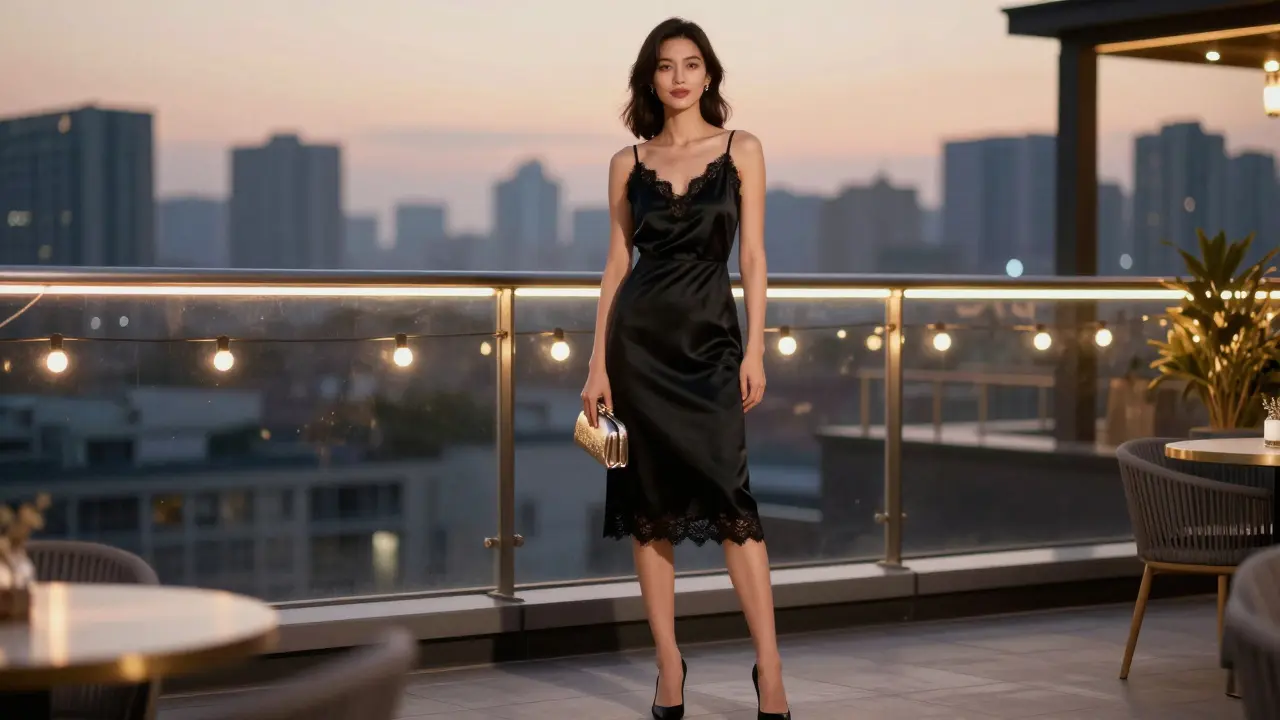
Ever shown up to an evening event and felt like you were either overdressed or underdressed? You’re not alone. Cocktail attire sits in that tricky middle ground-neither jeans and a tee nor a full tuxedo or ball gown. It’s the dress code that trips people up more than any other. And yet, get it right, and you look effortlessly put-together. Get it wrong, and you spend the whole night wondering if everyone’s judging your outfit.
What Exactly Is Cocktail Attire?
Cocktail attire isn’t a rulebook. It’s a vibe. Think polished, but not stiff. Elegant, but not over-the-top. It’s what people wear to a wedding reception after 6 p.m., a gallery opening, a dinner at a fancy restaurant, or a holiday party hosted by someone who owns a wine collection. The term started in the 1920s, when evening parties became popular among urban elites, and women began wearing shorter, more playful dresses than the floor-length gowns of the previous decade. Men swapped their morning coats for suit jackets. Today, it’s still about that balance: dressed up enough to show respect, casual enough to move and breathe.
Here’s the simple version: if the invitation says “cocktail,” you’re aiming for something between business casual and black tie. No need to overthink it-just avoid anything too sloppy or too theatrical.
For Women: The Go-To Outfits That Work Every Time
Women have more flexibility with cocktail attire, which is both a gift and a curse. The good news? You can play with color, texture, and silhouette. The bad news? There are more ways to misstep.
- Dresses: A knee-length or slightly above-the-knee dress is the safest bet. Think sheath, A-line, or fit-and-flare. Avoid anything too long (floor-length = ball gown territory) or too short (mini = party dress, not cocktail). A little black dress? Classic. A silk slip dress with a structured blazer? Even better. Stick to rich fabrics-satin, velvet, lace, or chiffon. Skip jersey or cotton unless it’s a high-end design.
- Suits and separates: More women are choosing tailored pantsuits or skirt-and-blazer combos. A black wool pantsuit with a silk camisole underneath? Perfect. A tweed skirt with a silk blouse and heels? Also perfect. The key is balance: if your bottom is structured, keep the top soft. If your top is bold, keep the bottom simple.
- Shoes: Heels are expected, but not necessarily stilettos. A 2- to 3-inch block heel, pump, or elegant sandal works. Nude or metallic tones go with everything. Avoid sneakers, flats (unless they’re designer and styled intentionally), or anything with a chunky sole.
- Accessories: Keep it minimal. One statement piece-a pair of earrings, a clutch, or a delicate necklace-is enough. Layered necklaces? Only if they’re fine gold chains. Oversized bags? No. A small clutch or structured handbag is ideal.
Pro tip: If you’re unsure, look at the venue. A rooftop bar in downtown Seattle? Go for sleek and modern. A historic ballroom? Lean into vintage glamour. The setting guides the tone.
For Men: Less Is More, But Make It Sharp
Men’s cocktail attire is simpler, but that doesn’t mean it’s easy. The biggest mistake? Wearing a full suit with a tie to a cocktail event. That’s business formal. Cocktail is the relaxed cousin of that.
- Blazer and trousers: A well-fitted blazer-navy, charcoal, or even burgundy-is the cornerstone. Pair it with dress trousers in a matching or complementary color. Dark wash chinos can work if they’re tailored and look like they belong in a suit drawer. Avoid jeans, even dark ones.
- Shirts: A button-down shirt is your best friend. Solid colors, subtle patterns like micro-checks or pinstripes. Skip the graphic tees, polo shirts, and anything with logos. You can leave the top button undone for a relaxed feel, but never wear it untucked.
- Ties and pocket squares: A tie isn’t required, but if you wear one, make it silk and slim. Avoid loud prints or novelty ties. A pocket square adds polish-if you’re not sure, fold it simply and tuck it in the breast pocket.
- Shoes: Oxfords, loafers, or derbies in brown or black leather. No sneakers. No boots. No sandals. If you’re wearing loafers, go sockless if the weather allows, or wear a thin, invisible sock.
- Layering: A fine-gauge sweater under the blazer works in cooler months. A lightweight wool overcoat or trench coat is fine for walking to the venue, but take it off indoors.
Here’s what not to do: don’t wear a tuxedo unless it’s a black-tie optional event. Don’t wear a suit without a jacket. Don’t wear a white dress shirt with a blazer and no tie unless you’re going for a very specific, high-fashion look-and even then, make sure it’s intentional.

When the Invite Says “Cocktail Optional”
Some invites say “cocktail attire optional.” That’s not an invitation to wear sweatpants. It’s a hint that the host wants people to feel comfortable, but still put together. In this case, you can lean slightly casual-but not too much.
Women: Swap the dress for a chic jumpsuit or a tailored top with wide-leg pants. Keep the heels. Men: Swap the blazer for a structured sport coat, or wear a fine-knit sweater with dress pants and loafers. The goal is still to look like you tried, even if you didn’t go all out.
Seasonal Adjustments
Cocktail attire changes with the weather, but the rules stay the same.
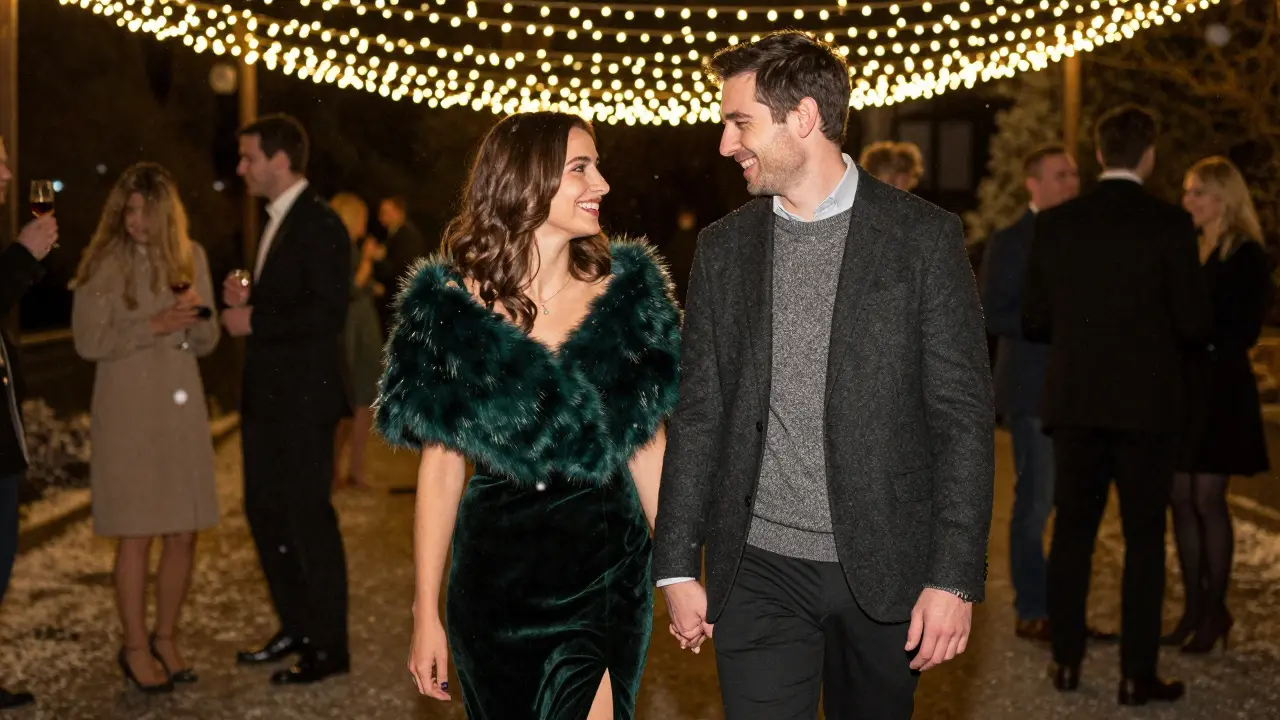
- Winter: Add a wool coat, a cashmere scarf, or a faux-fur stole. Darker tones like burgundy, emerald, or charcoal work well. Velvet dresses and suits feel extra luxurious in colder months.
- Summer: Light fabrics like linen, cotton voile, or silk. Pastels, florals, and whites are fine-but avoid anything too beachy. A linen blazer over a tank top? Yes. A Hawaiian shirt? No.
- Spring/Fall: Layering is your friend. A lightweight trench, a denim jacket (if it’s sleek and dark), or a tailored cardigan can bridge the gap between seasons.
Common Mistakes (And How to Avoid Them)
People mess up cocktail attire in predictable ways.
- Wearing white after Labor Day: This rule is dead. You can wear white any time of year-just make sure it’s elegant, not casual.
- Wearing the same outfit as someone else: If you’re going to a small, close-knit event, check social media or ask a friend. You don’t want to be the person in the exact same dress as the bride’s sister.
- Over-accessorizing: One standout piece is enough. Too many rings? Too many bracelets? Too many necklaces? You’ll look cluttered, not chic.
- Ignoring the venue: A rooftop bar in Seattle calls for different energy than a country club in Palm Springs. Match the vibe.
- Wearing brand-new shoes: New shoes can blister. Wear them around the house first. No one wants to spend an evening in pain.
What to Do If You’re Still Unsure
When in doubt, ask the host. Most people appreciate the effort. You can say: “I want to make sure I’m dressed right-would you say this leans more toward cocktail or smart casual?”
Or, look at the guest list. If most people are in suits and dresses, you should match. If it’s a younger crowd with lots of denim and boots, you can ease up slightly. But never go below the baseline.
Another trick: look at what people wear to similar events on Instagram or Pinterest. Search “cocktail party Seattle 2026” or “evening event dress code.” You’ll see real examples, not magazine editorials.
Final Rule: Confidence Is the Best Accessory
No outfit works if you feel awkward in it. Choose something that fits well, feels comfortable, and lets you move, laugh, and dance. If you’re worrying about your outfit the whole night, you’re missing the point. Cocktail attire isn’t about impressing people. It’s about showing up as your best self-polished, respectful, and ready to enjoy the evening.
At the end of the day, it’s not about the label. It’s about the feeling. If you look good and feel good, you’ve nailed it.
Is a little black dress always appropriate for cocktail attire?
Yes, a little black dress is one of the most reliable choices for cocktail attire. As long as it’s knee-length or slightly above, made of a luxe fabric like silk or lace, and styled with elegant shoes and minimal accessories, it’s perfect. The key is avoiding anything too casual-like a cotton LBD with sneakers-or too revealing, like a bodycon dress with thigh-high slits.
Can men wear a suit without a tie to a cocktail event?
Absolutely. In fact, it’s often preferred. A well-fitted blazer with dress pants, a button-down shirt (untucked or neatly tucked), and loafers or oxfords creates a polished but relaxed look. Skip the tie unless the event is in a very formal setting like a high-end hotel ballroom.
What’s the difference between cocktail attire and business formal?
Business formal means a full suit and tie for men, and a conservative dress or suit for women-think office meetings or job interviews. Cocktail attire is more relaxed: no tie needed, shorter hemlines allowed, and more room for color and texture. It’s designed for social events, not boardrooms.
Are flats ever okay with cocktail attire?
Only if they’re designer and intentionally styled. A pair of sleek, pointed-toe flats in patent leather or velvet can work, especially if paired with a tailored outfit. But avoid ballet flats, canvas sneakers, or anything that looks like gym wear. Heels are still the standard for a reason-they elevate the look.
Can I wear a jumpsuit to a cocktail party?
Yes, a tailored jumpsuit is a great alternative to a dress. Look for one in a structured fabric like crepe, satin, or wool. Avoid loose, flowy styles that look like loungewear. Add heels and a clutch, and you’re set. Many women now choose jumpsuits because they’re comfortable and stylish.


Write a comment