

The Hidden Power of Your Wardrobe
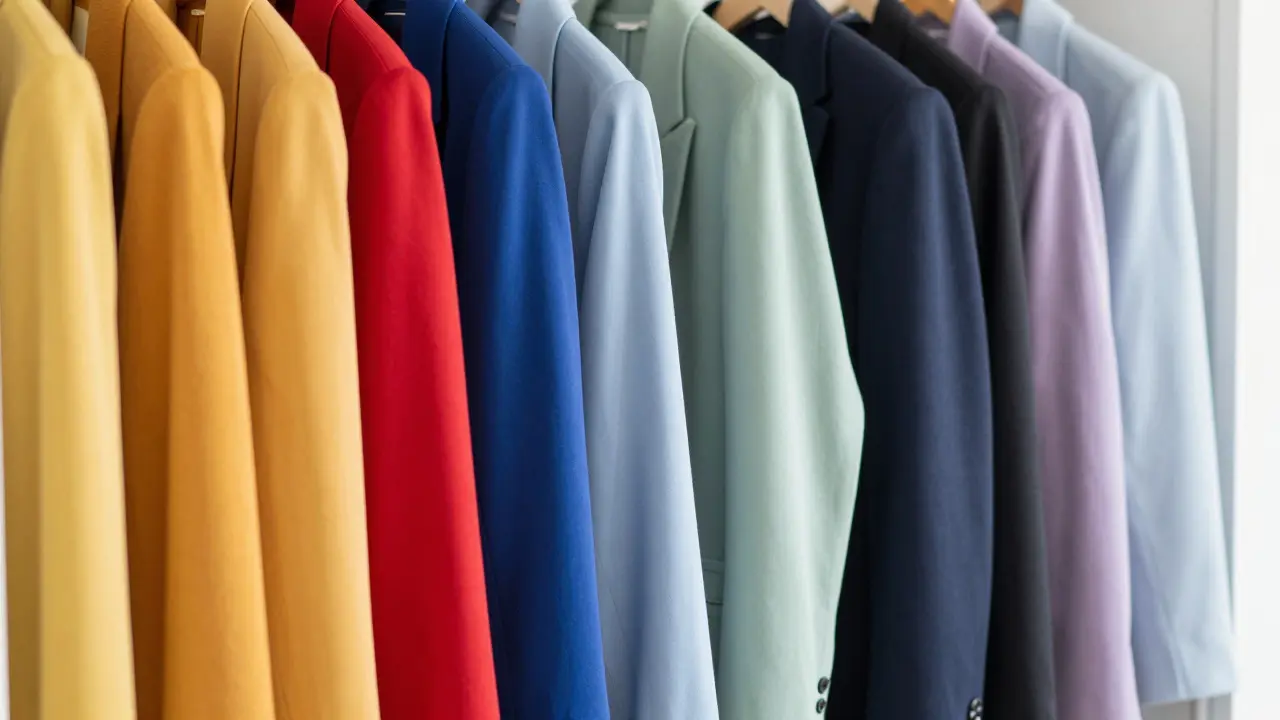
Ever notice how you feel like you can take over the world in a sharp red blazer, but suddenly feel like blending into the wallpaper when you wear a beige sweater? It isn't just in your head. The colors we choose to wear act as a visual shorthand, signaling not only who we are to the world but how we want to feel internally. Color Psychology is the study of how different hues affect human behavior, mood, and physiological responses. When applied to fashion, this means you can essentially "hack" your brain to feel more focused, relaxed, or powerful just by swapping a shirt color.
Most of us pick clothes based on what looks "good" or what's trending on social media. But if you've ever felt a disconnect between your outfit and your energy level, you're missing out on a tool that can actually shift your mental state. Whether you're prepping for a high-stakes presentation or trying to shake off a morning slump, the colors in your closet are your most immediate emotional levers.
Quick Takeaways:
- Warm tones (red, orange, yellow) generally energize and stimulate.
- Cool tones (blue, green, purple) tend to calm and soothe.
- Neutrals provide stability but can feel draining if overused.
- Confidence isn't just about the fit; it's about the emotional resonance of the color.
Dressing for High-Stakes Confidence
When you need to project authority, you don't necessarily need to reach for the most aggressive color. Confidence in fashion is often a balance between power and accessibility. For instance, Royal Blue is a deep, saturated blue that conveys trust, stability, and professional competence. It's a powerhouse color that doesn't scream for attention the way red does, making it ideal for leadership roles where you want people to listen to your ideas rather than be intimidated by your presence.
Then there is the classic Red. In the world of psychological triggers, red is the color of action and urgency. It increases the heart rate and creates a sense of dominance. If you have a pitch meeting where you need to appear decisive and energetic, a red accessory or a bold red dress can act as a psychological armor. However, use it sparingly; too much red can come across as aggressive or confrontational, which might shut down a collaborative conversation.
For a more nuanced version of confidence-think "quiet luxury" or effortless expertise-black and charcoal are the go-tos. Black is the ultimate color of authority and sophistication, creating a barrier of formality between the wearer and the observer. It hides insecurities and provides a sense of control. The trick is to mix textures-like a matte black wool pant with a silk black blouse-so you don't look like you're headed to a funeral, but rather like you're the most important person in the room.
Boosting Your Mood on Low-Energy Days
We all have those Tuesdays where the alarm clock feels like a personal attack. This is where color psychology in fashion becomes a survival tool. When your mood is dipping, reaching for "safe" grays or muted browns can actually reinforce that feeling of lethargy. Instead, look toward the warmer end of the spectrum.
Yellow is widely recognized as the color of happiness and optimism. It mimics sunlight and triggers the release of serotonin in the brain. You don't have to wear a bright yellow suit to get the effect; a mustard cardigan or even yellow sneakers can provide a subtle dopamine hit. It's a visual reminder to stay positive, even when the workload is piling up.
If you're feeling overwhelmed or anxious, the strategy shifts from stimulation to stabilization. Green, the color of nature and growth, has a profound grounding effect. It's the easiest color for the human eye to process, which is why it feels so restful. Wearing a sage or forest green outfit can lower your cortisol levels and make you feel more centered during a chaotic day.
| Target Emotion | Recommended Color | Psychological Effect | Best Use Case |
|---|---|---|---|
| Dominance/Energy | Red | Increases heart rate, signals power | Keynote speaking, competitive events |
| Trust/Calm | Blue | Lowers blood pressure, evokes reliability | Job interviews, client meetings |
| Joy/Optimism | Yellow | Stimulates mental activity, lifts mood | Creative brainstorming, social gatherings |
| Balance/Healing | Green | Reduces stress, provides stability | High-stress workdays, recovery days |
| Mystery/Creativity | Purple | Associates with luxury and intuition | Artistic events, evening galas |

The Role of Color Analysis in Personal Branding
While color psychology tells us how a color makes us *feel*, Color Analysis is the process of determining which specific shades complement a person's unique skin undertones, eye color, and hair color. This is the bridge between feeling confident and actually looking radiant. If you wear a "power color" that clashes with your skin tone, you might feel powerful, but you'll look washed out or tired, which creates a psychological conflict.
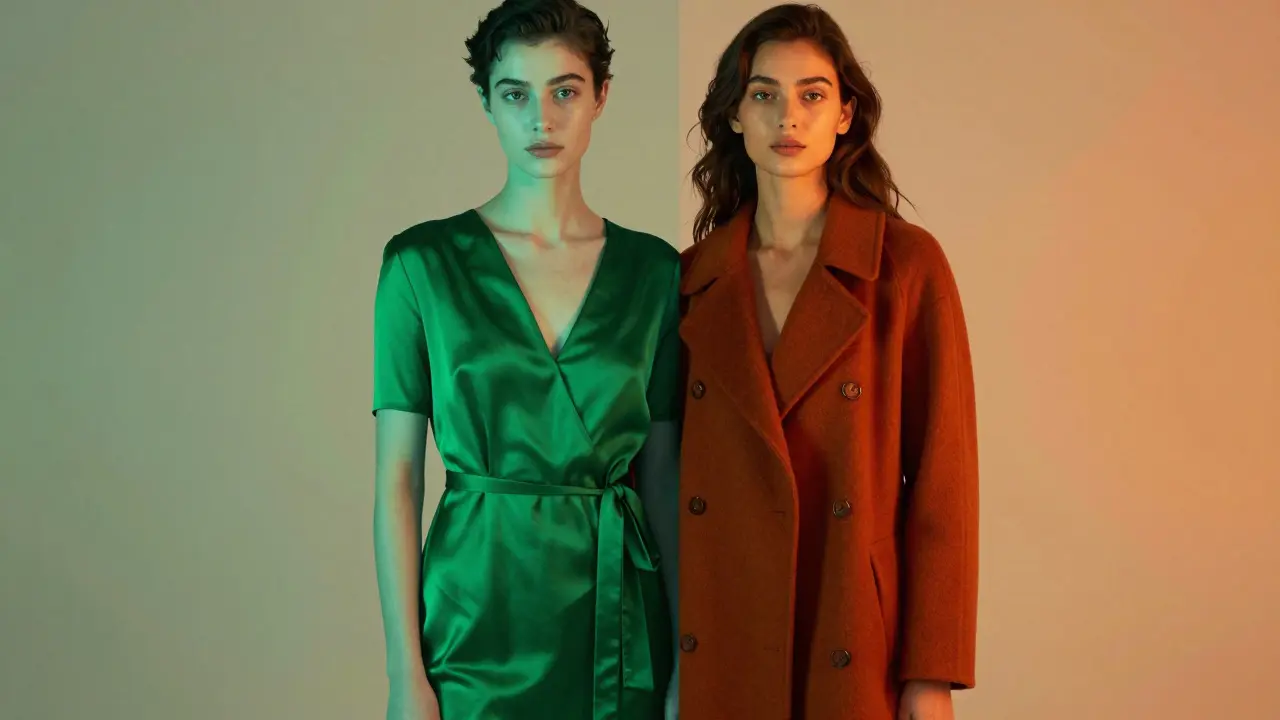
Most people fall into one of the four seasonal categories: Spring, Summer, Autumn, or Winter. For example, someone with a "Winter" profile has cool undertones and high contrast. For them, a stark, brilliant white or a deep emerald green will make them glow. On the other hand, someone with an "Autumn" profile has warm, golden undertones. A brilliant white would make them look sallow, but a rich terracotta or olive green would make them look healthy and vibrant.
When you align your psychological needs (e.g., "I need to feel calm") with your physical color palette (e.g., "I look best in cool tones"), you achieve what designers call "visual harmony." Instead of just wearing a color because it's a "calming blue," you find the *exact* shade of blue-whether it's a dusty cornflower for a Summer or a deep navy for a Winter-that maximizes your physical appearance and mental state simultaneously.
Avoiding the "Color Trap"
It is easy to fall into the trap of believing that a single color will solve all your problems. A red dress won't make a poorly prepared presentation successful, and a yellow shirt won't cure clinical depression. The goal is support, not a magic fix. The real magic happens in the layering and the context.
Consider the concept of "color blocking." By pairing a high-energy color like orange with a grounding color like navy, you create a balanced psychological profile: you are energetic and exciting, but also stable and trustworthy. If you wear only high-stimulation colors, you risk exhausting yourself and the people around you. If you wear only neutrals, you risk becoming invisible or projecting an aura of boredom.
Another pitfall is ignoring the cultural context. While white represents purity and new beginnings in many Western cultures, it's the color of mourning in parts of Asia. If you're traveling or working in a global environment, your "confidence color" might be interpreted as a sign of disrespect or sorrow. Always do a quick check on regional color associations to ensure your visual message matches your intended mood.
Practical Steps to Build a Mood-Based Wardrobe
You don't need to buy a whole new wardrobe to start using color psychology. Start by auditing what you already own. Look at your favorite clothes-the ones you reach for when you're feeling your best. Are there recurring colors? This is your brain telling you what it naturally associates with success and comfort.
- Identify your "Power Shade": Find one color that consistently makes you feel invincible. Keep this as your "emergency" color for days when you need an extra boost.
- Create "Emotional Kits": Group your clothes by the mood they evoke. A "Calm Kit" might include your greens and soft blues, while an "Energy Kit" has your reds and yellows.
- Experiment with Accessories: If you're intimidated by a full-color look, start with a scarf, a tie, or a piece of jewelry. A small pop of a mood-boosting color can still trigger the psychological response without feeling like a costume.
- Test Your Undertones: Hold a piece of silver jewelry and a piece of gold jewelry against your wrist. If silver looks better, you likely have cool undertones; if gold wins, you're warm. This helps you pick the right *version* of your mood colors.
Does color psychology work if I don't personally like the color?
Yes and no. While there are universal physiological responses to color (like red increasing heart rate), personal association is powerful. If you had a terrible experience wearing a yellow shirt, that color might trigger anxiety for you rather than joy. Your personal history often overrides general psychological rules, so always trust your gut over a chart.
Can wearing a certain color actually change my mood?
It can. This is often referred to as "enclothed cognition." It's the idea that the clothes we wear influence our psychological processes. When you dress in a way that aligns with a specific trait (like wearing "professional" blue), your brain begins to embody the characteristics associated with that color, which can lead to an actual shift in your confidence and behavior.
What is the best color for a first date?
Red is often cited as the most attractive color because it's linked to passion and excitement. However, if you want to project warmth and approachability, pinks or soft blues are better. The key is to choose a color that makes you feel relaxed; if you're uncomfortable in a bold color, that tension will be more noticeable than the color itself.
Is black always the best color for authority?
Not necessarily. While black is formal and authoritative, it can also feel distant or unapproachable. If your goal is to lead a team through a difficult transition, a navy blue or a deep teal can project authority while remaining accessible and trustworthy, which is often more effective for leadership than the rigidness of black.
How do I stop wearing too much gray or beige?
Start with the "Rule of One." Add just one piece of colored clothing or a single colorful accessory to your neutral outfit. Once you get used to the feeling of a mood-boosting color, gradually increase the proportion. This prevents you from feeling overwhelmed by a sudden change in your style.
Next Steps for Your Style Journey
Now that you know the basics, try a "Color Week." For the next seven days, intentionally choose your outfit based on the mood you *want* to have, rather than how you *already* feel. If you're dreading a long day of chores, wear yellow. If you have a tough conversation ahead, wear blue. Note how you feel throughout the day and whether you notice a shift in your energy or how people react to you. You'll likely find that your wardrobe is much more than just fabric-it's a tool for mental management.


Write a comment