

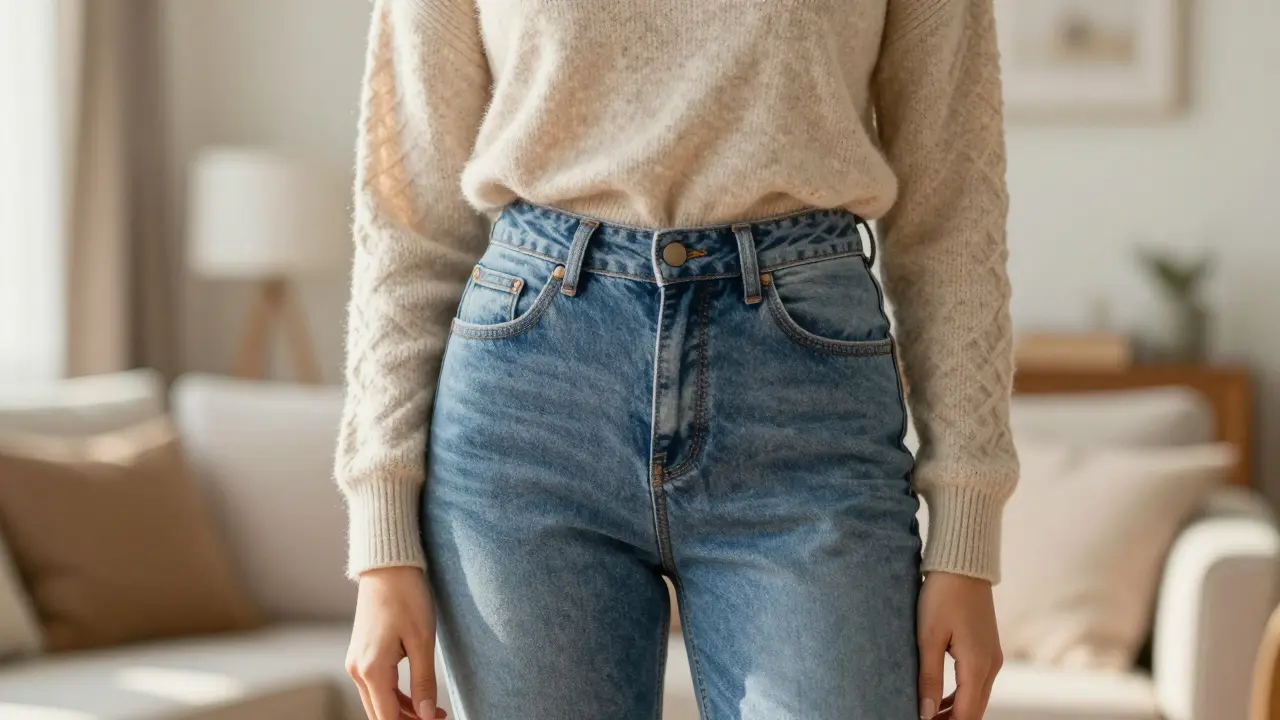
Have you ever put on a pair of jeans that felt like a second skin and suddenly stood taller? Or maybe you wore a stiff, formal blazer to a casual gathering and felt like an imposter the entire time? It’s not just in your head. What we wear does more than cover our bodies; it shapes how we feel about ourselves and how the world perceives us. This connection between fabric, fit, and feeling is at the heart of fashion psychology, which studies the impact of clothing choices on human behavior, mood, and social interaction.
We often think of style as purely visual-a way to look good for others. But the real magic happens internally. When your clothes match your personal aesthetic and prioritize physical comfort, you unlock a psychological boost that ripples through your day. You become more focused, more confident, and more authentic. Let’s break down why this works and how you can use it to improve your daily life.
The Science of Enclothed Cognition
You might have heard the phrase "dress for the job you want." There is actual science behind this idea. Researchers Adam and Galinsky coined the term enclothed cognition, which refers to the systematic influence that clothes have on the wearer's psychological processes. In their famous study, participants who wore a lab coat described as a "doctor's coat" showed increased attention and focus compared to those wearing the same coat described as a "painter's coat." The meaning attached to the garment changed how they performed.
This doesn't mean you need a white coat to be smart. It means that when your clothing aligns with your internal identity or desired state, your brain shifts into gear. If you see yourself as creative, wearing clothes that reflect that creativity signals to your brain that it’s time to create. If you value relaxation, soft fabrics signal safety and rest. The key is alignment. When there is a mismatch-like wearing restrictive corporate attire when you are trying to brainstorm freely-your cognitive resources are wasted on fighting discomfort rather than focusing on the task.
Why Physical Comfort Is Mental Clarity
Let’s talk about the basics: fit. A tight waistband, scratchy wool, or shoes that pinch your toes are not just minor annoyances. They are constant stressors. Your body sends pain signals to your brain, which triggers a low-level fight-or-flight response. You might not realize it, but that tight collar is raising your cortisol levels. Over time, this leads to irritability, fatigue, and a lack of presence.
Conversely, comfortable clothing reduces sensory overload. When you aren’t distracted by itching, pinching, or adjusting your hemline, your mind is free to engage with the world. Think about the last time you wore your favorite sweatpants or a well-fitted dress. Did you feel more relaxed? More likely to smile? That’s because physical ease translates directly to emotional ease. In Seattle, where rain and gray skies are common, many locals prioritize waterproof, breathable layers. This isn’t just practical; it’s psychological armor against the gloom. When you know you’re dry and warm, you feel capable and grounded.
- Sensory Processing: Rough textures can trigger anxiety in sensitive individuals. Soft, natural fibers like cotton or linen soothe the nervous system.
- Mobility: Restrictive clothing limits movement, which can subconsciously make you feel trapped or rigid. Flowing or stretchy fabrics encourage openness and flexibility.
- Temperature Regulation: Being too hot or too cold distracts from conversation and focus. Proper layering keeps you in your optimal mental zone.

Finding Your Aesthetic: Authenticity vs. Trends
Now, let’s address the "match your aesthetic" part. An aesthetic is more than just a Pinterest board. It’s a visual language that communicates who you are without saying a word. But here is the trap: many people chase trends instead of cultivating a personal style. Buying a trendy item that doesn’t fit your lifestyle creates dissonance. You look like you’re trying too hard, and you feel like a fraud.
Authentic style comes from understanding what resonates with your personality. Are you minimalist? Do you love bold colors? Are you drawn to vintage pieces? When you curate a wardrobe that reflects these truths, you experience a sense of coherence. Psychologists call this "self-congruity." When your external appearance matches your internal self-image, you feel validated. You don’t have to explain yourself. Your clothes do the talking.
Consider the difference between wearing a suit because everyone else is doing it versus wearing a tailored jacket because it makes you feel powerful and professional. The first is compliance; the second is expression. Expression builds confidence. Compliance builds resentment. Ask yourself: Does this outfit feel like me? If the answer is no, it doesn’t matter how stylish it looks in the mirror. It will drain your energy.
The Social Mirror: How Others React to Your Comfort
Confidence isn’t just an internal feeling; it’s a social signal. When you are comfortable and dressed in a way that feels authentic, you project calmness and assurance. People pick up on this. Studies in non-verbal communication show that open posture and relaxed facial expressions-both facilitated by comfortable clothing-make you appear more approachable and trustworthy.
Imagine walking into a meeting wearing shoes that hurt. You’ll likely fidget, cross your legs tightly, or avoid standing up. These micro-behaviors signal discomfort and insecurity to others. Now imagine walking in wearing supportive sneakers or soft loafers. You stand tall, make eye contact, and listen actively. Your colleagues perceive you as competent and engaged. Your clothing didn’t change your skills, but it removed the barriers that were hiding them.
This effect is particularly strong in social settings. If you go to a party in clothes that restrict your movement, you’ll stay near the wall. If you wear something that allows you to dance, laugh, and move freely, you’ll join the circle. Your clothing dictates your participation level. By prioritizing comfort within your aesthetic, you invite more positive social interactions.
| Clothing Type | Physical Sensation | Psychological Effect | Social Outcome |
|---|---|---|---|
| Tight/Restrictive | Pain, restricted breathing | Anxiety, distraction, rigidity | Closed-off body language, perceived as tense |
| Loose/Flowing | Freedom, lightness | Creativity, relaxation, openness | Approachable, expressive gestures |
| Trend-Driven (Mismatched) | Unfamiliar, potentially uncomfortable | Insecurity, impostor syndrome | Perceived as trying too hard, less authentic |
| Aesthetic-Aligned | Comfortable, familiar | Confidence, coherence, pride | Trustworthy, memorable, genuine |

Building a Wardrobe That Works for You
So, how do you actually achieve this balance? It starts with editing. Look at your closet. Identify the items that make you feel great-the ones you reach for automatically. Notice the patterns. Are they mostly neutral colors? Do they have specific fabrics? These are clues to your true aesthetic.
Next, audit for comfort. Be honest about what hurts. If a shirt always rides up, let it go. If pants dig in, donate them. Replace these items with alternatives that offer the same style but better fit. Invest in quality basics. A well-made t-shirt or a pair of perfectly fitted jeans serves as a foundation for countless outfits. They provide a canvas for your personality without causing physical distress.
Finally, experiment slowly. Don’t overhaul your wardrobe overnight. Try one new piece that pushes your aesthetic slightly but still feels comfortable. See how it changes your mood. Does it make you feel bolder? More playful? Use these small experiments to refine your understanding of what works for you. Fashion should be a tool for empowerment, not a source of stress.
Navigating Professional Environments
What about work? Many people believe they must sacrifice comfort for professionalism. This is a outdated notion. Modern workplaces increasingly value authenticity and well-being. You can look polished without being painful. Tailored trousers with stretch fabric, structured blazers made from breathable materials, and supportive leather shoes can all meet professional standards while keeping you comfortable.
If your industry demands strict uniforms, find ways to customize within the rules. Choose socks made from moisture-wicking materials. Opt for underwear that provides seamless support. Small adjustments can significantly reduce physical strain. Remember, your goal is to feel confident enough to perform at your best. If you are distracted by discomfort, you are not giving your full potential to your job.
Does expensive clothing make you more confident?
Not necessarily. Confidence comes from fit and alignment with your personal style, not price tags. While high-quality materials often offer better comfort and durability, a cheap t-shirt that fits perfectly and matches your vibe will boost your confidence more than an expensive designer piece that feels wrong. Focus on how the clothes make you feel, not what they cost.
How do I define my personal aesthetic?
Start by looking at your current favorites. What colors, cuts, and fabrics do you gravitate toward? Consider your lifestyle and values. Are you practical, artistic, minimalist, or bold? Create a mood board of images that resonate with you emotionally, not just visually. Over time, patterns will emerge that reveal your unique style signature.
Can changing clothes really improve my mood?
Yes. Research in fashion psychology shows that clothing influences self-perception and emotional state. Wearing clothes that align with your identity can reduce anxiety and increase feelings of competence. Even simple acts like putting on clean, comfortable clothes can signal to your brain that it’s time to reset and engage positively with the day.
Is it okay to wear casual clothes to important events?
It depends on the context and cultural norms. However, if you can elevate casual pieces through tailoring, accessories, and grooming, you can maintain professionalism while staying comfortable. The key is intentionality. If you choose casual wear, ensure it reflects respect for the occasion and confidence in your own style.
How often should I update my wardrobe?
There is no fixed schedule. Update your wardrobe when your needs, body, or style evolve. Regularly assess what you wear and what you leave hanging. Remove items that no longer fit physically or mentally. Prioritize adding versatile, high-quality pieces that enhance your existing collection rather than chasing every new trend.