

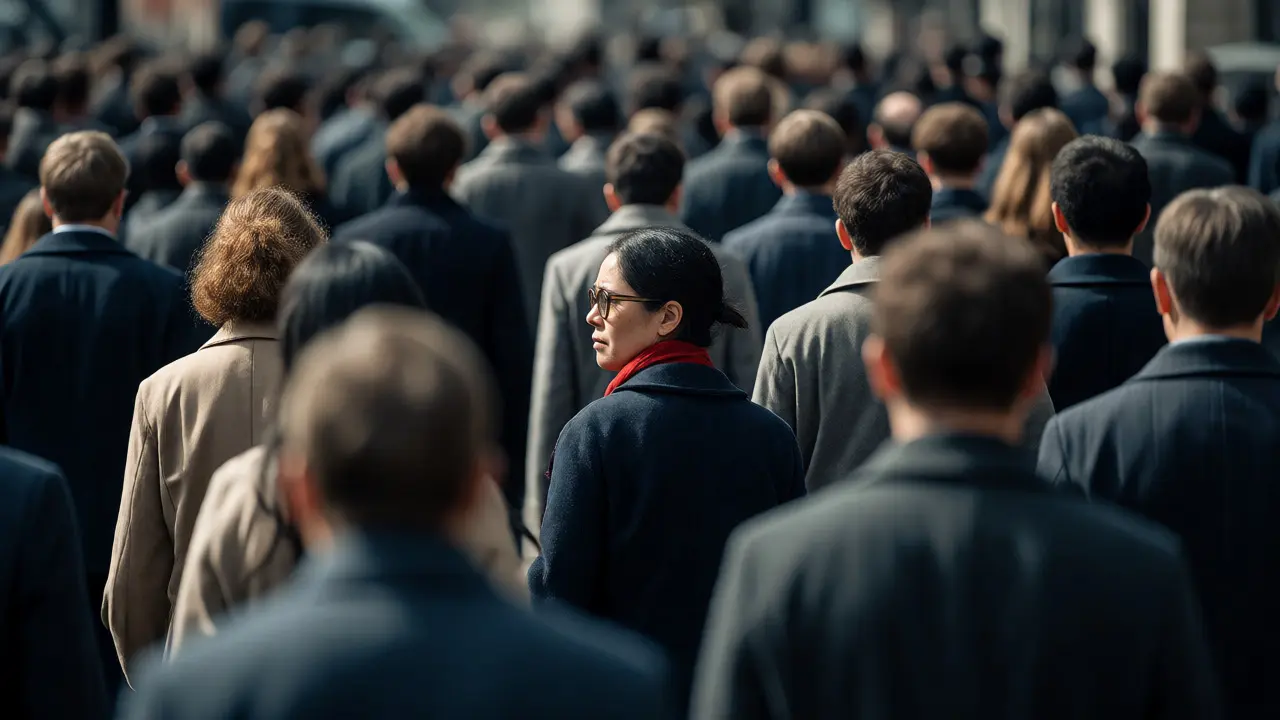
You know that feeling when you walk into a room and instantly scan the crowd? You’re not just looking for faces; you’re decoding uniforms. Who’s wearing the safe navy blazer? Who’s taking a risk with neon sneakers? This isn’t vanity-it’s survival. Fashion psychology is the study of how our clothing choices influence our own behavior, mood, and how others perceive us. It reveals a deep-seated tension we all live with daily: the urge to belong versus the desire to be unique.
We want to fit in because exclusion feels like physical pain to our brains. Yet, we also want to stand out because blending in feels like disappearing. How do we navigate this paradox? Why does wearing a uniform make some people feel empowered while others feel trapped? Let’s unpack the messy, beautiful logic behind what you wear.
The Biology of Belonging
Human beings are social animals. Our ancestors survived by sticking together; being cast out meant death. Today, that primal fear translates into social anxiety about breaking style norms. When you conform to dress codes-whether it’s a corporate office or a trendy coffee shop-you signal safety. You tell the tribe, "I am one of you." This reduces cognitive load for everyone. People don’t have to guess your intentions if you look like them.
Research in social psychology shows that conformity is the act of matching attitudes, beliefs, and behaviors to group norms. In fashion, this often manifests as the "uniform" effect. Think about tech CEOs in black turtlenecks or finance bros in Patagonia vests. These aren’t random choices. They are badges of membership. Wearing them triggers a sense of belonging that lowers stress hormones like cortisol. If you’ve ever felt relief putting on a familiar outfit before a big meeting, that’s biology working its magic.
The Thrill of Distinction
If fitting in were everything, we’d all wear beige sweatpants. But we don’t. We crave distinction. Individuality is the quality or character of a particular person or thing that distinguishes them from others. In dress, this is where creativity meets ego. Standing out signals status, confidence, or rebellion. It says, "I matter enough to be seen."
This drive is rooted in the need for self-expression. Your clothes are an external hard drive for your personality. When you wear a vintage band tee or a hand-painted jacket, you’re broadcasting values without speaking. For many, especially in creative fields or subcultures, non-conformity is actually the new norm. Here lies the first twist in the paradox: trying too hard to be different can become its own form of conformity. If everyone in your friend group wears thrifted denim, wearing new jeans makes you the outlier. So, who are you really dressing for?
Social Identity Theory at Work
To understand why we toggle between these modes, we look to Social Identity Theory, which proposes that a person's sense of who they are is based on their group membership. Developed by Henri Tajfel and John Turner, this framework explains that we categorize ourselves into "in-groups" (us) and "out-groups" (them). Fashion is the primary visual marker of these groups.
Consider the difference between a Silicon Valley startup employee and a Wall Street banker. Their outfits aren’t just fabric; they are ideological statements. The startup worker might wear hoodies to signal innovation and informality (in-group: tech disruptors). The banker wears suits to signal tradition and reliability (in-group: financial stability). Neither is objectively "better," but each choice reinforces their social identity. When you choose an outfit, you are choosing which tribe you want to align with for the next eight hours.
| Driver | Primary Goal | Emotional Outcome | Risk Factor |
|---|---|---|---|
| Conformity | Acceptance & Safety | Calm, Reduced Anxiety | Loss of Self-Expression |
| Individuality | Recognition & Status | Pride, Confidence | Social Judgment / Isolation |
| Hybrid | Balance & Authenticity | Comfort in Skin | Complex Decision Making |
The Enclothed Cognition Effect
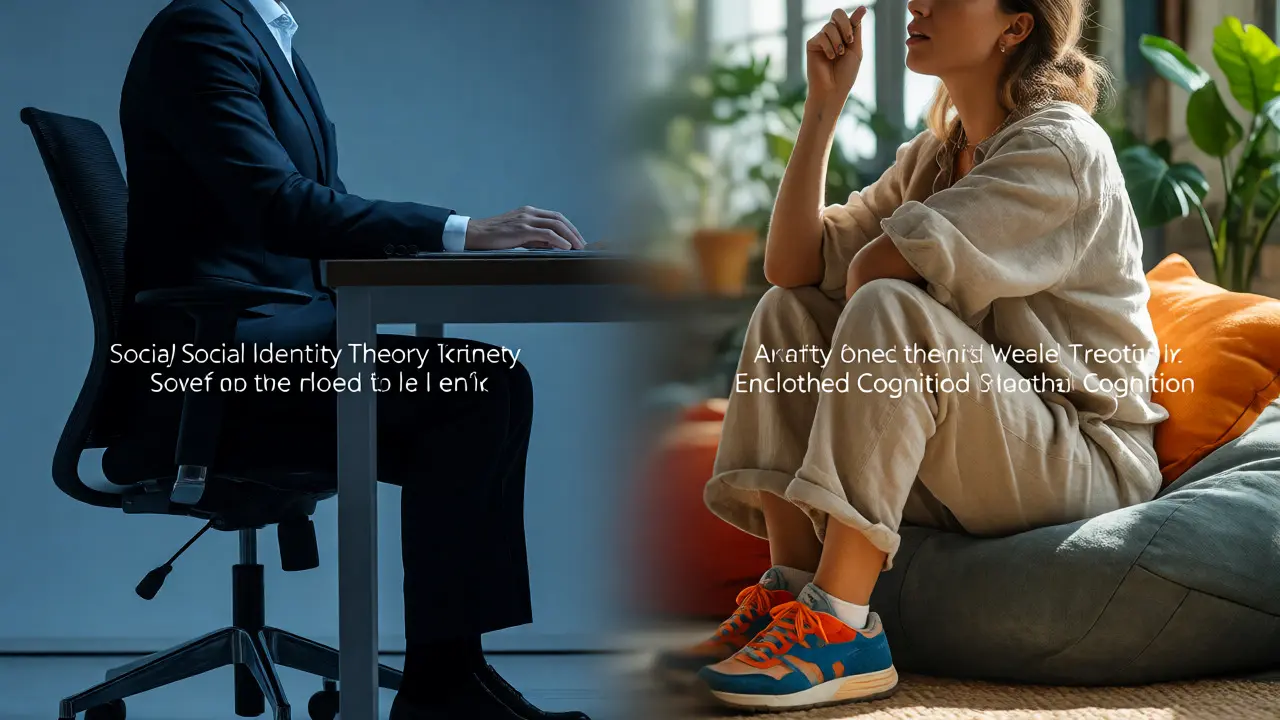
It’s not just about how others see you. What you wear changes how you think. Researchers Hajo Adam and Adam Galinsky coined the term Enclothed Cognition, defined as the systematic influence that clothes have on the wearer's psychological processes. In their famous lab coat experiment, participants who wore a doctor’s white coat performed better on attention tasks than those who simply saw it. Why? Because they associated the coat with carefulness and precision.
You experience this daily. Put on gym clothes, and you’re more likely to exercise. Wear a suit, and you negotiate harder. This means your choice between conformity and individuality isn’t just aesthetic-it’s functional. Do you need the focus of a structured blazer (conformity to professional norms)? Or do you need the creative freedom of loose linen pants (individuality of comfort)? Understanding this helps you curate a wardrobe that serves your mental state, not just your Instagram feed.
Navigating the Gray Area
So, how do you stop agonizing over every outfit? Stop viewing it as binary. Most successful style strategies live in the gray area. This is where you adopt the base layers of conformity-the colors, fits, and fabrics accepted by your environment-and inject individuality through accessories, textures, or styling quirks.
- The Anchor Strategy: Wear standard pieces (jeans, white shirt) but add one distinct item (a bold scarf, unique glasses).
- The Context Switch: Adjust your ratio of conformity to individuality based on the setting. High-stakes meetings might require 80% conformity; weekend brunch allows 50%.
- The Signature Item: Develop one recognizable element that becomes "you," regardless of the rest of the outfit. It could be red lipstick, silver rings, or minimalist watches.
This approach reduces decision fatigue. You’re not constantly rebelling or submitting; you’re negotiating. And negotiation is sustainable. Constant rebellion is exhausting. Constant submission is boring.
When Conformity Becomes Toxic
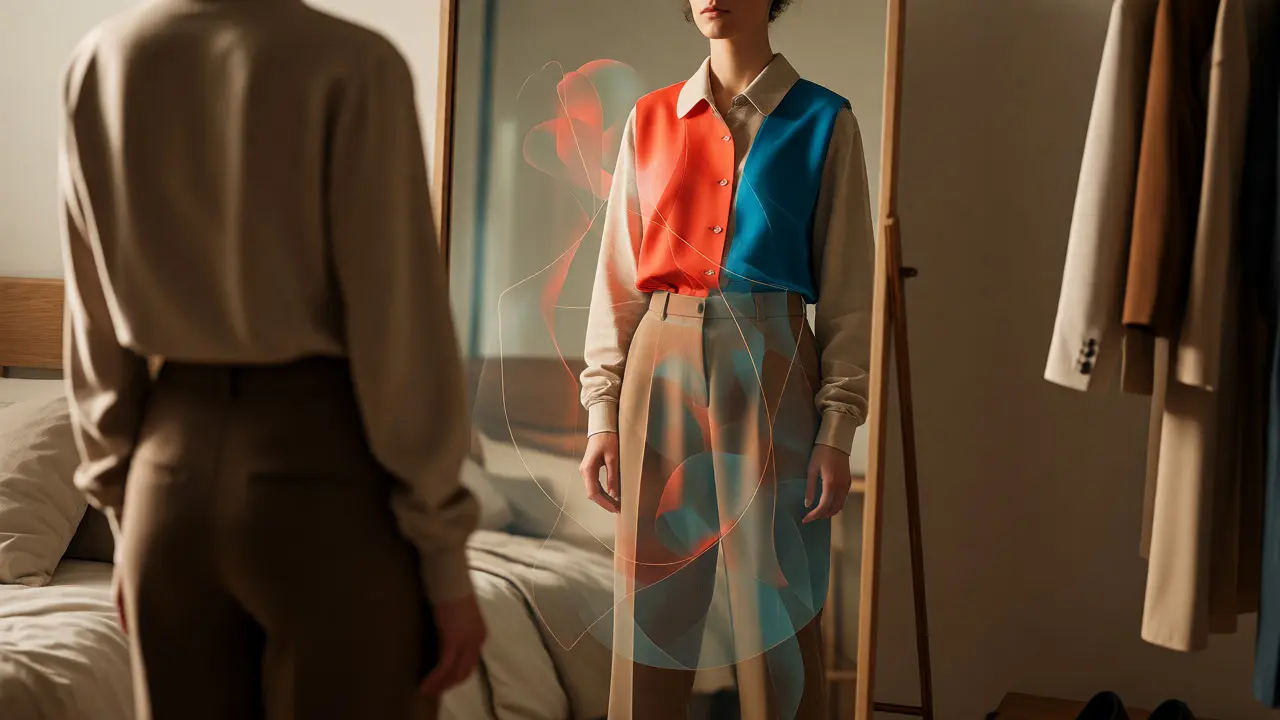
There’s a dark side to fitting in. When the pressure to conform overrides personal comfort or ethics, it leads to dissonance. Have you ever worn something that looked great but made you feel fake? That’s your intuition rejecting forced conformity. In workplaces with rigid dress codes, employees often report lower job satisfaction because they feel their identity is suppressed.
Conversely, toxic individuality exists too. This happens when standing out becomes a compulsion rather than a choice. If you’re buying clothes solely to shock others or to prove you’re "above" trends, you’re still letting the group dictate your actions-just in reverse. True style autonomy comes when you wear what feels right, regardless of whether it impresses or confuses the room.
Practical Steps to Balance Your Wardrobe
Ready to harmonize your closet? Start with an audit. Pull out three outfits: one that makes you feel invisible, one that makes you feel exposed, and one that feels just right. Analyze the elements. Are you hiding in oversized blacks? Are you shouting with loud prints? The "just right" outfit usually combines familiar silhouettes with unexpected details.
Experiment with micro-adjustments. Swap your standard shoes for something slightly edgier. Add a pop of color to a neutral palette. Track how these small shifts affect your confidence and interactions. You’ll quickly learn your sweet spot-the point where you feel both connected to the world and true to yourself.
Is it bad to always follow fashion trends?
Not necessarily. Following trends can be a low-effort way to signal social awareness and belonging. However, if you only wear what is trending, you may struggle to develop a consistent personal style. The key is intentionality: wear trends that align with your body type and lifestyle, not just because they are popular.
How does clothing affect first impressions?
Studies suggest that people form opinions about competence and trustworthiness within seconds of seeing someone. Clothing acts as a heuristic-a mental shortcut. Conforming to context-appropriate dress generally boosts perceived competence. Deviating significantly can either boost perceived creativity or lower perceived reliability, depending on the observer's biases.
Can wearing uncomfortable clothes impact my performance?
Yes. Physical discomfort creates cognitive distraction. If you are constantly adjusting a tight collar or worrying about a short hemline, your brain spends energy on monitoring your body rather than focusing on tasks. Comfortable, well-fitting clothes allow for better concentration and presence.
Why do I feel guilty when I spend money on unique clothes?
This guilt often stems from internalized social norms regarding practicality. Society frequently rewards conformity and frugality. Buying unique items challenges these norms, triggering a fear of judgment or waste. Recognizing that fashion is a form of self-care and expression can help alleviate this guilt.
How can I express individuality in a strict corporate environment?
Focus on subtle variations. Use texture, pattern, or accessories instead of drastic silhouette changes. A high-quality watch, distinctive socks, or a unique bag can signal personality without violating dress codes. These small touches accumulate to create a recognizable personal brand.