

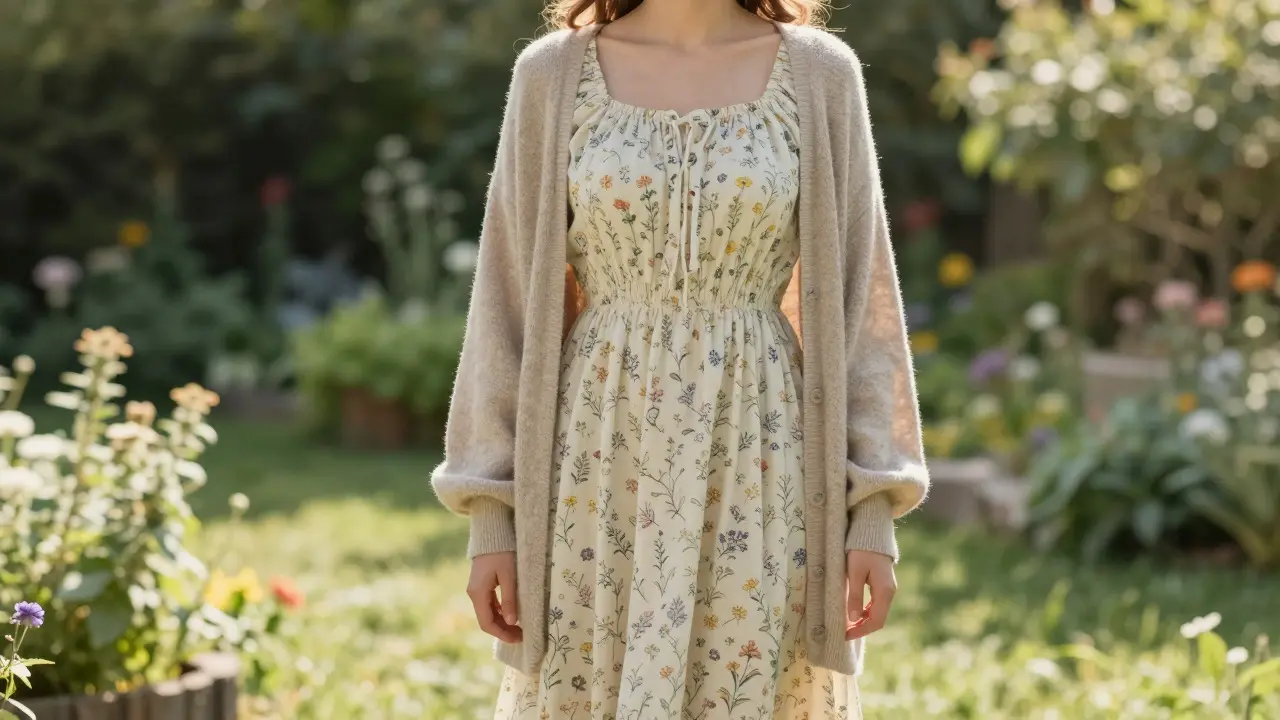
Picture this: you’re standing in your closet, staring at rows of fast-fashion items that feel stiff, synthetic, and completely disconnected from who you are. You want clothes that feel like a warm hug-soft linen dresses, oversized cardigans, and skirts that sway when you walk. That is the essence of cottagecore style. It’s not just about looking like you stepped out of a period drama; it’s about rejecting the cold efficiency of modern life in favor of something tactile, slow, and deeply personal.
In 2026, this aesthetic has evolved from a pandemic-era coping mechanism into a sustained lifestyle choice for people craving connection to nature and tradition. Whether you live in a bustling city apartment or a rural home, building a wardrobe rooted in pastoral prints and natural fabrics allows you to express a desire for simplicity and comfort. This guide will help you curate a look that feels authentic, comfortable, and effortlessly chic without falling into costume territory.
The Core Philosophy Behind Cottagecore Fashion
To wear cottagecore well, you first need to understand what it represents. At its heart, this aesthetic is a romanticized vision of rural life. It draws inspiration from traditional country living, focusing on self-sufficiency, nature, and handmade crafts. When applied to fashion, it means prioritizing garments that look lived-in, practical, and connected to the earth.
This isn’t about high-gloss runways or futuristic materials. It’s about textures you can feel. Think of the roughness of unbleached cotton, the softness of washed wool, and the delicate transparency of lace. The goal is to create an outfit that looks like it belongs in a garden, a bakery, or a quiet library. It rejects the "throwaway" culture of fast fashion by encouraging you to buy fewer, better-quality pieces that age gracefully over time.
Choosing the Right Natural Fabrics
The foundation of any cottagecore wardrobe is the material. Synthetic fabrics like polyester, nylon, and acrylic simply don’t fit the vibe. They trap heat, lack breathability, and often have a shiny, artificial finish that clashes with the muted, organic palette of this style. Instead, you need to focus on fibers that come directly from nature.
Linen is a breathable, durable fabric made from flax plants, known for its relaxed drape and ability to soften with every wash. Linen is arguably the most important fabric in your arsenal. It wrinkles easily, which is actually a feature, not a bug, in this aesthetic. Those creases add character and suggest a life spent outdoors. Look for unlined linen shirts, midi skirts, and wide-leg trousers. In the summer, linen keeps you cool; in the winter, it layers beautifully under sweaters.
Next, consider Organic Cotton is a soft, versatile textile grown without harmful pesticides, offering a matte finish and gentle texture against the skin. Unlike conventional cotton, organic cotton tends to be softer and more environmentally friendly. Seek out calico (unbleached) cotton for tops and dresses. The off-white, beige, or cream colors provide a neutral canvas that pairs perfectly with colorful accessories or bold prints.
Don’t overlook wool and alpaca for cooler months. Chunky knits, cable-knit cardigans, and felted wool hats are staples. These materials provide warmth without bulk, allowing you to layer up while maintaining a silhouette that remains feminine and flowing rather than boxy and rigid.
Mastering Pastoral Prints and Patterns
If natural fabrics are the body of cottagecore fashion, then prints are its soul. The right pattern can instantly transform a basic garment into a statement piece that screams "pastoral dream." However, choosing the wrong print can make you look like you’re wearing a tablecloth. Here is how to navigate the world of patterns effectively.
- Small-Floral Prints: Large, bold florals can sometimes feel too loud or tropical. Cottagecore favors smaller, denser floral motifs. Think wildflowers, chamomile, lavender, or roses scattered across a fabric. These prints mimic the randomness of a real garden, creating a sense of harmony rather than chaos.
- Gingham and Checkered Patterns: Red-and-white or blue-and-white gingham evokes picnic blankets and classic countryside kitchens. This pattern works best in shirts, aprons, or headscarves. It adds a touch of playfulness and nostalgia to an otherwise simple outfit.
- Stripes: Vertical or horizontal stripes in earthy tones like sage green, terracotta, or mustard yellow bring structure to the flowy nature of cottagecore. Striped tea dresses or button-down shirts are versatile pieces that can be dressed up or down.
- Lace and Embroidery: While not a print per se, intricate embroidery along hems, cuffs, and necklines adds a handcrafted feel. Look for details that resemble vines, leaves, or small birds. These touches suggest that care went into making the garment, aligning with the DIY ethos of the aesthetic.
When mixing prints, stick to a cohesive color palette. If your dress has blue flowers, pair it with a denim jacket or a navy cardigan. Avoid clashing bright neon colors, as they disrupt the serene, muted atmosphere cottagecore aims to create.
Essential Silhouettes for a Cozy Aesthetic Wardrobe
The cut of your clothing matters just as much as the fabric and print. Cottagecore silhouettes are generally loose, flowing, and forgiving. They prioritize movement and comfort over tight fitting or body-conscious shapes. Here are the key items you should aim to build your wardrobe around.
- The Midi Dress: A knee-length or mid-calf dress is the cornerstone of this style. Look for styles with puff sleeves, square necklines, or tie-waists. Empire waists also work well, echoing historical fashion trends. These dresses are perfect for gardening, reading outside, or casual brunches.
- Oversized Cardigans: Layering is essential. An oversized cardigan in oatmeal, cream, or soft pink adds instant coziness. It drapes loosely over shoulders and hips, creating a silhouette that feels protective and warm. Button it up for a tunic look or leave it open over a slip dress.
- Pinafore and Dungaree Dresses: Denim or corduroy pinafores worn over blouses or turtlenecks give a rustic, hardworking vibe. This look bridges the gap between feminine and practical, ideal for those who want to embrace the "farm girl" aspect of the aesthetic.
- Wide-Leg Trousers: For days when you don’t want to wear a skirt, opt for high-waisted, wide-leg pants made of linen or cotton. They allow for airflow and movement, pairing beautifully with cropped tops or tucked-in blouses.
- Headwear: Headscarves, bonnets, or simple berets can complete the look. A silk scarf tied loosely around the head or neck adds a touch of elegance and protects hair from the sun. It’s a subtle nod to vintage styles without being overly theatrical.
Building a Sustainable and Ethical Closet
Cottagecore and sustainability go hand in hand. The aesthetic inherently values longevity, repair, and respect for resources. Building a wardrobe in this style offers a perfect opportunity to reduce your environmental footprint. Fast fashion is the antithesis of cottagecore; it relies on cheap labor, synthetic materials, and rapid disposal.
To truly embody this style, shift your shopping habits. Start by auditing your current closet. Do you have any vintage pieces? Old family heirlooms? Thrift stores are goldmines for cottagecore finds. You can often discover unique linen dresses, embroidered blouses, and wool coats at a fraction of the retail price. Buying secondhand ensures that your clothes have a history, adding to the nostalgic charm of the aesthetic.
When buying new, look for brands that prioritize ethical manufacturing and natural materials. Support small businesses and artisans who use local fabrics and traditional techniques. Investing in higher-quality items means they will last longer, reducing waste. Learn basic mending skills like darning socks or sewing buttons. Visible repairs, such as sashiko stitching, can even become part of the aesthetic, celebrating the life of the garment.
| Fabric Type | Origin | Best Use Case | Sustainability Factor |
|---|---|---|---|
| Linen | Flax Plant | Summer dresses, shirts, trousers | High (low water usage, biodegradable) |
| Organic Cotton | Cotton Plant | T-shirts, skirts, underwear | Medium-High (no pesticides, softer) |
| Wool/Alpaca | Sheep/Alpaca | Knitwear, coats, hats | High (renewable, long-lasting) |
| Polyester | Petroleum | Avoid if possible | Low (microplastics, non-biodegradable) |
Accessories That Complete the Look
Your outfit isn’t complete without the right accessories. In cottagecore, accessories should feel functional yet beautiful. Think of items you might carry while walking through a meadow or working in a kitchen.
Leather sandals or Mary Janes are footwear staples. Opt for brown or tan leather that shows signs of wear. Canvas sneakers in white or earth tones also work well for a more casual, modern twist. Avoid sleek, black patent leather or high-heeled stilettos, as they feel too urban and formal.
Bags should be woven, canvas, or leather. A wicker basket bag is iconic for this aesthetic, perfect for carrying groceries, books, or flowers. Tote bags made of canvas with embroidered designs add a personal touch. Jewelry should be minimal and natural. Consider pieces made of wood, stone, pearl, or brass. Delicate chains with leaf charms or simple hoop earrings complement the softness of the fabrics without overpowering them.
Adapting Cottagecore to Your Lifestyle
You don’t need to move to a farmhouse to pull off this look. City dwellers can adapt cottagecore by focusing on the feeling rather than the literal setting. Incorporate elements slowly. Start with one natural fabric item, like a linen shirt, and pair it with your existing jeans. Gradually add more pieces as you find what makes you feel comfortable and confident.
Mix cottagecore with other styles to keep it fresh. Pair a floral dress with a leather jacket for an edgier contrast. Combine a knit cardigan with tailored trousers for a smarter, office-appropriate look. The key is to maintain the core principles of comfort, natural materials, and a connection to nature, regardless of where you live or what you do.
Ultimately, cottagecore is about slowing down. It’s about taking time to choose clothes that make you feel good, caring for them properly, and enjoying the process of dressing yourself. It’s a rebellion against the rush of modern life, wrapped in soft linen and adorned with wildflowers. By embracing this aesthetic, you’re not just changing your wardrobe; you’re cultivating a mindset of mindfulness, sustainability, and joy in the simple things.
Is cottagecore only for women?
No, cottagecore is not limited to any gender. While many images online feature feminine silhouettes, the core principles apply to everyone. Men and non-binary individuals can embrace cottagecore through linen shirts, wool sweaters, corduroy trousers, and earth-tone palettes. The focus is on natural materials, comfort, and a connection to nature, which are universal preferences.
How do I style cottagecore for a professional workplace?
To adapt cottagecore for work, focus on structured pieces in natural fabrics. Choose a high-quality linen blazer, a silk blouse with subtle embroidery, or a midi skirt in a solid earth tone. Avoid overly frilly or distressed items. Keep accessories minimal and polished, such as leather loafers and a structured tote bag. This approach maintains the aesthetic's elegance while meeting professional standards.
Where can I find affordable cottagecore clothing?
Thrift stores, consignment shops, and online resale platforms like Depop or Poshmark are excellent sources for affordable cottagecore items. Look for vintage floral dresses, linen shirts, and wool cardigans. Additionally, some fast-fashion retailers offer occasional collections with natural fabrics and pastoral prints, though quality may vary. Prioritize secondhand options for better value and sustainability.
Can I mix cottagecore with other aesthetics?
Absolutely. Mixing aesthetics creates a unique personal style. You can combine cottagecore with grunge by adding a leather jacket or combat boots. Pair it with minimalist style by sticking to neutral colors and clean lines. The key is to ensure the natural fabrics and comfortable fits remain central, allowing the other elements to act as accents rather than dominating the look.
What colors are typical in cottagecore fashion?
Cottagecore favors a muted, earthy palette. Common colors include sage green, dusty rose, cream, beige, terracotta, mustard yellow, and soft blues. These shades reflect the natural environment-plants, soil, sky, and flowers. Bright neons and harsh blacks are generally avoided, as they disrupt the serene and organic feel of the aesthetic.