

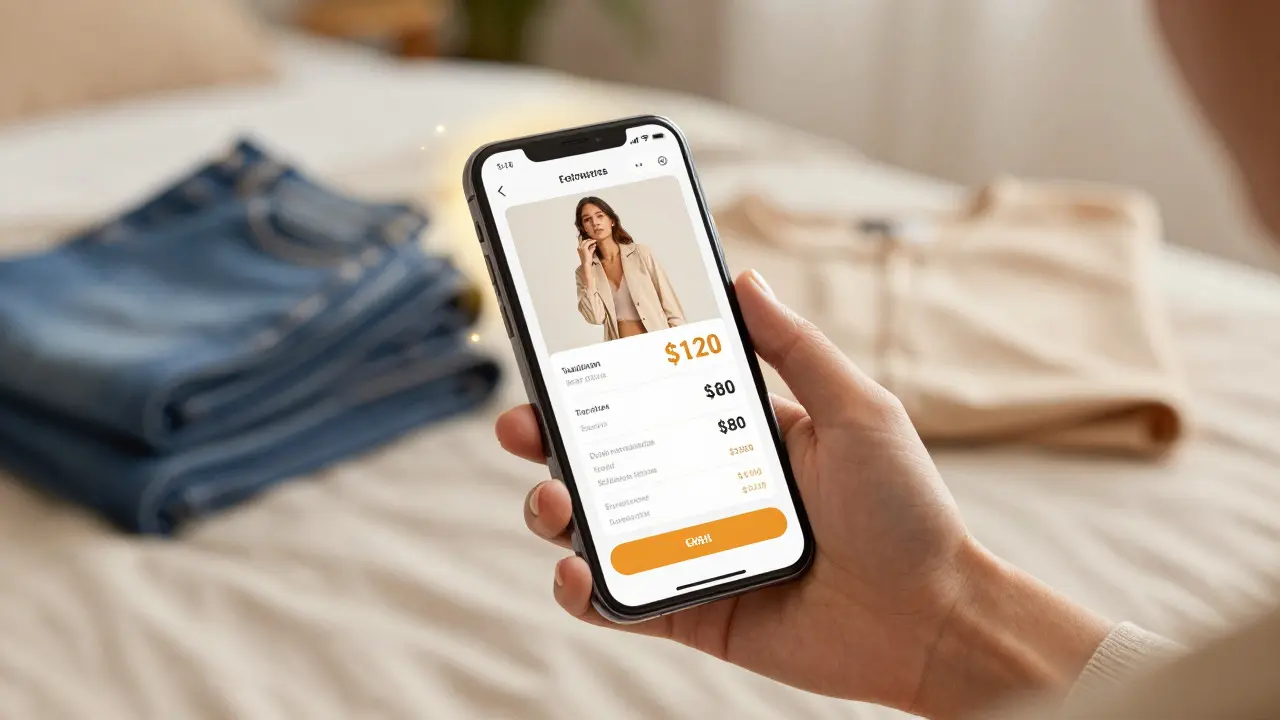
You stare at the checkout page. The total is $120 for a pair of jeans and a blouse you’ve been eyeing for weeks. You have a 15% off code in your inbox, but something tells you that’s not the best deal you can get. What if I told you that same outfit could cost you closer to $80? It sounds like magic, but it’s actually just math-and strategy.
Most shoppers stop at the first discount they find. They apply one coupon and click 'Buy.' But savvy consumers know that saving money isn’t about finding *a* discount; it’s about layering them. This practice, known as coupon stacking is the strategic combination of multiple discount methods on a single transaction. When you pair this with cash-back rewards, which are rebates returned to you after purchase through specific platforms or credit cards, you create a powerful financial engine that works while you sleep.
In today’s retail landscape, especially in fast-paced markets like New York where fashion trends shift weekly, knowing how to stack these benefits can save hundreds of dollars a year. Let’s break down exactly how to do it without getting banned from your favorite stores or missing out on returns.
The Mechanics of Coupon Stacking
Before you start hunting for codes, you need to understand what "stacking" actually means in the context of e-commerce. Most people think it means using two promo codes at once. Rarely does that work. True stacking involves combining different *types* of discounts that exist in separate layers of the payment process.
Think of your purchase like a sandwich. The base is the item price. The first layer is site-wide promotions (like "Summer Sale"). The second layer is personal coupons (email sign-up codes). The third layer is browser extensions or affiliate links. The final layer is the payment method itself. If you hit every layer, you’re stacking.
- Site-Wide Promotions: These are automatic discounts applied by the retailer, such as seasonal sales or clearance events. You don’t need a code for these; they happen when you add items to your cart during specific windows.
- Personal Coupons: These require action from you. Examples include welcome emails, birthday discounts, or loyalty program points. These usually sit in the "Promo Code" box at checkout.
- Affiliate & Browser Extensions: Tools like Honey, Rakuten, or Capital One Shopping automatically search for working codes and apply the best one. They also often trigger cash-back offers.
- Payment Method Rewards: This includes credit card points, debit card rebates, or bank-specific promos (e.g., Chase Offers).
The key rule here is compatibility. A store might allow a site-wide sale plus a personal coupon, but rarely two personal coupons. Your job is to identify which layers the retailer allows to overlap.
Cash-Back: The Hidden Layer of Savings
If coupons reduce the price upfront, cash-back gives you money back later. It’s easy to overlook because the reward doesn’t appear until weeks after the purchase. However, ignoring cash-back is like leaving free money on the table.
Cash-back typically comes from three sources:
- Retailer Programs: Many fashion brands now offer their own cash-back portals. For example, signing up for a brand’s newsletter might give you 10% back on your next order in store credit.
- Third-Party Portals: Sites like Rakuten, TopCashback, or Ibotta partner with thousands of retailers. You click through their link before shopping, and they pay you a percentage of the sale price. In 2026, some fashion portals offer up to 15% cash-back during special events.
- Credit Cards: A flat-rate card giving 2% cash-back on all purchases adds up quickly. If you spend $1,000 on clothes annually, that’s $20 free. Some cards offer higher rates (5%) for specific categories like online shopping or department stores.
The beauty of cash-back is that it almost always stacks with coupons. Why? Because the cash-back provider pays you out of their marketing budget, not the retailer’s immediate profit margin. As long as the retailer accepts the coupon, the portal still tracks the sale and pays you.
Step-by-Step: How to Stack Like a Pro
Ready to try it? Here is a practical workflow you can use for your next fashion haul. Let’s say you want to buy a $100 dress from a mid-range online retailer.
| Step | Action | Discount Type | Savings |
|---|---|---|---|
| 1 | Check for site-wide sales | Promotion | $10 off (10% off sale) |
| 2 | Apply email welcome code | Coupon | $5 off additional 5% |
| 3 | Use browser extension | Automation | Finds better code ($7 off) |
| 4 | Click through cash-back portal | Rebate | $8 cash-back (8%) |
| 5 | Pay with cash-back credit card | Payment Reward | $2 cash-back (2%) |
| Total | Effective Cost | $68 instead of $100 | |
Notice how each step builds on the last. The site-wide sale lowers the base price. The coupon applies to the new lower price. The cash-back portal calculates its rebate based on the final paid amount (or sometimes the original amount, depending on the terms). The credit card reward is independent of everything else.
Pro tip: Always check the fine print on cash-back portals. Some exclude orders placed with certain coupons. If the portal says "excludes promo codes," skip the coupon and take the higher cash-back rate instead. Do the math: Is 10% cash-back better than a 15% off coupon? Usually, yes, because cash-back is real cash, while coupons are often temporary discounts.

Common Pitfalls to Avoid
Stacking isn’t risk-free. Retailers track unusual purchasing patterns, and some have strict rules against abuse. Here’s how to stay safe.
- Don’t Double-Dip on Exclusive Codes: If a code says "exclusive to members only," it likely won’t stack with other member perks. Try applying both, but be prepared for one to fail.
- Beware of Price Matching Loopholes: Some stores offer price matching if you find a cheaper price elsewhere. Combining this with a coupon can sometimes trigger a fraud alert. Use discretion.
- Watch Return Policies: If you return an item bought with a stacked discount, you’ll only get back what you paid. If you used a 50% off coupon, you lose half the value. Keep receipts and track which codes were used for which items.
- Cookie Tracking Issues: Cash-back portals rely on cookies. If you clear your browser history or switch devices after clicking the portal link but before checking out, you might lose the tracking. Use incognito mode carefully.
Another mistake? Chasing small savings on low-value items. Spending 20 minutes to save $2 on a t-shirt isn’t worth your time. Focus your stacking efforts on high-ticket items like coats, shoes, or handbags, where percentages translate into significant dollar amounts.
Tools That Make Stacking Easier
You don’t need to be a spreadsheet wizard to stack effectively. Several tools automate the process for you.
Honey is a browser extension that automatically tests coupon codes at checkout. It’s free and widely used. While it doesn’t directly offer cash-back, it ensures you’re using the best available code.
Rakuten is a cash-back platform that partners with thousands of retailers. You activate offers before shopping, and they send you quarterly checks or PayPal payments. In 2026, Rakuten frequently boosts cash-back rates for major fashion retailers during holiday seasons.
Capital One Shopping is another free tool that finds deals and cash-back opportunities. It integrates directly into your browser and compares prices across sites.
For credit cards, look for ones with no annual fee and high rotating category bonuses. Cards like the Citi Double Cash or Discover it Cash Back offer straightforward rewards without complex point systems.

When Stacking Doesn’t Work
Not every retailer plays nice. Luxury brands, for instance, rarely allow coupon stacking. They protect their brand image by keeping prices consistent. If you’re buying from Gucci or Prada, forget the coupons. Focus instead on credit card rewards and potential end-of-season sales.
Fast fashion giants like Zara or H&M often have simple pricing structures. Their discounts are usually site-wide and non-stackable. In these cases, timing is everything. Shop during major sales events (Black Friday, End of Season) rather than trying to hack the system with codes.
Also, remember that some cash-back portals exclude certain product categories. Electronics and gift cards are common exclusions. Always read the terms before assuming a deal exists.
Final Thoughts on Smart Shopping
Coupon stacking and cash-back aren’t just about saving money-they’re about taking control of your spending. In a world where inflation affects clothing prices, these strategies help you stretch your budget further without sacrificing style.
Start small. Pick one retailer you love and test the waters. Apply a coupon, then check if a cash-back portal works. See how much you save. Once you see the results, you’ll naturally expand your habits to other stores.
Remember, the goal isn’t to become obsessed with discounts. It’s to shop smarter so you can afford the things you truly want. Whether you’re updating your wardrobe for the fall season or treating yourself to a new pair of sneakers, these techniques ensure you keep more money in your pocket.
Can I use two promo codes at the same time?
Rarely. Most online retailers only allow one promo code per transaction. However, you can often combine a promo code with site-wide sales, loyalty points, or cash-back offers. Always test combinations at checkout to see what sticks.
Does cash-back work if I use a coupon?
Yes, in most cases. Cash-back portals track the final sale price. Even if you use a coupon, the portal sees the transaction and pays you a percentage. Check the portal’s terms for exclusions, but generally, stacking is allowed.
What is the best browser extension for finding coupons?
Honey and Capital One Shopping are top choices. They automatically scan for working codes and apply the best one. Rakuten is also excellent if you prioritize cash-back over coupon discovery.
How do I avoid losing cash-back due to technical issues?
Keep your browser cookies enabled. Don’t clear your history between clicking the cash-back link and completing the purchase. Use the same device and browser throughout the process. If possible, bookmark the portal’s landing page for quick access.
Is coupon stacking worth the effort for small purchases?
Probably not. For items under $20, the time spent searching for codes may outweigh the savings. Focus your energy on larger purchases like outerwear, shoes, or accessories, where percentages result in meaningful dollar amounts.