

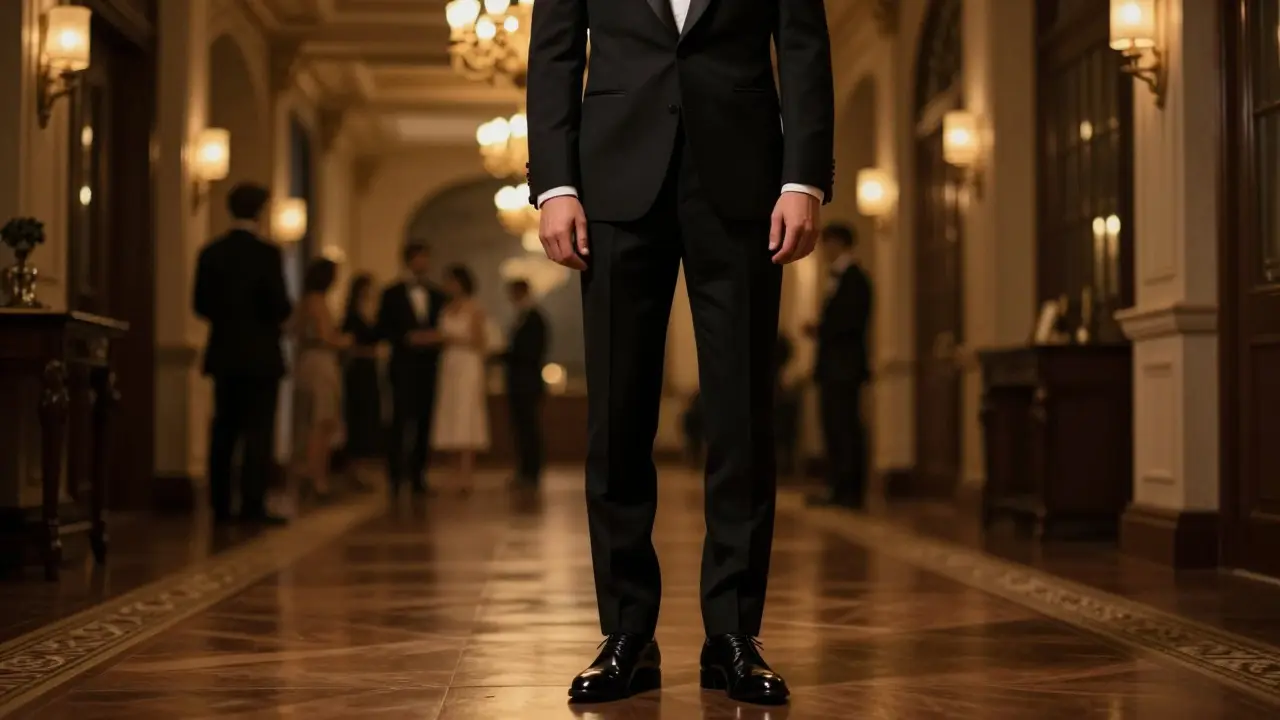
There is a specific kind of panic that sets in when you see "Black Tie" on an invitation. For years, we were told it means one thing: rent a tuxedo, wear a bow tie, and disappear into the crowd. But the world of formal dressing has shifted. The rigid uniformity of the past is cracking under the weight of personal expression. You can still look sharp, respectful, and appropriate while showing who you actually are. This is where creative black tie comes in.
Creative black tie isn't about breaking the rules for the sake of chaos. It’s about understanding the foundation so well that you know exactly which bricks you can swap out without the whole structure collapsing. It is the art of wearing a suit that whispers your name rather than shouting it. If you want to stand out at a gala, wedding, or awards ceremony without looking like you got dressed in the dark, you need to master the balance between tradition and flair.
The Foundation: What Black Tie Actually Means
Before you start thinking about velvet lapels or silk pocket squares, you have to understand the baseline. Traditional black tie is a strict code. It requires a black dinner jacket (tuxedo) with satin or grosgrain lapels, matching trousers with a single satin stripe, a crisp white dress shirt, a black bow tie, and black patent leather shoes. That is the canvas. If you ignore this base, you aren't being creative; you're just being wrong.
Think of traditional black tie as a classic car. It’s reliable, recognizable, and safe. Creative black tie is putting custom rims on that car. The engine is still the same, but now it catches the light differently. When you deviate from the standard, every other element must be tighter than usual. If you choose a bold shirt, your jacket needs to be impeccably tailored. If you go wild with accessories, your fit must be perfect. This is the golden rule of formal styling: risk in one area demands precision in another.
Tailoring: The Non-Negotiable Variable
You can buy the most expensive tuxedo off the rack, but if it doesn’t fit your body, it will look cheap. Tailoring is the secret weapon of creative black tie because it allows you to customize the silhouette without changing the fabric. A standard off-the-rack jacket might hang loosely around the shoulders or bunch up at the waist. A tailor can take inches off the sides, taper the legs of your trousers, and shorten the sleeves so they hit right at the wrist bone.
In New York, where I spend half my life navigating subway stations and cocktail parties, I’ve seen countless men ruin great outfits with bad fits. They think the brand matters more than the cut. It doesn’t. A $500 tuxedo tailored to your measurements looks better than a $3,000 one that swallows you whole. Focus on these three areas:
- Shoulders: The seam should end exactly where your shoulder bone ends. No padding hanging over, no pulling across the back.
- Waist Suppression: The jacket should skim your torso, not cling to it like a second skin. There should be a slight V-shape created by the buttoning.
- Trousers Break: Your pants should rest gently on the top of your shoe. A tiny break is fine, but pooling fabric at the ankle looks sloppy and shortens your legs.
Fabric and Texture: Adding Depth Without Color
Once the fit is sorted, you can play with texture. This is the safest way to introduce creativity because it respects the monochromatic nature of black tie. Instead of shiny polyester blends, look for natural fibers that react differently to light. Wool is the standard, but consider wool-silk blends or high-twist wools that have a subtle sheen. These fabrics drape better and feel lighter against the skin, which matters when you’re dancing until midnight.
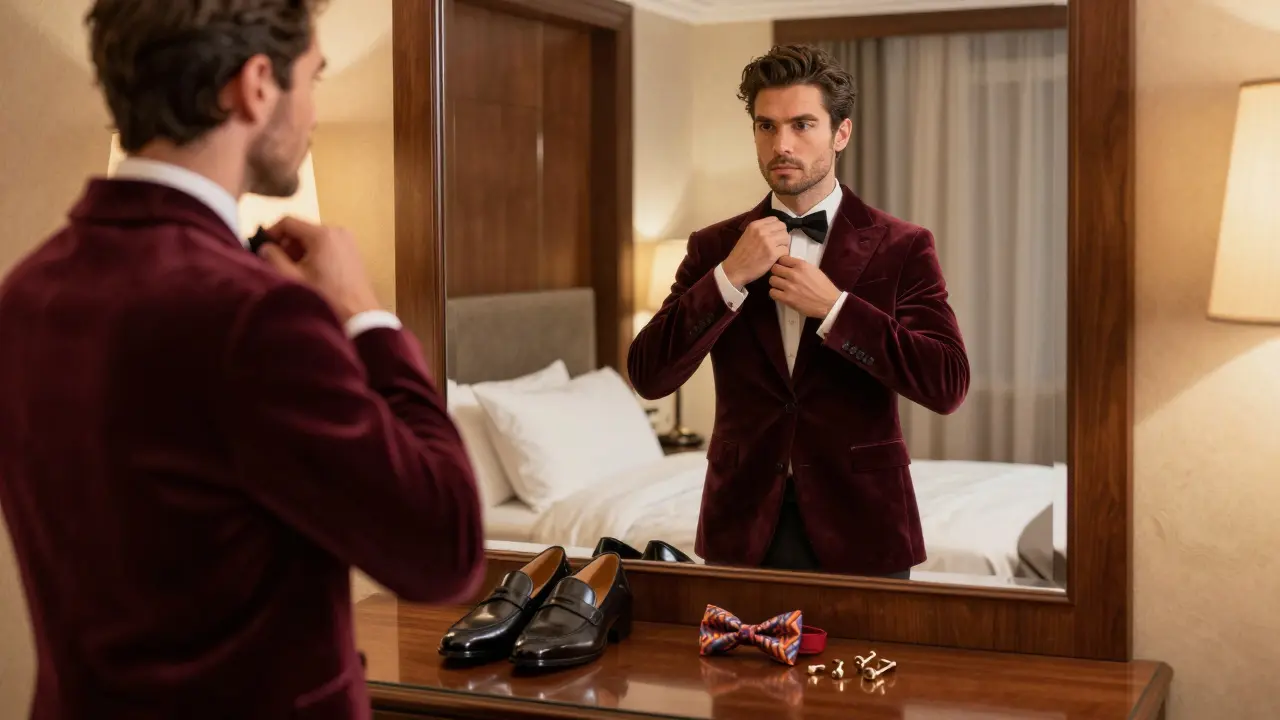
Velvet is another excellent option for the jacket. A deep navy or burgundy velvet dinner jacket instantly elevates the look from standard to sophisticated. It adds warmth and richness, especially in colder months. Just remember: if the jacket is textured, keep the rest simple. Pair a velvet jacket with plain black trousers and a matte black bow tie. Let the fabric do the talking. Avoid loud patterns or contrasting colors unless you are certain the event encourages it. Most galas and weddings prefer understated elegance over theatrical costumes.
The Shirt: Where Personality Hides
The shirt is often overlooked, but it sits right next to your face. While a plain white turndown collar is always acceptable, you can introduce character through details. Look for shirts with pleated fronts instead of flat ones. Pleats add vertical lines that draw the eye upward and create a sense of movement. Pique bibs-those small, textured panels on the chest-are another nod to tradition that feels slightly more vintage and refined.
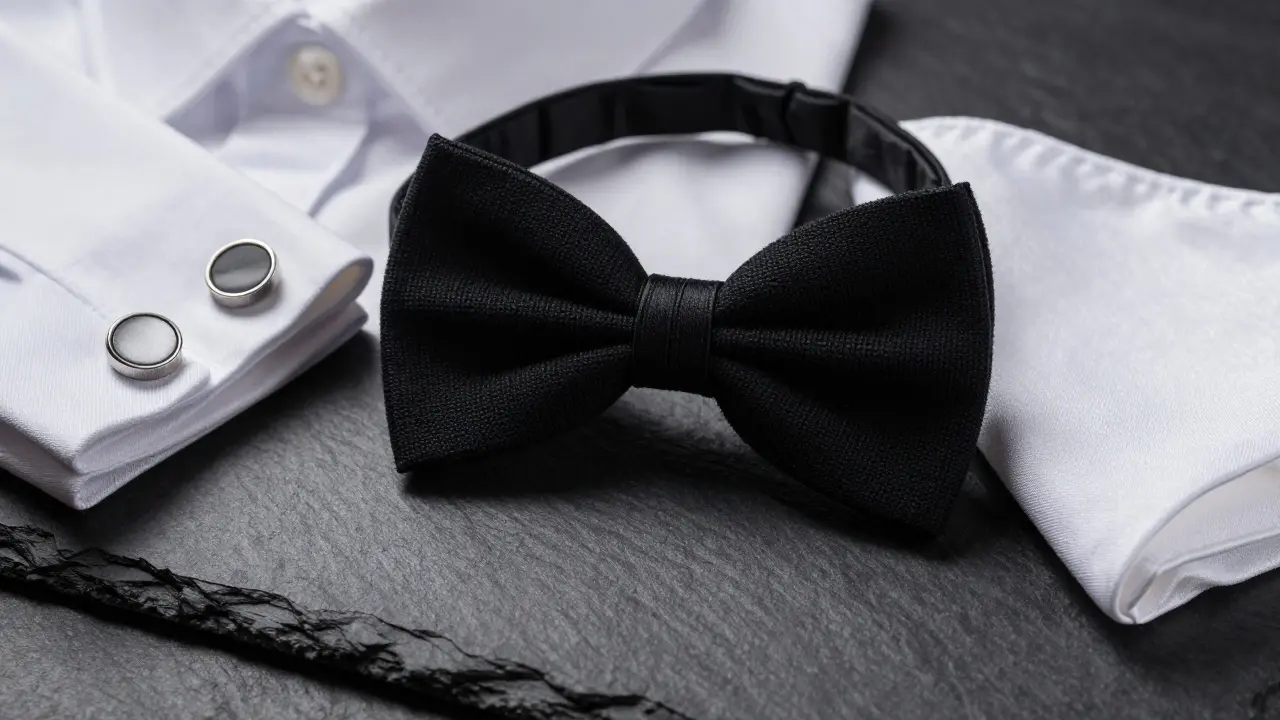
Cuffs matter too. French cuffs with studs allow you to show off a bit of jewelry. Silver or gold studs can match your watch or cufflinks, creating a cohesive metallic accent. However, avoid anything too large or flashy. Small, discreet studs are enough. Also, consider the collar style. A wingtip collar is very traditional and pairs well with a bow tie, but a standard turndown collar is more versatile and easier to pull off if you’re not used to formal wear. Stick to white or ivory. Colored shirts belong in business casual, not black tie.
Accessories: The Final Layer of Expression
This is where most people go wrong. They think accessories are optional extras. In creative black tie, they are essential tools. Your bow tie, pocket square, and shoes complete the story. Let’s break them down.
| Item | Safe Choice | Creative Twist | Risk Level |
|---|---|---|---|
| Bow Tie | Black Silk Satin | Knit Cotton or Velvet | Low |
| Pocket Square | White Linen (Presidential Fold) | Silk with Subtle Pattern (Puff Fold) | Medium |
| Shoes | Black Patent Leather Oxfords | High-Shine Calfskin Loafers | Low |
| Cufflinks | Simple Silver Bars | Onyx or Enamel Designs | Low |
A knit cotton bow tie is a fantastic alternative to silk. It has a matte finish that looks incredibly modern and relaxed, yet it remains perfectly formal. It also stays tied better than slippery silk. For the pocket square, never match it exactly to your bow tie. That looks like a costume. Instead, pick a color that complements it. If your bow tie is black, a white linen square with a hint of gray edge works beautifully. Use the puff fold-it’s softer and less rigid than the straight presidential fold.
Shoes are the final touch. Patent leather is the classic choice, but it can look plastic-y if it’s low quality. High-shine calfskin oxfords or even sleek loafers (if the event is slightly less formal) offer a more luxurious feel. Make sure they are polished. Scuffed shoes destroy the illusion of effortlessness. And please, no socks that show when you sit down. Wear long, thin dress socks that match your trousers, or go sockless if you’re wearing loafers and the weather permits.
Common Pitfalls to Avoid
Even with good intentions, it’s easy to slip into territory that looks unintentional. Here are the biggest mistakes I see at events:
- Wearing a necktie: Black tie means a bow tie. A long tie is for business suits. If you can’t tie a bow tie, practice. It takes five minutes to learn, and there are plenty of tutorials online. Or buy a pre-tied one that looks realistic.
- Over-accessorizing: Don’t wear a chain, a bracelet, a ring, AND fancy cufflinks. Pick one focal point. If your cufflinks are bold, keep the rest minimal. Less is more.
- Ignoring the venue: A rooftop summer wedding allows for lighter fabrics and maybe a colored cummerbund. A winter ballroom gala demands heavier wools and darker tones. Read the room before you dress.
- Trying too hard: If you feel uncomfortable in what you’re wearing, it shows. Confidence is part of the outfit. Choose pieces that make you feel powerful, not exposed.
Building Your Creative Black Tie Wardrobe
You don’t need ten different tuxedos. You need one great foundation and a few interchangeable pieces. Start with a well-fitted black tuxedo jacket and trousers. Invest in two shirts: one plain white with a turndown collar, and one with a pleated front and French cuffs. Then, build your accessory box.
Buy three bow ties: one black silk, one black knit cotton, and one in a dark patterned silk (like a subtle paisley). Get two pocket squares: one white linen, one silk with a muted tone. Add a set of silver cufflinks and a pair of black patent shoes. With this core collection, you can create dozens of different looks depending on the occasion. Swap the bow tie for a change in mood. Change the pocket square for a pop of personality. Adjust the shirt for a shift in formality.
Remember, style is not about following trends. It’s about curating a version of yourself that feels authentic. Creative black tie gives you the freedom to do that within a framework that commands respect. You walk into the room, and people notice you not because you’re loud, but because you’re put together. That is the power of mastering the constraints.
Can I wear a colored tuxedo for black tie?
Generally, no. Traditional black tie requires a black jacket. However, some modern interpretations allow for midnight blue or very dark charcoal, especially in evening settings. Bright colors like red or green are inappropriate for standard black tie events. If you want color, introduce it through accessories like a pocket square or a patterned bow tie instead.
Is a cummerbund necessary for creative black tie?
No, a cummerbund is optional. In fact, many modern stylists recommend skipping it for a cleaner, more contemporary look. If you wear a waistcoat (vest) instead, you don’t need a cummerbund. If you wear neither, ensure your shirt is tucked in neatly and your jacket buttons properly to hide your belt or suspenders.
What shoes should I avoid with a tuxedo?
Avoid brown shoes, sneakers, boots, or any casual footwear. Brown leather clashes with the black satin elements of a tuxedo. Stick to black patent leather oxfords, opera pumps, or high-shine calfskin shoes. If you opt for loafers, they must be sleek, black, and worn with no-show socks or bare ankles in warm weather.
How do I tie a bow tie correctly?
Start with the wide end on your dominant side. Cross the narrow end over the wide end, then bring the wide end up and around. Pull it through the loop at the front, tighten gently, and adjust the knot so it sits centered and symmetrical. Practice in front of a mirror. A neat, tight knot looks intentional; a loose, lopsided one looks careless.
Can I wear a creative black tie look to a wedding?
Yes, but check the invitation first. If it says "Black Tie," you are expected to adhere to the code, but subtle creativity is welcomed. Avoid white outfits (reserved for the groom) and overly flashy designs that distract from the couple. Stick to elegant twists like a velvet jacket or a patterned pocket square. When in doubt, lean towards conservative.