


Why Dress Codes on Invitations Feel Like a Puzzle
You got the invitation. It looks elegant. The RSVP deadline is in three days. But when you read the dress code-festive attire-you freeze. Is that a sequin dress? A velvet blazer? Or just your nice jeans with a sparkly top? And what does garden attire even mean? Is it floral prints? Barefoot? A hat? You’re not alone. Most people guess wrong, show up underdressed, or overdressed, and end up feeling out of place.
Dress codes aren’t arbitrary. They’re shorthand for a specific vibe, setting, and expectation. And if you’re trying to match the tone of the event without asking for clarification, you need to decode them correctly. Let’s break down the two most confusing ones: festive and garden attire.
Festive Attire: It’s Not Just ‘Holiday’
"Festive" shows up on invitations during the holidays, but also at birthday parties, anniversary dinners, or even New Year’s Eve galas. It’s not the same as "black tie" or "cocktail." It’s more relaxed than formal, but more dressed up than casual.
Think of it as "celebration-ready." The key is texture, color, and a touch of shine-not total glamour. A woman might wear a deep red silk blouse with tailored trousers and statement earrings. Or a knee-length wrap dress in emerald green with a faux fur stole. Men might skip the tuxedo but choose a navy suit with a patterned tie or a textured knit sweater under a blazer.
What to avoid: sweatpants, sneakers, plain white T-shirts, or anything that looks like you rolled out of bed. Also, don’t go full Christmas tree. One sparkly element is enough. A sequin skirt? Pair it with a simple black top. A metallic jacket? Wear it over neutral pants.
Real-world example: A friend hosted a 40th birthday party at a rooftop bar in Chicago. The invite said "festive attire." Half the guests showed up in sequins and tiaras. The other half wore business casual. The host smiled politely. The people who nailed it? A woman in a burgundy wool dress with gold cufflinks, and a man in a charcoal suit with a deep green pocket square. They looked like they belonged.
Garden Attire: Less Flower Crown, More Effortless Elegance
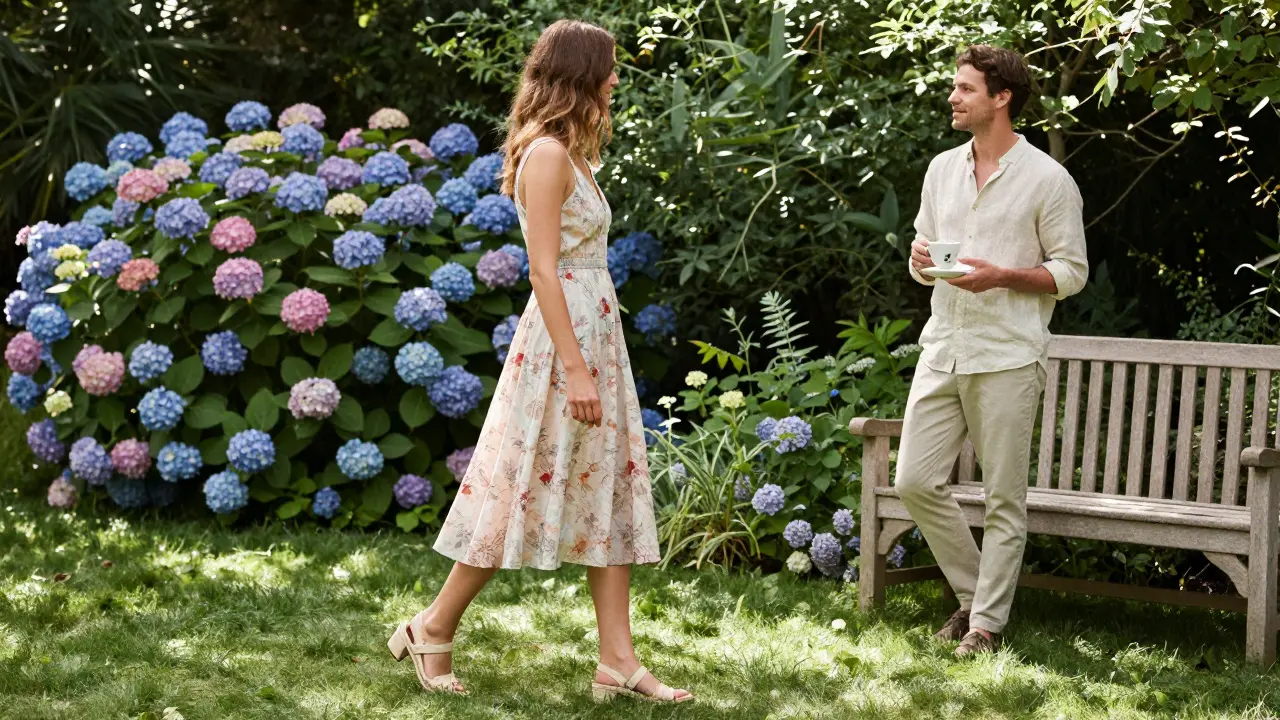
"Garden attire" sounds like it should be all about flowers, lace, and sunhats. But it’s not a costume. It’s about blending into a natural, open-air setting while still looking intentional. Think weddings, afternoon teas, or summer fundraisers at botanical gardens.
The rules are simple: light fabrics, soft colors, and closed-toe shoes that won’t sink into grass. Women: think flowy midi dresses in pastels or floral prints, linen pants with a tucked-in blouse, or a lightweight cardigan over a sundress. Avoid anything too tight, too sheer, or too short. Heels? Only if they’re block or wedge. Stilettos? You’ll be stuck in the lawn.
Men: linen shirts, chinos, or lightweight trousers with loafers or boat shoes. A blazer is optional but recommended if the event is more formal. Skip the tie unless it’s a wedding. A pocket square adds polish without being stuffy.
What to avoid: flip-flops, tank tops, athletic wear, or anything with visible sweat stains. Also, don’t wear white after Labor Day-yes, that outdated rule still matters in garden settings. And please, leave the giant floppy hat at home unless it’s a royal tea party.
Real-world example: A summer wedding in Portland had "garden attire" on the invite. One guest wore a floral maxi dress with espadrilles-perfect. Another wore a denim jumpsuit with sneakers. The host noticed. The guest didn’t realize until someone whispered, "You’re the only one who looks like you’re mowing the lawn."
How to Decode Other Common Dress Codes
Once you understand the logic behind "festive" and "garden," other codes start making sense. Here’s a quick cheat sheet:
- Cocktail: Short dress or dressy separates. Women: heels. Men: suit, no tie required unless specified.
- Black Tie: Tuxedo for men. Evening gown for women. No exceptions.
- Business Formal: Suit and tie for everyone. No color play. Think boardroom, not party.
- Casual: Clean jeans, button-downs, simple dresses. No ripped jeans or tank tops unless it’s a backyard BBQ.
- Beach Formal: Light fabrics, sandals, sundresses, linen shirts. Avoid heavy coats or closed shoes.
Notice a pattern? Dress codes are about context. A garden party in June is different from a garden party in October. A festive dinner in December isn’t the same as one in July. Always consider the season, location, and time of day.
When in Doubt, Ask-Politely
There’s no shame in asking. A simple message like, "Just wanted to make sure I’m interpreting "festive" right-would a velvet dress work?" shows you care about getting it right. Most hosts appreciate the effort.
Don’t just guess. Don’t assume. Don’t wing it. A wrong outfit can make you feel awkward, distract others, or even make the host feel like they didn’t communicate clearly. And if you’re still unsure? Look at the venue online. What do people wear there? Check the host’s social media. What do they usually wear to events? That’s your best clue.
What to Pack When You’re Flying to the Event
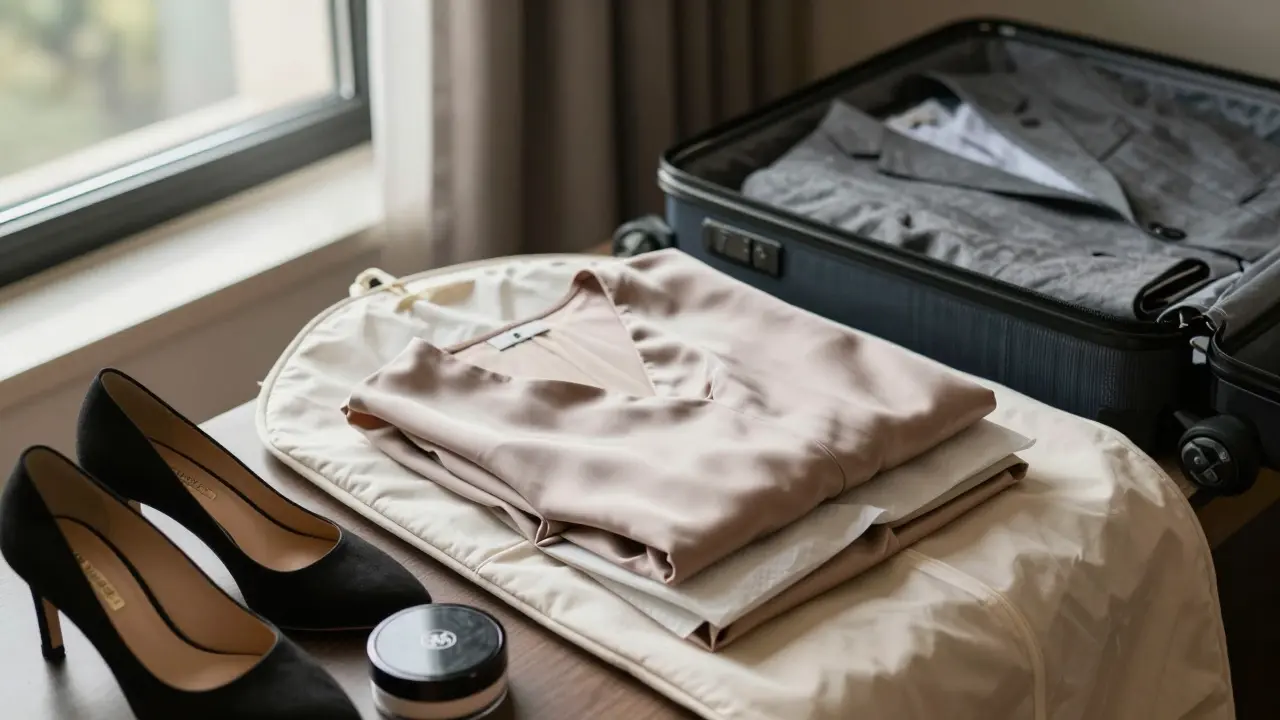
Traveling? Pack smart. Bring a garment bag. Fold dresses with tissue paper between layers. Roll lightweight blazers and linen pants to avoid wrinkles. Bring a small steamer or even a travel iron if you’re staying somewhere with one. And always pack an extra pair of shoes. You never know when you’ll need to swap out heels for flats after dancing all night.
Pro tip: If you’re flying and your outfit includes a delicate fabric, wear your heaviest piece on the plane. Put on your blazer or dress coat before boarding. That way, you’re already dressed for the event when you land.
Why This Matters Beyond Just Looking Good
Getting the dress code right isn’t about vanity. It’s about respect. It’s about showing up as part of the experience, not as an outsider. When you dress appropriately, you signal that you understand the tone of the gathering. You fit in. You feel confident. And you let the host’s vision come to life.
Think of it like showing up to a potluck with a dish that matches the theme. If the party is "Italian night," you bring lasagna, not tacos. Dress codes work the same way. They’re not rules to punish you. They’re invitations to participate.
Final Rule: When in Doubt, Go One Level Up
It’s better to be slightly overdressed than underdressed. A woman in a little black dress can always remove a jacket. A man in a suit can take off the tie. But if you show up in jeans and someone else is in a silk dress? You’ll feel it.
So next time you see "festive" or "garden attire," don’t panic. Ask yourself: Is this a celebration? Is it outdoors? Is it after sunset? Then pick something that feels special-but not theatrical. Something that lets you move, breathe, and enjoy the night. That’s the real dress code.


Write a comment