

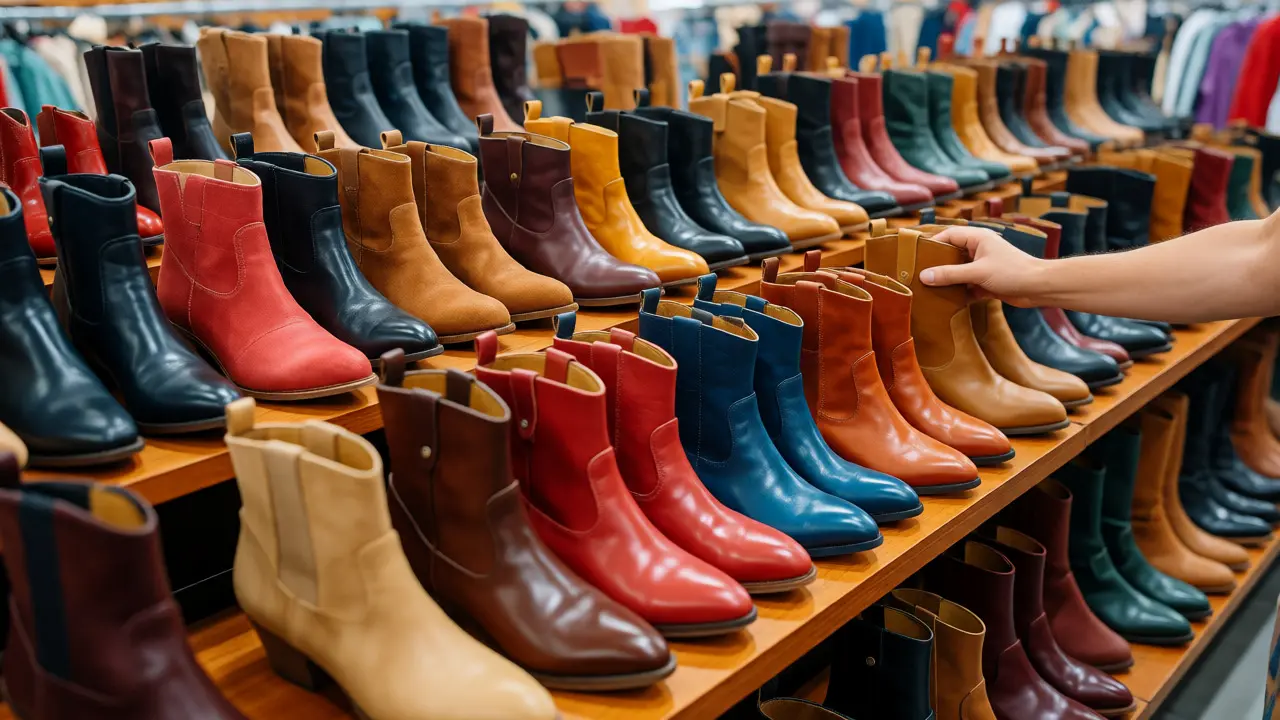
You just saw a pair of boots online for $350. Your bank account winces. But wait-three blocks away, at TJ Maxx or Nordstrom Rack, the exact same style might be sitting on a rack for $129. Why? And more importantly, how do you find them before they vanish?
Off-price retail isn't magic, but it feels like it when you score a designer handbag for half price. The secret lies in understanding how these stores get their stock and where to look within their chaotic aisles. Whether you are hunting for workwear in New York City or trying to refresh your wardrobe without breaking the bank, knowing the difference between a true outlet and an off-price retailer changes everything.
The Real Difference Between Outlets and Off-Price Stores
People often use "outlet" and "off-price" interchangeably, but they aren't the same thing. This distinction is crucial if you want actual deals rather than fake discounts.
TJ Maxx is an off-price retailer that buys excess inventory from department stores and manufacturers. They purchase overstock, canceled orders, or last-season items directly from brands like Ralph Lauren, Calvin Klein, or Michael Kors. These items were originally made for full-price retail. When you buy here, you are getting genuine brand merchandise that simply didn't sell elsewhere.
Traditional outlet malls operate differently. Many brands create specific lines labeled as "made for outlet." These products often have lower-quality materials or simplified designs compared to what you see in a mall boutique. For example, a dress at a Coach outlet might use synthetic leather instead of the premium hide found in the main store line.
Nordstrom Rack sits somewhere in the middle. As the off-price division of Nordstrom, it carries both unsold Nordstrom inventory and items purchased specifically for the Rack. While many items are genuine past-season goods, some are produced exclusively for this channel. Always check the tags carefully.
| Feature | Off-Price (TJ Maxx/Marshalls) | Brand Outlet (Coach/Kate Spade) | Nordstrom Rack |
|---|---|---|---|
| Source of Goods | Overstock from multiple brands | Manufactured specifically for outlets | Mix of Nordstrom returns and exclusive buys |
| Quality Consistency | High (matches original retail) | Variable (often lower tier) | High for returns; Variable for exclusives |
| Pricing Model | 20-60% below original MSRP | Marked up then discounted heavily | 40-70% off original prices |
| Selection Logic | Random drops based on supply | Consistent basic styles | Seasonal shifts mirroring Nordstrom |
Mastering the Hunt at TJ Maxx and Marshalls
If you walk into TJ Maxx with a rigid plan, you will likely leave empty-handed. Their model relies on unpredictability. Inventory arrives in truckloads every week, often on Tuesdays or Wednesdays depending on the location. The key is speed and systematic scanning.
Start with the shoes. Shoe sections are usually organized by size first, then by type. If you wear a size 8, head straight there. Don't browse the clothing racks yet. Shoes move fast because sizes are finite. Once you've secured footwear, move to handbags. Look for the "designer wall" near the entrance or checkout. Brands like Kate Spade, Rebecca Minkoff, and Sam Edelman frequently appear here at steep discounts.
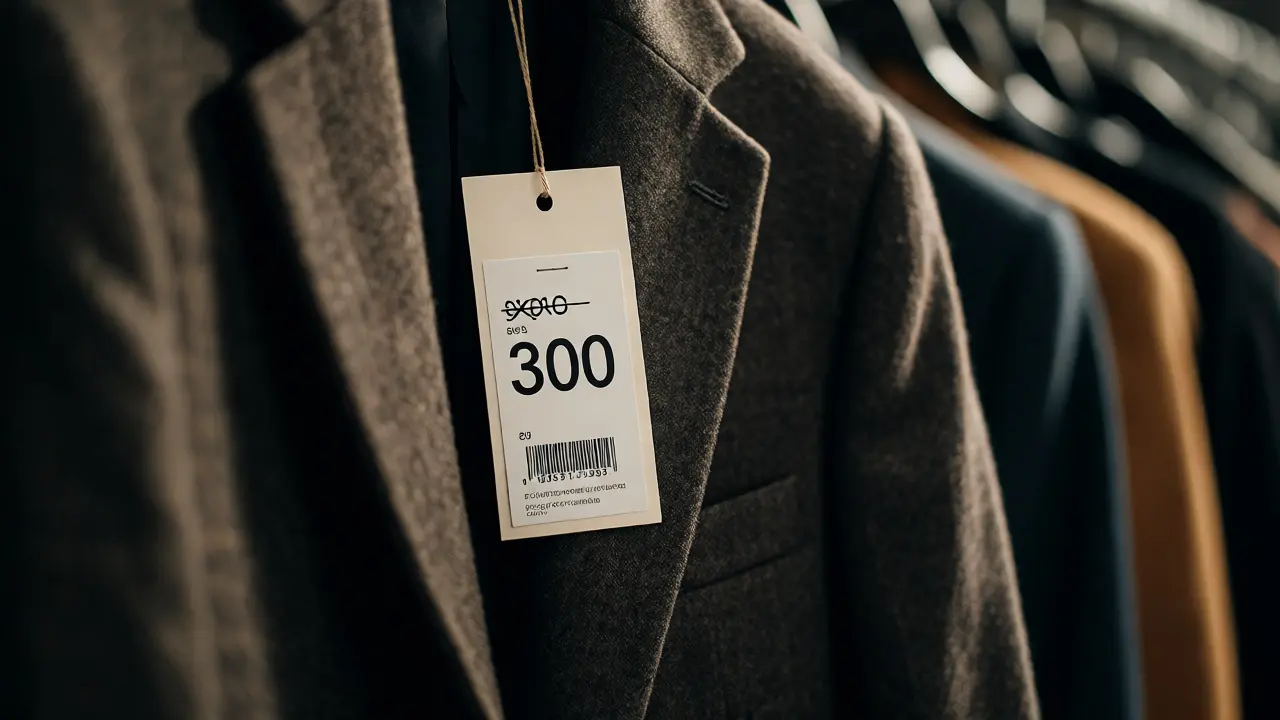
Clothing requires a different strategy. Ignore the front displays-they are often leftovers from previous weeks. Head to the back corners of the store. That's where new arrivals land. Check the tags closely. You might find a tag showing a "List Price" of $198, while the shelf tag says $59. That’s a real deal. However, if the list price seems suspiciously high for a generic brand, compare it against Amazon or other retailers to ensure it’s not inflated.
Pro tip: Learn the codes. Some shoppers swear by checking the SKU numbers. While not foolproof, certain prefixes can indicate whether an item was made for TJ Maxx or bought from a major department store. It takes time to learn these patterns, so don’t stress about it initially. Focus on fit and fabric quality first.
Navigating Nordstrom Rack Like a Pro
Nordstrom Rack offers a more curated experience than TJ Maxx, but it comes with its own traps. Because it shares DNA with the luxury parent company, the selection tends to skew toward higher-end contemporary brands like Vince, Theory, and Free People.
Timing matters here. Nordstrom Rack mirrors the seasonal calendar of its full-price counterpart. Sales happen simultaneously. If Nordstrom is having a semi-annual sale, expect markdowns at the Rack too. However, the best deals often appear right after major holidays. Post-Christmas and post-Mother’s Day periods are goldmines for gift-card cash-outs and clearance events.
Use the online tool effectively. The website allows you to filter by "Original Price," which is helpful, but it doesn’t always reflect current in-store availability. Call your local store before driving across town. Ask if they have received a recent shipment. Store associates can sometimes pull items from the backroom if you give them a description.
Be wary of the "clearance" section. Items marked down 70% or more are often final sale and may have minor defects. Inspect seams, zippers, and fabric integrity. At full price, you’d return a jacket with a loose thread. At $40, you might keep it. Decide your tolerance for imperfections before you shop.
Decoding Tags and Authenticity Checks
Fear of buying fakes keeps many people away from off-price stores. Rest assured, TJ Maxx and Nordstrom Rack have strict supply chain controls. They source from authorized distributors and direct brand contracts. Counterfeits are rare, though mix-ups happen.
How do you verify? Check the stitching. High-quality garments have even, tight stitches. Loose threads inside a coat lining are normal; unraveling seams are not. Look at hardware. Zippers should glide smoothly. Buttons should feel substantial. On handbags, check the interior lining and logo stamping. Blurry logos or cheap-smelling glue are red flags.
Understand the pricing tags. A black tag usually indicates standard inventory. Red tags signal deeper markdowns. Yellow tags often mean final clearance. If you see a white tag with a handwritten number, ask an associate. Sometimes these are manager specials or damaged goods sold at rock-bottom prices.
Another trick: Compare weights. A genuine leather bag feels heavier than a faux-leather knockoff. Denim should have a certain heft. If a "designer" sweater feels flimsy and thin compared to similar items you’ve owned, it might be a lower-tier line produced for discount channels.
Building a Capsule Wardrobe on a Budget
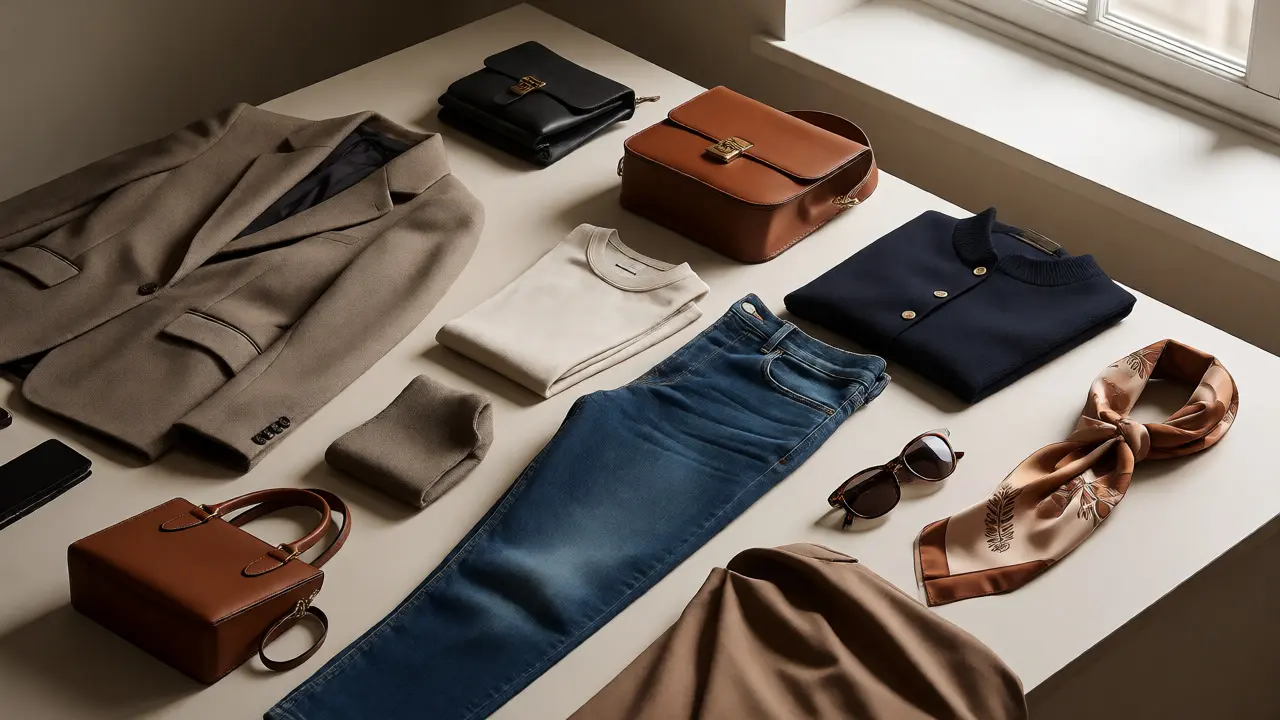
Shopping off-price tempts you to buy random pretty things. You end up with five green blouses and no pants. To build a functional capsule wardrobe, approach these stores with a shopping list.
Identify your gaps. Do you need a neutral blazer? A classic trench coat? Basic jeans? Write these down. Stick to them. Off-price stores excel at basics because brands produce them in bulk. You can find excellent wool-blend coats from J.Crew Factory or Banana Republic labels at TJ Maxx for under $100.
Invest in structure. Jackets, coats, and tailored trousers hold their value better than trendy tops. A well-fitted blazer from a reputable brand, even if it’s two seasons old, looks current forever. Trends fade; tailoring lasts. Use the savings from off-price shopping to pay for alterations. Hemming pants or taking in a waist costs $15-$25 but transforms a mediocre fit into a custom look.
Don’t ignore accessories. Belts, scarves, and jewelry add personality to simple outfits. You can find high-end silk scarves at Nordstrom Rack for $20 that would cost $100 at Saks. These small upgrades make basic clothes look intentional.
When to Walk Away
Not every deal is worth it. Avoid buying anything you wouldn’t wear if it were full price. Just because it’s 80% off doesn’t mean you need another sequined top for a closet you never open.
Skip items that require dry cleaning only, unless you already have a reliable service. Maintenance costs eat into your savings. Also, avoid delicate fabrics like chiffon or silk if you’re clumsy. One snag ruins the investment.
Finally, know your return policy. Most off-price stores allow returns with a receipt, but policies vary. TJ Maxx typically has a generous window, while Nordstrom Rack may restrict final-sale items. Keep receipts until you’re sure the item fits and washes well.
Are items at TJ Maxx fake?
No, TJ Maxx sources authentic products directly from manufacturers and authorized wholesalers. While they do carry some private-label brands, the name-brand items are genuine. They are not selling counterfeits.
Why are prices at Nordstrom Rack so low?
Prices are low because Nordstrom Rack sells unsold inventory from Nordstrom stores, customer returns, and items purchased specifically for the Rack channel. This allows them to clear stock quickly without cannibalizing full-price sales.
What day is best to shop at TJ Maxx?
Mid-week mornings, typically Tuesday or Wednesday, are ideal. New shipments arrive early in the week, and shelves are restocked before weekend crowds descend. Early morning visits also help you spot hidden gems before they are moved to clearance racks.
Can I return items bought at an outlet?
It depends on the store. TJ Maxx generally accepts returns with a receipt within a specified period. Nordstrom Rack has stricter rules for final sale items. Always check the sign at the register or the website policy before purchasing.
Is it better to shop online or in-store for off-price deals?
In-store shopping allows you to inspect quality and try on items, which is crucial for fit-sensitive purchases. Online shopping offers convenience and easier filtering, but you risk receiving items with minor flaws or poor sizing. For high-value items like coats or shoes, in-store is safer.


Write a comment