

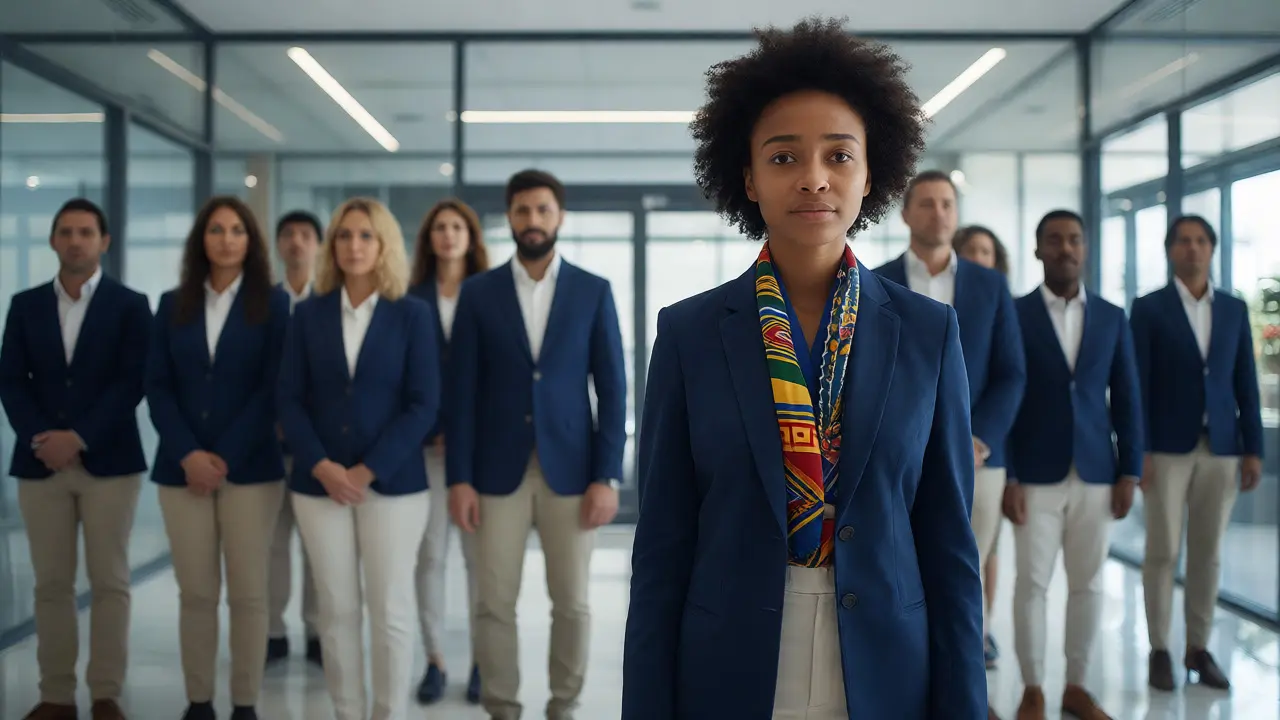
You walk into a new office. Everyone is wearing the same navy blue blazer. You feel a sudden wave of relief mixed with a strange sense of invisibility. Or maybe you’re at a school where the dress code bans certain hairstyles, and you watch your friend get sent home for looking "too casual." We often think of clothes as just fabric, but in reality, they are powerful social signals. Dress codes act as invisible gatekeepers. They decide who feels like they belong and who feels like an outsider before a single word is spoken.
This isn’t just about vanity or comfort. It’s about psychology. When we wear what the group wears, our brains register safety. When we stand out, our brains might register threat. This dynamic plays out in boardrooms, classrooms, and even online communities. Understanding how uniforms affect inclusion and exclusion helps us navigate these spaces better. It also helps leaders design cultures that don’t accidentally shut people out based on zip codes or bank accounts.
The Psychology of Sameness
Why do we feel safer when everyone looks alike? Psychologists call this "enclothed cognition." It’s the idea that what you wear affects how you think and behave. If you put on a lab coat, you pay more attention to detail. If you put on a suit, you feel more authoritative. But there’s another layer: social identity theory. Humans are tribal by nature. We categorize people into "in-groups" and "out-groups" instantly. Clothes are the fastest way to signal which group you’re in.
When a company mandates a uniform, it tries to erase visual differences. The goal is usually professionalism or equality. Think of the military or healthcare workers. Their uniforms aren’t just practical; they strip away personal status symbols so that rank or role matters more than wealth. In a corporate setting, a strict dress code can reduce anxiety. You don’t have to worry if your shoes are trendy enough. You just fit in. That feeling of fitting in releases oxytocin, the bonding hormone. You feel part of the tribe.
But here’s the catch. For some people, fitting in means erasing their identity. Imagine a woman who wears hijab. A standard corporate dress code might not explicitly ban it, but if the "professional" look is defined by Western norms, she might feel pressured to adapt her style in ways that feel inauthentic. The uniform promises equality, but it often enforces conformity. And conformity can feel like exclusion to anyone who doesn’t naturally match the default mold.
When Uniforms Create Barriers
Not all exclusions are subtle. Some dress codes actively block people from participating. Let’s look at schools. Many public schools have adopted uniforms to reduce bullying over brand names. On paper, this sounds great. No one gets teased for not having $100 sneakers. But studies show that rigid uniform policies can disproportionately affect low-income students. Why? Because while the shirt is cheap, the required shoes, belts, and specific pants can add up. If a student can’t afford the exact shade of khaki, they might be sent home or embarrassed.
In the workplace, the barrier is often gendered. Women face stricter scrutiny regarding hemlines, necklines, and heels. A man in jeans and a t-shirt might be seen as "relaxed," while a woman in similar attire might be labeled "unprofessional." This double standard excludes women from leadership conversations simply because of their outfit choices. It forces them to spend money and time curating a look that meets an arbitrary standard, rather than focusing on their work.
Race plays a huge role too. Natural hair textures are often penalized in conservative workplaces. Policies that require hair to be "neat and professional" frequently target Black hairstyles like braids, locs, or afros. These rules aren’t neutral. They reflect a bias toward Eurocentric beauty standards. When your natural appearance is deemed "messy" or "distracting," you’re being told you don’t belong. This micro-aggression accumulates over time, leading to higher stress and lower job satisfaction among minority employees.

The Shift Toward Authenticity
The post-pandemic world has changed the conversation. Remote work blurred the lines between home and office. Suddenly, pajama bottoms were acceptable. This shift challenged the old notion that looking polished equals working hard. Companies realized that forcing people into stiff suits didn’t make them more productive. It made them miserable.
Now, many organizations are moving toward "business casual" or even "casual Friday every day." But this creates a new problem: ambiguity. Without clear rules, who decides what’s appropriate? Often, it falls to implicit biases. Managers might judge employees based on personal preferences rather than objective criteria. This can lead to favoritism. If your boss likes your style, you’re safe. If not, you’re on thin ice.
To fix this, companies need to define dress codes by function, not fashion. Ask: Does this clothing allow me to do my job safely and comfortably? Does it respect clients? It shouldn’t matter if you’re wearing a blazer or a hoodie, as long as you’re respectful and presentable. This approach prioritizes inclusion over tradition. It allows neurodivergent individuals, who may have sensory sensitivities to fabrics, to work without pain. It allows parents to prioritize comfort during chaotic mornings. It acknowledges that professionalism is about behavior, not buttons.
Designing Inclusive Dress Policies
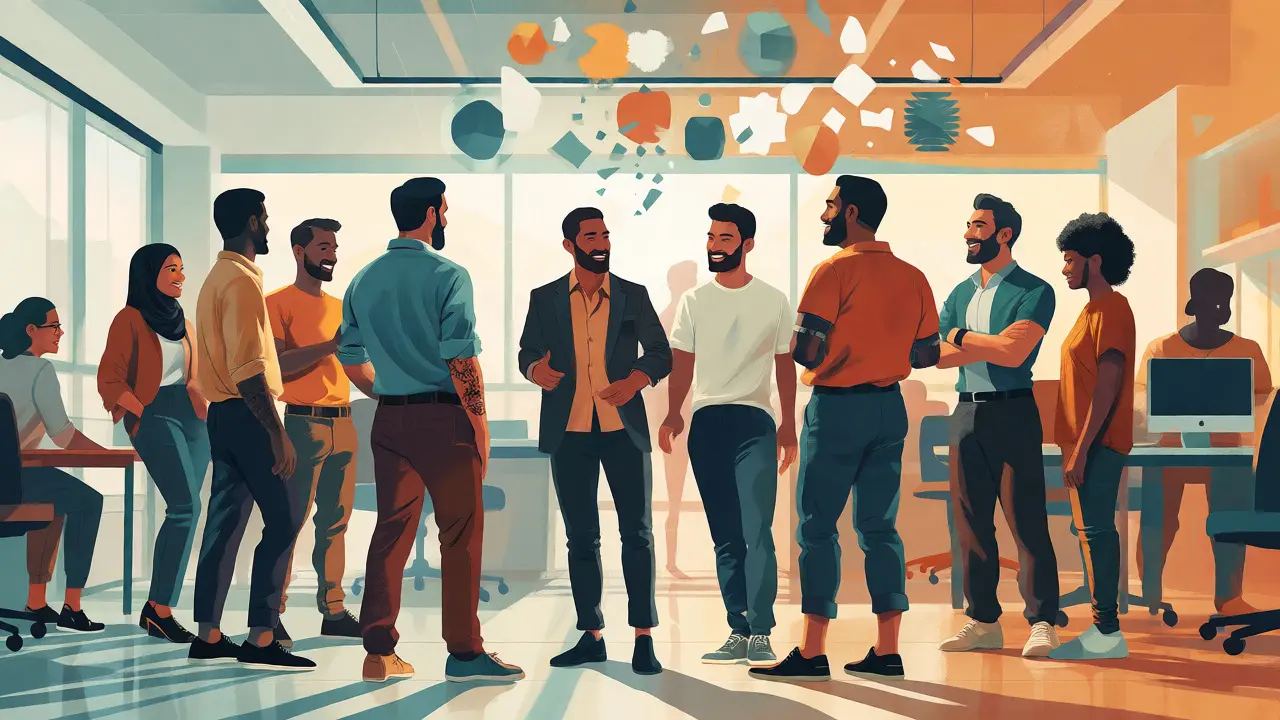
If you’re a leader or HR manager, how do you create a dress code that includes everyone? Start by auditing your current policy. Who does it exclude? Look for language that uses subjective terms like "professional" or "tidy." Replace them with specific examples. Instead of saying "no shorts," say "knee-length or longer trousers or skirts." Clarity reduces bias.
Involve diverse voices in the creation process. Don’t let one person write the rules. Bring in employees from different backgrounds, ages, and roles. Ask them: What makes you feel uncomfortable? What makes you feel respected? You might find that a small change, like allowing athletic shoes for nurses, makes a huge difference in their daily experience.
Consider offering stipends. If you require specific clothing, help cover the cost. This removes the financial barrier. Also, be flexible. Allow for religious headwear, cultural garments, and adaptive clothing for disabilities. Flexibility shows that you value the person more than the prototype.
| Dress Code Type | Perceived Professionalism | Inclusion Level | Common Pitfalls |
|---|---|---|---|
| Strict Uniform | High (visual consistency) | Low to Medium | Financial burden; erases individual identity; potential bias against non-Western styles. |
| Business Formal | Very High (traditional authority) | Low | Gendered expectations; high cost; excludes those with sensory issues. |
| Business Casual | Medium (ambiguous) | Medium | Subjective interpretation leads to bias; unclear boundaries cause anxiety. |
| Smart Casual / Flexible | Medium-High (modern) | High | Requires strong culture to maintain standards; risk of being too lax. |
Fashion as a Tool for Connection
We don’t have to throw away dress codes entirely. We just need to rethink their purpose. Instead of using clothes to filter people out, use them to bring people together. Shared aesthetics can build team spirit. A company color scheme, for example, can create a sense of unity without demanding identical outfits. Employees can choose how to incorporate that color into their own style. This balances belonging with individuality.
Moreover, encourage storytelling. Why do you wear what you wear? When colleagues share the meaning behind their accessories-maybe a necklace from a grandmother, or a pin representing a cause-it humanizes them. It turns clothing from a barrier into a bridge. You start seeing the person, not just the uniform.
Ultimately, the goal of any dress code should be dignity. Dignity means feeling comfortable in your skin and your clothes. It means not having to apologize for your body, your culture, or your budget. When workplaces embrace this, they attract talent that reflects the real world. And that diversity drives innovation. So next time you draft a policy, ask yourself: Are we dressing for control, or are we dressing for connection?
Do dress codes really improve productivity?
The evidence is mixed. While uniforms can reduce decision fatigue and morning stress, they don't automatically boost output. Productivity depends more on psychological safety and autonomy. If a dress code causes anxiety or discomfort, it can actually hinder performance. Flexible policies that focus on comfort and appropriateness tend to yield better results than rigid mandates.
How do I handle a dress code violation without offending someone?
Focus on the impact, not the person. Instead of saying "You look unprofessional," say "Our client-facing policy requires knee-length trousers for safety and consistency." Provide a clear alternative or solution. Be private and empathetic. Acknowledge that dress codes can be sensitive topics related to identity and finance.
Are school uniforms effective in reducing bullying?
They can help reduce visible economic disparities, but they don't stop bullying entirely. Bullies often shift their focus to other markers like backpacks, electronics, or social skills. Uniforms work best when combined with broader anti-bullying programs and inclusive school cultures that celebrate diversity beyond clothing.
What is 'enclothed cognition'?
Enclothed cognition is a psychological phenomenon where the symbolic meaning of clothing influences the wearer's psychological processes. For example, wearing a white coat associated with doctors improves attention to detail. It suggests that clothes don't just change how others see us; they change how we see ourselves and perform tasks.
How can companies support employees who cannot afford expensive work clothes?
Companies can offer clothing stipends, partner with local retailers for discounts, or host swap events. Creating a relaxed dress code that accepts affordable, high-quality basics also helps. The key is to ensure that financial constraints do not become a barrier to professional participation.


Write a comment