

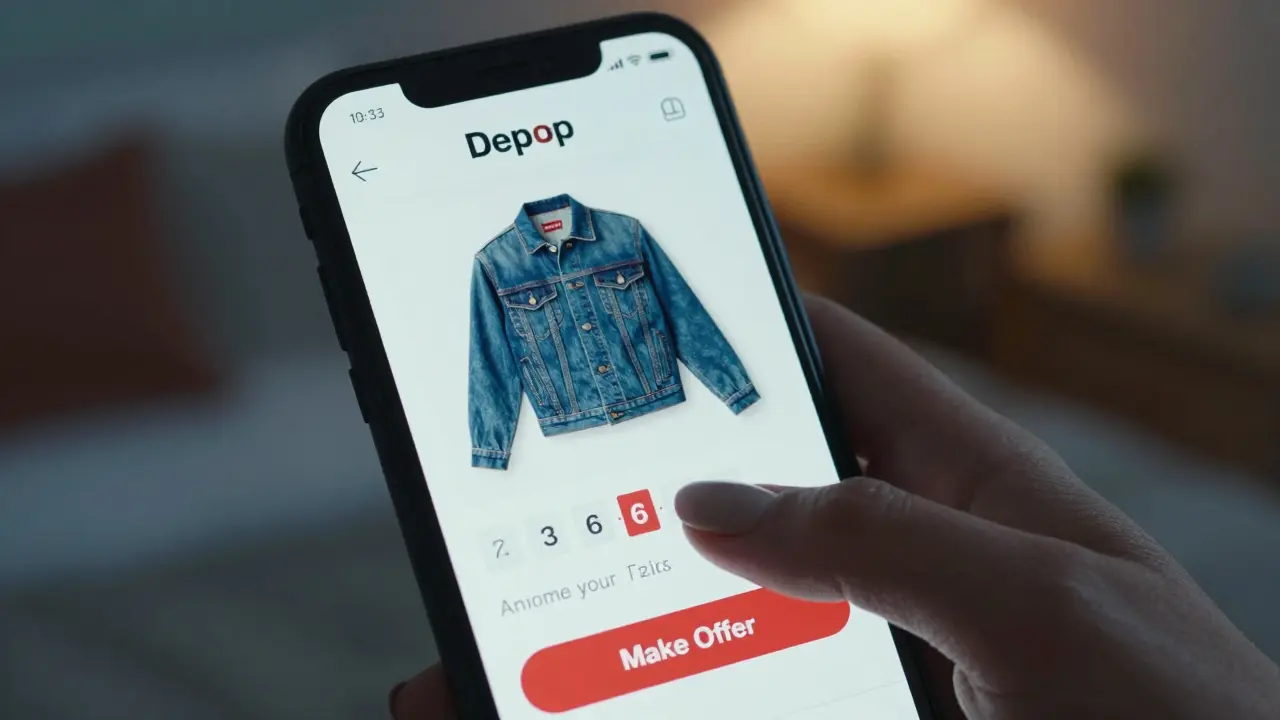
Picture this: You’ve been watching a rare Levi’s 501 is a classic straight-leg denim jean known for its durability and vintage appeal jacket on Depop for weeks. The seller just listed it with an offer-to-buy option, and the timer is ticking down. Or maybe you’re on eBay, eyeing a pristine pair of sneakers that are selling out instantly elsewhere. You want to win, but you refuse to overpay. In the world of online secondhand fashion, timing and psychology matter more than your wallet size.
Winning quality items at low prices isn’t about luck. It’s about understanding how these platforms work differently. eBay operates like an auction house where price discovery happens through competition. Depop functions more like a social marketplace where negotiation and relationship-building drive sales. Knowing which lever to pull on which platform is the difference between scoring a steal and paying retail price for used goods.
Understanding the Core Differences Between eBay and Depop
Before you place a single bid or send an offer, you need to understand the fundamental mechanics of each platform. They serve different purposes and attract different types of buyers and sellers.
eBay is a global online marketplace that facilitates consumer-to-consumer and business-to-consumer sales through auctions and fixed-price listings thrives on volume and variety. Sellers often list items in bulk, and the auction format creates urgency. Buyers here are typically deal-hunters who understand market value and are willing to wait for the right moment. The platform’s feedback system is robust, meaning reputation matters immensely.
Depop is a mobile-first social commerce app focused on unique, vintage, and handmade fashion items primarily targeting Gen Z users operates differently. It’s visual-first, community-driven, and relies heavily on direct messaging. Sellers on Depop are often individuals curating their personal style rather than professional resellers. This means negotiations can be more flexible, but also more unpredictable. There’s no traditional "bidding" on Depop; instead, you make offers or buy now.
| Feature | eBay | Depop |
|---|---|---|
| Pricing Model | Auction & Buy It Now | Fixed Price & Offers |
| Negotiation Style | Implicit (through bidding) | Explicit (direct message) |
| User Demographic | Broad age range, deal-focused | Gen Z/Millennials, style-focused |
| Best For | Rare finds, electronics, bulk lots | Vintage fashion, streetwear, unique pieces |
| Seller Motivation | Quick sale, high turnover | Community engagement, curation |
eBay Bidding Strategies That Actually Work
Most people think bidding on eBay is simple: set your max price and walk away. But if you want to win at a lower price, you need to be strategic. Here’s how experienced buyers approach auctions.
The Snipe Strategy
Sniping means placing your bid in the final seconds of an auction. Why does this work? Because it prevents other bidders from reacting. If you bid early, you signal interest and invite competition. Other users will watch the item and incrementally raise the price. By waiting until the last 10-30 seconds, you remove their ability to counter-bid. Use tools like eBid is a third-party automated bidding service that places bids at specified times during eBay auctions or manual timers to execute this precisely.
Research the Starting Price
Items with low starting prices ($0.99 or $1) attract more bidders, which drives up the final price. However, they also have higher visibility. Look for items with realistic starting prices that reflect fair market value. These often have fewer watchers because casual browsers skip them, assuming they’re not "deals." Fewer watchers mean less competition when the real bidding starts.
Check Sold Listings, Not Active Ones
This is the most critical step. Never bid based on what sellers are asking. Go to eBay’s search filter and select "Sold Items." See what similar items actually sold for in the last 30 days. This gives you a concrete ceiling for your maximum bid. If a vintage band tee is listed for $50 but sold listings show $25 average, your max bid should be around $28-$30, leaving room for shipping costs.
Leverage Feedback Scores
Sellers with low feedback scores (under 50) or new accounts may price items lower to build credibility. They’re motivated to sell quickly and avoid disputes. Check their recent sales history. If they’ve sold similar items recently, they know the market. If it’s their first few listings, they might undervalue rare items. This is your opportunity to negotiate via pre-auction messages or bid conservatively knowing there’s less competition.
Mastering Depop Negotiations
Depop doesn’t have auctions, so "winning" means convincing a seller to accept your offer. This requires a different skill set: communication and timing.
The Timing Game
When is the best time to make an offer? Late night or early morning. Sellers are often scrolling through their app before bed or after waking up. They’re more likely to accept reasonable offers quickly to clear inventory. Avoid making offers during peak hours (6 PM - 9 PM) when sellers are actively engaging with multiple buyers. Your message gets buried.
Crafting the Perfect Offer Message
Don’t just send a number. Context matters. A good offer message includes:
- A genuine compliment about the item
- Your reason for wanting it (shows sincerity)
- A fair offer slightly below asking price (10-15% is standard)
- Readiness to pay immediately
Example: "Hey! Love this vintage Nike windbreaker. I’ve been hunting for this exact colorway. Would you consider $25? I’m ready to pay right away if you’re open to it." This works because it’s polite, specific, and removes friction for the seller.
Bundle Deals Are Your Friend
If a seller has multiple items you like, bundle them. Sellers prefer one transaction with higher total value over multiple small ones. It saves them time and packaging effort. Calculate the total asking price, then offer 15-20% off the combined total. Most sellers will accept because it clears multiple items at once.
Follow Up Strategically
If a seller rejects your offer, don’t give up immediately. Wait 24-48 hours, then send a follow-up. Sometimes sellers receive better offers later and realize yours was solid. Or they might reconsider if the item hasn’t sold. Keep it friendly: "Just checking if you’re still considering my offer? Happy to adjust slightly if needed."
Identifying Quality Items Before You Bid or Offer
Winning cheap is useless if the item is damaged or misrepresented. Protect yourself by vetting listings thoroughly.
Photo Analysis
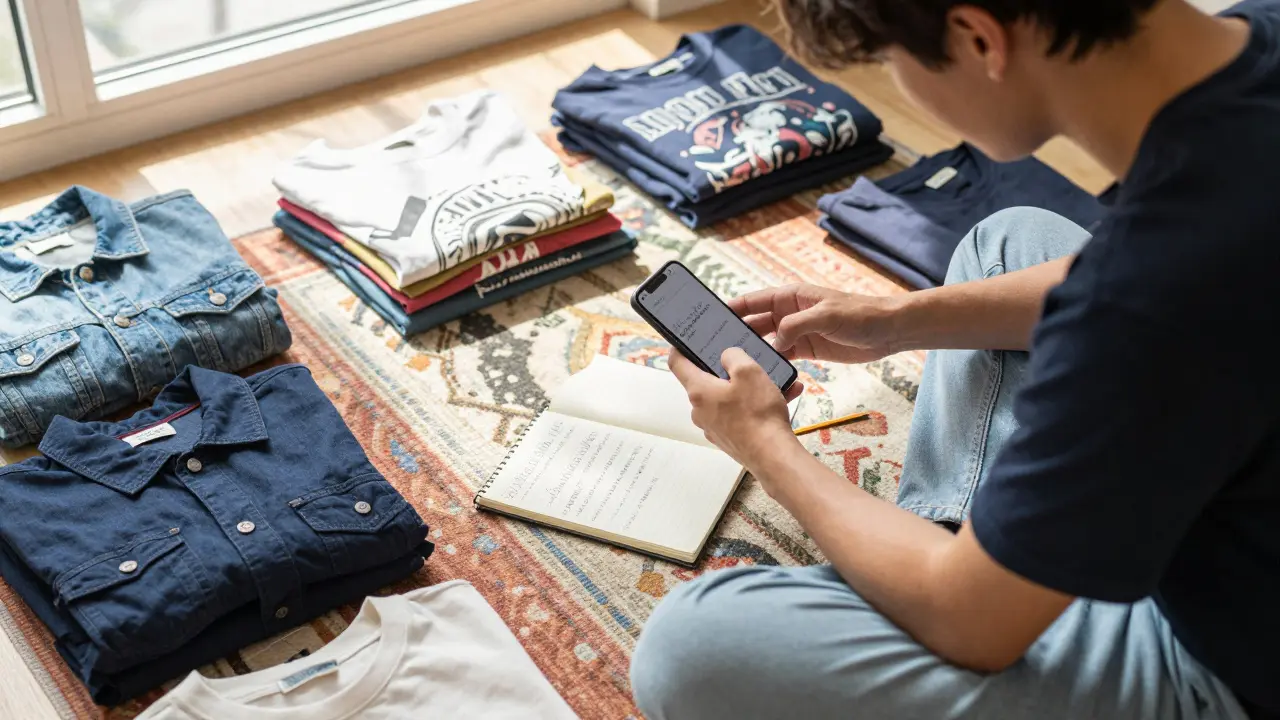
Look beyond the main image. Zoom in on details: stitching, logos, fabric texture. On eBay, check all photos provided by the seller. On Depop, scroll through the carousel. Good sellers show flaws. If an item has only one photo or blurry images, proceed with caution. Ask for additional photos via message before committing.
Description Red Flags
Vague descriptions are warning signs. Phrases like "great condition" without specifics are meaningless. Look for detailed measurements, brand tags, care labels, and explicit mentions of wear. On Depop, sellers who use hashtags extensively but lack descriptive text may be inexperienced or hiding issues. Cross-reference with sold listings to verify authenticity claims.
Seller Verification
On both platforms, check the seller’s profile. On eBay, look for Top Rated Seller status and recent positive feedback. On Depop, check their follower count, posting frequency, and response rate. Sellers who post consistently and respond quickly are generally more reliable. New sellers aren’t automatically bad-they may just be starting out-but exercise extra diligence.
Common Pitfalls to Avoid
Even seasoned buyers make mistakes. Here are the most frequent errors that cost money.
- Emotional Bidding: Getting caught up in the excitement of an auction and exceeding your budget. Set a hard limit before the auction starts and stick to it.
- Ignoring Shipping Costs: A $10 item with $15 shipping isn’t a deal. Always factor in total cost including taxes and handling fees.
- Assuming Authenticity: Counterfeits exist on both platforms. Research brand-specific authentication markers. When in doubt, ask for proof of purchase or close-up tag photos.
- Over-Negotiating on Depop: Offering too low (below 70% of asking) insults sellers and wastes time. Respect their pricing while aiming for fair value.
- Forgetting Return Policies: eBay offers buyer protection for most purchases. Depop returns depend entirely on the seller’s policy. Read carefully before buying.
Building Long-Term Success Habits
Consistent success comes from building relationships and systems, not one-off wins.
Create Watchlists and Alerts
Save items you love on both platforms. Set up email notifications for price drops or restocks. On eBay, use the "Watch" feature. On Depop, favorite items and turn on push notifications. This ensures you never miss an opportunity when a seller lowers the price or lists something similar.
Develop Relationships with Trusted Sellers
If you find a seller whose taste aligns with yours, engage with them. Like their posts, comment positively, and buy regularly. Over time, they’ll notify you personally about new arrivals or reserve items for you. This informal network often yields better deals than public listings.
Track Your Spending
Maintain a simple spreadsheet of purchases: item, price paid, current market value, and satisfaction rating. This helps you identify patterns-what types of items hold value, which sellers offer the best quality, and whether you’re truly saving money. Adjust your strategy based on data, not emotion.
What is the best time to bid on eBay?
The optimal time to bid is in the final 10-30 seconds of an auction, known as sniping. This prevents other bidders from reacting and raising the price. Avoid bidding early, as it signals interest and invites competition. Use automated tools or manual timers to execute precise last-second bids.
How much should I offer on Depop?
Aim for 10-15% below the asking price for individual items. For bundles of three or more items, offer 15-20% off the total. Avoid offering below 70% of the asking price, as this may offend sellers and reduce your chances of acceptance. Always pair your offer with a polite, personalized message.
Is it safe to buy from new sellers on eBay or Depop?
Yes, but with caution. New sellers on eBay are protected by buyer guarantees, and their low prices may reflect inexperience rather than fraud. On Depop, check their posting history and response rate. Ask for additional photos and clear return policies before purchasing. Start with smaller transactions to build trust.
Can I negotiate shipping costs on Depop?
Yes, though indirectly. Instead of asking for cheaper shipping, bundle multiple items to amortize shipping costs across the order. Alternatively, suggest meeting halfway on the total price including shipping. Some sellers may absorb part of the shipping cost to secure a quick sale, especially for heavier items.
What should I do if an item arrives damaged?
On eBay, file a case within 30 days of delivery. Provide photos of the damage and packaging. eBay typically refunds buyers for significantly not-as-described items. On Depop, contact the seller immediately with evidence. Resolution depends on their return policy, so document everything and communicate professionally. Escalate to Depop support if unresolved.