


For years, the fashion world told women to hide. Tuck, squeeze, flatten, blur-your body wasn’t the problem, but your curves, your waist, your hips were. So we bought shapewear, high-waisted jeans that dug in, A-line skirts that hid our thighs, and blazers that made us look like we were wearing armor. We thought if we just masked our shape, we’d look "better." But here’s the truth: hiding your body doesn’t make you look more stylish. It makes you feel less like yourself.
Style isn’t about hiding-it’s about highlighting
Think about the people you admire in fashion. Not the ones in size-zero runway looks, but the ones who look like they actually live in their clothes. The woman in the tailored blazer that hugs her shoulders and flows over her hips. The man in the slightly loose linen shirt that moves with his chest and arms. They don’t look like they’re trying to disappear. They look like they belong in their skin.
That’s the difference between hiding and highlighting. Hiding says: "I don’t want you to see this." Highlighting says: "This is part of me, and I’m proud of it." When you dress for your shape instead of against it, you stop fighting your body and start working with it. You don’t need to change your body to fit clothes. You need to change your clothes to fit your body.
Take the apple shape, for example. People with broader torsos and narrower hips often get told to avoid anything that adds volume on top. But what if you embrace it? A structured V-neck top draws the eye upward, balancing the lower half. A well-fitted blazer with defined shoulders doesn’t hide your frame-it gives it power. You’re not masking your shape. You’re owning it.
Body-positive dressing isn’t a trend-it’s a mindset shift
Body-positive fashion isn’t just about wearing flowy dresses or oversized sweaters because they’re "in." It’s about choosing clothes that make you feel like you, not like someone else’s version of you. It’s about rejecting the idea that your worth in fashion is tied to how closely you match a magazine silhouette.
Studies from the University of California, San Francisco show that women who dress in alignment with their body shape report 40% higher levels of daily confidence compared to those who constantly try to alter their appearance through restrictive clothing. It’s not magic. It’s physics. When your clothes fit well, move with you, and don’t pinch or gap, your brain stops registering discomfort. And when you’re not thinking about your body all day, you start thinking about your life.
That’s the real win. Not looking thinner. Not looking "flattered." But feeling free.
What your body shape actually tells you about what to wear
Let’s cut through the noise. You don’t need a Pinterest board with 500 "flattering" outfits. You need to understand three things about your body:
- Where your proportions are widest
- Where your body naturally narrows
- Where you feel most comfortable
That’s it. No charts. No measurements. Just observation.
For pear shapes (wider hips, narrower shoulders), the goal isn’t to hide your hips. It’s to balance them. A structured top with detail-ruffles, embroidery, a bold neckline-pulls attention up. Straight-leg or bootcut pants in a dark, non-stretch fabric create clean lines. You don’t need to wear a tent to be modest. You need to wear something that says, "I’m here, and I’m not shrinking."
For hourglass shapes, the magic is in definition. A belt at the natural waist doesn’t squeeze-it celebrates. Wrap dresses, tailored trousers, and fitted tops that don’t cling too tightly make your shape look intentional, not accidental.
For rectangle shapes, the trick isn’t to add curves where you don’t have them. It’s to create the illusion of movement. A-line skirts, peplum tops, and layered textures give the eye something to follow. You’re not trying to become an hourglass. You’re letting your body speak in its own language.
For apple shapes, focus on vertical lines, V-necks, and structured outerwear. Avoid anything that bunches at the waist. Instead, let your top flow from the bust down. Your torso isn’t a problem to fix. It’s a canvas.
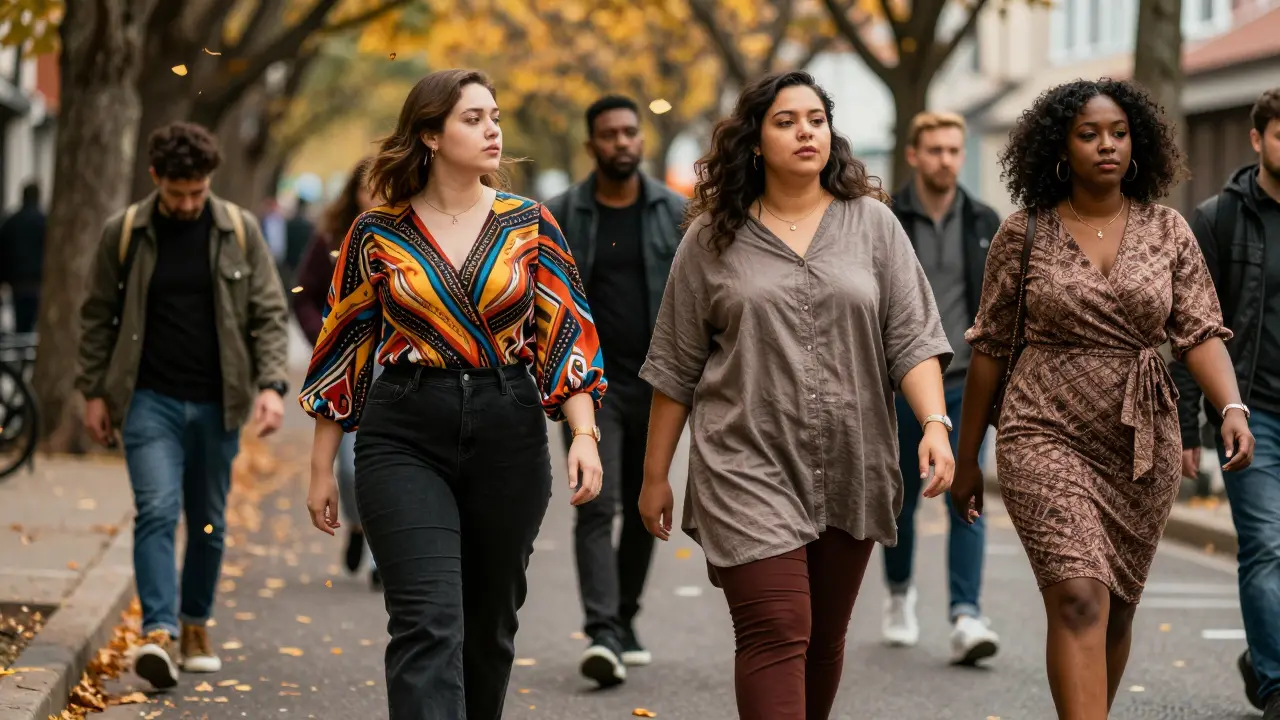
Why "flattering" is a trap
Every clothing brand uses the word "flattering." But what does that even mean? It means: "This dress makes you look like the version of yourself we designed in our marketing department."
When you chase "flattering," you’re chasing approval. You’re asking fashion to validate your body instead of letting your body validate your style. And that’s exhausting.
Real style confidence doesn’t come from buying the "right" piece. It comes from knowing what makes you feel powerful, comfortable, and like yourself. That’s why two people can wear the same dress and one feels like a queen and the other feels like a fraud. It’s not the dress. It’s the relationship.
Try this: Next time you’re shopping, don’t ask, "Does this make me look thinner?" Ask, "Does this make me feel like me?" If the answer is yes, it’s the right choice-even if it’s not "on trend."
What happens when you stop hiding
When you stop trying to hide your body, something unexpected happens: you start noticing details you never saw before. The way sunlight hits the collar of your favorite shirt. The way your jacket drapes when you walk. The way your boots click on the sidewalk.
You stop comparing your outfit to someone else’s. You stop scrolling through Instagram wondering why your legs don’t look like that. You stop buying clothes that make you feel guilty for not fitting into them.
Instead, you start noticing what works. The high-waisted jeans that don’t gap. The silk blouse that doesn’t cling. The coat that makes you feel like you could walk into any room and own it.
And here’s the quiet revolution: people notice. Not because you look different. But because you look like you’ve stopped apologizing for being you.
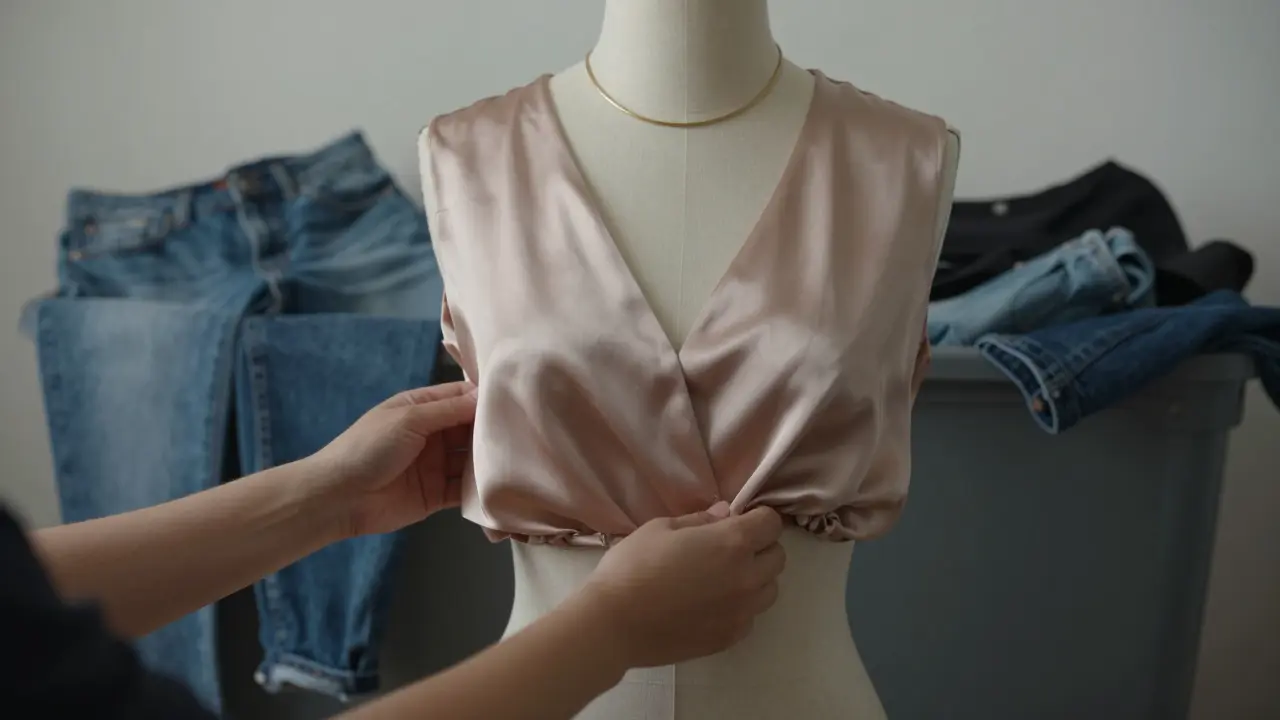
Practical steps to start dressing for your shape today
You don’t need a whole new wardrobe. You just need to change how you think about what’s already in your closet.
- Take everything out. Lay it on your bed. Don’t judge. Just look.
- Ask: "Which pieces make me feel most like me?" Keep those.
- Ask: "Which pieces make me feel like I’m trying to be someone else?" Let them go.
- For the next outfit you wear, choose one item that highlights your favorite feature-your shoulders, your waist, your legs-and build around it.
- When you shop, try on clothes with the intention of seeing yourself, not fixing yourself.
It’s not about buying more. It’s about choosing better.
Confidence isn’t something you wear-it’s something you earn
Style confidence doesn’t come from a perfect body or the latest trend. It comes from consistency. From choosing clothes that let you breathe. From walking into a room and not checking your reflection. From knowing that your shape isn’t a flaw to be corrected-it’s the foundation of your style.
The most stylish people I know don’t have the most expensive clothes. They have the most honest ones. They wear what fits. They wear what moves. They wear what makes them feel like themselves.
That’s not fashion. That’s freedom.
What does body-positive dressing actually mean?
Body-positive dressing means choosing clothes that celebrate your body as it is, rather than trying to change or hide it. It’s about wearing what feels comfortable, functional, and true to you-no matter your size, shape, or proportions. It’s not about following trends or looking like a model. It’s about feeling confident in your own skin.
Can I still wear tight clothes if I have a curvy body?
Absolutely. Tight doesn’t mean restrictive. If a pair of jeans or a dress fits your curves without digging in, pinching, or riding up, it’s not tight-it’s tailored. The key is fit, not looseness. Clothes that move with you are more flattering than clothes that try to smother you.
Do I need to buy new clothes to start body-positive dressing?
No. Start by reevaluating what you already own. Try on pieces you’ve avoided because you thought they "weren’t flattering." Often, it’s not the garment-it’s the story you’ve told yourself about it. Focus on fit, comfort, and how it makes you feel. You might be surprised how many things already work.
How do I know what my body shape is?
Stand in front of a mirror in underwear or a swimsuit. Look at where your body is widest (hips, shoulders, waist) and where it narrows. Don’t measure. Just observe. Most people fall into one of four common shapes: apple, pear, hourglass, or rectangle. But your shape isn’t a label-it’s a guide. Use it to find clothes that balance your proportions, not to box yourself in.
What if I don’t like any of the "flattering" styles I see online?
That’s okay. "Flattering" styles are designed for a narrow ideal. Real style comes from what feels right to you. If you love oversized sweaters, wear them. If you love bold prints, wear them. If you love high-waisted shorts, wear them. Your confidence doesn’t depend on fitting into someone else’s definition of beauty. It depends on you trusting your own taste.
Style isn’t about perfection. It’s about presence. And the most powerful thing you can wear isn’t a dress, a jacket, or a pair of shoes. It’s the quiet certainty that you don’t need to change to belong.


Write a comment