

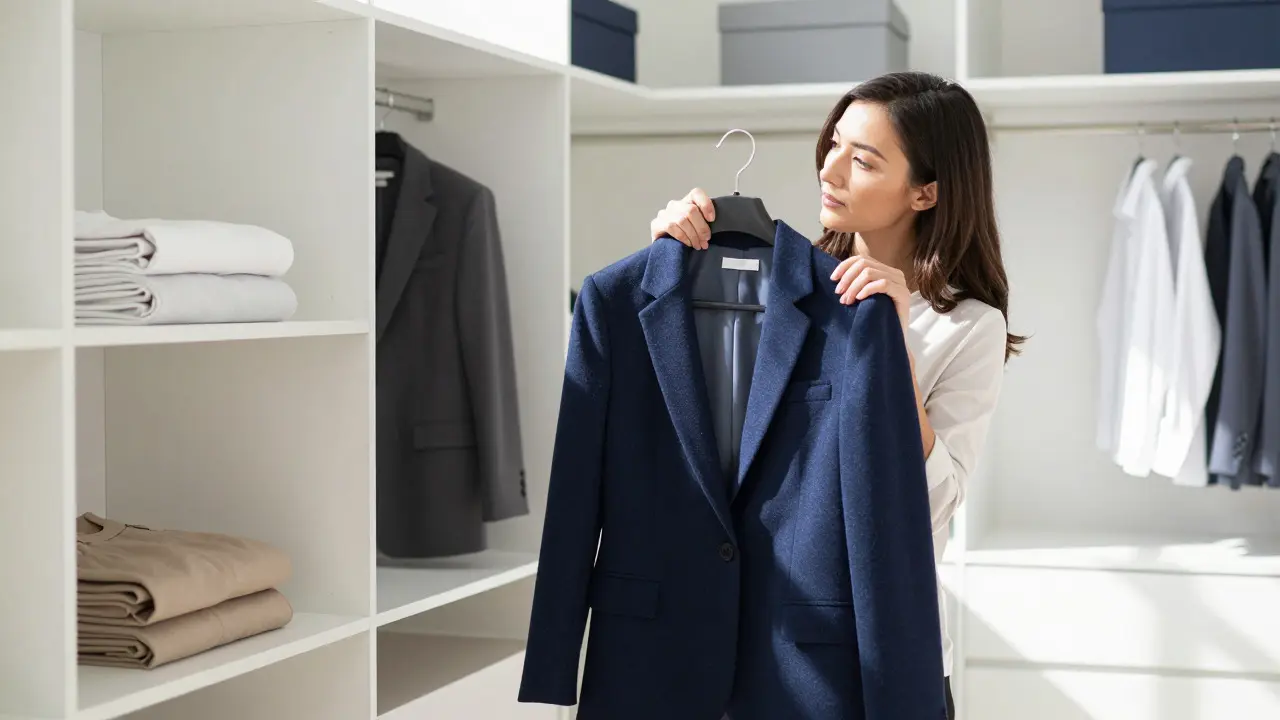
That one jacket in your closet that you reach for when you’re running late? The one that makes a pair of jeans look intentional and a skirt look polished without trying too hard? It’s probably a blazer. But not just any blazer. In the world of capsule wardrobes, which are curated collections of interchangeable clothing items designed to maximize outfit combinations while minimizing clutter, the right blazer isn’t just an accessory-it’s the anchor.
The problem most people face isn’t finding a blazer; it’s finding one that actually works everywhere. You buy something sleek for the office, only to realize it looks stiff at dinner. Or you grab a relaxed linen number for summer, and suddenly you feel underdressed at a client meeting. The gap between professional and casual is wider than we think, but it doesn’t have to be. With the right cuts, fabrics, and colors, a single blazer can bridge that divide effortlessly.
Why the Blazer Is the Ultimate Capsule Piece
Think about what you need from a core wardrobe item. It needs to be durable enough to wear weekly, flexible enough to match half your clothes, and adaptable enough to handle different settings. A t-shirt checks some boxes, but it lacks structure. Jeans are sturdy but limited in formality. A blazer, however, adds instant polish. It signals competence in a boardroom and sophistication at a gallery opening.
In a capsule wardrobe, where every piece must earn its keep, the blazer earns it by multiplying your options. One well-chosen blazer can turn five basic outfits into ten distinct looks. It covers up tired jeans, elevates a simple dress, and softens the edge of a crisp white shirt. This versatility is why fashion experts consistently rank it as a top-tier essential alongside neutral trousers and quality knitwear.
| Attribute | Impact on Versatility | Ideal Choice |
|---|---|---|
| Fit | Determines layering potential and silhouette balance | Slim or tailored fit with slight ease |
| Fabric | Affects seasonality and wrinkle resistance | Wool blends, cotton twill, or high-quality linen |
| Color | Dictates matching flexibility across seasons | Navy, charcoal, black, or camel |
| Structure | Influences formality level and drape | Soft-shouldered or unstructured for casual ease |
The Navy Blazer: Your Non-Negotiable Staple
If you only buy one blazer, make it navy. Why? Because navy is the chameleon of color theory. It pairs with white, gray, beige, denim, plaid, and even bright patterns without clashing. Unlike black, which can sometimes read as severe or funereal depending on the context, navy feels approachable yet authoritative. It’s the uniform of trust.
For a capsule wardrobe, choose a navy blazer in a medium-weight wool blend or cotton twill. Wool breathes better than synthetic fibers and resists wrinkles more effectively, meaning you can throw it in a hotel suitcase and pull it out looking sharp. Look for a cut that skims your body rather than clinging to it. A slightly softer shoulder line helps it transition from a corporate presentation to a weekend brunch without looking like you forgot to change.
Pair this navy piece with light-wash jeans and a white tee for a smart-casual vibe. Swap the jeans for tailored trousers and a silk blouse, and you’re ready for a pitch meeting. The same jacket, two completely different energy levels. That’s the power of getting the foundation right.
The Unstructured Linen Blazer for Warm Weather
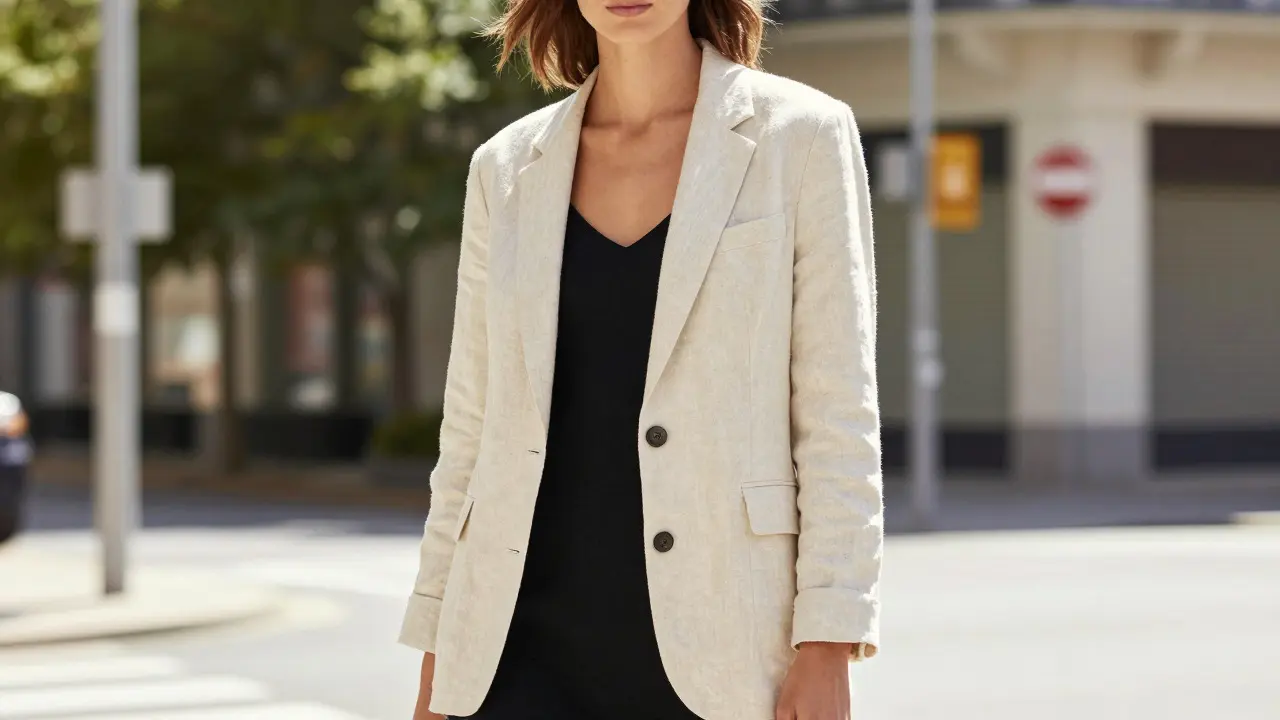
Summer throws a wrench in most wardrobes. Heavy wools become unbearable, and thin shirts lack coverage. Enter the unstructured linen blazer. This style skips the stiff padding and heavy lining found in traditional suits, opting instead for a relaxed, breathable build. It’s essentially a sophisticated overshirt that commands respect without causing sweat.
Linen wrinkles easily-that’s part of its charm. In fact, a perfectly crisp linen blazer can look artificial. Embrace the texture. Choose colors like oatmeal, sage green, or pale blue to keep things fresh and seasonal. These lighter tones reflect heat and visually cool down your outfit, making them ideal for outdoor events or air-conditioned offices that freeze you solid.
Style this blazer open over a slip dress for evening events, or button it loosely over shorts and a tank top for daytime errands. The key is keeping the rest of the outfit simple. Since the fabric has natural texture, avoid busy patterns underneath. Let the linen do the talking. This piece bridges the gap between resort wear and city life seamlessly.
The Oversized Boyfriend Blazer for Edge and Comfort
Not everyone wants to look tailored. Some days, comfort wins. The oversized boyfriend blazer captures that laid-back attitude while still maintaining a sense of style. Borrowed-from-the-boys aesthetics have been around for decades, but modern iterations focus on clean lines and premium fabrics rather than sloppy silhouettes.
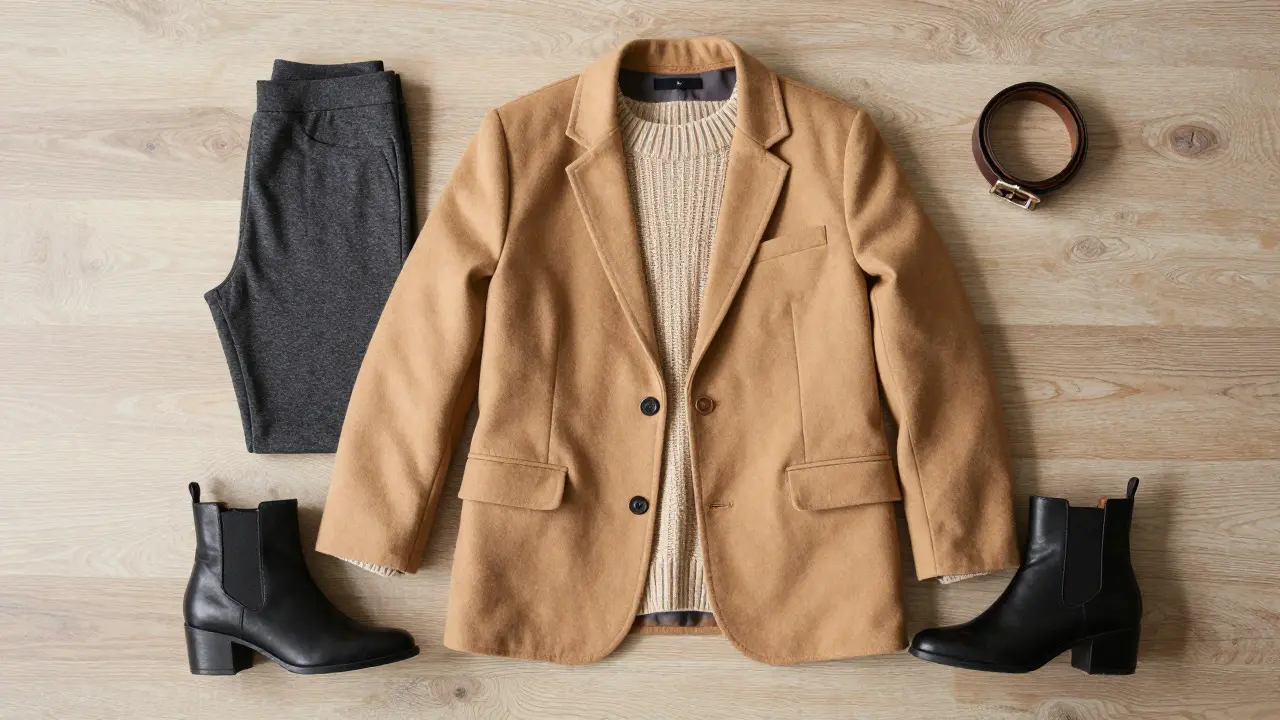
This style works best in heavier fabrics like tweed or thick cotton. The weight helps the garment hold its shape despite the loose cut. Go for neutral tones like camel, gray, or black. Camel adds warmth and richness, especially in autumn, while black keeps things sleek and modern. Avoid anything too shiny; matte finishes look more expensive and timeless.
Wear it slouchy over leggings and a long sweater for a cozy weekend look. Throw it over a mini skirt and boots to add balance to shorter hemlines. The volume of the blazer contrasts nicely with fitted bottoms, creating a proportionally pleasing silhouette. It’s the ultimate "I threw this on in five minutes" trick that actually looks curated.
The Cropped Blazer for Modern Proportions
Trends shift, but proportions remain constant. If you prefer higher-waisted pants or midi skirts, a standard-length blazer might swallow your frame. A cropped blazer hits at the waist or just below, highlighting your natural shape and elongating your legs. This style is particularly effective for petite frames or anyone who wants to emphasize their waistline.
Choose a cropped blazer with defined shoulders to maintain structure. Without enough shoulder definition, the short length can look boxy or costume-like. Stick to classic colors here too-navy, black, or cream work best because they ground the bolder cut. Avoid excessive detailing like large buttons or contrasting lapels, which can overwhelm the smaller scale of the garment.
Pair a cropped blazer with high-waisted wide-leg trousers for a powerful, balanced look. The short top and voluminous bottom create a harmonious visual flow. For casual outings, try it with bike shorts and a longline tee. The contrast between the formal jacket and informal bottom creates an interesting tension that reads as stylishly effortless.
Fabric Matters More Than You Think
You can have the perfect cut, but if the fabric fails, the whole outfit falls apart. Fabric dictates how your blazer behaves in real life. Does it pill after one wash? Does it cling when you sit? Does it wrinkle every time you move?
- Wool blends: Best for year-round use. They regulate temperature and resist wrinkles. Look for at least 70% wool for durability.
- Cotton twill: Great for spring and fall. Durable and easy to care for, but can wrinkle more than wool.
- Linen: Ideal for hot weather. Breathable and textured, but requires acceptance of natural creasing.
- Viscose/Rayon blends: Affordable and drapes well, but less durable and prone to shrinking. Use sparingly in a capsule.
Avoid pure polyester unless it’s a high-tech performance fabric. Cheap synthetics trap heat and develop static electricity, which ruins the polished look you’re aiming for. Invest in natural fibers or high-quality blends that age gracefully. A good blazer should last three to five years of regular wear.
Styling Rules for Seamless Transitions
Having the right blazer is only half the battle. How you style it determines whether you look put-together or confused. Here are practical rules to follow when transitioning from professional to casual settings.
- Swap the shoes: Heels or loafers signal professionalism. Sneakers or sandals signal relaxation. Changing footwear instantly shifts the tone of the entire outfit.
- Adjust the layers: Remove the tie or structured shirt underneath for casual looks. Add a graphic tee or striped marine shirt for a relaxed vibe.
- Play with accessories: A leather belt and watch elevate the look. A canvas tote or baseball hat lowers the formality.
- Consider the setting: When in doubt, lean slightly more formal than necessary. It’s easier to roll up sleeves than to fix a wrinkled shirt at a restaurant.
Remember that confidence sells the outfit. If you stand tall and own your look, people will perceive it as intentional regardless of minor imperfections. Practice wearing your blazer in low-stakes environments first to get comfortable with the fit and movement.
Common Mistakes to Avoid
Even experienced shoppers make errors when building a capsule wardrobe. Here are pitfalls that waste money and closet space.
- Buying trendy colors: Bright reds, neon greens, or patterned prints limit pairing options. Stick to neutrals for maximum utility.
- Ignoring sleeve length: Sleeves should hit at the wrist bone. Too long looks sloppy; too short exposes undershirts awkwardly.
- Choosing poor tailoring: Off-the-rack rarely fits perfectly. Budget $30-$50 for alterations to adjust shoulders or waist. It transforms the garment.
- Overlooking care instructions: Dry cleaning wears out fabrics faster. Learn to spot-clean and steam your blazers to extend their lifespan.
Also, don’t hoard similar items. Two navy blazers serve no purpose in a capsule. Instead, diversify with different textures or lengths. Variety within constraints is the goal.
Building Your Personal Blazer Strategy
Start with one core piece-the navy wool blend. Once that’s established, assess your lifestyle. Do you spend more time outdoors? Add the linen option. Do you value comfort above all? Include the oversized style. Each addition should fill a specific gap, not just repeat existing functionality.
Visit stores during off-peak hours to try on multiple styles without pressure. Take photos of yourself in each option. Sometimes how you feel in the mirror differs from how you look in photos. Trust both sources of feedback.
Finally, rotate your blazers regularly. Don’t wear the same one two days in a row if possible. Give garments time to rest between wears to maintain their shape and freshness. This small habit significantly extends the life of your investment pieces.
How many blazers do I need for a capsule wardrobe?
Most people thrive with two to three blazers. Start with one versatile navy or black piece. Add a second in a different fabric (like linen) for seasonal variety. A third optional piece could be an oversized or cropped style for specific aesthetic preferences. Quality matters more than quantity.
Can I wear a blazer with sneakers?
Absolutely. Pairing a blazer with clean white sneakers is a classic smart-casual combination. Ensure the blazer is unstructured or softly tailored to avoid looking mismatched. Keep the rest of the outfit simple-jeans and a plain tee work perfectly. This look is widely accepted in creative industries and casual Friday environments.
What is the best fabric for a year-round blazer?
A lightweight wool blend is ideal for year-round wear. Wool naturally regulates temperature, keeping you cool in summer and warm in winter. Look for blends containing 70-90% wool with small amounts of elastane or polyester for stretch and durability. Avoid heavy tweeds for daily use as they can be too warm in mild climates.
Should my blazer be tight or loose?
It should skim your body without pulling. Check that the shoulders align perfectly with your natural shoulder line. There should be enough room to layer a thin sweater underneath comfortably. If it buttons easily without gaping, the fit is correct. Modern trends favor slightly relaxed fits, but never sloppy.
How do I remove wrinkles from a blazer quickly?
Hang the blazer in the bathroom while taking a hot shower. The steam helps release wrinkles naturally. Alternatively, use a handheld steamer, focusing on the back and sleeves. Avoid ironing directly on wool or linen unless using a pressing cloth, as direct heat can shine or burn delicate fabrics. Always let the garment cool before wearing.


Write a comment