

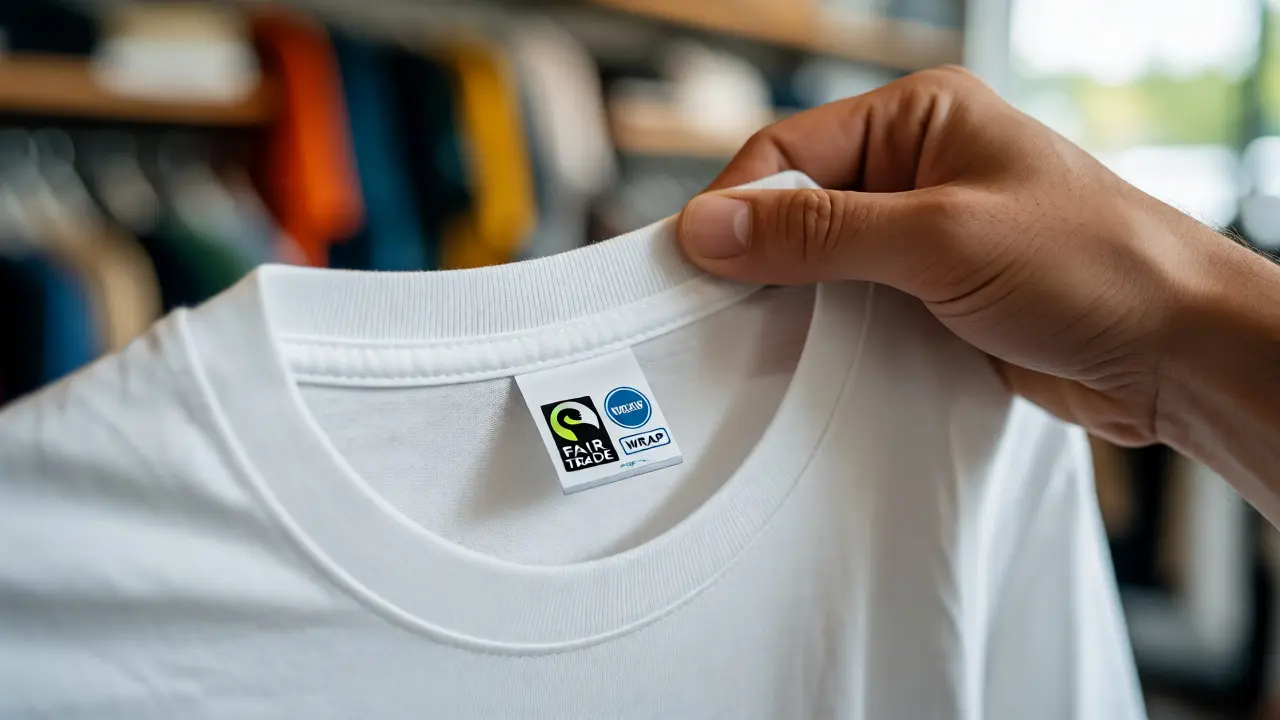
You’re standing in a store, holding a $15 t-shirt. The tag says "Made in Bangladesh." You feel good about the price, but a nagging question sits in your stomach: who made this, and were they treated fairly? This is the core dilemma of modern shopping. We want to look good without contributing to exploitation, but the system is opaque. Ethical fashion standards are the tools designed to lift that veil, but they are often confusing acronyms rather than clear guarantees.
It’s not just about avoiding sweatshops anymore; it’s about verifying claims. Brands love to slap a green leaf on a label and call it a day. But without rigorous verification systems, those labels are marketing fluff. If you want to actually make a difference with your wallet, you need to know which certifications hold weight and which ones are just pretty pictures. Let’s break down the big three players: Fair Trade, WRAP, and the broader world of independent auditing.
Why Your T-Shirt Needs a Passport
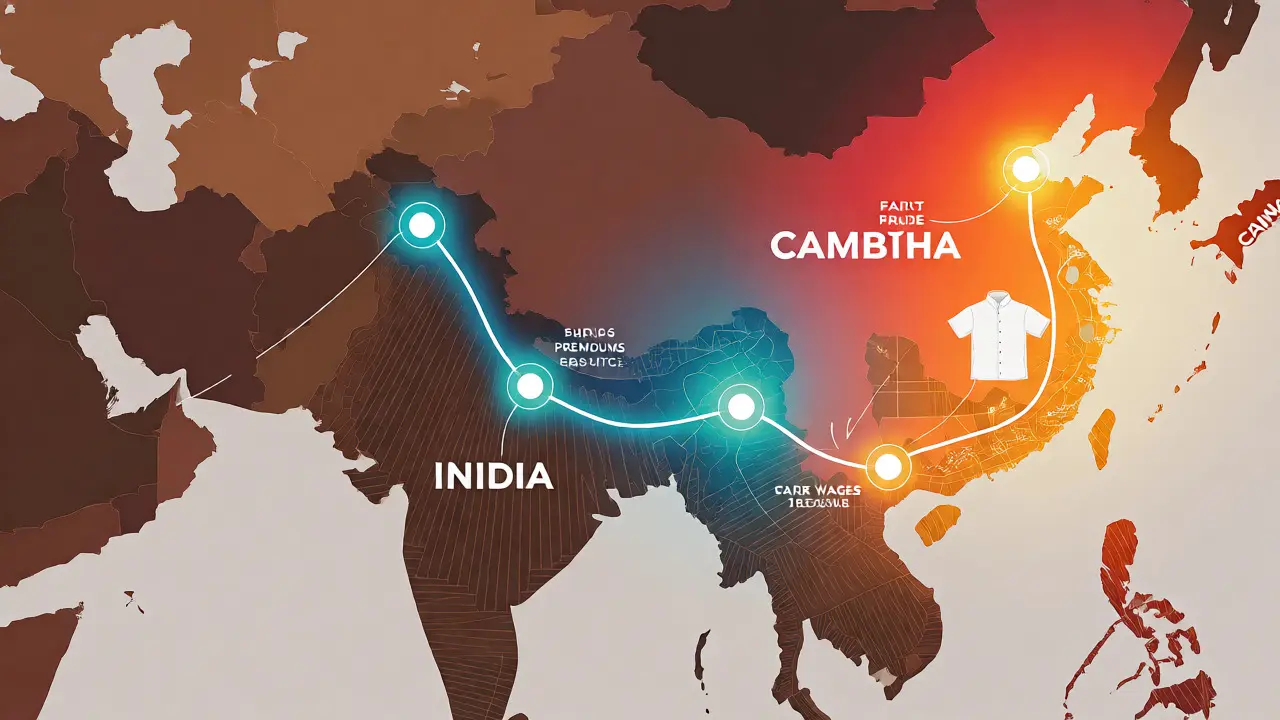
The global supply chain is messy. A single garment might travel through five countries before it hits your closet. Cotton grows in India, gets spun in China, dyed in Vietnam, and sewn in Cambodia. Tracking labor conditions across all those borders is nearly impossible for a consumer. That’s where third-party verification comes in. Think of these organizations as referees. They don’t play the game, but they blow the whistle when someone cheats.
However, not all referees are equal. Some check boxes once a year. Others show up unannounced. Some focus only on safety (will the building collapse?), while others focus on wages (can the worker afford rent?). Understanding the difference saves you from buying into "greenwashing"-where a company looks ethical but operates like a typical fast-fashion brand.
Fair Trade: More Than Just a Label
When people hear "Fair Trade," many think of coffee or chocolate. But in fashion, it’s a specific, rigorous standard. The most common certifier here is Fair Trade USA (formerly part of Fairtrade International). Unlike other audits that check for minimum compliance, Fair Trade aims for positive impact.
| Feature | Description | Impact on Worker |
|---|---|---|
| Premium Fund | An extra sum paid by the buyer, separate from the product price. | Workers democratically decide how to spend it (healthcare, childcare, education). |
| Living Wage Focus | Goes beyond legal minimum wage requirements. | Aims to cover basic needs plus discretionary income. |
| Environmental Criteria | Strict rules on water use, chemical management, and waste. | Cleaner local environment and healthier factory conditions. |
| Traceability | Full chain-of-custody tracking from farm to finished good. | Ensures the premium actually reaches the intended workers. |
The standout feature here is the Fair Trade Premium. When a brand buys Fair Trade certified cotton or garments, they pay an extra fee. That money doesn’t go to the CEO. It goes into a community fund managed by the workers themselves. Maybe they build a clinic. Maybe they buy school supplies for their kids. This shifts the dynamic from charity to empowerment. However, it’s important to note that Fair Trade certification in apparel is still less common than in food products. Finding a full Fair Trade t-shirt is harder than finding a bag of beans.
WRAP: Safety First, Everything Else Second
If Fair Trade is about economic justice, WRAP (Worldwide Responsible Accredited Production) is about industrial hygiene. Founded after the Rana Plaza factory collapse in Bangladesh killed over 1,100 workers, WRAP focuses heavily on physical safety and basic labor rights. It’s one of the largest voluntary programs in the world, covering thousands of facilities.
WRAP uses a tiered system: Platinum, Gold, Silver, and Certified. To get Platinum, a factory must meet all twelve principles, including no forced labor, no child labor, freedom of association, and safe working conditions. Sounds great, right? Here’s the catch: WRAP is primarily a compliance audit. It checks if the factory meets the minimum standards set by local laws and international norms. It does not necessarily guarantee that workers earn a living wage. A factory can be WRAP Platinum certified and still pay poverty wages if the local minimum wage is low.
So, why bother with WRAP? Because safety is non-negotiable. Before worrying about whether a worker can save for retirement, you need to ensure they won’t die in a fire. WRAP excels at verifying structural integrity, emergency exits, and chemical handling. For brands starting their ethical journey, WRAP is a solid baseline. It tells you the factory isn’t a death trap. It doesn’t tell you the business model is equitable.
The Wild West of Verification Systems
Beyond the big names, there’s a chaotic landscape of other audits. You might see BSCI (Business Social Compliance Initiative), SMETA (Sedex Members Ethical Trade Audit), or SA8000. Each has its own flavor.
- BSCI: Popular among European retailers. It’s a code of conduct focused on social responsibility. Critics argue it’s too lenient because it relies heavily on self-assessment and announced audits.
- SMETA: Used by Sedex members. It’s a detailed audit report, but Sedex itself doesn’t certify factories; it just shares data. So, a "Sedex member" claim means little unless you dig into the actual audit reports, which are rarely public.
- SA8000: One of the oldest and strictest standards. It covers everything from health and safety to disciplinary practices. It’s expensive to maintain, so you mostly see it in larger, established suppliers.
Then there’s the rise of blockchain-based traceability. Companies are trying to use distributed ledgers to track every step of production. While promising, technology alone doesn’t fix human rights abuses. A blockchain record can prove a shirt was made in a specific factory, but it can’t prove the worker wasn’t beaten. Verification requires eyes on the ground, not just data on a server.
How to Spot Greenwashing vs. Real Ethics
Brands are smart. They know consumers care. So they create their own private labels. "Eco-Choice," "Green Promise," "Conscious Collection." These mean nothing unless backed by third-party verification. Here’s a quick heuristic for spotting real effort versus marketing spin:
- Look for Specifics: Vague terms like "ethically sourced" are red flags. Look for named certifications (Fair Trade, WRAP, GOTS for organic materials).
- Check the Scope: Does the certification apply to the whole supply chain or just the final sewing stage? Many brands audit their cut-and-sew factories but ignore the fabric mills or cotton farms where worse abuses happen.
- Transparency Reports: Serious brands publish annual sustainability reports listing their supplier factories. If they hide their suppliers, they likely have something to hide.
- Price Reality Check: Can a $10 dress really support Fair Trade premiums and living wages? Usually, no. Ethical fashion costs more because true cost accounting includes environmental cleanup and fair pay.
For example, Patagonia is transparent about its supply chain, naming specific factories and even admitting where it falls short. In contrast, some major fast-fashion giants tout "recycled polyester" collections while continuing to underpay workers in their primary sourcing hubs. Don’t let a small percentage of eco-materials distract from the labor reality.
Your Role as a Consumer
So, what do you do? You can’t audit every factory yourself. But you can vote with your attention. Support brands that prioritize transparency over speed. Ask questions. Follow hashtags like #WhoMadeMyClothes. When you see a WRAP logo, understand it means safety compliance. When you see Fair Trade, understand it implies a higher economic bar. Neither is perfect, but both are better than silence.
Also, consider the lifecycle. Buying less, but better, reduces demand for exploitative rapid production cycles. Repairing clothes extends their life, lowering the pressure on new manufacturing. Ethical fashion isn’t just about the label on the tag; it’s about the relationship you have with the object. Do you respect the labor behind it? If yes, then seek out those verified standards. If no, you’re participating in a system that treats humans as disposable inputs.
Is Fair Trade better than WRAP?
They serve different purposes. Fair Trade focuses on economic equity, living wages, and community development funds. WRAP focuses primarily on workplace safety, legal compliance, and basic labor rights. Ideally, a brand should aim for both, but Fair Trade is generally considered a higher bar for social impact, while WRAP is a critical baseline for physical safety.
What does WRAP stand for?
WRAP stands for Worldwide Responsible Accredited Production. It is an independent, nonprofit organization that certifies apparel, footwear, and accessories manufacturers globally. Its main goal is to improve workplace conditions through a comprehensive certification program based on twelve principles of lawful, humane, and ethical manufacturing.
Can I trust a brand's own "ethical" label?
Be skeptical. Self-declared labels lack third-party oversight. Always look for recognized external certifications like Fair Trade, WRAP, B Corp, or GOTS. If a brand creates its own label, check if it links to a detailed policy or audit summary. If it’s just a marketing term with no verification, treat it as unverified until proven otherwise.
Why are ethical clothes more expensive?
True ethical fashion accounts for the full cost of production. This includes paying workers a living wage (not just minimum wage), using safer materials, maintaining safe facilities, and implementing environmental protections. Fast fashion keeps prices low by externalizing these costs-meaning society and workers bear the burden instead of the consumer.
Does organic cotton mean ethical labor?
No. Organic cotton refers to agricultural practices (no synthetic pesticides or GMOs). It says nothing about how the workers were treated during harvesting or manufacturing. You can have organic cotton picked by exploited laborers. Always look for labor certifications (like Fair Trade or SA8000) alongside material certifications (like GOTS or OCS).